Chicken Tenderloin Nutrition: Calories, Protein & Health Benefits Explained
Quick Guide
- The Basic Chicken Tenderloin Nutrition Facts Breakdown
- Why the Chicken Tenderloin Nutrient Profile is a Fitness and Health Favorite
- Cooking's Impact on Chicken Tenderloin Nutrients
- How to Select and Store for Maximum Nutritional Benefit
- Chicken Tenderloin in Different Diets
- The Final Verdict on Chicken Tenderloin Nutrients
Let's talk about chicken tenderloin. You've probably seen them at the store, those neat little strips of meat, maybe picked up a pack wondering if they're any good for you. I used to wonder the same thing. Are they just fancy chicken strips, or is there something more? Turns out, when you dig into chicken tenderloin nutrients, there's a lot to unpack. It's not just about protein (though there's plenty of that). It's about what makes this cut different, why it might be a better choice for some meals, and honestly, where it might not be the best pick. I remember trying to meal prep with them once, following some overly complicated recipe, and it was a disaster. The point is, let's cut through the marketing and look at the real facts.
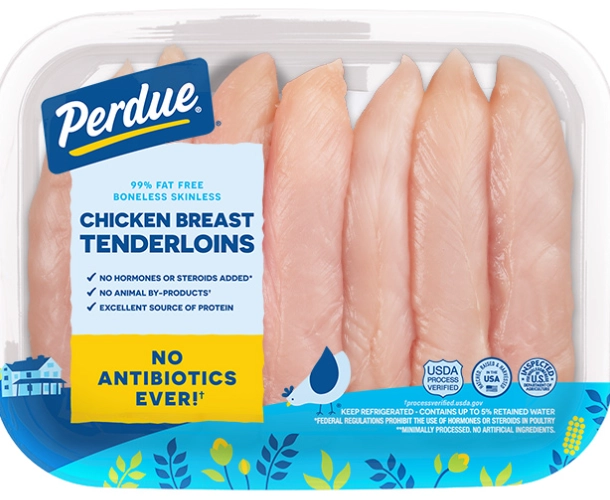
First off, what even is a chicken tenderloin? It's that small, tender strip of meat found underneath the chicken breast, attached to it by a thin membrane. Each breast has one. It's the most tender part of the chicken breast itself, hence the name. Because of its size and location, its nutritional makeup has some subtle but important differences from the main breast meat. Everyone shouts about chicken breast being healthy (and it is), but the tenderloin's story is often just a footnote. Let's change that.
The Basic Chicken Tenderloin Nutrition Facts Breakdown
Alright, let's get down to numbers. The gold standard for food composition data in the US is the USDA FoodData Central. According to their database, for a 3-ounce (about 85-gram) cooked serving of boneless, skinless chicken tenderloin, you're looking at something like this. I say "something like" because values can vary slightly based on the bird's diet and cooking method, but this is the reliable benchmark.
It's crucial to compare it to its siblings. Just saying "it has protein" isn't helpful. How does it stack up against a regular chicken breast or a thigh? This is where a lot of blogs stop, but it's where the useful info starts.
| Nutrient (per 3oz cooked) | Chicken Tenderloin | Chicken Breast | Chicken Thigh (skinless) |
|---|---|---|---|
| Calories | ~100-110 kcal | ~128 kcal | ~180 kcal |
| Protein | ~22-24 grams | ~26 grams | ~22 grams |
| Total Fat | ~1-2 grams | ~2.7 grams | ~9 grams |
| Saturated Fat | ~0.5 grams | ~0.7 grams | ~2.5 grams |
See that? The chicken tenderloin nutrients profile is strikingly lean. It often has slightly fewer calories and fat than a standard portion of breast, while delivering a very similar protein punch. The thigh, while delicious and juicy, is in a different league fat-wise. This table alone answers the first big question: yes, tenderloins are an excellent lean protein source.
But we can't stop at macronutrients. The micronutrients matter too, especially if you eat this regularly.
Diving Deeper: Vitamins and Minerals in Chicken Tenderloin
Protein and calories get all the attention, but what about the supporting cast? The vitamins and minerals in chicken tenderloin are what make it a truly nutritious food, not just a protein brick. Here’s what a serving significantly contributes to your daily needs:
- Niacin (Vitamin B3): A big one. Crucial for converting food into energy and keeping your nervous system and skin healthy. A serving can provide over 50% of your daily need.
- Vitamin B6 (Pyridoxine): Essential for protein metabolism, brain development, and immune function. Chicken is a top source.
- Selenium: A powerful antioxidant that supports thyroid function and protects your cells. One serving covers about 30-40% of your daily requirement.
- Phosphorus: Works with calcium to build strong bones and teeth, and is key for tissue repair.
- Choline: An important nutrient for brain health, liver function, and muscle movement. Not found in many common foods, but poultry is a good source.
You'll also get smaller amounts of iron, zinc, potassium, and other B vitamins like riboflavin and B12. It's a nutrient-dense package. When people ask about chicken tenderloin nutrients, they often miss this vitamin and mineral matrix, focusing only on the protein. That's a mistake. This micronutrient profile supports everything from your energy levels to your metabolism.
Why the Chicken Tenderloin Nutrient Profile is a Fitness and Health Favorite
So why do fitness folks and health-conscious eaters gravitate towards this cut? It's not an accident. The combination of macros and micros hits several sweet spots.
High Protein, Low Calorie Density.
This is the biggest draw. You get a lot of satiating protein for very few calories. Protein is the most filling macronutrient. It takes more energy to digest (the thermic effect of food), and it helps preserve lean muscle mass, especially if you're in a calorie deficit trying to lose weight. For someone tracking macros, hitting a high protein goal without blowing the calorie budget is easier with foods like chicken tenderloin. Compared to, say, a fatty cut of beef or even chicken thighs, you get more protein per calorie.
Extremely Low in Fat, Especially Saturated Fat.
With only about a gram or two of fat per serving, it's about as lean as it gets in the animal protein world. For heart health and managing cholesterol, guidelines from sources like the American Heart Association recommend limiting saturated fat. Chicken tenderloin makes that easy. It's a protein source that aligns with a heart-healthy eating pattern.
A Complete Protein Source.
It contains all nine essential amino acids your body can't make on its own. Leucine, in particular, which is critical for stimulating muscle protein synthesis, is well-represented. This makes the protein in chicken tenderloin highly "bioavailable" and effective for muscle repair and growth.
But it's not all sunshine. The very leanness that makes it great for some can be a drawback for others.
The Potential Downsides: What the Nutrition Label Doesn't Say
I love chicken tenderloins, but I have to be honest. They have a couple of quirks that can trip you up.
First, because they're so lean, they have virtually no intramuscular fat. This means they have almost no margin for error in cooking. Overcook them by a minute, and they go from tender to dry, chalky, and tough. I've done it more times than I care to admit. A chicken thigh is much more forgiving. So the "tender" in the name is a promise that requires careful cooking to keep.
Second, some people find them a bit bland on their own. The fat in darker meat carries flavor. Without it, you need to rely on marinades, spices, and cooking techniques to make them delicious. If you're someone who gets bored with food easily, a diet of plain grilled tenderloins might not be sustainable.
Finally, per pound, they are often more expensive than buying whole chicken breasts. You're paying for the convenience of them being pre-trimmed and uniform in size. Whether that's worth it is a personal budget decision.
Cooking's Impact on Chicken Tenderloin Nutrients
This is a massive hole in most discussions. The nutrients in your raw chicken tenderloin aren't the same as what ends up on your plate. Heat, water, and method change things.
Protein: Heat denatures protein, making it easier to digest and absorb. So cooking improves the bioavailability of the protein in chicken tenderloin. You actually get more usable protein from a cooked piece than a raw one (not that you should eat it raw!).
Vitamins: Water-soluble vitamins like the B vitamins (niacin, B6) can leach out into cooking water. Boiling or poaching can cause the greatest loss. Dry-heat methods like grilling, baking, or air-frying retain more of these sensitive nutrients within the meat.
Weight and Concentration: As chicken cooks, it loses water. A 4-ounce raw tenderloin will weigh about 3 ounces after cooking. This means the nutrients become more concentrated by weight. So that 3-ounce cooked serving we talked about started as more raw meat. This is why nutrition data is almost always given for cooked weight—it's what you actually eat.
My go-to method for maximizing both flavor and nutrient retention? A quick marinade (even 20 minutes helps), then cooking in a hot oven or on a grill just until the internal temperature hits 165°F (74°C). Not a degree more. Using a meat thermometer is non-negotiable here if you hate dry chicken.
How to Select and Store for Maximum Nutritional Benefit
You can't talk about chicken tenderloin nutrients without talking about quality and safety. It starts at the store.
- Look: The meat should be pinkish, not gray or yellow. There should be minimal liquid in the package (excess "purge" means it might have been frozen and thawed).
- Labels: "Air-Chilled" is a bonus. Many chickens are water-chilled, which can lead to them absorbing water. Air-chilled birds often have better texture and flavor, and you're not paying for added water weight. Terms like "Hormone-Free" are marketing—by law in the U.S., chickens cannot be given hormones. "Antibiotic-Free" or "Organic" are choices based on your preferences and budget.
- Storage: Get it in the fridge (below 40°F/4°C) immediately. Use it within 1-2 days of purchase, or freeze it. Freezing doesn't destroy the protein or minerals, though it can slightly affect texture upon thawing. The USDA's Food Safety website is an excellent resource for safe handling times and temperatures.
Thaw frozen tenderloins in the fridge overnight, never on the counter. Bacteria love room-temperature chicken.
Chicken Tenderloin in Different Diets
Is it good for Keto? Paleo? Weight loss? Let's break it down.
Keto & Low-Carb: Perfect. It's virtually zero-carb, high in protein, and low in fat. On keto, you'd likely add a healthy fat source when eating it—cook it in avocado oil, top it with an olive-oil-based pesto, or serve it with an avocado.
Paleo & Whole30: Also a great fit. It's a compliant, unprocessed protein. Just watch your marinades and sauces to avoid non-compliant ingredients like soy or sugar.
Mediterranean Diet: Fits well, especially when prepared with olive oil, lemon, and herbs. The lean protein complements the diet's focus on plants and healthy fats.
Weight Loss Diets: A superstar. Its high protein and low calorie count are tailor-made for creating a calorie deficit without hunger. Studies consistently show that higher protein intake aids satiety and weight management.
Muscle Building: Excellent. It provides the essential amino acids needed for repair and growth. Pair it with a carb source (like sweet potato or brown rice) post-workout for optimal recovery.
Your Chicken Tenderloin Nutrients Questions, Answered
The Final Verdict on Chicken Tenderloin Nutrients
So, what's the bottom line on chicken tenderloin nutrients? It's a genuinely excellent source of lean, complete protein that's packed with beneficial vitamins and minerals like B vitamins and selenium. Its nutritional profile makes it a versatile ally for weight management, muscle support, and general healthy eating.
But—and this is a big but—its superpower is also its weakness. That leanness demands respect in the kitchen. Treat it right with quick cooking and a little flavor help, and it rewards you. Treat it carelessly, and you get a dry, disappointing meal.
It shouldn't be your only protein, but it deserves a regular spot in the rotation. Whether you're meal-prepping lunches, needing a quick dinner protein, or looking to hit a fitness goal, understanding the full picture of chicken tenderloin nutrients helps you use it to its fullest potential. Don't just think of it as a smaller breast; think of it as a convenient, nutrient-dense tool in your kitchen toolbox.
Now, go check your fridge temperature and maybe plan a marinade. Your future juicy, nutritious chicken tenderloins will thank you.
Related Articles