Are Chicken Tenderloins Healthy? Nutrition, Benefits & Cooking Tips
Quick Guide
- What Even Is a Chicken Tenderloin? (It's Not Just a Small Breast)
- The Nutrition Facts: Breaking Down What's Inside
- The Potential "Health Traps" You Must Avoid
- Top Health Benefits of Choosing (The Right) Chicken Tenderloins
- How to Cook Them to Keep Them Healthy (And Actually Tasty)
- Answering Your Burning Questions (FAQs)
- The Final Verdict: Should You Be Eating Them?
You're standing in the grocery store, staring at the poultry section. Boneless, skinless chicken breast is the classic go-to for a healthy meal. But right next to it, sometimes tucked underneath or sold separately, are those smaller, more tender strips – the chicken tenderloins. And the question pops into your head: are chicken tenderloins healthy? Is this just a clever marketing trick, or are they a legitimately good choice? I used to wonder the same thing, especially when they're often priced similarly or even cheaper than the whole breast.
Let's cut through the noise. The short, honest answer is yes, chicken tenderloins can be a very healthy part of your diet. But – and there's always a but – it completely depends on a few key factors. What are they cut from? How are they processed? And most importantly, how do you cook them? Calling something "healthy" in isolation is almost meaningless. We need to look at the whole picture – the nutrition, the comparison to other cuts, the potential pitfalls, and the best ways to get them on your plate without undoing all their good qualities.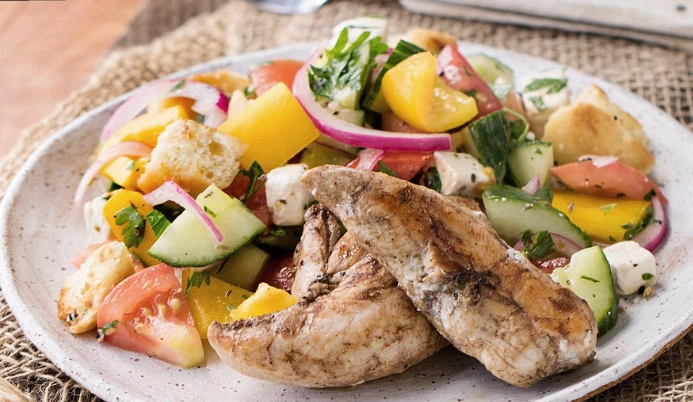
The Core Takeaway: Plain, unadulterated chicken tenderloin meat is one of the leanest sources of protein you can find. It's virtually identical to the main part of the chicken breast in nutritional value. The health question revolves around sourcing, added ingredients, and preparation method.
What Even Is a Chicken Tenderloin? (It's Not Just a Small Breast)
This is where a lot of confusion starts. A chicken tenderloin, sometimes just called a "tender," is a specific muscle. It's that little strip of meat that lies underneath the main breast muscle, attached to it by a thin layer of connective tissue. Its job is to help stabilize the bird's breastbone. Because it's a muscle that doesn't work as hard as, say, a thigh, it's incredibly tender – hence the name.
I made a mistake once early on. I bought a pack of "chicken tenders" thinking they were just small breasts. They were breaded, pre-seasoned, and frozen. That's a different product entirely, often high in sodium, fillers, and unhealthy fats. When we ask are chicken tenderloins healthy, we're talking about the raw, unprocessed muscle itself, not the pre-made frozen finger food (though we'll get to that later).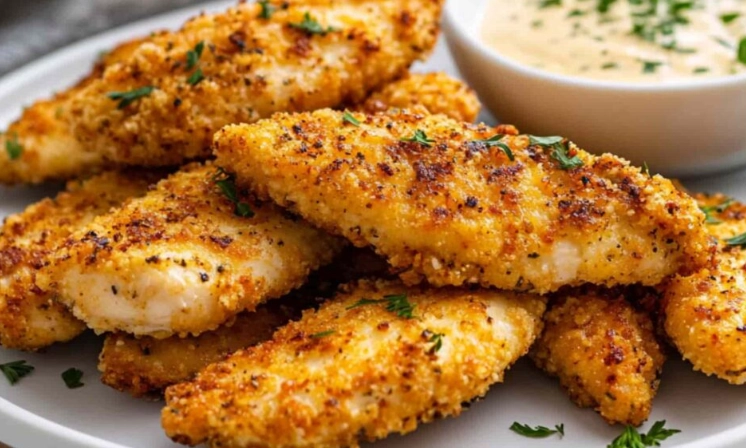
You can buy them two main ways:
- Attached to the Breast: When you buy a whole boneless, skinless breast, the tenderloin is often still there, loosely connected. You can easily pull it off.
- Sold Separately: Many butchers and stores sell packs of just the tenderloins. This is convenient, but you need to check the label.
The Nutrition Facts: Breaking Down What's Inside
Let's get concrete. According to the USDA's FoodData Central, a reliable source for standardized nutrition information, here’s what a typical 3-ounce (85-gram) serving of raw, boneless, skinless chicken tenderloin looks like. This is the data that matters when you're trying to figure out if they fit your goals.
| Nutrient | Amount (3oz / 85g raw) | % Daily Value (DV)* |
|---|---|---|
| Calories | ~100 kcal | 5% |
| Protein | ~22 grams | 44% |
| Total Fat | ~1.5 grams | 2% |
| Saturated Fat | ~0.5 grams | 3% |
| Cholesterol | ~65 mg | 22% |
| Sodium (natural) | ~50 mg | 2% |
| Niacin (B3) | ~10 mg | 60% |
| Selenium | ~20 mcg | 36% |
| Phosphorus | ~190 mg | 15% |
*Percent Daily Values are based on a 2,000 calorie diet. They give you a rough idea of contribution.
That protein number is the star of the show. Over 20 grams for just 100 calories is an exceptional ratio. It's what makes people trying to build muscle, lose weight, or just stay full lean so heavily on poultry. The fat content is minimal and mostly unsaturated. The cholesterol content is moderate, but for most healthy individuals, dietary cholesterol from lean sources like this has a much smaller impact on blood cholesterol than once thought, especially compared to saturated and trans fats, as noted by resources like the Harvard T.H. Chan School of Public Health.
 So, purely from a macro-nutrient standpoint, the answer to "are chicken tenderloins healthy" is a resounding yes.
Chicken Tenderloin vs. Chicken Breast: Is There a Real Difference?
This is the most common comparison, and honestly, the difference is tiny. Gram for gram, the main pectoral muscle (the breast) and the tenderloin are nearly identical in calories, protein, and fat. Some people claim the tenderloin is slightly more tender (true) and maybe has a fraction less fat, but we're talking decimal points. The real practical differences are:
- Size & Shape: Tenderloins are smaller and cook faster. This is a huge plus for weeknight dinners.
- Uniformity: They're all the same shape, so they cook evenly. No more one end of a giant breast drying out while the other is raw.
- Price: Sometimes they're cheaper, sometimes more expensive. It's worth checking.
- Convenience: No trimming needed. They're ready to go.
If you prefer the texture of the tenderloin or the convenience, there's no nutritional penalty for choosing it over the main breast. They're siblings, not cousins.
The Potential "Health Traps" You Must Avoid
Here's where the story gets tricky, and where the simple question are chicken tenderloins healthy needs a more nuanced answer. The raw muscle is healthy. What the food industry does to it sometimes... isn't.
Watch Out For: Enhanced or Seasoned Tenderloins. To "plump up" the meat and add flavor (and weight, which they sell), processors often inject a solution of water, salt, sodium phosphates, and sometimes flavorings. This can skyrocket the sodium content.
I learned this the hard way. I bought a pack that looked perfectly normal. The nutrition label showed over 400mg of sodium per serving – nearly ten times the natural amount! That's a significant chunk of the recommended 2300mg daily limit. If you have blood pressure concerns, this is a major problem.
How to spot them: Look at the ingredients list. If it says just "chicken tenderloins," you're good. If it lists things like "chicken broth, salt, sodium phosphates," that's enhanced. Also, check the weight. If the package feels like it's 30% liquid, it probably is.
Then there's the breaded and fried version. Restaurant "chicken tenders" or frozen versions are a different food category. They're often made from tenderloins, but dunked in batter, deep-fried, and loaded with calories, refined carbs, and unhealthy fats. Asking if those are healthy is like asking if a donut is healthy. You already know the answer.
Top Health Benefits of Choosing (The Right) Chicken Tenderloins
When you get the plain, un-enhanced version, here’s what you’re signing up for:
- Muscle Building & Repair Powerhouse: That high-quality, complete protein provides all the essential amino acids your body needs to maintain and build muscle tissue. It's crucial as we age to prevent sarcopenia (muscle loss).
- Weight Management Friend: Protein is incredibly satiating. A meal with a good serving of lean protein like tenderloins keeps you fuller for longer, which can help curb snacking and reduce overall calorie intake. The low calorie density (lots of food for few calories) is a key tool for weight loss.
- Nutrient Boost: They're a great source of B vitamins, especially Niacin (B3), which is vital for energy metabolism and nervous system function. The selenium is a powerful antioxidant that supports thyroid health and immunity.
- Versatility for Dietary Patterns: They fit seamlessly into low-carb, keto, paleo, gluten-free, and high-protein diets. It's a blank canvas.
My Go-To Move: I buy a big pack of plain tenderloins, portion them into meal-sized bags with different marinades (lemon-herb, tikka, fajita), and freeze them. I pull one out in the morning, and by dinner, it's thawed and flavored, ready for a 10-minute cook. It saves the "what's for dinner?" panic.
How to Cook Them to Keep Them Healthy (And Actually Tasty)
You can turn this lean, healthy protein into a dry, flavorless hockey puck if you're not careful. The key is quick, high-heat methods because they're so lean and thin.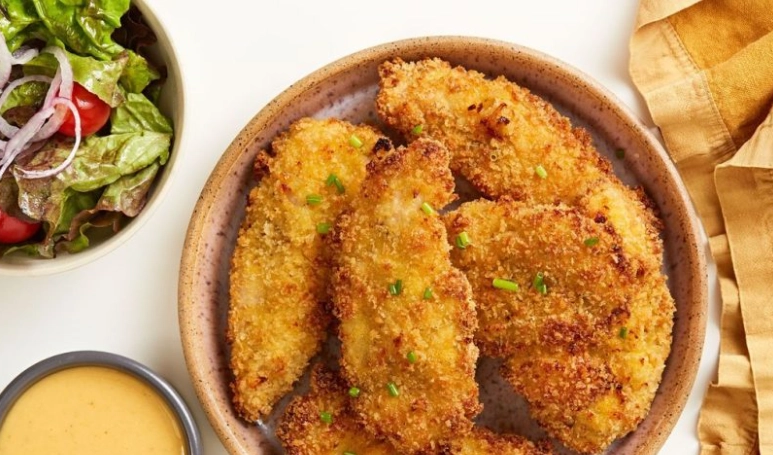
Winning Cooking Methods:
- Quick Searing or Sautéing: In a hot pan with a small amount of healthy oil (avocado, olive) for 2-3 minutes per side. Don't overcrowd the pan, or they'll steam.
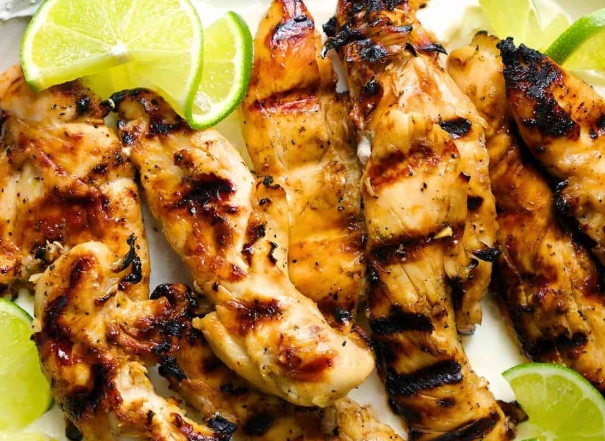
- Grilling or Broiling: Perfect for getting a smoky flavor without added fat. Just watch them closely; they go from perfect to overdone in seconds.
- Baking: Reliable and hands-off. Bake at 400°F (200°C) for 10-15 minutes. To prevent drying, you can bake them on a bed of veggies or lightly coat them in oil and seasoning.
- Air Frying: A game-changer. They come out crispy on the outside, juicy inside, with just a spray of oil. Takes about 8-10 minutes at 380°F (190°C).
Methods to Use Sparingly:
- Deep Frying: Obviously turns a low-calorie food into a high-calorie one. An occasional treat, not a regular health food.
- Slow Cooking: Without careful monitoring, they can become dry and stringy because there's so little fat to keep them moist.
Marinating is your best friend. Even 20 minutes in a mix of acid (lemon juice, vinegar), herbs, and spices makes a world of difference. The acid helps tenderize them slightly.
Answering Your Burning Questions (FAQs)
Here's a real experience: I once tried a popular brand of "herb-seasoned" tenderloins. They were so salty I couldn't finish them. It felt like a waste of money and a meal. Now I stick to plain and add my own, controlled amount of seasoning. The difference in taste (and how I feel after) is night and day.
The Final Verdict: Should You Be Eating Them?
Look, after all this, where do we land on are chicken tenderloins healthy?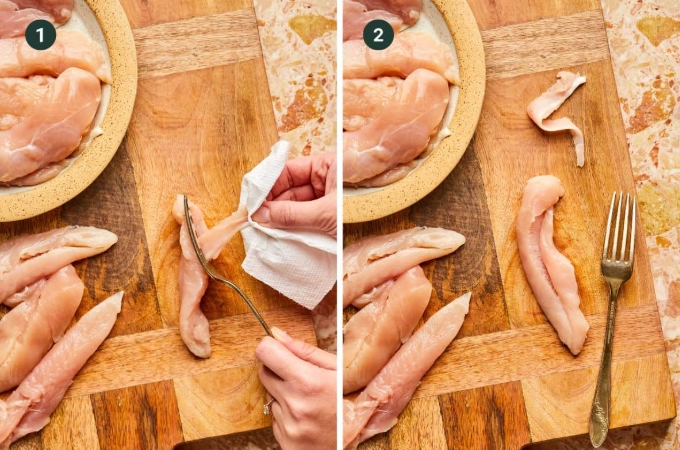
If you buy plain, unprocessed chicken tenderloins and cook them using a sensible method, they are an exceptionally healthy, lean, and convenient source of high-quality protein. They deserve a regular spot in your meal rotation, especially if you're focused on fitness, weight management, or simply eating clean.
But you have to be a smart shopper. Read the label. Avoid the sodium-injected versions. Don't confuse them with breaded, fried junk food. And learn to cook them quickly to preserve their moisture.
They're not a magical superfood, but they are a reliable, nutritious, and versatile tool. In the world of protein choices, they're a solid A- student – not flashy, but consistently gets the job done well. Sometimes, that's exactly what you need for a healthy diet that actually works in real life.
So next time you're in that grocery aisle, you can grab that pack of tenderloins with confidence. Just give the ingredient list a quick glance first.
Related Articles

![Why is it considered [false] even though there is a contract and there is a tran](/images/870a5535509ff5816d8b14e19f68b56c.png "Why is it considered [false] even though there is a contract and there is a tran")