Raw Chicken Breasts: Expert Guide to Safe Handling and Cooking
What You'll Find Inside
- Why Raw Chicken Breasts Deserve Your Attention
- The Non-Negotiables: Food Safety with Raw Chicken
- Preparation Secrets Most Cooks Miss
- Cooking Methods That Guarantee Juicy Chicken
- The Science Behind Dry Chicken (And How to Fix It)
- Quick and Simple Recipes to Try Tonight
- Your Burning Questions Answered
I once served dry, rubbery chicken breasts to my in-laws. It was embarrassing, but it taught me that raw chicken breasts aren't as straightforward as they seem. They're a kitchen staple, yet so many of us mess them up. This guide isn't about fancy techniques—it's about getting the basics right, so you never waste another breast.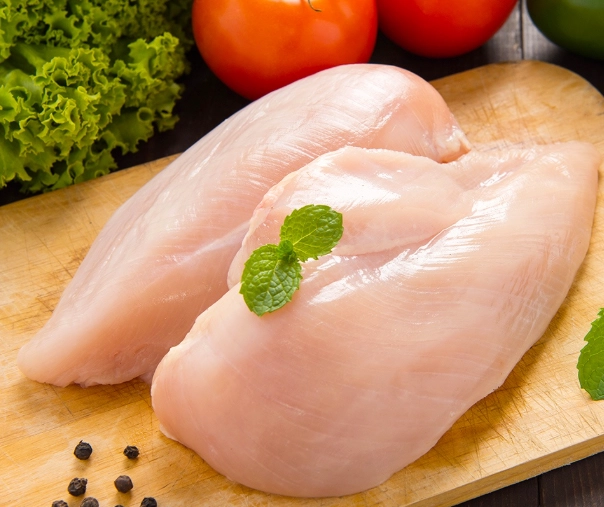
Why Raw Chicken Breasts Deserve Your Attention
Chicken breast is lean, versatile, and packed with protein. But its low fat content means it's prone to drying out if handled poorly. Think about it: you buy a pack, toss it in the fridge, then hope for the best. That's where things go wrong. Raw chicken breasts require respect from the moment you buy them. I've seen friends treat them like any other meat, and the results are often disappointing.
Here's a fact: according to industry reports, chicken is one of the most consumed meats globally, but food safety incidents linked to poultry are common. That's why starting with raw chicken breasts right matters.
The Non-Negotiables: Food Safety with Raw Chicken
Let's cut to the chase. Raw chicken can harbor bacteria like Salmonella and Campylobacter. I don't mean to scare you, but ignoring safety is a recipe for disaster. Follow these steps religiously.
Storage: How to Keep Chicken Breasts Fresh
When you get home from the store, don't just shove the package in the fridge. Transfer the chicken to a sealed container or wrap it tightly in plastic. Place it on the bottom shelf to prevent drips. The USDA recommends storing at 40°F (4°C) or below. If you won't use it within two days, freeze it. Freezing at 0°F (-18°C) can keep it safe indefinitely, but quality drops after a few months.
I label everything with dates. It sounds obsessive, but it prevents guesswork.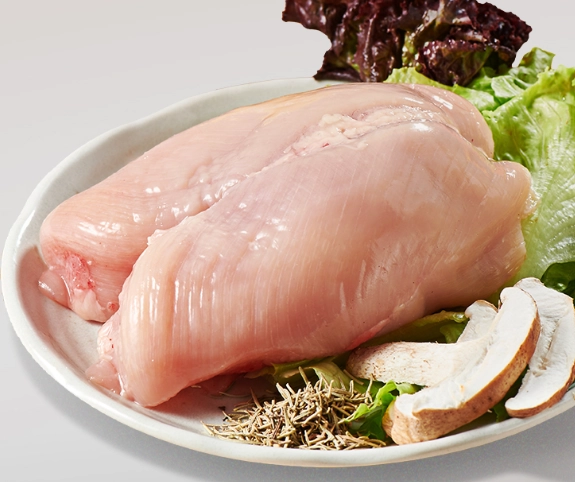
Thawing: The Right Way vs. The Risky Way
Thawing is where most people slip up. Never, ever leave chicken on the counter. The temperature danger zone (40°F to 140°F) allows bacteria to multiply rapidly. Use the fridge, cold water, or microwave. I prefer the fridge—it takes longer (about 24 hours for a pound), but it's foolproof. For cold water, submerge the sealed package and change water every 30 minutes. Cook immediately after thawing.
Expert Tip: If you're in a rush, cook frozen chicken breasts directly in a pan or oven, but add extra time and use a thermometer to ensure doneness. It's not ideal for texture, but it's safe.
Preparation Secrets Most Cooks Miss
Preparation isn't just about cutting. It's about setting up for success. I've learned this through trial and error.
To Pound or Not to Pound?
Pounding chicken breasts to an even thickness is a game-changer. It ensures even cooking. Use a meat mallet or a rolling pin between plastic wrap. Aim for about ½ inch thick. But here's a non-consensus view: pounding can sometimes make the meat too thin, leading to dryness. For thicker cuts, I butterfly them instead—slice horizontally without cutting all the way through, then open like a book.
The Marination Myth: What Really Works
Marinating doesn't tenderize as much as people think. Acidic marinades (like lemon juice) can actually toughen the surface if left too long. Salt-based brines are better for moisture. I use a simple brine: ¼ cup salt per quart of water, soak for 30 minutes to 2 hours. Rinse and pat dry. It makes a noticeable difference in juiciness.
Also, pat the chicken dry before cooking. Moisture causes steaming instead of browning.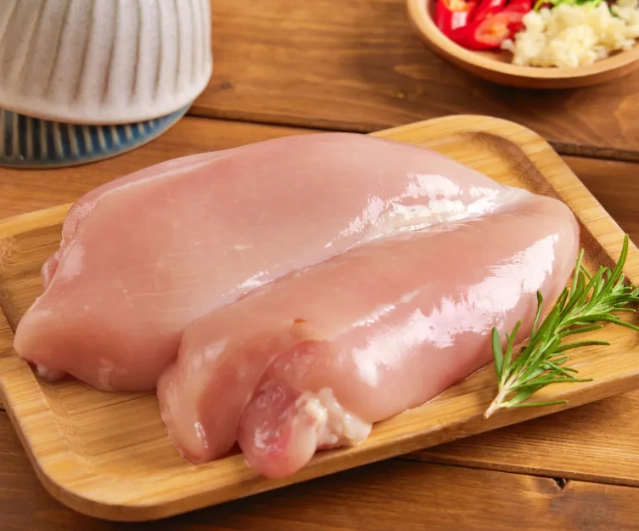
Cooking Methods That Guarantee Juicy Chicken
Now for the fun part. Cooking raw chicken breasts doesn't have to be intimidating. Each method has its perks.
Pan-Searing for a Crispy Exterior
Heat a skillet over medium-high heat with a bit of oil. Season the chicken generously. Cook for 5-7 minutes per side, depending on thickness. Use a thermometer—165°F internal temperature is key. Let it rest for 5 minutes. This method gives a nice crust and keeps juices locked in.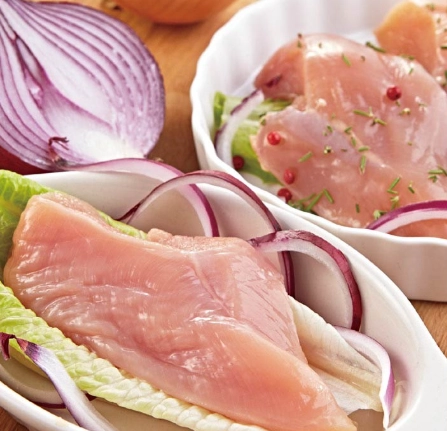
Oven-Baking for Hands-Off Perfection
Preheat oven to 400°F (200°C). Place chicken on a baking sheet, drizzle with oil, season. Bake for 20-25 minutes. I often add vegetables around it for a one-pan meal. The even heat of the oven cooks gently, reducing the risk of dryness.
Grilling: Tips for Outdoor Cooking
Grilling adds smoky flavor. Preheat grill to medium-high. Oil the grates to prevent sticking. Grill for 6-8 minutes per side. Avoid flipping too often. A common mistake: placing chicken directly over high flames, which chars the outside while leaving the inside raw. Use indirect heat if possible.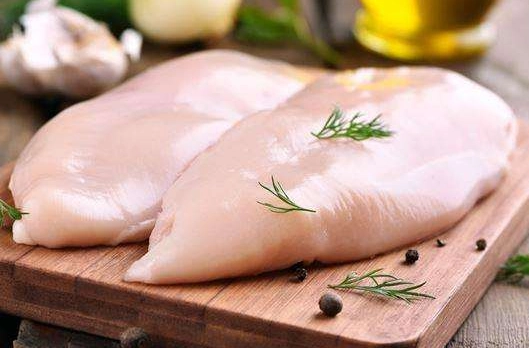
Here's a quick comparison table for cooking times (based on 6-ounce breasts, ½ inch thick):
| Method | Temperature | Approx. Time | Best For |
|---|---|---|---|
| Pan-Searing | Medium-High | 10-14 mins total | Quick weeknight meals |
| Oven-Baking | 400°F (200°C) | 20-25 mins | Hands-off cooking |
| Grilling | Medium-High | 12-16 mins total | Summer barbecues |
The Science Behind Dry Chicken (And How to Fix It)
Dry chicken is often due to protein strands tightening and squeezing out moisture. Overcooking accelerates this. But there's more: not resting the meat is a huge factor. When you cook, juices move to the center. Resting allows them to redistribute. Cut into it too soon, and all the juice spills out.
Another tip: cook to 160°F, then let it rest. The residual heat brings it to 165°F. This prevents overcooking. I learned this from a chef friend, and it changed my game.
Also, consider brining or using a marinade with oil, which coats the fibers and retains moisture.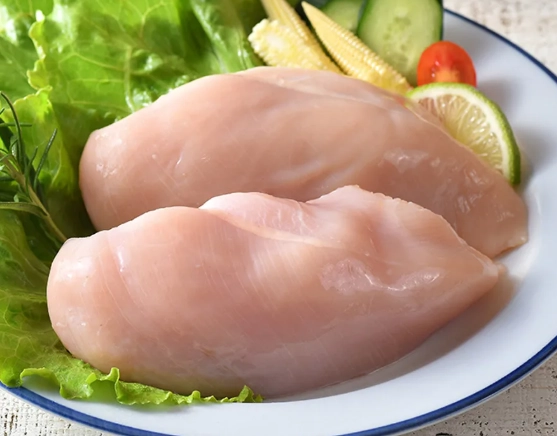
Quick and Simple Recipes to Try Tonight
Let's put this into practice. Here are two dead-easy recipes that never fail me.
Lemon-Herb Baked Chicken Breast: Preheat oven to 400°F. Mix 2 tbsp olive oil, juice of 1 lemon, minced garlic, and herbs like thyme. Coat 2 chicken breasts, bake for 20-25 minutes. Serve with roasted veggies.
Pan-Seared Chicken with Pan Sauce: Season chicken, sear in a skillet as described. Remove chicken, add ½ cup chicken broth and a splash of white wine to the pan. Scrape up browned bits, simmer until reduced. Pour over chicken.
These recipes highlight how simple techniques yield great results. No need for complicated steps.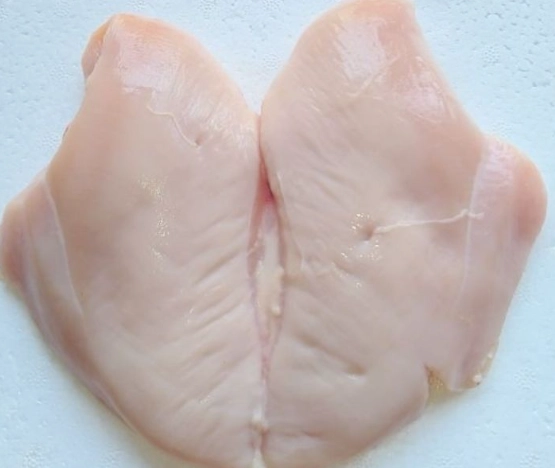
Your Burning Questions Answered
Raw chicken breasts don't have to be a mystery. With these tips, you can handle them confidently, cook them perfectly, and enjoy meals that are both safe and delicious. Start with safety, master the basics, and don't overcomplicate it. Happy cooking!
Related Articles