Your Ultimate Guide to Chicken Meat Cuts, Cooking & Nutrition
Let's talk about chicken. It's the world's most popular meat for a reason. It's affordable, versatile, and a lean source of protein. But here's the thing most blogs won't tell you: we often treat it as a boring, monolithic ingredient. "Chicken" isn't just chicken. A breast and a thigh are as different as a filet mignon and a beef chuck roast. Treat them the same, and you get dry, bland meals that make you wonder why you bother.
I've cooked professionally for over a decade, and I've seen every mistake in the book. The worst? Assuming all chicken meat cooks the same. This guide is here to fix that. We're going deep on every part of the bird—what it is, how to cook it, and the little tricks that make the difference between okay and outstanding.
What's Inside This Chicken Guide?
The Chicken Cuts Breakdown: A Butcher's Map
Think of a chicken like a project team. Each member has different strengths. You wouldn't ask your graphic designer to do heavy accounting. Don't ask a lean breast to behave like a fatty thigh.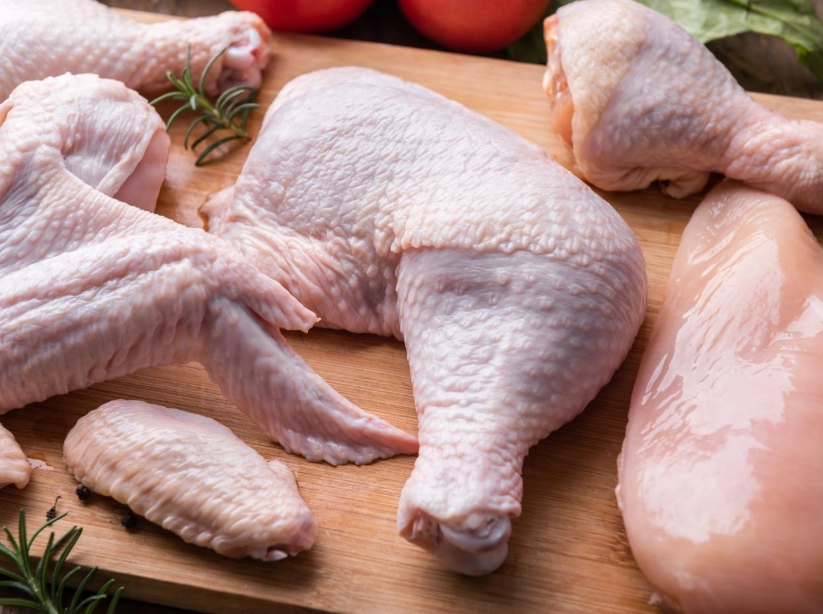
Here’s the definitive rundown. Prices are approximate and can vary wildly by region and whether it's organic, air-chilled, etc.
| Cut | Flavor & Texture | Best Cooking Methods | Price (per lb, approx.) | My Go-To Use |
|---|---|---|---|---|
| Breast (Boneless/Skinless) | Very mild, lean, prone to dryness. The canvas of the chicken world. | Pan-searing, grilling, baking (with care), poaching, slicing for stir-fries. | $4.50 - $8.00 | Meal prep lunches, chicken piccata, where a clean protein slate is needed. |
| Thigh (Bone-in, Skin-on) | Rich, juicy, forgiving. Fat under the skin bastes the meat. | Roasting, braising, grilling, frying. The "hard to mess up" cut. | $2.50 - $5.00 | Weeknight dinners. Crisp the skin in a pan, finish in the oven. Magic. |
| Thigh (Boneless/Skinless) | Juicy and flavorful, but less rich than skin-on. The meal-prep hero. | Everything. Skewers, stews, pan-fries, slow-cooker recipes. | $3.50 - $6.50 | Chicken curry, fajitas, diced for pasta sauces. It stays moist. |
| Drumstick | Dark meat, slightly more connective tissue, great "handle." | Baking, frying, braising, grilling. Kid-friendly and fun. | $1.50 - $3.50 | Big-batch oven baking with a sticky glaze. Party food. |
| Wing | Two parts: the drumette (meaty) and the flat (skinny). All about skin-to-meat ratio. | Frying, baking, air-frying, grilling. High heat is key for crisp skin. | $3.00 - $6.00 | Game day. Toss in baking powder before roasting for ultra-crispy skin. |
| Whole Bird | The full experience. White & dark meat, bones for stock. | Roasting, spatchcocking, breaking down for parts. | $1.50 - $5.00 | Sunday roast (spatchcocked for even cooking) or making homemade stock. |
| Tenders | Just a strip of the breast. Tender, but easy to overcook. | Quick pan-frying, breading for fingers, stir-fries. | $6.00 - $9.00 | Not my first choice—you pay a premium for butchery you can do yourself. |
See the pattern? Dark meat (thighs, legs) has more fat and connective tissue. It's built for longer, slower cooking and is incredibly forgiving. White meat (breast) is a precision operation. It has less fat, so there's no margin for error. That's the core concept most home cooks miss.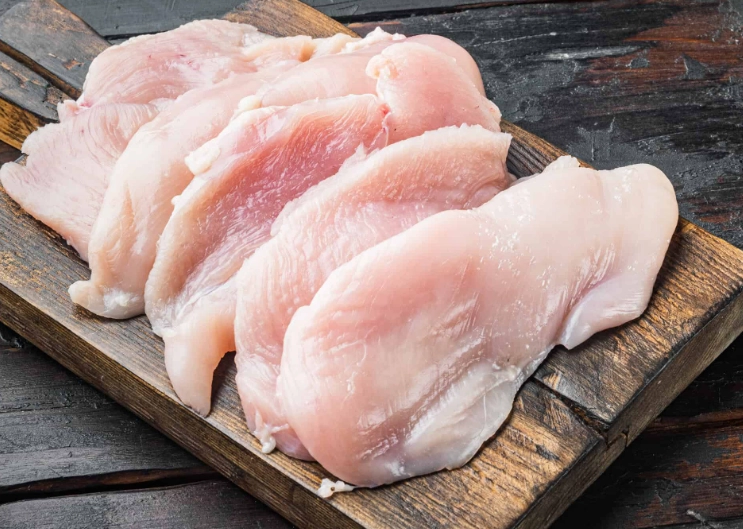
A Quick Word on "Air-Chilled" Chicken
You'll see this label more now. Traditional chicken is chilled in cold water, which can absorb 2-4% of its weight in water (you're paying for that water). Air-chilled birds are cooled with air. They're often more expensive, but the flavor is more concentrated, they brown better (less surface water), and there's less liquid pooling in the package. For a simple roast chicken or seared breast, it's worth the upgrade. For a heavily sauced stew, maybe not.
How to Cook Chicken Perfectly (Every Time)
This is where the magic—or the tragedy—happens. Let's get specific.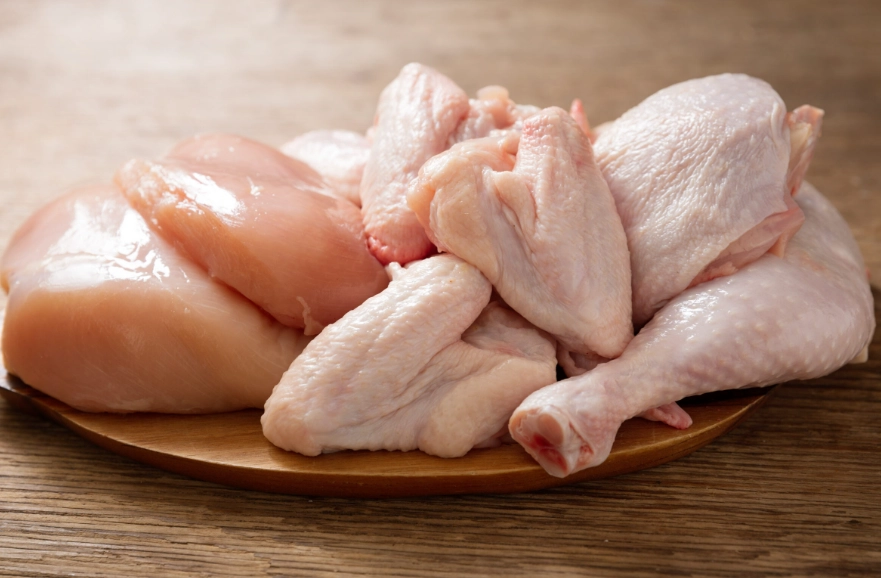
Conquering the Chicken Breast: The Dryness Problem
The number one complaint. You follow a recipe, bake it for 25 minutes, and it's like eating a kitchen sponge. Here's your new protocol, born from years of fixing dry breasts.
Step 1: Brine or Dry-Brine. This is non-negotiable for baking or grilling. A 30-minute soak in a 5% saltwater solution (about 1 tablespoon kosher salt per cup of water) seasons the meat all the way through and helps it retain moisture. No time? Pat the breast dry, sprinkle with salt, and let it sit on a rack in the fridge for an hour. This "dry-brine" works wonders.
Step 2: Cook to Temperature, NOT Time. Throw away the rule that says "20 minutes at 400°F." Ovens vary, breast sizes vary. Your new best friend is an instant-read digital thermometer. Target 155°F (68°C) in the thickest part. The temperature will rise to a safe 165°F (74°C) as it rests, keeping it juicy. If you don't have a thermometer, you're guessing. Stop guessing.
Step 3: Rest It. Let it sit for 5-10 minutes after cooking. This allows the juices, which have rushed to the center, to redistribute. Cutting immediately lets all that flavor pour right out onto your cutting board.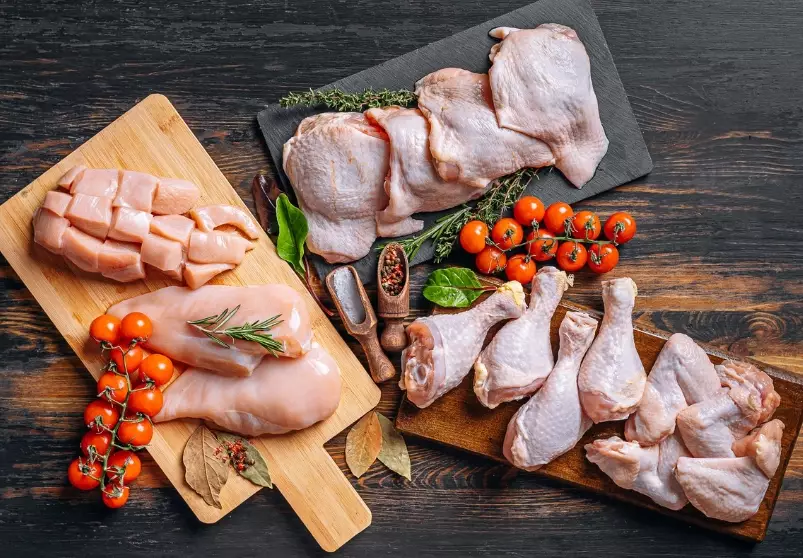
Unlocking the Flavor of Thighs and Drumsticks
With dark meat, the goal is to render the fat and break down connective tissue for fall-apart tenderness.
For crispy skin-on thighs: Start them skin-side down in a cold oven-safe pan. Turn the heat to medium. This slowly renders the fat, crisping the skin without burning. Once golden, flip, and throw the whole pan in a 400°F oven for 10-15 minutes to finish.
For braises and stews: Don't be shy. Brown the thighs well first. That fond (the browned bits in the pan) is pure flavor. Then let them simmer low and slow. They're almost impossible to overcook in liquid.
Nutrition, Buying, and Storing Like a Pro
Let's clear up the biggest nutrition debate: breast vs. thigh.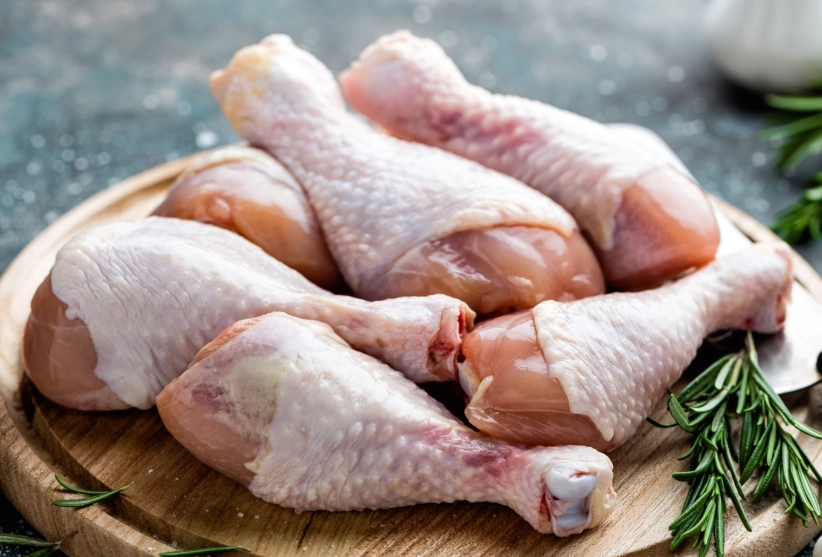
A 3-ounce cooked serving of skinless breast has about 165 calories, 3 grams of fat, and 31 grams of protein. The same serving of skinless thigh has about 200 calories, 9 grams of fat, and 25 grams of protein. So yes, breast is leaner. But the thigh's fat is mostly unsaturated. It also contains more iron and zinc.
My take? If you're on a strict fat-loss plan, breast is your tool. For general health, satiety, and culinary enjoyment, thighs are fantastic. The difference isn't huge enough to fear dark meat.
At the Store: What to Look For
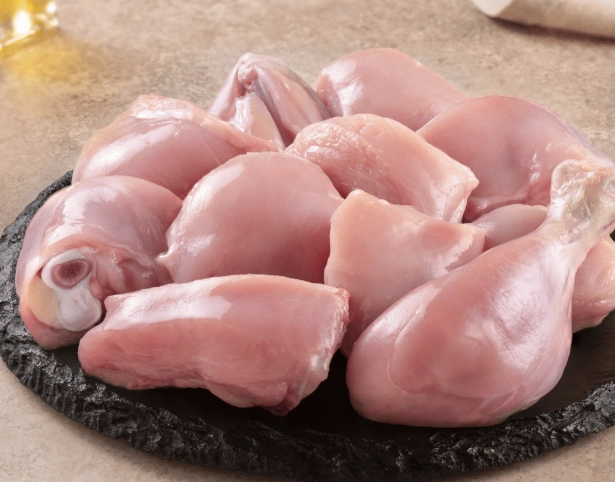
- Color: Fresh chicken can range from pink to yellowish, depending on diet. Avoid grayish hues.
- Packaging: Avoid packages with lots of bloody liquid pooling. The meat should look firm, not slimy.
- Sell-By Date: Give yourself at least 2-3 days to use it after purchase.
- Labels: "Natural" means nothing specific. "Organic" (USDA) has defined standards for feed and treatment. "No Antibiotics Ever" is a meaningful label if that's a concern.
Storage and Safety
Keep it cold. Store in the coldest part of your fridge (usually the back, bottom shelf) and use within 1-2 days of purchase, or freeze immediately. Thaw in the fridge, never on the counter. The USDA is the authority on safe cooking temperatures, and they recommend 165°F as the safe minimum for all poultry. As discussed, you can pull it at 155°F and let carryover heat do the rest safely.
Got a whole chicken you won't use? Break it down. It's easier than you think. Remove the legs, separate the thighs from drumsticks, remove the wings, and cut out the breast. You'll save money over buying parts, and you get the backbone for stock. A sharp knife and a 5-minute YouTube tutorial are all you need.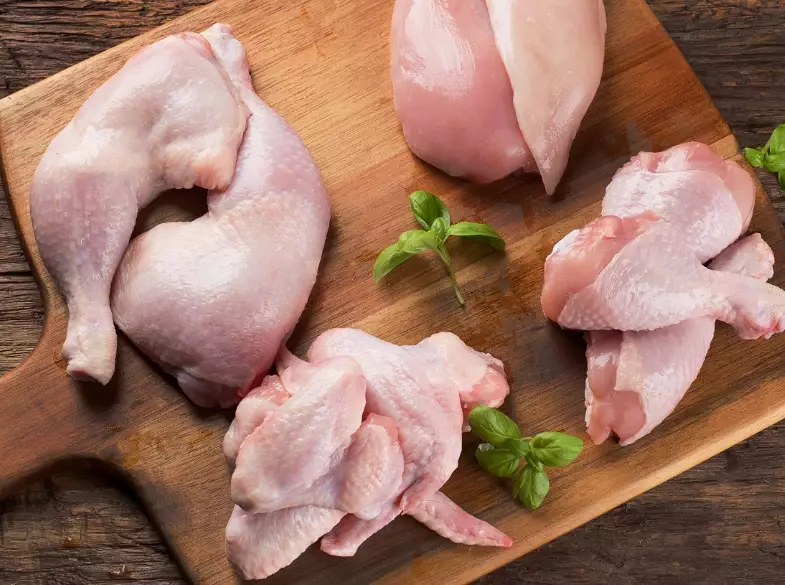
Your Top Chicken Questions, Answered
Chicken doesn't have to be boring or difficult. It's all about matching the cut to the job and respecting its nature. Grab some thighs for your next weeknight stir-fry, brine a breast for tomorrow's salad, and maybe even spatchcock a whole bird on the weekend. Once you start treating each part with the specific care it deserves, you'll never look at a package of chicken the same way again.
Related Articles
![Why is it considered [false] even though there is a contract and there is a tran](/images/870a5535509ff5816d8b14e19f68b56c.png "Why is it considered [false] even though there is a contract and there is a tran")