Your Guide to Chicken White Meat Cuts: Health & Cooking Tips
Let's cut straight to the chase. If you're looking at a whole chicken wondering what parts qualify as white meat, you're dealing with three main cuts: the breast, the tenderloin (which is part of the breast), and the wing meat. That's it. But knowing their names is just the start. The real value lies in understanding why these muscles are white, how their unique biology affects your cooking, and how to leverage their lean protein for healthier meals without ending up with a dry, disappointing dinner.
I've cooked hundreds, maybe thousands, of chicken breasts. I've also ruined my fair share by treating them like dark meat. The difference isn't just color—it's a fundamental lesson in muscle fiber, fat content, and heat management.
What’s Inside This Guide
The Simple Biology Behind White vs. Dark Meat
It all comes down to myoglobin, an oxygen-carrying protein in muscle. Muscles used for sustained activity (like walking or standing—the legs and thighs) need more oxygen, so they have more myoglobin, giving them a darker color. Muscles used for short bursts (like flapping wings—the breast) need less, so they're lighter. This isn't just trivia. Dark meat has more fat and connective tissue because those active muscles need energy reserves. White meat is leaner and cooks faster, which is precisely why it's so easy to overcook.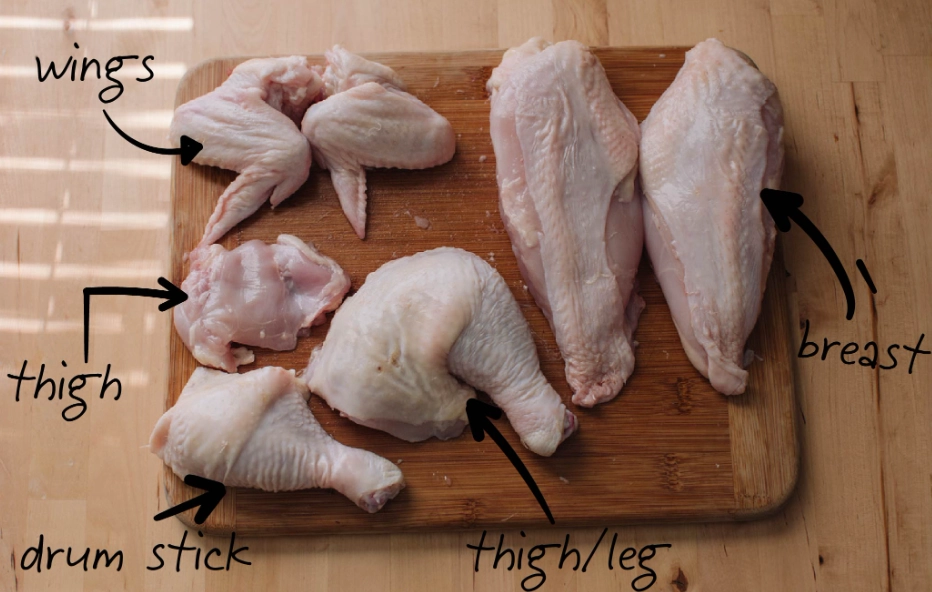
Most people get this wrong. They think white meat is just "healthier" and dark meat is "juicier," but they miss the cooking implications. Treating a chicken breast like a thigh is a one-way ticket to tough town.
The Three White Meat Cuts: A Detailed Breakdown
Here’s a closer look at each piece, moving beyond the basic labels.
1. The Chicken Breast
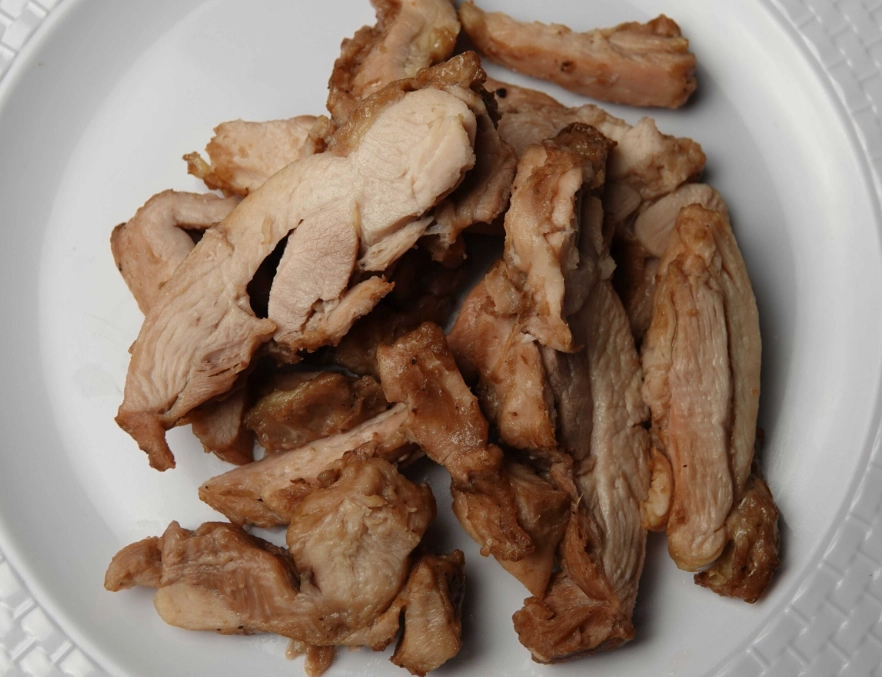
The flagship of white meat. It's the large, broad muscle on either side of the breastbone. You'll find it sold bone-in, bone-out, skin-on, or skinless. The skin-on version has more fat, which helps with basting, but the meat itself is incredibly lean. A single 3-ounce cooked serving of skinless breast packs about 26 grams of protein and only 3 grams of fat, according to USDA data. Its texture is firm and holds shape well, but its low fat content means it has almost no margin for error in cooking.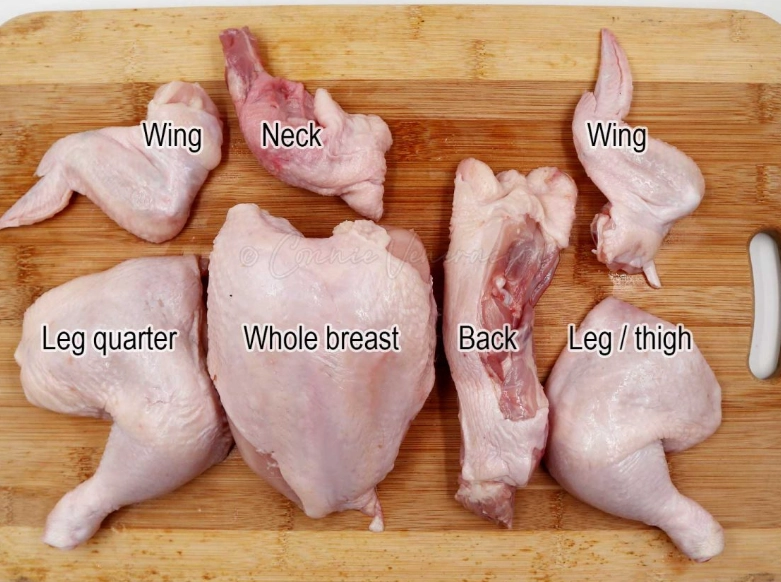
2. The Chicken Tenderloin (or Tender)
This is the small, strip-like muscle that lies underneath the main breast muscle, attached to it. It's often removed and sold separately. It's the most tender part of the entire bird because it does the least work. Think of it as the filet mignon of the chicken. It's perfect for quick-cooking methods like stir-fries, skewers, or dishes where you want bite-sized, tender pieces. Because it's so small and lean, it goes from perfect to overcooked in about 60 seconds.
3. The Wing Meat (Specifically, the Two Smaller Segments)
This is the one that surprises people. The meat from the mid-joint (the flat) and the tip (which is usually discarded) is technically white meat. The drumette (the part that looks like a mini drumstick) also has white meat, though it's a bit darker due to slightly more connective tissue. When you eat "chicken wings," you're mostly eating white meat. The high skin-to-meat ratio is what makes them so flavorful and seemingly juicy—it's the fat from the skin doing the work, not the meat itself.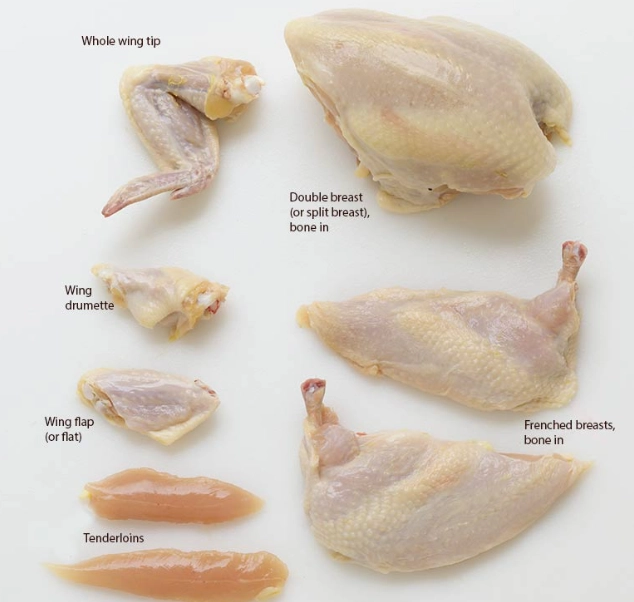
| Cut | Key Characteristics | Best For | Biggest Cooking Mistake |
|---|---|---|---|
| Breast | Lean, large, firm texture, versatile. | Grilling, baking, pan-searing, slicing for salads/sandwiches. | Not pounding it even. Cooking at too high a heat straight through. |
| Tenderloin | Extremely tender, small, cooks very fast. | Stir-fries, skewers, piccata, kid-friendly meals. | Overcooking. They need seconds, not minutes. |
| Wing Meat | White meat with high skin coverage. | Frying, baking, buffalo wings. | Not rendering the skin fat properly, leaving it flabby. |
How to Cook White Meat Chicken Perfectly (Every Time)
The universal rule for white meat: use high heat to create flavor (sear, grill marks) but moderate, controlled heat to cook through. You cannot blast a chicken breast with high heat from start to finish.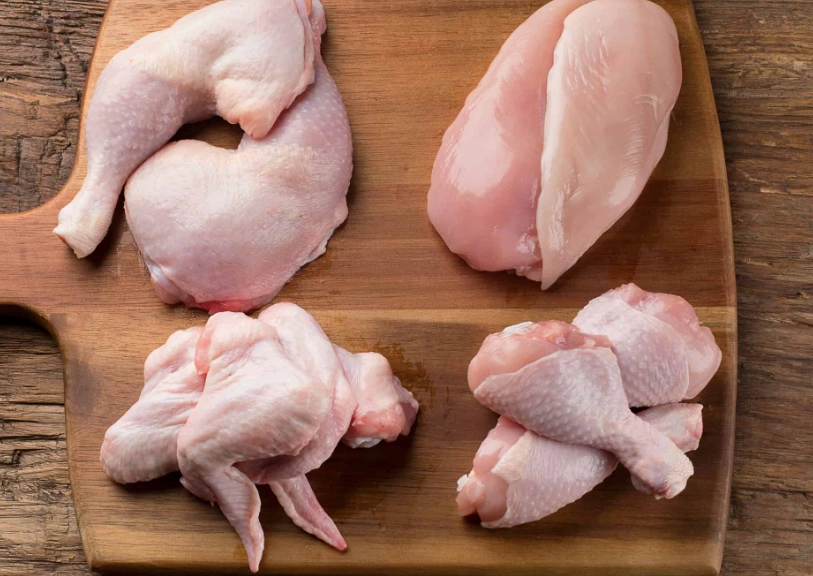
For Pan-Searing Breast or Tenders: Get your pan hot. Add oil. Sear one side until golden brown. Flip, then immediately reduce the heat to medium-low. Add a pat of butter and maybe a splash of broth or wine to the pan. Cover it loosely with a lid or foil. This creates a mini-oven, allowing the inside to cook gently with steam while the exterior stays crisp. This method, a quick sear followed by a gentle steam-finish, is a game-changer.
The Brining or Wet-Brine Shortcut: Soaking white meat in a simple saltwater solution (1/4 cup kosher salt per 4 cups water) for 30 minutes to 2 hours before cooking helps the meat retain significantly more moisture. For more flavor, use buttermilk as your brine base—the acidity also helps tenderize slightly.
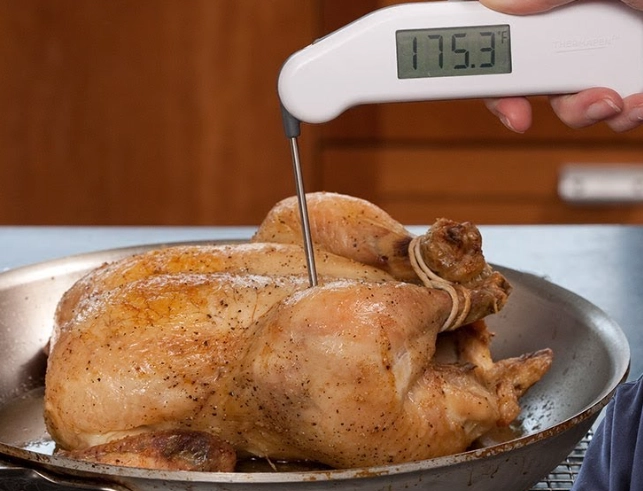
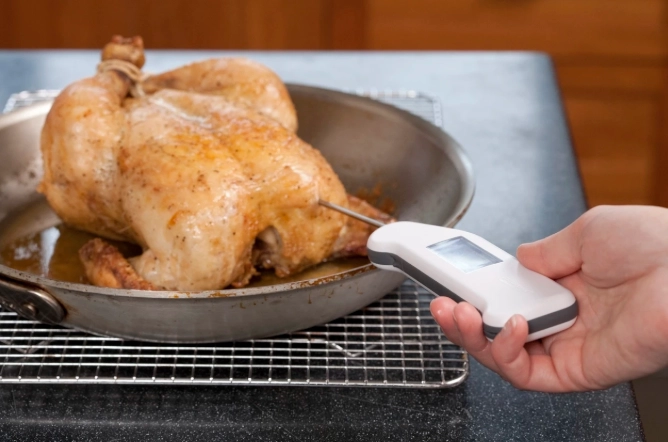
The Temperature is Non-Negotiable: Use a digital instant-read thermometer. Pull white meat off the heat at 155-160°F (68-71°C). The residual heat will carry it to the safe 165°F (74°C) as it rests. Let it rest for 5-10 minutes. Cutting in early lets all the juices you worked so hard to keep just run out onto the cutting board.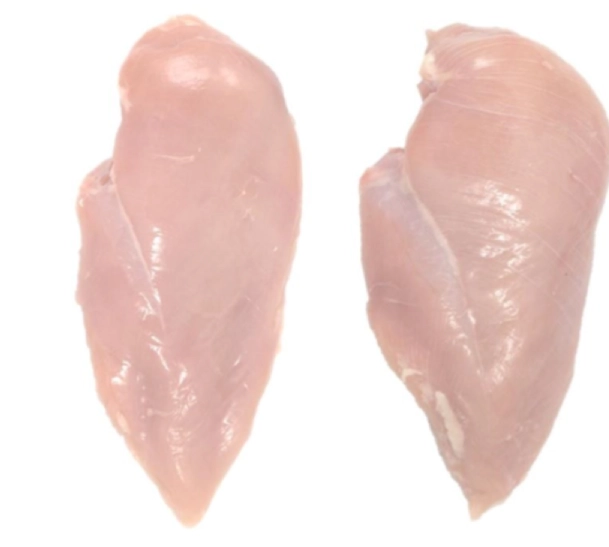
Health & Nutrition: The Protein Powerhouse
White meat chicken is a cornerstone of lean protein diets for good reason. Its high protein-to-fat ratio supports muscle repair, satiety (feeling full), and metabolic health. Compared to dark meat, skinless white meat has about half the saturated fat.
But here's the nuanced view: if you're eating skin-on dark meat versus skinless white meat, the nutritional gap narrows. The skin is where a huge amount of the fat resides. Also, dark meat contains more iron, zinc, and some B vitamins. So, while white meat is the lean protein champion, dark meat isn't a villain—it's about context and portion.
For maximum health benefits, focus on skinless preparations and pair your white meat with plenty of vegetables and whole grains. A grilled chicken breast over a massive salad is more than just a diet meal—it's a nutrient-dense power plate.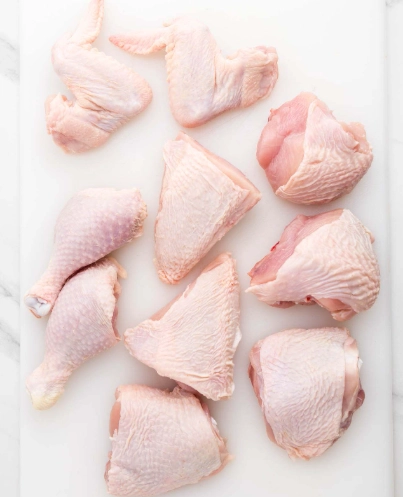
Your White Meat Questions, Answered
Related Articles