Is Chicken Gluten-Free? Your Complete Guide to Safe Eating
Let's cut to the chase. If you're holding a plain, raw chicken breast, the answer is a resounding yes, chicken is gluten-free. Chicken, in its natural state, is a pure protein source with no connection to gluten, which is a protein found in wheat, barley, and rye.
But here’s the catch that most beginners miss, and it’s the reason you’re reading this guide. The statement "chicken is gluten free" is only the first sentence of a much longer story. The real challenge isn't the chicken itself; it’s everything we do to it before it hits our plates. I learned this the hard way years ago when a seemingly innocent "herb-marinated" grilled chicken at a BBQ triggered a reaction. The chicken was fine. The marinade was not.
This guide is for anyone navigating a gluten-free diet, whether due to celiac disease, gluten sensitivity, or personal choice. We’ll move beyond the basic yes/no and dive into the practicalities of keeping your chicken meals safe, delicious, and stress-free.
What You’ll Learn in This Guide
Where Gluten Hides: It’s Rarely the Chicken Itself
Think of gluten as a sneaky contaminant. The chicken breast is the blank canvas. Gluten comes from the artists (or, in this case, the cooks and manufacturers). Here are the four main culprits:
1. Marinades, Sauces, and Seasonings
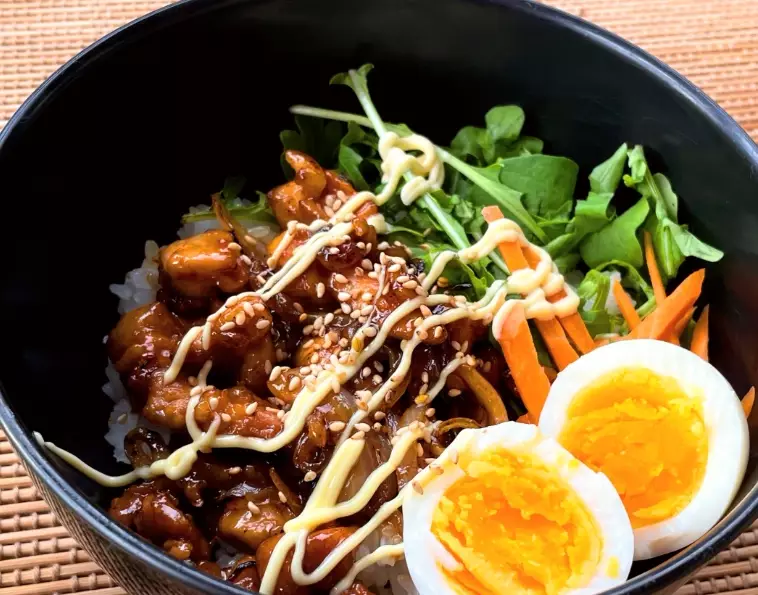
This is the biggest trap. Soy sauce, teriyaki sauce, many BBQ sauces, and certain spice blends use wheat as a thickener or filler. That "pre-marinated lemon herb" chicken from the grocery store? You must read the label. Words like "hydrolyzed wheat protein," "malt vinegar," or "natural flavors" (which can be grain-derived) are red flags.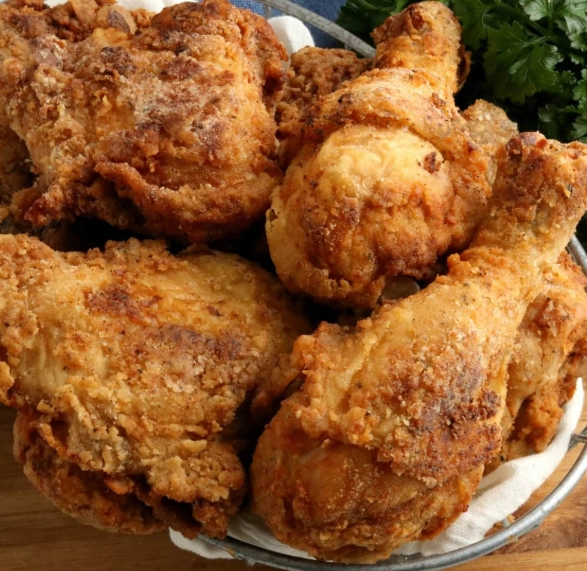
2. Breading and Battering
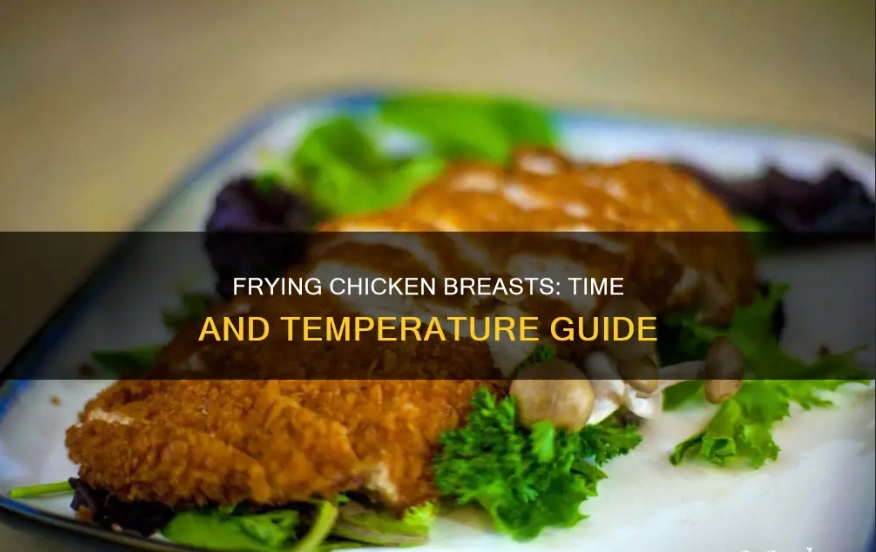
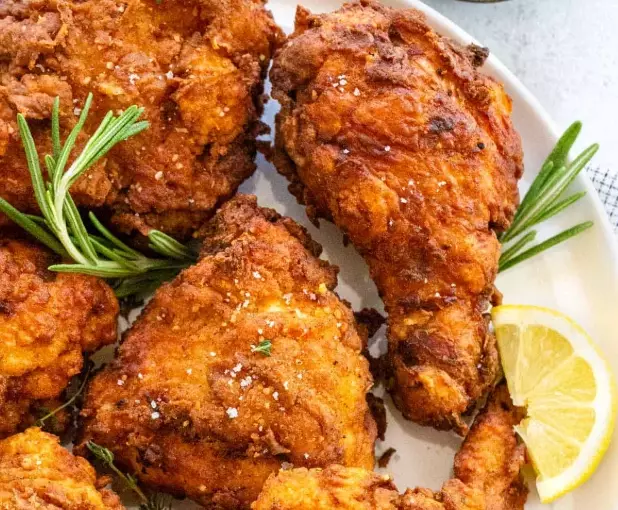
This one's obvious—fried chicken, chicken parmesan, chicken nuggets. The crispy coating is almost always wheat-based flour. The solution isn't to avoid these foods forever, but to learn the gluten-free alternatives for making them at home.
3. Cross-Contamination During Cooking
This is the silent threat. It happens when gluten-free chicken touches surfaces, utensils, or oils that have been used for gluten-containing foods. Examples include:
- A grill that just cooked a beer-marinated steak.
- A fryer that's used for both french fries (often safe) and breaded mozzarella sticks (not safe).
- A cutting board or knife used on regular bread before slicing your cooked chicken.
For someone with celiac disease, this level of contamination is enough to cause a reaction.
4. Processed Chicken Products
Chicken sausage, deli slices, chicken burgers, and canned chicken can contain gluten as a binder or filler. Again, the label is your best friend.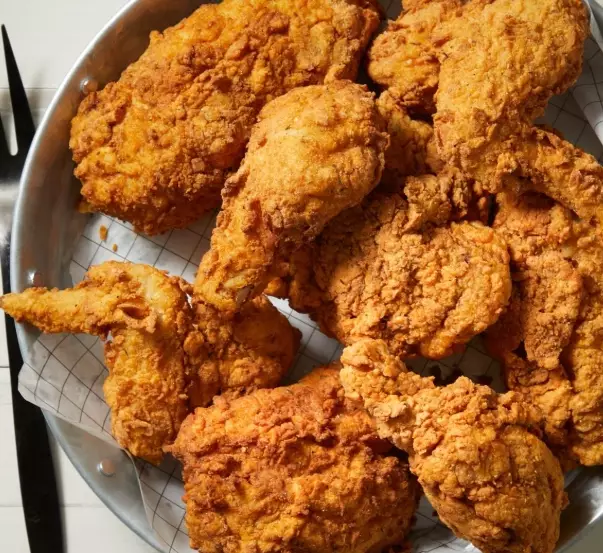
How to Shop for Gluten-Free Chicken: A Supermarket Checklist
Navigating the meat aisle with confidence is half the battle won. Follow this simple checklist:
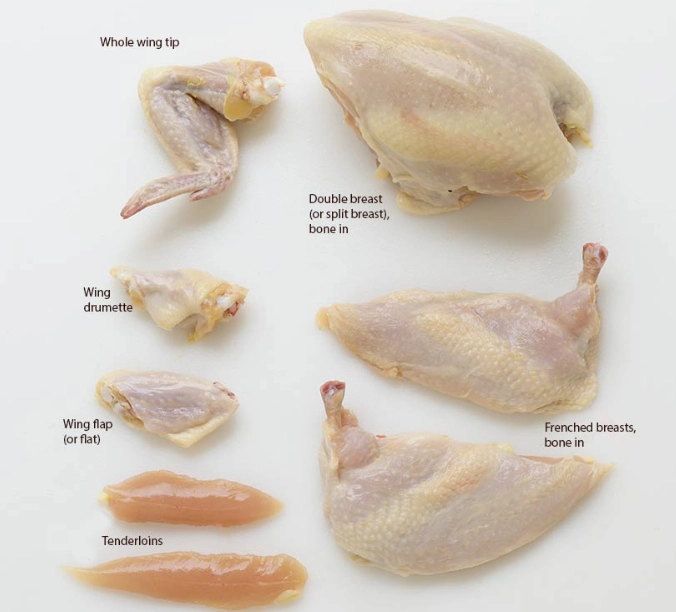
- Choose Plain: Your safest bet is always plain, fresh, or frozen chicken breasts, thighs, wings, or a whole bird with no added ingredients. The label should list only "chicken."
- Decode the Label: For any packaged product (marinated, pre-cooked, etc.), look for a certified "Gluten-Free" label from a recognized organization. In the US, the FDA's rule (less than 20ppm gluten) applies to foods carrying this claim.
- Beware of "Natural" Claims: The term "natural" has no legal definition regarding gluten. A "natural flavor" could be derived from a gluten grain. Ignore this word and look for the gluten-free certification or a clear allergen statement.
- Know the Risky Aisles: Be extra vigilant in the prepared foods section (rotisserie chickens often have questionable seasoning), the deli counter (where slicers are shared), and the frozen foods aisle (frozen breaded chicken products).
Your Safe Kitchen: How to Cook Gluten-Free Chicken at Home
Your home kitchen is your fortress. Here’s how to make it a 100% safe zone for gluten-free chicken cooking.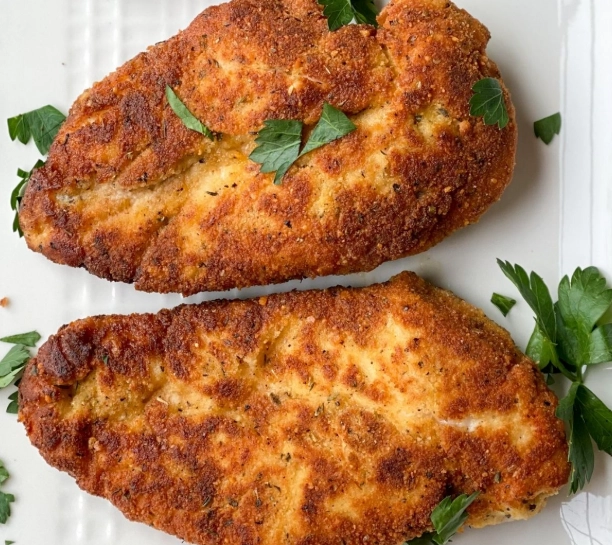
Step 1: Dedicate and Clean
If your household isn't entirely gluten-free, consider having dedicated utensils for gluten-free cooking, especially porous items like wooden spoons and cutting boards. Always give surfaces a thorough wipe-down before preparing your meal. A common mistake is toasting gluten-free bread in a toaster that's full of regular bread crumbs—the same principle applies to cookware.
Step 2: Stock Your Gluten-Free Pantry
Replace common gluten-containing ingredients with these staples:
- Flour: Rice flour, cornstarch, almond flour, or a pre-mixed gluten-free all-purpose blend (like Bob's Red Mill or King Arthur) for breading and thickening.
- Soy Sauce Alternative: Tamari (ensure it's labeled gluten-free, as some contain wheat) or coconut aminos.
- Broths & Stocks: Many canned or boxed broths contain gluten. Look for brands like Swanson that clearly label their gluten-free varieties, or make your own.
- Condiments: Mustard, pure mayonnaise, and most hot sauces are typically safe, but check labels on specialty mustards and BBQ sauces.
Step 3: Master the Cooking Methods
Baking, grilling, sautéing, and slow-cooking are all fantastic for chicken. When frying, use a dedicated pot of oil that has never been used for gluten-containing foods. An air fryer is a great investment for getting a crispy texture without the cross-contamination risks of a shared deep fryer.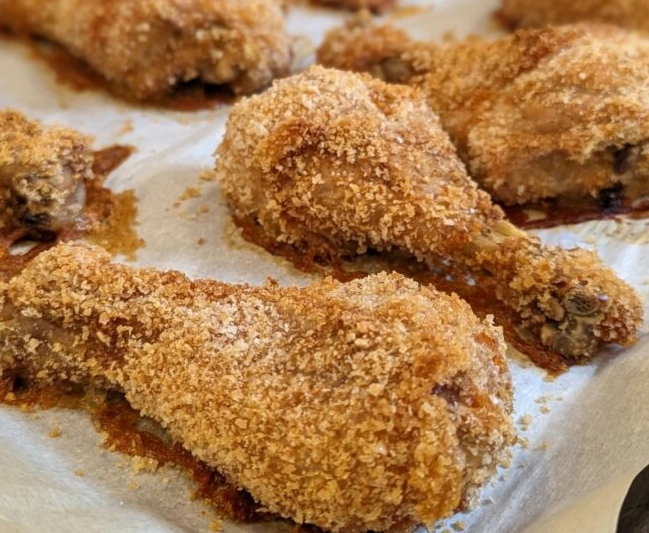
Ordering Chicken at a Restaurant Without the Anxiety
Eating out is where your knowledge gets tested. Be polite but precise. Here’s a script I use:
"Hi, I need to order gluten-free due to a medical condition. I'm interested in the grilled chicken. Can you tell me if it's marinated, or if any flour is used on it before grilling? Also, can it be cooked on a clean part of the grill? Thank you."
Specify the medical condition—it makes staff take it more seriously than just a "preference." Opt for simpler dishes like grilled chicken with steamed vegetables or a salad (ask for no croutons, and bring your own dressing if you're highly sensitive).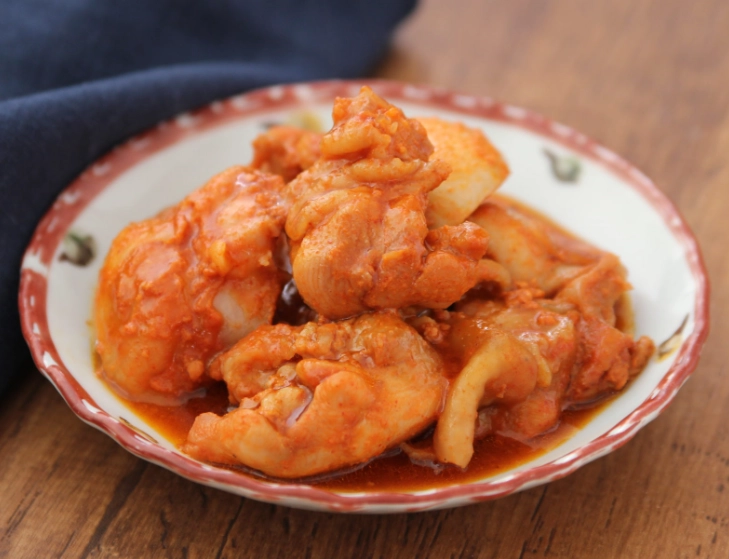
3 Simple Gluten-Free Chicken Recipes to Start With
Here are three foundational recipes that prove gluten-free eating is anything but boring. They focus on whole foods and are nearly impossible to mess up.
| Recipe | Key Ingredients | Why It's Foolproof |
|---|---|---|
| 1. One-Pan Lemon Herb Roasted Chicken & Veggies | Chicken thighs, potatoes, carrots, olive oil, fresh lemon, rosemary, thyme, garlic. | No sauces or thickeners needed. The chicken juices and herbs create their own incredible flavor. Just chop, toss, and roast. |
| 2. Crispy Gluten-Free Pan-Fried Chicken Cutlets | Chicken breasts, gluten-free flour blend, eggs, gluten-free panko breadcrumbs, avocado oil. | Uses a standard breading procedure with safe substitutes. The key is a hot pan and not overcrowding it. Gets you that classic fried chicken texture at home. |
| 3. 5-Ingredient Slow Cooker Salsa Chicken | Chicken breasts, jar of gluten-free salsa (check label!), taco seasoning (certified GF), lime. | The ultimate set-it-and-forget-it meal. Shreds perfectly for tacos (on corn tortillas), salads, or rice bowls. The salsa does all the work. |
Start with the roasted chicken. It requires the least amount of label-checking and builds your confidence.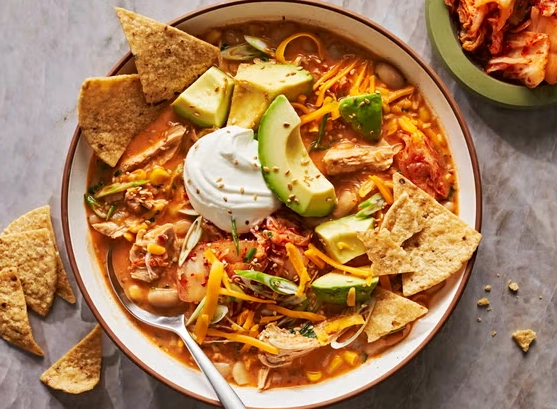
Your Gluten-Free Chicken Questions, Answered
Is all chicken naturally gluten-free?
Plain, raw chicken meat is naturally gluten-free. The concern starts with how it's prepared. Marinades, sauces, breading, frying oil, and even shared cooking surfaces can introduce gluten. Always check labels on pre-marinated or processed chicken products.
What should I look for when ordering chicken at a restaurant to ensure it's gluten-free?
Be specific and ask layered questions. Don't just ask if a dish is gluten-free. Ask: Is the chicken marinated? Is it dusted with any flour before grilling? Is it fried in a dedicated fryer? Are the sauces made in-house, and can you verify the ingredients? Mention you have a serious intolerance or celiac disease to emphasize the need for caution.
Can I eat fried chicken on a gluten-free diet?
Traditional fried chicken is not gluten-free due to wheat-based breading. However, you can make excellent gluten-free fried chicken at home using alternatives like rice flour, cornstarch, or certified gluten-free panko. The bigger issue in restaurants is cross-contamination from shared fryers used for breaded foods.
Are there any pre-packaged chicken products that are reliably gluten-free?
Many are, but you must read labels every time. Look for brands that clearly label "gluten-free" and have a dedicated facility or stringent protocols. Plain frozen chicken breasts or thighs with no additives are usually safe. Be extremely cautious with flavored, pre-cooked, or deli-style chicken slices, as these often contain gluten as a binder or flavoring agent.
The journey to confidently knowing your chicken is gluten-free is about shifting your focus. It’s less about the protein itself and more about the ecosystem it travels through—from the factory, to the store, to the kitchen, to your plate. Arm yourself with label-reading skills, clear communication strategies, and a handful of solid recipes. Chicken can absolutely be a safe, delicious, and versatile cornerstone of your gluten-free diet. You just have to know where to look.
Related Articles