Chicken Tenderloin Protein: The Ultimate Guide to Nutrition & Cooking
Quick Guide
- What Exactly Is a Chicken Tenderloin?
- Chicken Tenderloin Protein: The Hard Numbers
- Why Choose Chicken Tenderloin Protein? The Benefits Beyond the Numbers
- The Biggest Challenge: How to Cook It Without Drying It Out
- Buying and Storing: Getting the Best Quality
- Common Questions About Chicken Tenderloin Protein
- Putting It All Together: A Simple, High-Protein Meal Idea
Let's talk about chicken tenderloin protein. You've probably seen them at the store, maybe picked up a pack thinking they'd be a quick, healthy dinner option. I know I have. They sit there next to the breasts and thighs, looking a bit... unassuming. But if you're trying to eat more protein, especially lean protein, these little strips are worth a second look. I used to just grab chicken breast and call it a day, thinking it was the undisputed king of lean protein. Then I started paying closer attention to tenderloins, and honestly, I was surprised by what I found.
This isn't just another dry, boring nutrition lecture. We're going to dig into what makes chicken tenderloin protein a standout, how it stacks up against other parts of the bird (spoiler: it holds its own), and most importantly, how to cook it so it doesn't turn into a tasteless, rubbery mess. Because what's the point of great nutrition if the food isn't enjoyable to eat?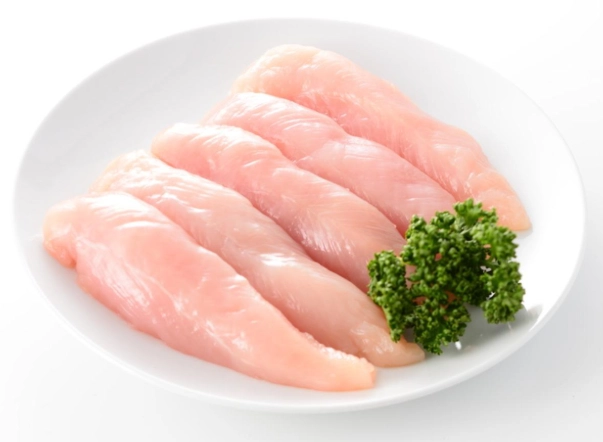
The Core Fact: When people search for information on chicken tenderloin protein, they're usually looking for two things: hard numbers and practical advice. They want to know exactly what they're putting in their body and how to make it taste good. This guide is built to answer both.
What Exactly Is a Chicken Tenderloin?
First things first, let's clear up any confusion. The tenderloin is that small, slender muscle that lies underneath the main breast muscle. It's attached by a thin layer of connective tissue. Butchers often remove it and sell it separately. It's the most tender part of the chicken (hence the name), because it does the least work.
Think of it as the chicken's equivalent of a filet mignon. It's smaller, more delicate, and cooks much faster than a full breast. This is a double-edged sword. The fast cooking is great for weeknights, but it also means you can overcook it in the blink of an eye. I've definitely turned a few into shoe leather by getting distracted for just a minute too long.
Now, here's where some store-bought labeling gets tricky. Sometimes packages are labeled "chicken tenders." This can mean the actual tenderloin. But often, especially in frozen foods or prepared items, "chicken tenders" are strips cut from a regular breast that are breaded and fried. Not the same thing at all from a nutrition or cooking standpoint. We're talking about the raw, unadorned tenderloin muscle itself.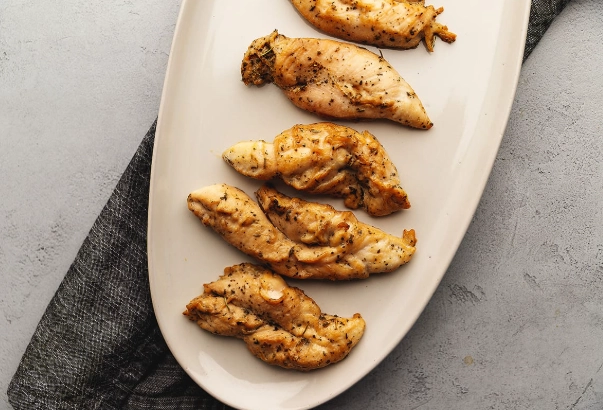
Chicken Tenderloin Protein: The Hard Numbers
Alright, let's get to the data. This is why you're really here. How much protein are we actually talking about?
The most reliable source for this kind of information is the USDA's FoodData Central database. According to their standard reference, a 3-ounce (roughly 85-gram) serving of raw, skinless chicken tenderloin contains about 17 to 18 grams of protein. Once cooked, that weight shrinks due to water loss, but the protein content remains concentrated. A cooked 3-ounce serving will still deliver that 17-18 gram protein punch, sometimes a gram or two more depending on cooking method.
But protein isn't the whole story. Let's look at the complete nutritional profile per 3oz (85g) raw serving, based on USDA data:
| Nutrient | Amount | % Daily Value (Est.) |
|---|---|---|
| Calories | ~90-100 kcal | 5% |
| Protein | 17-18 g | 34% |
| Total Fat | 1-1.5 g | 2% |
| Saturated Fat | 0.3 g | 1% |
| Cholesterol | ~45 mg | 15% |
| Sodium | ~40 mg (natural) | 2% |
| Niacin (B3) | ~7.5 mg | 47% |
| Selenium | ~12 mcg | 22% |
See what stands out? The fat content is incredibly low. This is a genuinely lean source of protein. The cholesterol is moderate, and it's a powerhouse for Niacin (Vitamin B3), which is crucial for energy metabolism and nervous system health. The sodium value listed is the natural sodium content in the meat itself. Watch out if you're buying pre-marinated or "solution-added" tenderloins, as those can have sodium levels through the roof.
 So, is it worth it? For pure protein density with minimal fat, absolutely.
How Does It Compare? The Protein Showdown
You might be wondering how chicken tenderloin protein stacks up against other popular choices. Is breast still better? What about thigh? Let's put them side-by-side for a cooked, 3-ounce serving.
Chicken Breast (skinless): The classic. It typically has about 26 grams of protein. Clearly higher. But it's also a larger, denser piece of meat. Gram for gram, the protein percentage is very similar, but the breast wins on total protein per piece because there's simply more meat.
Chicken Thigh (skinless, boneless): This is where it gets interesting. A thigh has about 19-20 grams of protein in a 3oz serving. Surprisingly close! But thighs have around 9-10 grams of fat, giving them more flavor and juiciness, but also more calories. It's a trade-off between leanness and taste/moisture.
Ground Chicken (93% lean): Around 18-19 grams of protein, but fat content can vary wildly depending on the lean/fat ratio. It's versatile but often includes dark meat and skin.
My take? The tenderloin's real competition is the breast. The breast gives you more total protein per piece. The tenderloin offers the same lean quality in a smaller, more convenient, and naturally more tender package. If you're cooking for one or two, or you want portion-controlled pieces that cook evenly and quickly, the protein in chicken tenderloin is a fantastic option. If you're meal-prepping for the week and want maximum protein yield from your purchase, a whole breast might be more efficient.
Why Choose Chicken Tenderloin Protein? The Benefits Beyond the Numbers
It's not just about grams on a label. Here's why focusing on chicken tenderloin protein can be a smart move for your diet.
Muscle Building & Repair: This is the obvious one. Protein provides the amino acids your body needs to repair tissues and build muscle. After a workout, a meal with a high-quality protein source like chicken tenderloin helps kickstart recovery. The protein in chicken tenderloin is a "complete" protein, meaning it contains all nine essential amino acids your body can't make on its own.
Weight Management: High-protein foods are incredibly satiating. They help you feel full longer, which can curb snacking and reduce overall calorie intake. The low fat and calorie count of tenderloins make them a staple in many weight loss plans. You get a lot of satisfying food for not a lot of calories.
Metabolic Health: Replacing refined carbs with lean protein can help stabilize blood sugar levels. Resources like the Harvard T.H. Chan School of Public Health often highlight the importance of lean protein sources for long-term health, noting their role in maintaining muscle mass and metabolic rate as we age.
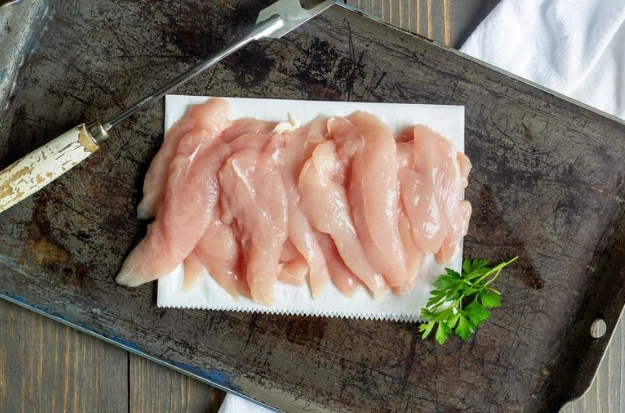
Convenience: This is a huge one that doesn't get enough credit. Tenderloins are naturally portion-sized. No trimming, no slicing. You take them out of the pack, maybe give them a quick pat dry, and they're ready to cook. On a busy Tuesday night, that's a lifesaver.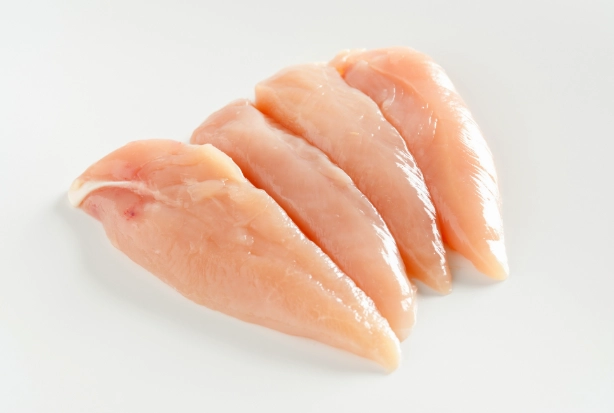
Practical Tip: Because they are so lean, the protein in chicken tenderloin can sometimes lack flavor compared to darker meat. This isn't a flaw—it's a blank canvas. It forces you to use herbs, spices, and good cooking techniques. See it as an opportunity to get creative in the kitchen.
The Biggest Challenge: How to Cook It Without Drying It Out
Here's the real talk. The number one complaint about lean chicken like tenderloin is that it's dry and bland. I've been there. You follow a recipe for chicken breast, use the same time, and end up with overcooked strips. The key is to respect their size and lack of fat.
Top Cooking Methods for Juicy Tenderloins
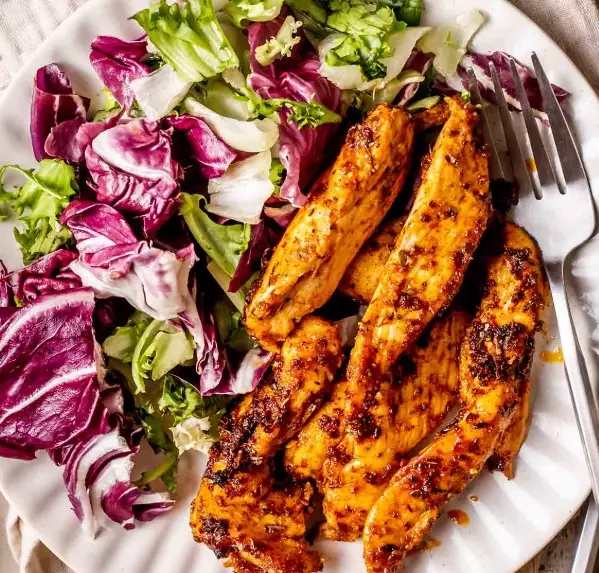
Pan-Searing/Sautéing: This is my go-to for a quick dinner. Heat a bit of oil in a skillet over medium-high heat. Pat the tenderloins dry (crucial step for a good sear!), season generously. Cook for 2-3 minutes per side. That's it. They cook so fast. The goal is a golden-brown exterior and just-cooked-through interior. Use a meat thermometer if you're unsure—aim for 165°F (74°C) at the thickest part.
Baking/Roasting: Great for hands-off cooking. Preheat your oven to 400°F (200°C). Place tenderloins on a baking sheet, drizzle with oil and seasoning. Bake for 10-15 minutes. Seriously, set a timer. Check at 10 minutes. Because of their uniform size, they cook evenly and quickly.
Grilling: Perfect for summer. Because they are small, they can fall through grill grates. Use a grill basket or skewers. High heat, 3-4 minutes per side. Brush with a marinade or sauce in the last minute to prevent burning.
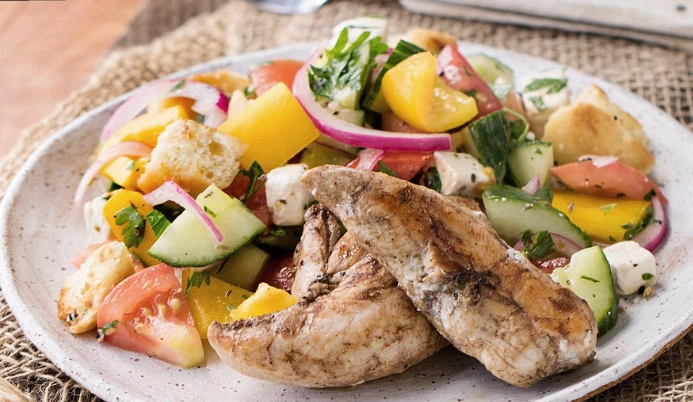
Poaching: An underrated method for ultimate juiciness. Simmer them gently in broth or seasoned water for 6-8 minutes. This keeps all the moisture locked in. Perfect for adding to salads or shredding for sandwiches.
The Method I Don't Love: Slow cooking. Honestly, I find they turn out mushy and overcooked in a slow cooker unless you're adding them in the last 30 minutes of cooking. They just don't have the connective tissue that benefits from long, slow braising.
Marinades, Brines, and Seasonings: Your Best Friends
Since chicken tenderloin protein is so lean, it needs help in the flavor department. A simple 30-minute marinade makes a world of difference.
- Basic Marinade: Olive oil, lemon juice, minced garlic, salt, pepper, and a herb like rosemary or thyme.
- Asian-Inspired: Soy sauce (low-sodium), sesame oil, grated ginger, a touch of honey.
- Yogurt-Based: Plain Greek yogurt, cumin, paprika, garlic powder. The yogurt tenderizes slightly and helps seasoning cling.
A quick brine (soaking in saltwater for 15-30 minutes) can also work wonders for moisture retention. Dissolve 1 tablespoon of salt in 2 cups of water, submerge the tenderloins, then pat dry before cooking.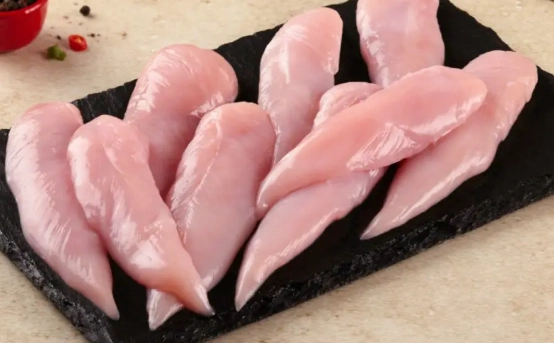
Buying and Storing: Getting the Best Quality
Not all packs are created equal. Here’s what to look for:
Color & Smell: The meat should be pinkish-white, not gray or yellow. It should have a mild, fresh smell. Any sour or off odor is a hard pass.
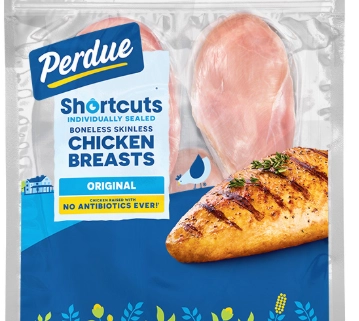
Packaging: Check for excessive liquid in the tray. A little is normal, but a pool of liquid often means the meat has been pumped with a water-salt solution ("enhanced" or "contains up to X% solution"). This plumps it up for weight but can make it soggy and salty when cooked. I personally avoid these and look for "all-natural" or "no solutions added."
Storage: Use or freeze by the "use-by" date. For freezing, separate them with parchment paper in a freezer bag so you can grab just what you need. They'll keep for up to 9 months frozen but are best within 3-4.
Common Questions About Chicken Tenderloin Protein
Putting It All Together: A Simple, High-Protein Meal Idea
Let's end with something practical you can make tonight.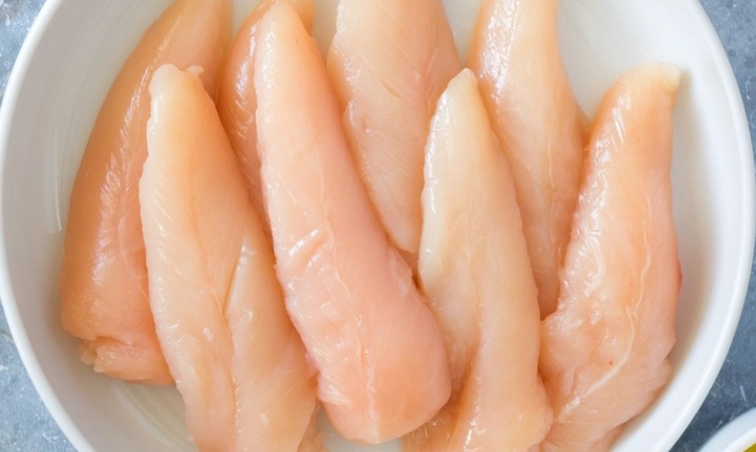
Lemon-Herb Chicken Tenderloin Sheet Pan Dinner
- Preheat oven to 425°F (220°C).
- On a large sheet pan, toss 1 lb chicken tenderloins with 2 tablespoons olive oil, the zest and juice of 1 lemon, 2 minced garlic cloves, 1 teaspoon dried oregano, salt, and pepper.
- Add chopped vegetables to the same pan—broccoli florets and bell pepper strips work great. Drizzle veggies with a bit more oil and season.
- Spread everything in a single layer. Bake for 12-15 minutes, until chicken is cooked through and veggies are tender-crisp.
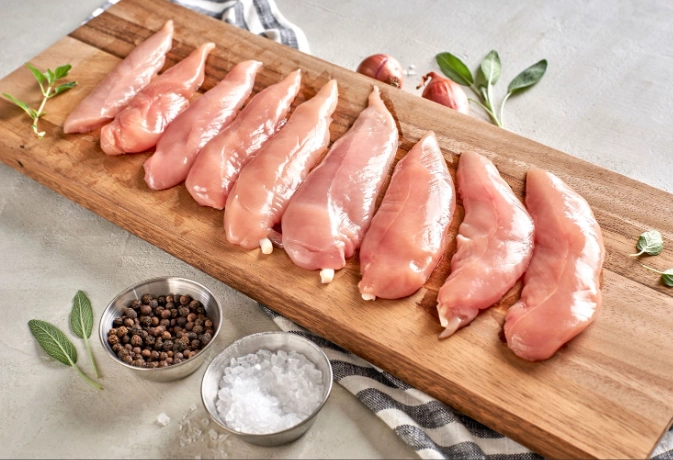 So, give those little strips a chance. You might just find they become a regular in your rotation.
At the end of the day, understanding your food empowers you to make better choices. Knowing the specifics of chicken tenderloin protein—its strengths, its quirks, and how to handle it—turns it from just another ingredient into a reliable tool for eating well. It's not a magic bullet, but it's a pretty darn good option for anyone looking to add more lean, high-quality protein to their day without a lot of fuss. Just remember to keep an eye on the clock when they're on the stove.
Related Articles