Master the Art of Roasting Chicken in Your Oven: A Foolproof Guide
Roasting a whole chicken in the oven seems straightforward—pop it in, set the timer, and wait. But if you've ever ended up with dry breast meat, undercooked thighs, or skin that's more pale than golden, you know there's a gap between simple and perfect. I've roasted hundreds of chickens over the years, from disastrous early attempts (think rubbery skin and juice-less meat) to consistently juicy results that impress every time. Let's cut through the noise and focus on what actually works.
Your Roasting Roadmap
The Top Mistakes That Ruin Roast Chicken
Most recipes skip this, but avoiding these errors is half the battle. I learned the hard way.
Mistake 1: Skipping the dry brine. Rubbing salt on the skin and tossing it in the oven? That's a rookie move. Dry brining—salting the chicken and letting it sit uncovered in the fridge for at least 4 hours—draws moisture to the surface, which then gets reabsorbed, seasoning the meat deeply and helping the skin crisp up. I didn't believe it until I tried it; the difference in flavor and texture is night and day.
Mistake 2: Roasting at one constant high temperature. Blasting the chicken at 400°F (200°C) might seem efficient, but it often leads to burnt skin before the thighs are done. A two-stage approach works better: start high to crisp the skin, then lower the heat to cook through gently. I'll share exact numbers later.
Mistake 3: Not using a thermometer. Relying on time alone is guessing. Chicken thighs need to hit 165°F (74°C) internally, but breasts can dry out past 160°F (71°C). A good instant-read thermometer is non-negotiable. I use a ThermoWorks Thermapen—it's pricey but worth every penny for accuracy.
These aren't just tips; they're fixes for the frustration of inconsistent results.
What You Really Need: Tools and Ingredients
You don't need fancy gear, but a few items make life easier. Here's my must-have list, based on trial and error.
- A roasting pan with a rack: Elevating the chicken allows air circulation, so it cooks evenly. A simple wire rack in a baking sheet works fine. Avoid deep pans that steam the bird.
- Instant-read thermometer: As mentioned, this is crucial. Insert it into the thickest part of the thigh without touching bone.
- Kitchen twine: Trussing the legs helps the chicken cook evenly. Some say it's optional, but I find it prevents the legs from splaying and overcooking.
- Chicken selection: Go for a 4-5 pound (1.8-2.3 kg) bird. Larger ones take forever and risk dryness. I prefer air-chilled chickens—they tend to have crispier skin because they're not water-injected. Brands like Bell & Evans or local organic options are great.
For ingredients, keep it simple: kosher salt, black pepper, olive oil or butter, and maybe some herbs like thyme or rosemary. Fancy rubs can wait until you've mastered the basics.
Step-by-Step: How to Roast Chicken Like a Pro
This is the core method I've refined over years. Follow these steps, and you'll nail it.
1. Prep the Chicken (Day Before or Morning Of)
Remove the chicken from packaging, pat it completely dry with paper towels—inside and out. Moisture is the enemy of crispy skin. Season generously with kosher salt (about 1 tablespoon for a 4-pound bird), including the cavity. Place it on a rack over a plate, uncovered, in the fridge for 4-24 hours. This dry brine is the secret weapon.
2. Bring to Room Temperature
Take the chicken out 30-60 minutes before roasting. Cold chicken goes into a hot oven, causing uneven cooking. Let it sit on the counter while you preheat the oven to 450°F (230°C).
3. Truss and Oil
Tie the legs together with kitchen twine. Tuck the wing tips under the body. Rub the entire surface with a little olive oil or softened butter—this promotes browning. Add pepper or herbs if you like, but salt is already there from brining.
4. Roast with the Two-Stage Method
Place the chicken breast-side up on the rack in your pan. Roast at 450°F (230°C) for 20 minutes. This high heat kickstarts the Maillard reaction for that golden color. Then, without opening the door, reduce the oven temperature to 350°F (175°C) and continue roasting. The total time depends on size; use the thermometer, not the clock.
Pro tip: For extra crispiness, I sometimes brush the skin with a mix of butter and herbs during the last 10 minutes. But don't overdo it—too much fat can cause smoking.
5. Rest and Carve
Once the thigh hits 165°F (74°C), remove the chicken from the oven. Transfer it to a cutting board and let it rest for 15-20 minutes. Resting allows juices to redistribute. If you carve immediately, all those juices end up on the board, not in the meat. I know it's tempting to dig in, but patience pays off.
The Critical Temperature and Time Guide
Here's a reference table based on chicken weight. Remember, these are estimates—always use a thermometer.
| Chicken Weight | Initial High-Heat Time (450°F/230°C) | Lower-Heat Time (350°F/175°C) | Total Estimated Time |
|---|---|---|---|
| 3.5 lbs (1.6 kg) | 20 minutes | 40-50 minutes | 60-70 minutes |
| 4.5 lbs (2.0 kg) | 20 minutes | 60-70 minutes | 80-90 minutes |
| 5.5 lbs (2.5 kg) | 20 minutes | 80-90 minutes | 100-110 minutes |
Internal temperatures: Thighs should be 165°F (74°C), breasts around 160°F (71°C). If the breasts are done early, you can tent them with foil while the thighs catch up, but proper trussing usually avoids this.
I once roasted a 6-pound monster for a holiday dinner—it took forever, and the breast was dry by the time the thighs were safe. Stick to 4-5 pounds for best results.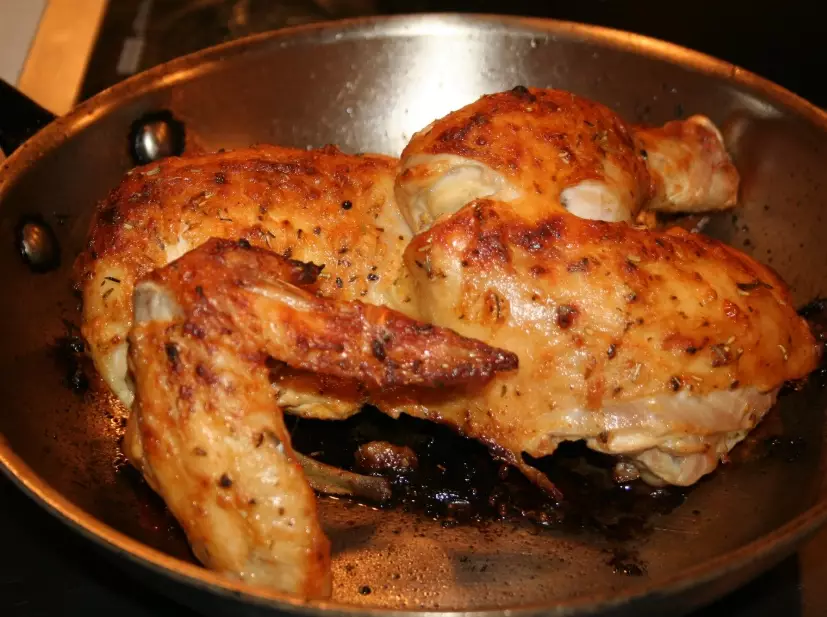
Beyond Basic: Flavor Variations and Tips
Once you've got the technique down, play with flavors. Here are a few ideas I've tested.
- Lemon and herb: Stuff the cavity with a halved lemon, garlic cloves, and fresh rosemary. The steam from the lemon keeps the meat moist from the inside.
- Spicy dry rub: Mix paprika, garlic powder, and a pinch of cayenne with salt before dry brining. Gives a nice kick without overpowering.
- Butter under the skin: Gently separate the skin from the breast and rub softened herb butter underneath. This bastes the meat as it cooks, adding richness. But go easy—too much can make the skin soggy.
For sides, roast vegetables in the same pan—potatoes, carrots, or onions—tossed in the chicken drippings. They soak up all the flavor. I often do this for meal prep; a roasted chicken on Sunday means leftovers for days.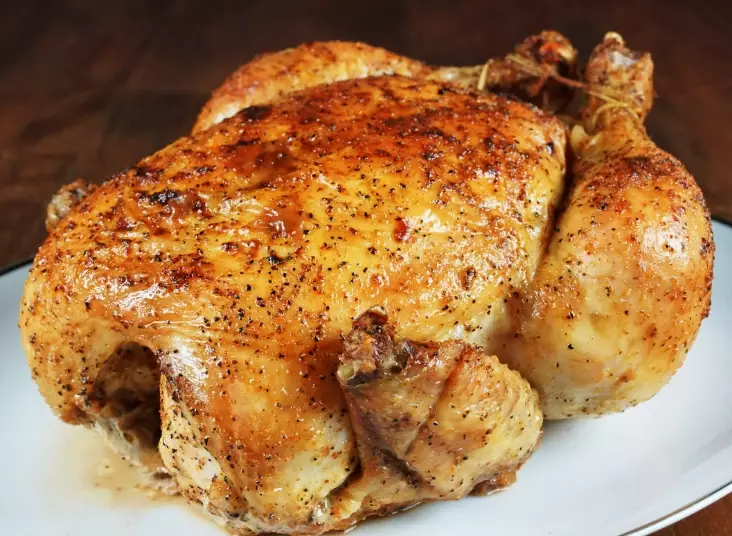
Answering Your Roasting Questions
Roasting chicken in the oven isn't rocket science, but it does require attention to detail. Forget the flashy recipes with 20 ingredients; focus on dry brining, temperature control, and resting. Once you get this down, you'll have a reliable, impressive dish that works for weeknights or dinner parties. Give it a try this weekend—I bet you'll notice the difference.
Related Articles