The Ultimate Guide to Defrosting Chicken Safely and Quickly
Let's be honest. We've all been there. It's 5 PM, you pull a rock-solid package of chicken breasts from the freezer, and dinner plans crumble. The temptation to run it under hot water or, heaven forbid, leave it on the counter is real. I get it. I've ruined my share of chicken learning the hard way. But after years in the kitchen and digging into the science, I can tell you there's a right way and a world of wrong ways to thaw chicken. This isn't just about convenience; it's the absolute foundation of food safety and getting a juicy, flavorful result on your plate. Forget everything you think you know. Let's start from scratch.
What You'll Learn Today
The Only Three Safe Methods for Defrosting Chicken
According to the USDA, there are exactly three safe ways to thaw frozen chicken. That's it. Everything else is a gamble with your health. I've seen people use hair dryers, heating pads, and direct sunlight. Please don't.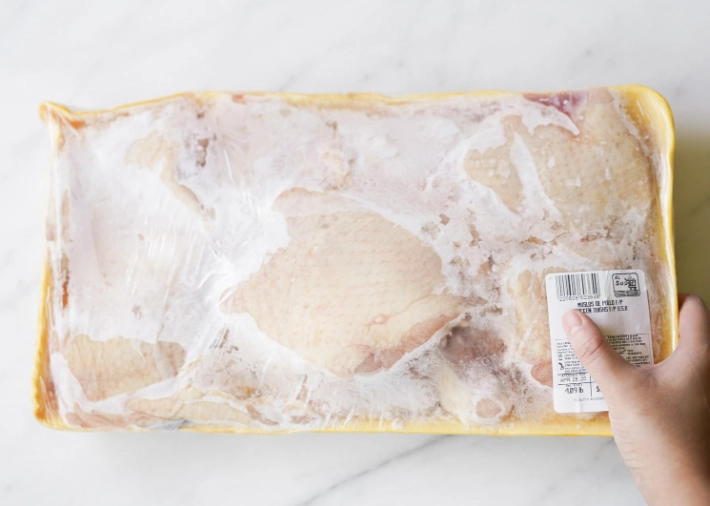
- In the Refrigerator: The gold standard. Slow, steady, and keeps the chicken at a safe temperature throughout.
- In Cold Water: The speedster of safe methods. Requires a bit more attention but works in a pinch.
- In the Microwave: The last-resort option. It's safe if you cook immediately, but texture often suffers.
Here’s a quick comparison to help you choose:
| Method | Time Required (for 1 lb) | Best For | Key Consideration |
|---|---|---|---|
| Refrigerator Thawing | 12-24 hours | Meal planning, best quality | Plan ahead. Place on a plate or tray. |
| Cold Water Thawing | 1-2 hours | Same-day cooking, faster results | Must change water every 30 mins. |
| Microwave Thawing | 5-10 minutes | Immediate cooking emergencies | Cook immediately after. Can start cooking edges. |
The Counter Thaw Myth: Leaving chicken on the kitchen counter is the most common mistake. At room temperature, the outer layers of the chicken enter the "danger zone" (40°F to 140°F) where bacteria like Salmonella and Campylobacter can double in number in as little as 20 minutes. The inside is still frozen, but the outside is a bacterial party. Just don't do it.
Understanding the "Danger Zone" and Why It Matters
This isn't boring food-safety jargon. It's the core principle. The "danger zone" is between 40°F (4°C) and 140°F (60°C). In this range, bacteria that cause food poisoning thrive and multiply rapidly.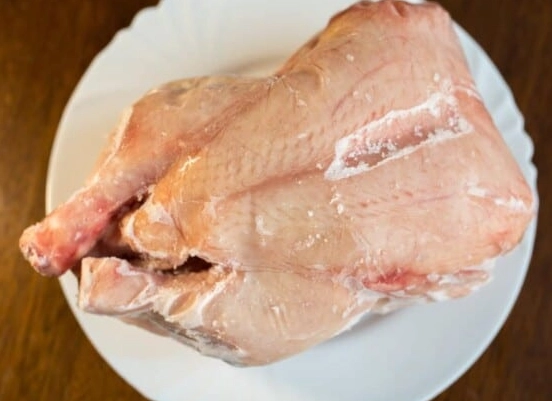
When you thaw on the counter, the chicken's surface can hit 70°F (room temp) within an hour while the core is ice. You've created a perfect incubator. Refrigerator thawing keeps everything below 40°F. Cold water thawing uses running cold water to keep the surface temperature down, preventing the bacterial bloom.
A subtle point most miss: even in the fridge, placement matters. Don't just toss the package on a shelf. Put it on a bottom shelf, on a plate or tray. This prevents any drips (which can contain bacteria) from contaminating ready-to-eat foods below, like cheese or fruit. It's a simple step that's often overlooked.
A Deep Dive Into Each Thawing Method
How to Defrost Chicken in the Refrigerator (The Best Way)
Timing is Everything: This is not a guesswork game. For a standard package of boneless, skinless chicken breasts (about 1 pound), budget 12 to 24 hours. A whole chicken or a large pack of thighs? Give it a full 24 to 48 hours, sometimes more.
My personal rule: if I'm cooking dinner Tuesday, I move the chicken from the freezer to the fridge before I go to bed on Monday. It's foolproof.
The Setup: Keep the chicken in its original packaging or a leak-proof plastic bag. Place it on a plate, rimmed baking sheet, or in a shallow dish. This catches any moisture. No one wants chicken juice in their fridge crisper.
Why it's superior: The chicken thaws evenly, retains all its moisture, and stays at a safe temperature. You can actually refreeze chicken thawed this way (though quality may decline slightly), which you cannot safely do with the other methods unless you cook it first.
How to Thaw Chicken in Cold Water (The Fast, Safe Method)
This is your savior when you forgot to plan. The key is cold water, not cool, not lukewarm. Cold tap water.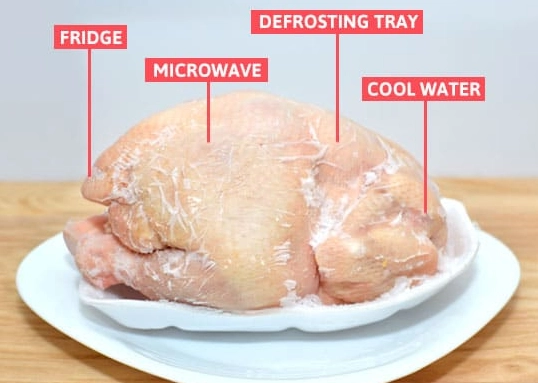
- Ensure the chicken is in a leak-proof plastic bag or its original vacuum-sealed packaging. Submerging the bare package can allow water to seep in and compromise texture.
- Fill a large bowl, pot, or your clean sink with cold tap water.
- Submerge the bagged chicken completely.
- Here's the critical step everyone skips: Change the water every 30 minutes. Stagnant water will warm up, nudging the chicken into the danger zone. Fresh cold water keeps the process safe and speeds it up.
Timeframe: A one-pound package typically thaws in 1 to 2 hours. A whole chicken may take 3 hours or more. It's not instantaneous, but it's dramatically faster than the fridge.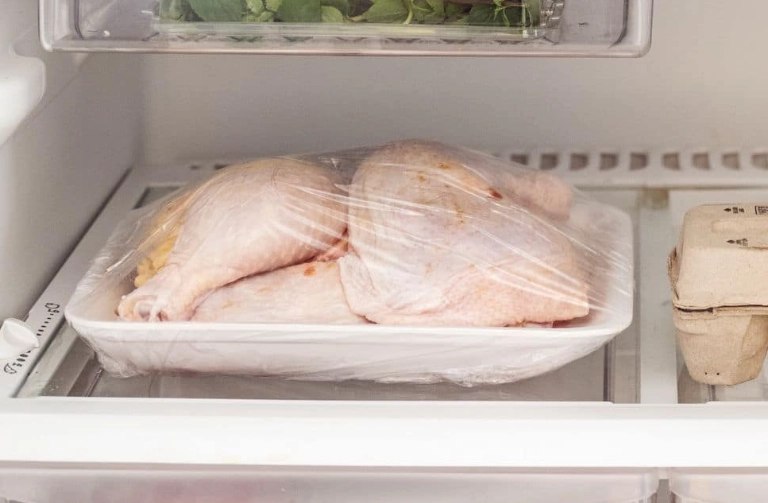
How to Defrost Chicken in the Microwave
Use this only if you intend to cook the chicken immediately after thawing. Microwaves thaw unevenly, often starting to cook the thinner edges and leaving icy spots in the thicker parts. Those warm spots are prime real estate for bacteria if you then decide to let it sit.
Use your microwave's "defrost" setting based on weight. If it doesn't have one, use low power (30-50%). Pause halfway through to separate pieces if possible. Be prepared to cook it the moment the cycle ends, even if there are still a few icy crystals.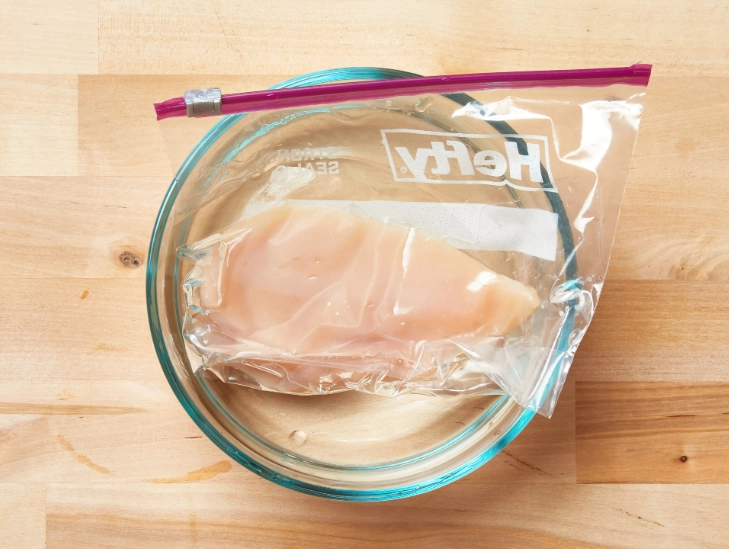
Post-Thaw: The Steps Everyone Forgets
Your chicken is thawed. Now what? Don't just start cooking.
Pat it Dry: This is my number one tip for better chicken, regardless of the recipe. Use paper towels and thoroughly pat the surface of the chicken dry. Moisture is the enemy of browning (the Maillard reaction). Dry chicken = golden, crispy skin or a beautiful sear. Wet chicken = steamed, pale, and sad.
Check for Complete Thawing: Flex the package or press gently on the thickest part. There should be no hard, icy core. If there is, you can finish the job using the cold water method for another 15-30 minutes.
Storage: Thawed chicken can live in your refrigerator for 1 to 2 days before cooking. Don't push it longer. If your plans change, cook it thoroughly and then you can refrigerate or freeze the cooked chicken.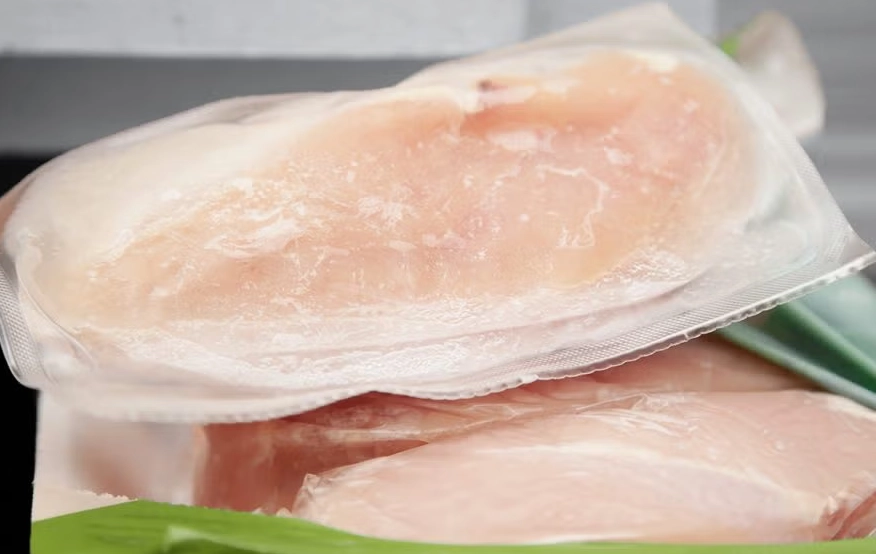
Your Burning Questions on Thawing Chicken
The bottom line? Defrosting chicken isn't complicated if you stick to the rules. Plan ahead with the fridge, use cold water in a pinch, and treat the microwave as an emergency tool. Respect the danger zone, pat your chicken dry, and you'll transform a potential kitchen nightmare into the start of a reliably delicious, safe meal every single time.
Related Articles