Complete Guide to Chicken Tenderloin Nutrition Facts & Health Benefits
In This Guide
- The Core Nutrition Facts for Chicken Tenderloin: Breaking Down the Numbers
- How Cooking Method Transforms Those Nutrition Facts
- Why You Should Care: The Health Benefits Explained
- Buying and Storing: Protecting Those Nutrition Facts
- Answering Your Burning Questions About Chicken Tenderloin
- Putting It All Together: Your Action Plan
Let's talk chicken tenderloin. You see it everywhere – in meal prep containers, on restaurant menus, in the grocery store. It's this little strip of meat that's often praised as the "healthier" part of the chicken breast. But is it really? I've been down the rabbit hole of nutrition labels and conflicting advice online, and honestly, it can be confusing. So I decided to dig deep, look at the actual data, and share what I found about the real nutrition facts for chicken tenderloin.
This isn't just about counting calories. It's about understanding what this popular protein source actually brings to your plate, how it stacks up against other options, and the best ways to prepare it so you're not accidentally turning a lean meal into a calorie bomb. I'll even throw in some of my own kitchen experiments – some successful, some not so much.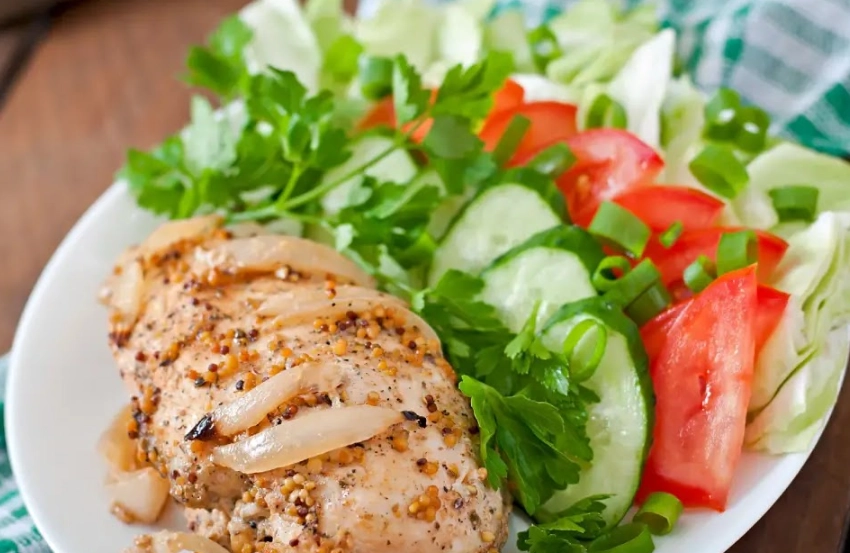
The Core Nutrition Facts for Chicken Tenderloin: Breaking Down the Numbers
First things first, let's get the basics straight. When we talk about the nutrition facts for chicken tenderloin, we're usually referring to the raw, skinless, boneless piece of meat. That's your blank canvas. Everything else – breading, sauce, cooking oil – adds layers (sometimes literally) to the story.
The gold standard for this kind of data in the US is the USDA FoodData Central. It's the database nutritionists and dietitians use. According to their latest entries, here’s what a typical 3-ounce (about 85-gram) serving of raw, skinless chicken tenderloin looks like.
| Nutrient | Amount per 3oz (85g) Raw | % Daily Value (Based on 2000 Calorie Diet)* |
|---|---|---|
| Calories | 100-110 kcal | 5-6% |
| Protein | 22-24 grams | 44-48% |
| Total Fat | 1.5-2 grams | 2-3% |
| Saturated Fat | 0.5 grams | 3% |
| Cholesterol | ~65 mg | 22% |
| Sodium | ~60 mg (naturally occurring) | 3% |
| Niacin (Vitamin B3) | ~10 mg | 60-70% |
| Vitamin B6 | ~0.5 mg | 30% |
| Selenium | ~22 mcg | 40% |
| Phosphorus | ~200 mg | 20% |
*Daily Values are rough estimates. Your needs vary.
See that protein number? It's massive. Getting nearly 25 grams of protein for around 100 calories is a fantastic ratio. That's the main event when you're looking up chicken tenderloin nutrition facts. It's what makes this cut so popular for athletes, people trying to build muscle, or anyone just trying to feel full and satisfied after a meal without overdoing the calories.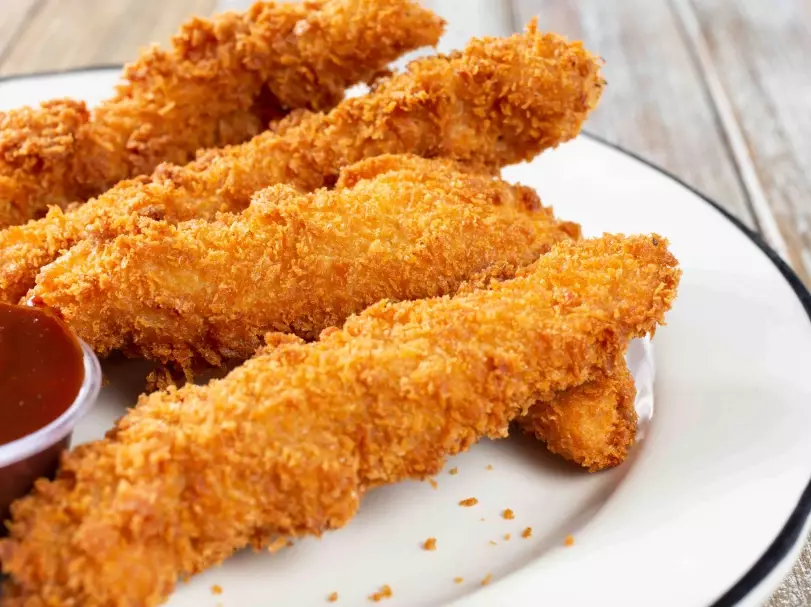
The fat content is super low, which is great if you're watching that. But here's a personal take – sometimes I find it too lean. Without a little fat, it can dry out in a heartbeat if you overcook it. More on that disaster later.
Key Takeaway: The core nutrition facts for chicken tenderloin reveal an incredibly macro-friendly profile: very high protein, very low fat and carbs, and a solid dose of B vitamins and selenium. It’s the macronutrient profile that fitness and health communities love.
How Cooking Method Transforms Those Nutrition Facts
This is where things get real. The numbers above are for raw meat. The moment you apply heat and other ingredients, the chicken tenderloin nutrition facts shift. Sometimes dramatically. I learned this the hard way when I assumed my grilled tenderloins had the same calories as the ones I later drowned in a sugary marinade.
Let's compare the most common methods. I've based this on common practices and estimates from resources like the Harvard T.H. Chan School of Public Health's nutrition library, which always emphasizes how preparation alters food's health impact.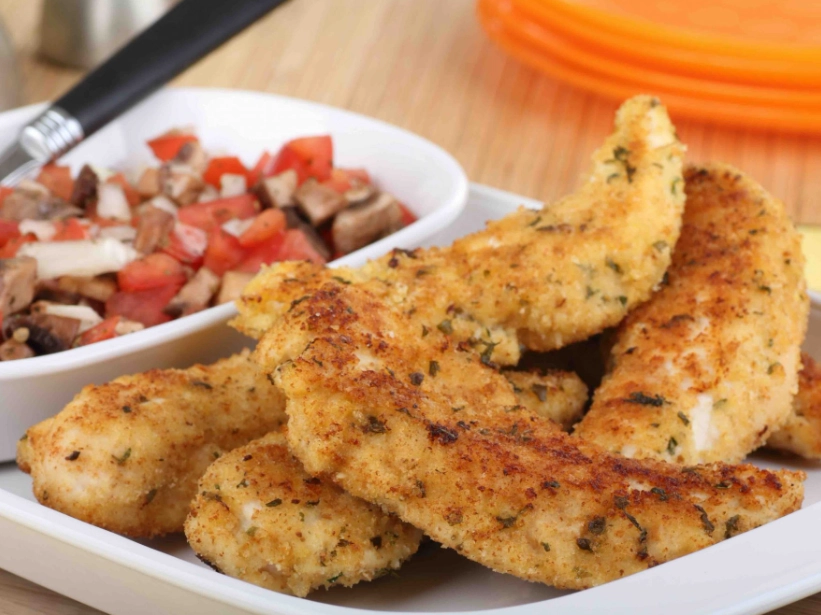
Chicken Tenderloin Nutrition: Cooked, No Oil Added (e.g., Grilled, Baked, Poached)
A 3-ounce serving of cooked chicken tenderloin, prepared without adding any extra fat, will have similar or slightly higher calorie and protein counts than raw. Why? Cooking drives off water, concentrating the nutrients. You might see calories go up to about 120-130 per 3oz, and protein remains stellar at 26-28 grams. The fat stays minimal. This is the purest, most unadulterated way to eat it.
Chicken Tenderloin Nutrition: Pan-Seared or Sautéed with Oil
Here’s the common home cook scenario. You toss those tenderloins in a pan with a tablespoon of olive oil. That tablespoon adds about 120 calories and 14 grams of fat to the entire dish. If you're dividing that between 3-4 tenderloins, you're adding roughly 30-40 extra calories and 3-4 grams of fat per serving. Not a deal-breaker, but it matters if you're counting. The nutrition facts for chicken tenderloin just got a bit richer.
The Restaurant/Frozen Food Scenario: Breaded and Fried
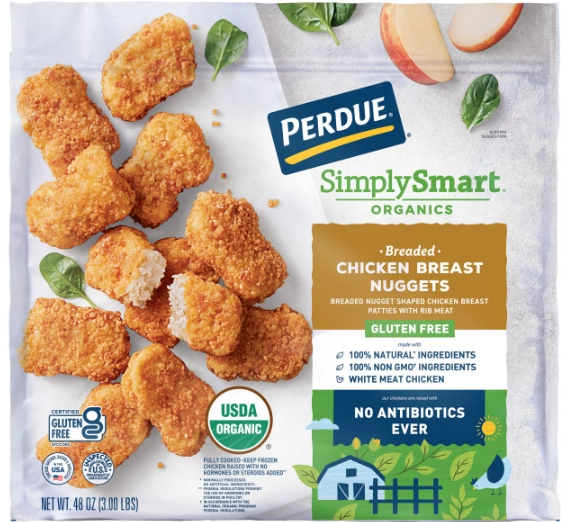
This is a whole different beast. We're no longer talking about the nutrition facts for chicken tenderloin; we're talking about the nutrition facts for a breading-and-frying delivery system. A typical restaurant-style breaded and fried chicken tender (not a strip, the actual tenderloin) can easily clock in at 200-300 calories each, with 10-15 grams of fat, and sodium soaring into the 400-500mg range. The frozen aisle versions are similar. The protein is still there, but it's now bundled with a lot of extra carbs and fat.
My own worst kitchen fail was trying to make a "healthy" version of orange chicken with tenderloins. I thought using less sugar was enough. I didn't account for the cornstarch slurry and the oil for frying the coating. Let's just say the resulting sauce was a sticky, calorie-dense glaze that completely overshadowed the lean protein I started with. The nutrition facts I had in my head were wildly off.
Why You Should Care: The Health Benefits Explained
So beyond the basic chicken tenderloin nutrition facts, what's the big deal? Why is it always on the "good for you" lists?
It's a complete protein source. That means it contains all nine essential amino acids your body needs to build and repair muscle tissue, support immune function, and produce important enzymes. For the amount of calories, it's hard to beat that protein efficiency.
It's incredibly versatile for managing weight. High-protein foods are renowned for promoting satiety—that feeling of fullness. I find that a meal with a good portion of chicken tenderloin keeps me from rummaging through the pantry an hour later, which is a win.
It's a powerhouse of B vitamins, especially Niacin (B3) and B6. Niacin is crucial for converting food into usable energy and for maintaining healthy skin and nerves. B6 is involved in over 100 enzyme reactions in the body, mostly related to metabolism and brain development.
Selenium is an underrated superstar. It's a powerful antioxidant that helps protect your cells from damage and plays a key role in thyroid hormone metabolism. Getting enough selenium from food sources, like chicken tenderloin, is generally better than from supplements.
Pro Tip for Meal Prep: Because of its neutral flavor and quick cooking time, chicken tenderloin is a meal-prep dream. Cook a batch with simple seasonings on Sunday, and you have a lean protein ready to add to salads, wraps, stir-fries, or grain bowls all week. Just don't overcook it, or you'll be eating dry chicken for days.
Buying and Storing: Protecting Those Nutrition Facts
You can start with the best chicken tenderloin nutrition facts, but if you buy or store it poorly, you're undermining the whole point.
What to Look For When Buying
Color should be pinkish, not gray or yellow. The texture should be firm, not slimy. Smell is key – it should have a very mild, almost neutral smell. Any sour or ammonia-like odor is a hard pass. I once bought a pack that smelled a bit off but looked okay. I cooked it anyway. Big mistake. The flavor was... off. Not terrible enough to be dangerous, but unpleasant enough to ruin dinner.
If you're buying pre-packaged, check the date. And if you're really focused on animal welfare or specific farming practices, look for labels like "air-chilled" or certifications like "organic" or "raised without antibiotics." These can affect price and potentially some nutrient profiles, though the core chicken tenderloin nutrition facts remain similar.
How to Store It Properly
Keep it cold. If you're not using it within a day or two of purchase, freeze it. I like to portion mine out into single-serving bags before freezing. Thaw in the fridge overnight, never on the counter. That dangerous "danger zone" between 40°F and 140°F where bacteria thrive is a real thing. The USDA's food safety guidelines are very clear on this. Letting meat sit out to thaw is an invitation to trouble, and it can degrade the quality (and safety) of those otherwise excellent nutrition facts for chicken tenderloin.
Important Safety Note: Always cook chicken tenderloin to a safe internal temperature of 165°F (74°C). A good meat thermometer is a small investment that prevents foodborne illness and helps you avoid overcooking. Because dry, tough chicken is just sad.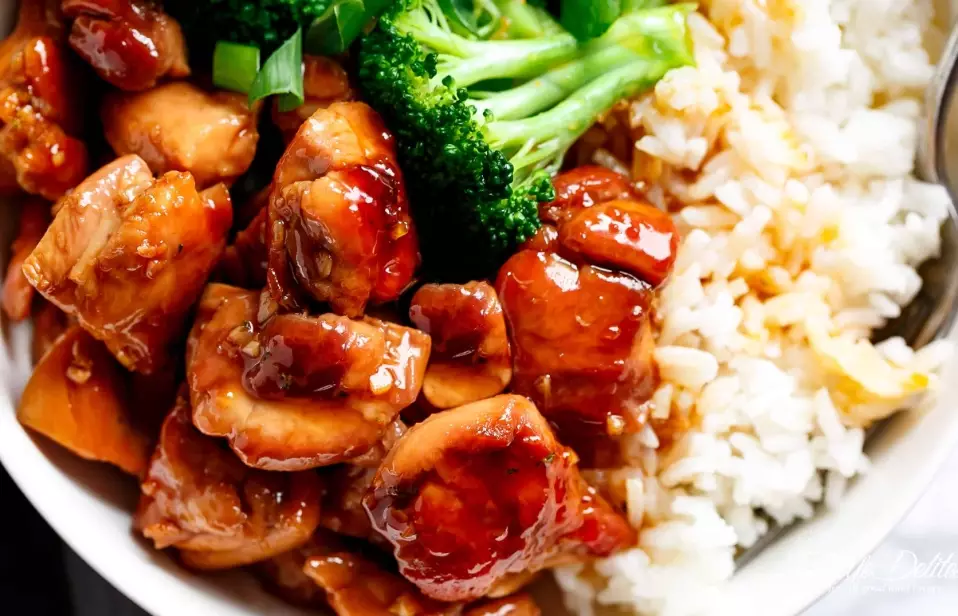
Answering Your Burning Questions About Chicken Tenderloin
I get a lot of questions about this stuff. Here are some of the most common ones I've seen and asked myself.
Is chicken tenderloin healthier than chicken breast?
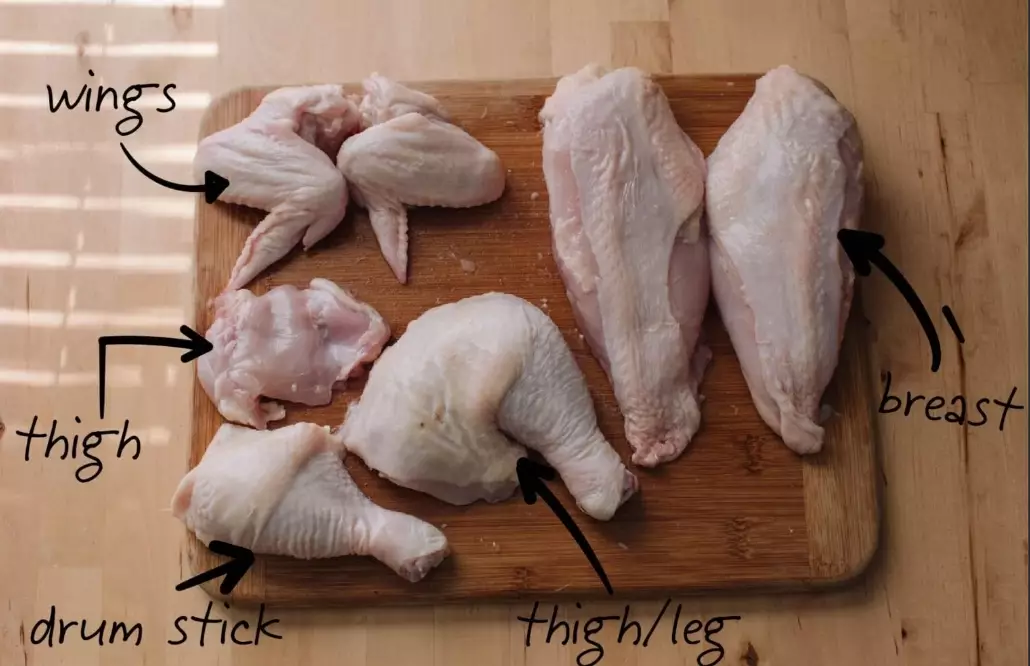
This is the classic face-off. Nutritionally, they're nearly identical twins. A chicken breast is just a bigger muscle. The tenderloin is a smaller, more tender muscle that sits underneath the breast. Some people find tenderloin more tender (hence the name), but in terms of core nutrition facts, chicken breast and chicken tenderloin are virtually the same. The choice comes down to price, convenience, and personal texture preference.
Can I eat chicken tenderloin every day?
You can, but should you? Variety is a cornerstone of a healthy diet. While the chicken tenderloin nutrition facts are excellent, relying on any single food means missing out on other nutrients from different protein sources like fish, beans, lentils, or beef. Also, consider preparation. Eating it baked every day is different from eating it fried every day. Moderation and variety are wise.
Why is my cooked chicken tenderloin sometimes tough?
Overcooking. It's almost always overcooking. Because it's so lean, it has very little fat to keep it moist during cooking. It goes from juicy to dry and rubbery in a matter of minutes. My advice? Use a thermometer. Pull it off the heat at 160-162°F. It will carry over to 165°F as it rests. Also, try brining. Soaking the tenderloins in a saltwater solution for 30-60 minutes before cooking helps them retain moisture incredibly well.
How does the nutrition compare to plant-based proteins?
This is a great question if you're exploring different diets. Per serving, chicken tenderloin provides more protein for fewer calories than most plant-based sources like beans or lentils. For example, a cup of black beans has about 15 grams of protein but 220 calories. However, plants bring fiber, different vitamins, and phytonutrients to the table. They're not directly interchangeable, but they're both valuable. It's not an either/or; it's a "what fits your goals and preferences."
Putting It All Together: Your Action Plan
So, after all this talk about chicken tenderloin nutrition facts, how do you actually use this info?
First, respect the leanness. Choose cooking methods that add flavor without overwhelming the health benefits. Marinades (watch the sugar), dry rubs, herbs, and spices are your best friends. A simple mix of garlic powder, paprika, and a pinch of salt does wonders.
Second, pair it wisely. Such a lean protein shines when combined with high-fiber carbs and healthy fats. Think quinoa or brown rice, a big pile of roasted vegetables with a drizzle of olive oil, or a vibrant salad with avocado. This creates a balanced, satisfying meal that leverages all the good in the chicken tenderloin nutrition profile.
Finally, don't stress the small stuff. If you sometimes cook it in oil or enjoy a breaded version as a treat, that's life. The overall pattern of your diet matters more than any single meal. Knowing the core nutrition facts for chicken tenderloin empowers you to make informed choices most of the time. That's the real goal.
Knowledge is power, especially in the kitchen.
At the end of the day, the nutrition facts for chicken tenderloin tell a story of a fantastic, versatile, and lean source of protein. It's a dietary workhorse for a reason. By understanding how those facts change with cooking and preparation, you can make it a reliable staple that supports your health goals without sacrificing flavor or satisfaction. Now go forth and cook some tender, juicy chicken.
Related Articles