How to Roast a Whole Chicken: The Ultimate Guide for Juicy, Crispy Skin
Forget dry breast meat and soggy skin. Roasting a whole chicken that's juicy inside with impossibly crispy skin isn't a restaurant secret—it's a simple formula of heat, time, and a few non-negotiable techniques. I've ruined my share of birds to learn this: the key is a hot start for that golden crackle, then gentle heat to cook through without drying out, followed by the most skipped step—a proper rest. Let's get that perfect roast chicken on your table.
What You'll Learn in This Guide
Choosing Your Chicken: Size and Type Matter
Not all chickens are created equal for roasting. Grab a massive 7-pounder thinking it'll feed a crowd, and you'll end up with leathery breast meat by the time the thighs are cooked. The sweet spot? A 4 to 5 pound (1.8 to 2.3 kg) bird. This size cooks evenly, yields plenty of meat, and fits in most ovens and pans.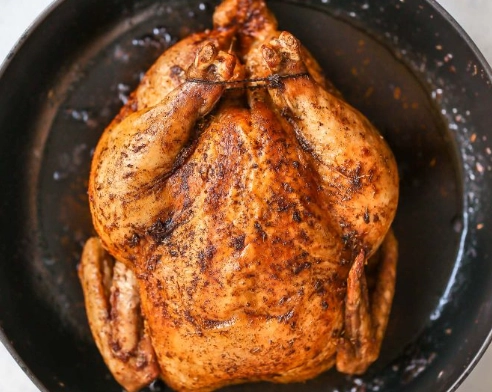
Pay attention to the type. I swear by air-chilled chickens when I can find/afford them. Unlike water-chilled birds, they aren't pumped full of water, which means the skin dries out faster for that ultimate crisp. The flavor is noticeably cleaner, too.
And about "roasters" vs. "fryers"—it's mostly about size. A roaster is typically older and a bit larger (5-7 lbs), with more fat under the skin. This can mean more flavor and juiciness, but also a longer cook time. For consistent, beginner-friendly results, a standard 4.5 lb fryer/chicken is perfect.
The Prep Work Everyone Skips (But Shouldn't)
This is where most home cooks go wrong. You don't just rinse the bird and throw it in the oven. The single biggest secret to crispy skin? Dry skin. Pat the chicken completely dry inside and out with paper towels. I mean, really dry it. Any moisture left on the surface will steam the skin, leaving it rubbery and pale.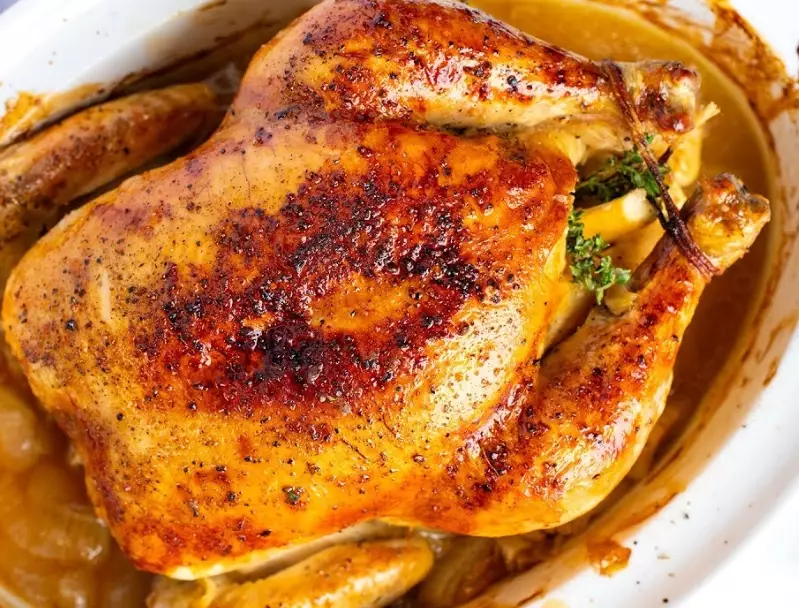
Next, season it generously and ahead of time. Don't just sprinkle salt on before it goes in the oven. Do it at least 30 minutes prior, or even better, the night before. Uncover it in the fridge. This dry-brining pulls moisture to the surface, which then gets reabsorbed, seasoning the meat deeply and helping it retain juices during the roast. It also air-dries the skin further. This one step is a game-changer.
Finally, let it come to room temperature for about 45-60 minutes before roasting. A cold bird straight from the fridge will cook unevenly, leaving the outside overdone and the inside undercooked.
Seasoning: More Than Just Salt and Pepper
Salt is non-negotiable. Use kosher salt or sea salt—about 1.5 teaspoons per pound of chicken. Rub it everywhere: inside the cavity, under the skin on the breasts and thighs, and all over the outside. This ensures seasoning in every bite.
For flavor beyond salt, get under the skin. Gently loosen the skin over the breasts and thighs with your fingers and slide in pats of softened compound butter (butter mixed with herbs like rosemary, thyme, and garlic). This bastes the meat from the inside as it cooks, adding incredible flavor and moisture.
Don't forget the cavity! Stuffing it with aromatics isn't just for show—it steams the bird from the inside, infusing flavor. A halved lemon, a whole head of garlic cut in half, and a bunch of fresh herbs (thyme, rosemary, sage) work wonders.
The Foolproof Roasting Method: Step-by-Step
Here's my go-to method, refined after more chicken dinners than I can count. It combines high heat for crispiness with lower heat for even cooking.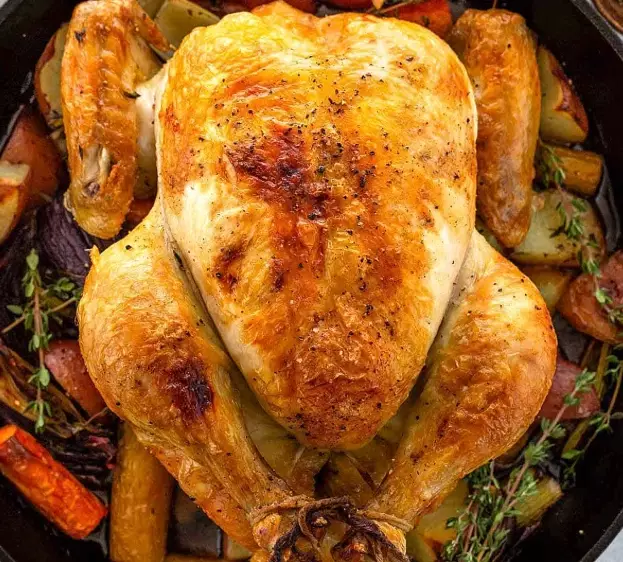
- Preheat & Prep the Pan: Crank your oven to 450°F (230°C). Place a wire rack inside a rimmed baking sheet or in a roasting pan. This is crucial—it allows hot air to circulate around the bird, crisping the skin evenly. No rack? Create a "nest" with roughly chopped onions, carrots, and celery in the pan. The bird sits on top, and the veggies get deliciously caramelized.
- Truss (or Don't): Trussing—tying the legs and wings close to the body—makes for a prettier presentation and can promote even cooking. But honestly? If you're in a rush, skip it. Just tuck the wingtips under the body. The cooking difference is minimal for a home cook.
- Roast High, Then Low: Place the chicken breast-side up on the rack. Roast at 450°F for 20 minutes. This initial blast renders fat and starts the skin crisping. Then, without opening the door (seriously, don't peek!), reduce the heat to 350°F (175°C) and roast for another 45-70 minutes, depending on size. The rule of thumb is about 15 minutes per pound at 350°F after the initial high-heat blast.
- The Only Test That Matters: Forget poking it or checking if the juices run clear. Use an instant-read meat thermometer. Insert it into the thickest part of the thigh, not touching bone. It should read 165°F (74°C). The breast should be around 155-160°F when you pull it out—the temperature will rise during resting. If it's not there yet, give it another 5-10 minutes and check again.
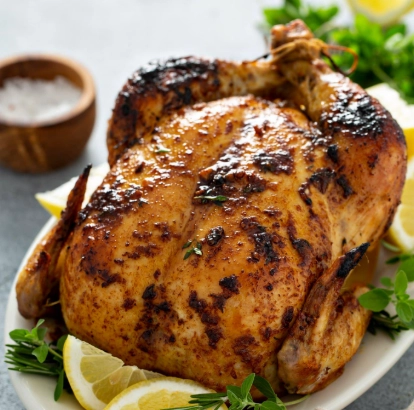
| Chicken Weight | Initial High Heat (450°F) | Lowered Heat (350°F) | Total Approx. Time |
|---|---|---|---|
| 4 lbs (1.8 kg) | 20 minutes | ~60 minutes | 80 minutes |
| 5 lbs (2.3 kg) | 20 minutes | ~75 minutes | 95 minutes |
| 6 lbs (2.7 kg) | 20 minutes | ~90 minutes | 110 minutes |
Note: These are estimates. Always use a meat thermometer for perfect doneness.
How to Get Crispy Skin Every Time?
It boils down to three things: dry skin, high initial heat, and no steam. That's why patting it dry and starting in a scorching hot oven is non-negotiable. If you notice the skin browning too quickly during the lower-heat phase, simply tent it loosely with foil—but only after it's achieved a deep golden color.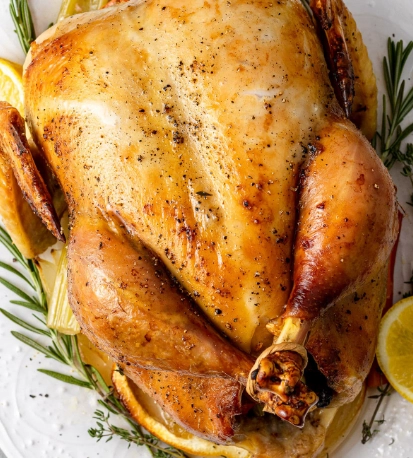
Should You Brine Your Chicken?
A wet brine (soaking in saltwater) can add moisture, but it also adds water to the skin, making it harder to crisp. My preferred method is dry-brining—salting heavily ahead of time, as mentioned. It seasons deeply and helps retain moisture without the hassle or extra water. For a guaranteed juicy bird, especially if you're using a leaner supermarket chicken, a simple overnight dry brine in the fridge is your best friend.
The Crucial Rest & How to Carve Like a Pro
This is the step impatient cooks skip, and it's a tragedy. As soon as the chicken hits 165°F in the thigh, take it out of the oven. Transfer it to a cutting board and let it rest for at least 15-20 minutes, tented loosely with foil. Why? The hot juices inside the meat need time to redistribute. If you cut immediately, those juices will flood the cutting board, leaving you with a dry bird. Resting ensures every bite is moist.
While it rests, pour the pan juices into a fat separator or a measuring cup. Let the fat rise to the top, then spoon it off. The golden liquid underneath is pure flavor gold—your gravy base.
Carving: Don't be intimidated. Let it rest first—it'll be easier to handle. Remove the legs/thighs by cutting through the skin between the leg and breast, then pop the thigh joint and cut it free. Separate the drumstick from the thigh. Slice along each side of the breastbone to remove the breasts, then slice them crosswise. Don't forget the "oysters"—those two succulent pieces of dark meat on the back. They're the chef's reward.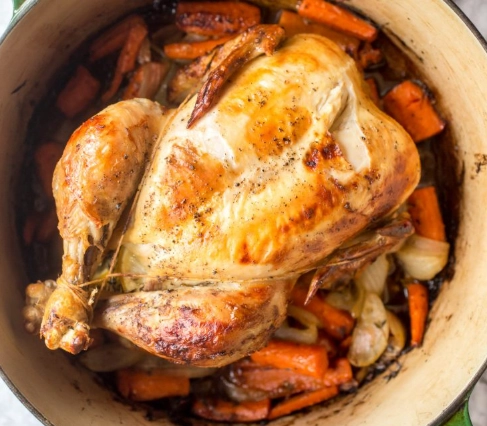
Your Roast Chicken Questions, Answered
Roasting a whole chicken is a foundational kitchen skill that feels like a small triumph every time. It’s economical, impressive, and deeply satisfying. Master this one recipe, and you’ve got the centerpiece for countless family dinners. Now go preheat that oven.
Related Articles