How Long to Cook Whole Chicken in Oven: A Foolproof Guide
You’ve got the chicken. The oven is preheating. And you’re staring at a dozen recipes online, each giving a different answer: 20 minutes per pound? 350°F or 400°F? 165°F internal temperature, but where?
Here’s the truth most recipes won’t tell you: asking "how long to cook a whole chicken" is the wrong question. Time is a helpful guideline, but it’s a terrible master. A 5-pound bird at my house in Denver cooks faster than at sea level. A cold chicken from the fridge takes longer than one left on the counter. A stuffed chicken? That’s a whole different story.
I’ve roasted hundreds of chickens—for weeknight dinners, for holiday crowds, and yes, I’ve had my share of dry breasts and flabby skin. The goal isn’t just a safe chicken. It’s a juicy, flavorful chicken with skin so crisp it shatters. Let’s forget the clock and talk about what actually matters.
What You’ll Find in This Guide
The Single Most Important Factor (It's Not Time)
If you take one thing from this guide, let it be this: buy an instant-read digital meat thermometer. It costs less than a takeout meal and is the only tool that guarantees perfection every single time. Relying on "juices running clear" or wiggling a leg is guesswork that leads to overcooked meat.
The USDA states that poultry is safe to eat at 165°F (74°C). But if you pull your chicken at exactly 165°F in the breast, you’re in for a disappointment. The temperature will continue to rise 5-10 degrees as it rests (carryover cooking). You’ll end up with dry, stringy breast meat.
Pro Tip: Target 155-160°F in the breast and about 170-175°F in the thigh. The dark meat has more fat and connective tissue, which needs a higher temperature to become tender and juicy. Insert the thermometer into the thickest part of each, avoiding the bone.
See? We’re already talking about two different temperatures for one bird. A simple timer can’t account for that.
Oven Roasted Chicken Time Chart by Weight & Temperature
Okay, I know you still want a ballpark figure. These estimates are for an unstuffed chicken at a moderate temperature, starting from refrigerator-cold. Remember, these are GUIDES. Your thermometer is the final judge.
| Chicken Weight | At 350°F (175°C) | At 375°F (190°C) | At 400°F (200°C) |
|---|---|---|---|
| 3 lbs (1.4 kg) | 1 hr – 1 hr 15 min | 50 min – 1 hr 10 min | 45 min – 1 hr |
| 4 lbs (1.8 kg) | 1 hr 30 min – 1 hr 45 min | 1 hr 20 min – 1 hr 30 min | 1 hr – 1 hr 15 min |
| 5 lbs (2.3 kg) | 1 hr 45 min – 2 hrs | 1 hr 30 min – 1 hr 45 min | 1 hr 15 min – 1 hr 30 min |
| 6 lbs (2.7 kg) | 2 hrs – 2 hrs 15 min | 1 hr 45 min – 2 hrs | 1 hr 30 min – 1 hr 45 min |
Note: If you stuff the cavity, add 15-30 minutes to the total time, and ensure the stuffing itself reaches 165°F.
Why the range? Ovens have hot spots. A baking sheet versus a roasting rack changes air flow. I prefer starting hot (425°F) for 20-30 minutes to crisp the skin, then lowering to 375°F to finish gently. That’s not reflected in the simple chart above, which is another reason to use a thermometer.
Step-by-Step Roasting Guide for Perfect Results
Let’s walk through it. This is my failsafe method, developed after one too many mediocre birds.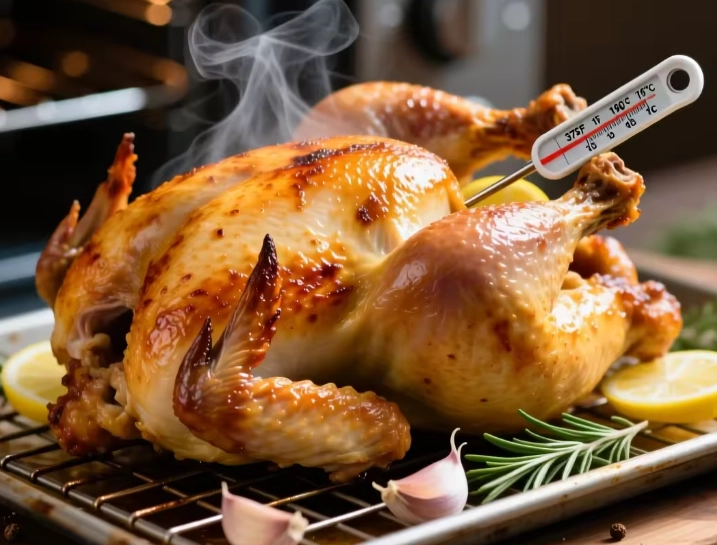
1. Prep is Everything (The Day Before or Morning Of)
Unwrap the chicken, remove giblets, and pat it absolutely bone-dry inside and out with paper towels. Moisture is the enemy of crisp skin. Then, season aggressively with salt—more than you think you need. Get it under the skin on the breasts, inside the cavity, everywhere.
If you have time, place it on a rack over a plate, uncovered, in the fridge for 4-24 hours. This "dry-brine" draws out moisture, seasons the meat deeply, and dries the skin for ultimate crispness. This one step is a game-changer.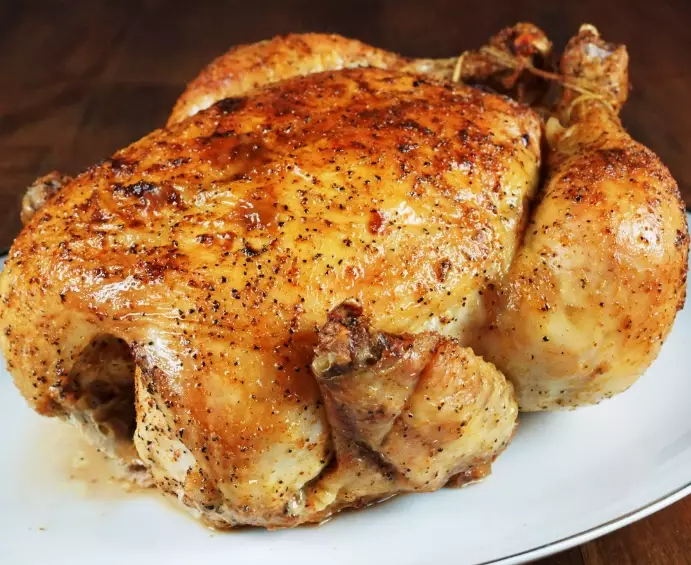
2. To Truss or Not to Truss?
Most recipes say to truss (tie up) the chicken. I rarely do. Trussing gives a pretty, compact shape but often slows down cooking in the critical thigh joint, leaving you with undercooked dark meat or overcooked breast meat trying to wait for it. For more even cooking, I just tuck the wingtips behind the shoulders and leave the legs loose. For the most even cooking, consider spatchcocking (removing the backbone and flattening the bird). It cuts cooking time by nearly a third.
3. The Roasting Process
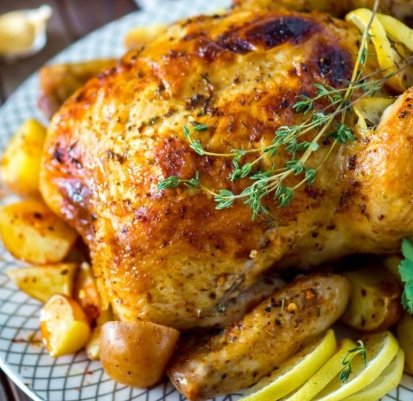
Preheat your oven to 425°F (220°C). Place the chicken breast-side up on a rack in a roasting pan. A rack is non-negotiable—it allows hot air to circulate. Rub the outside with a tiny bit of oil or soft butter (too much and it fries/steams instead of crisping).
Roast at 425°F for 20-30 minutes until the skin starts to brown and blister. Then, without opening the door, reduce the oven temperature to 375°F (190°C). Continue roasting until your thermometer reads 155-160°F in the breast and 170-175°F in the thigh.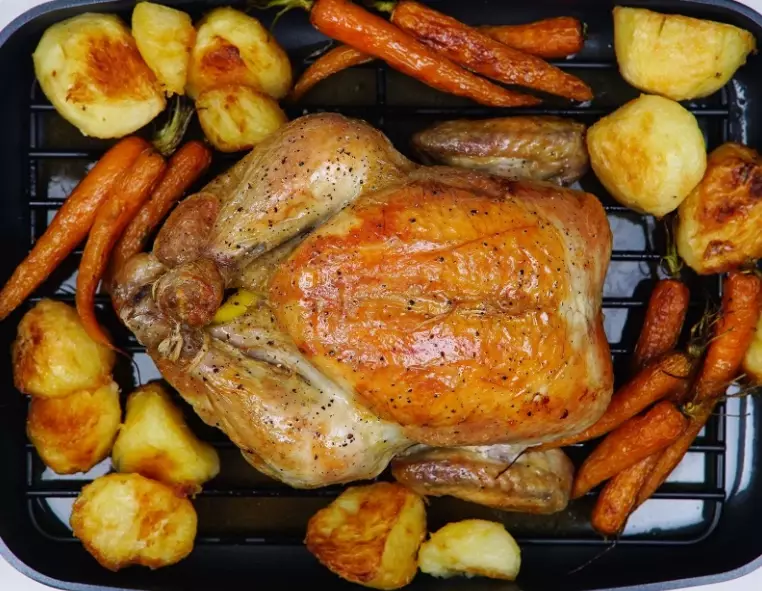
4. The Non-Negotiable Rest
When the chicken hits temp, take it out. Transfer it to a cutting board and let it rest for 15-20 minutes, tented loosely with foil. This allows the frantic juices to redistribute back into the meat fibers. If you cut it open now, all those precious juices will flood the board, leaving you with a dry bird. Be patient.
The Real Secret to Crispy Chicken Skin
Everyone wants it. Most recipes get it wrong by slathering the bird in butter or oil. The real secret is dryness and high initial heat.
- Dry the Skin: The dry-brine in the fridge is the best start. If you didn’t have time, pat it relentlessly with paper towels.
- Go Easy on the Fat: A very thin coating of oil is enough. Too much fat pools and fries the skin, making it leathery, or worse, steams it from underneath.
- Blast with Heat: Starting at a high temperature (425°F+) renders the subcutaneous fat quickly and sets the proteins in the skin, creating that crisp, bubbly texture. Lower heat just melts the fat, resulting in soggy skin.
- Don't Baste: I know, it’s a classic move. But basting washes away the dry heat and adds moisture. For crispy skin, leave the door shut.
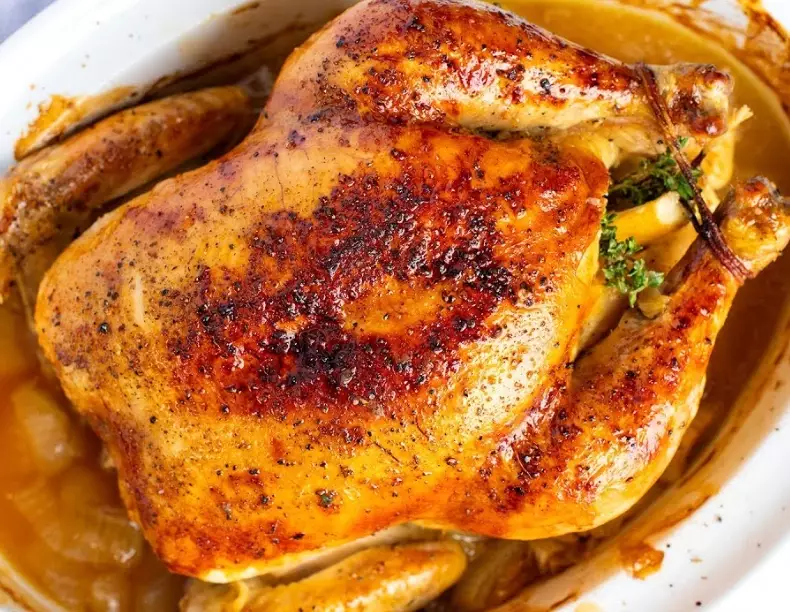
Watch Out: Many recipes call for adding lemon, garlic, or herbs to the cavity. This is fine for flavor, but if you pack it tight with wet ingredients, it will steam the chicken from the inside and significantly increase cooking time. Keep it loose or just use dry herbs.
3 Common Mistakes That Ruin a Roast Chicken
I’ve made these so you don’t have to.
1. Relying Solely on Time. We’ve covered this. It’s the biggest culprit for dry or unsafe chicken. Thermometer. Every time.
2. Skipping the Rest. Cutting in too soon is like poking a hole in a water balloon. All the flavor and moisture you worked for ends up on the cutting board. Let the fibers relax.
3. Roasting on a Bed of Vegetables. It sounds rustic, but potatoes and carrots release steam as they cook, creating a humid environment that prevents the chicken skin from crisping. If you want roasted veggies, cook them separately on another rack, or add them to the pan for the last 45 minutes once the skin has already crisped.
Your Roast Chicken Questions, Answered
So, how long to cook a whole chicken in the oven? The honest answer is: as long as it takes for a thermometer to tell you it’s done. Ditch the anxiety over the clock. Focus on drying the skin, using high heat to start, and trusting the internal temperature. Once you do, you’ll have a roast chicken that’s not just dinner, but a genuine accomplishment.
The best part? The leftovers make incredible soup, sandwiches, and salads. But that’s a guide for another day.
Related Articles