Chicken Drumstick Nutrition: Benefits, Myths, and Healthy Cooking Guide
Let's cut through the noise. Chicken drumsticks are the workhorse of the poultry world—affordable, flavorful, and often misunderstood. For years, they've been relegated to the "unhealthy" category next to wings, while their leaner cousin, the breast, gets all the health glory. That's a mistake I've seen too many home cooks and fitness enthusiasts make. After a decade of coaching people on practical nutrition, I can tell you that dismissing drumsticks means missing out on a nutritional powerhouse that fits real-life budgets and appetites.
This isn't just about listing numbers from the USDA FoodData Central. It's about understanding what those numbers mean for your meals, your goals, and your wallet.
What's in This Guide?
- The Raw Numbers: A Drumstick's Nutrition Label
- Dark Meat vs. Light Meat: It's Not a Simple Contest
- Beyond Protein: The Overlooked Health Benefits
- How Cooking Method Drastically Changes the Nutrition
- 3 Common Mistakes People Make With Drumsticks (And How to Fix Them)
- Putting It Into Practice: Simple, Healthy Recipe Ideas
- Your Drumstick Questions, Answered
The Raw Numbers: A Drumstick's Nutrition Label
First, the baseline. We need a standard reference. According to the USDA, a typical large chicken drumstick with skin (about 130g raw weight) provides the following when roasted:
| Nutrient | Amount (with skin) | % Daily Value (DV)* |
|---|---|---|
| Calories | ~216 kcal | 11% |
| Protein | ~24.2 g | 48% |
| Total Fat | ~12.9 g | 17% |
| Saturated Fat | ~3.5 g | 18% |
| Iron | ~1.1 mg | 6% |
| Zinc | ~2.1 mg | 19% |
| Selenium | ~22.5 mcg | 41% |
| Vitamin B12 | ~0.4 mcg | 17% |
| Niacin (B3) | ~5.4 mg | 34% |
*Based on a 2,000 calorie diet.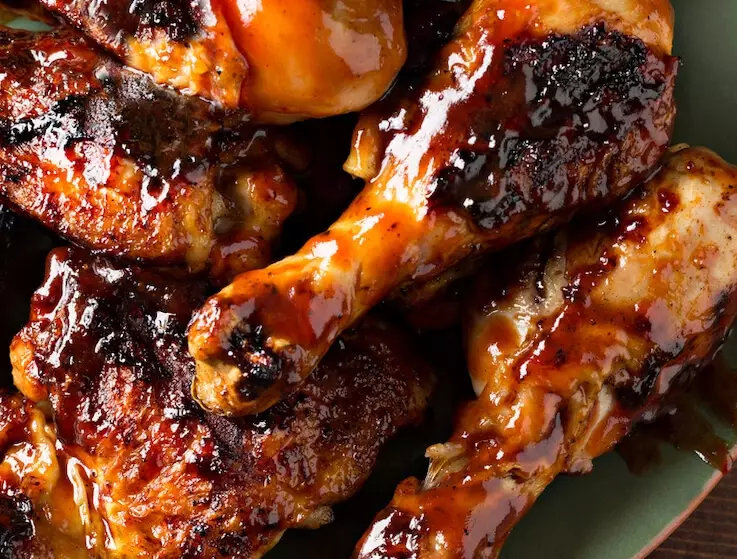
Now, here's the first critical nuance everyone misses: remove the skin, and the numbers shift dramatically. That same drumstick, skinless, drops to about 150-160 calories and only 5-6 grams of fat, while keeping nearly all that precious protein. The skin is where most of the fat and saturated fat lives.
I tell my clients to think of the skin as optional flavor armor. Sometimes you want it (for a crispy treat), sometimes you don't (for a leaner meal). Knowing you have that choice is power.
Dark Meat vs. Light Meat: It's Not a Simple Contest
"Stick to chicken breast." It's the most repeated diet advice. But why? The main difference is fat content. Breast meat is leaner, no doubt. But "leaner" doesn't automatically mean "better for you in every context."
Dark meat, like in drumsticks and thighs, gets its color and slightly higher fat content from more myoglobin and a different muscle fiber type (they're used for sustained activity). This isn't just empty fat—it comes with a denser micronutrient profile.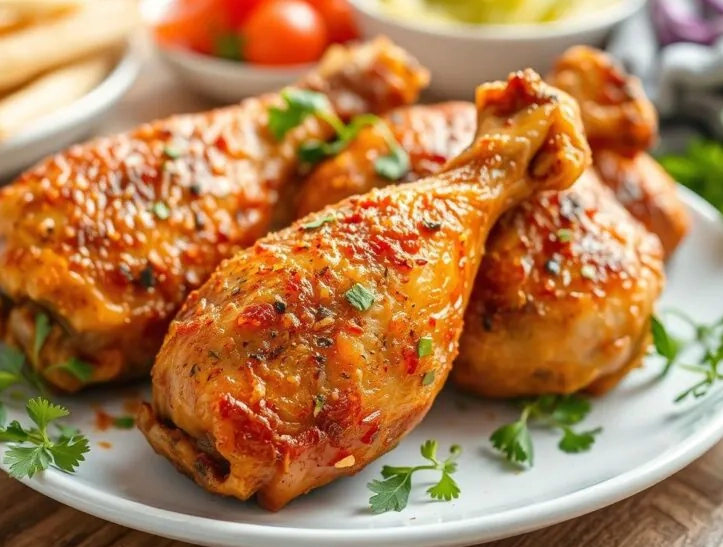
Here's what you gain with a drumstick over a breast: Significantly more iron (crucial for energy, especially for women), almost double the zinc (vital for immune function and metabolism), and higher levels of B vitamins like B12 and niacin. The fat is also a mix—about half is monounsaturated, the same heart-healthy fat found in olive oil.
For someone on a tight budget or struggling to eat enough calories (think active teens or those trying to gain weight), the drumstick is often the smarter, more sustainable choice. The flavor alone means you're more likely to actually enjoy and stick with healthy eating.
Beyond Protein: The Overlooked Health Benefits
Sure, the 20+ grams of protein per drumstick is a headline act. It builds and repairs muscle, keeps you full, and has a high thermic effect. But let's talk about the supporting cast.
Selenium: The Antioxidant Powerhouse
A single drumstick provides over 40% of your daily selenium needs. This mineral is a key component of antioxidant enzymes that protect your cells. Most people don't think about selenium, but it's silently working to support thyroid function and a robust immune system.
Zinc for Metabolism and Immunity
That nearly 20% DV of zinc is a big deal. Zinc deficiency is more common than you think and can mess with your sense of taste, wound healing, and ability to fight off a cold. Drumsticks are a tasty line of defense.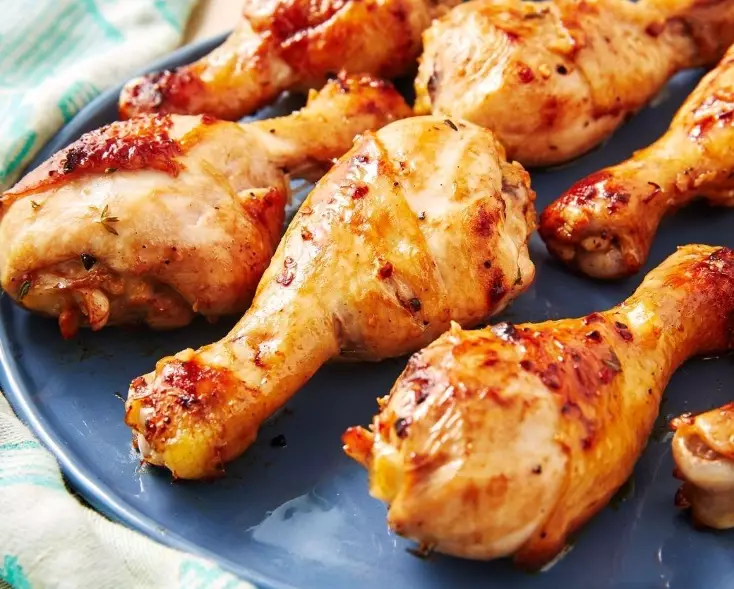
Collagen and Gelatin
This is the hidden gem. Drumsticks, with their bones, skin, and connective tissue, are fantastic for making broth. Simmer them for a few hours, and you extract collagen, gelatin, and minerals. While the science on drinking collagen for skin and joints is still evolving, homemade chicken broth is a classic, gut-soothing, nutrient-rich food that costs pennies to make.
How Cooking Method Drastically Changes the Nutrition
This is where people lose the plot. A baked drumstick and a deep-fried drumstick from a fast-food chain are nutritionally different animals. Let's break down how your choice in the kitchen changes everything.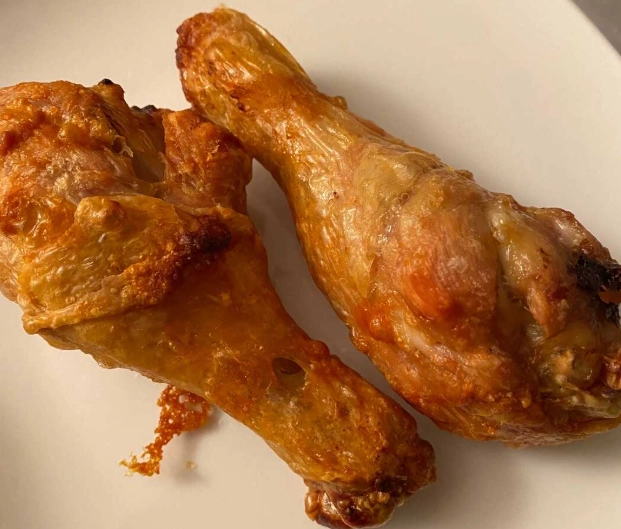
Baking/Roasting: The king of healthy methods. High heat (400-425°F) renders fat out of the skin, which drips away if you use a rack. You get crispiness without submerging the meat in extra oil. Calories stay close to the USDA numbers.
Grilling: Similar to baking. Fat drips through the grates. You get that smoky flavor without added calories. Be careful of charring, which can create potentially harmful compounds. Marinate with some lemon juice or herbs—it's not just for taste; it can help reduce those compounds.
Air Frying: A fantastic modern tool. It circulates hot air to create a crispy exterior with just a light spray of oil (or none at all). It's essentially a super-efficient convection oven. You can get "fried"-like results with a fraction of the fat.
Stewing/Braising: Cooking drumsticks in liquid (like in a curry or soup) keeps them incredibly moist without needing the skin. The nutrients leach into the broth, which you then consume. It's a win-win.
Deep Frying: The game-changer—and not in a good way. A deep-fried drumstick can soak up hundreds of extra calories from the breading and oil. The fat content can easily double or triple. This is the version that gives drumsticks a bad name. Making it at home occasionally is fine, but know it's a different food category entirely.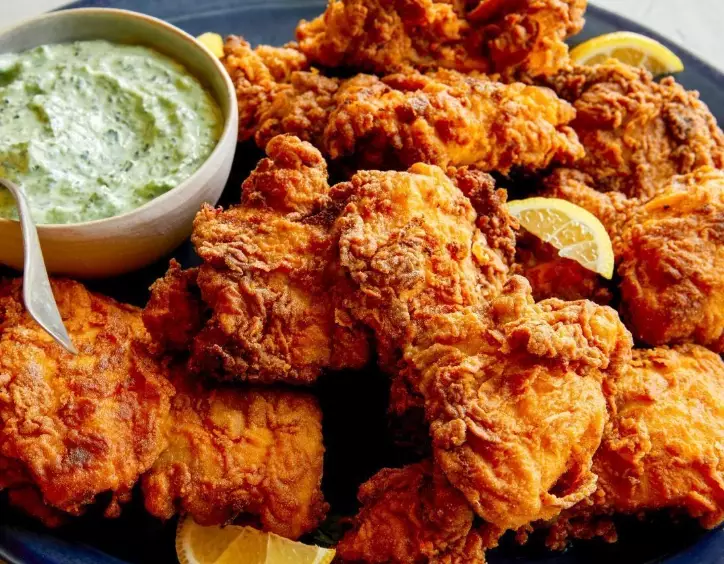
3 Common Mistakes People Make With Drumsticks (And How to Fix Them)
I've seen these over and over.
Mistake 1: Peeling the skin off before cooking. This is the cardinal sin. You toss the skin in the trash, then bake the naked drumstick. What happens? All the moisture escapes, and you're left with a dry, tough, disappointing piece of meat. No wonder people think they need to drown it in sauce.
The Fix: Always cook drumsticks with the skin on. The skin bastes the meat from the inside. If you don't want to eat the skin, simply remove it after cooking. You'll be shocked at how much juicier the meat is.
Mistake 2: Not using a meat thermometer. Guessing if chicken is done is a recipe for either food poisoning or hockey pucks. The fear of undercooking leads most people to overcook.
The Fix: Spend $15 on an instant-read thermometer. Pull drumsticks off the heat when they hit 165°F (74°C) at the thickest part, not touching bone. Let them rest for 5-10 minutes. The carryover heat will finish the job, and the juices will redistribute. Perfect every time.
Mistake 3: Ignoring the bone. People see the bone as an inconvenience. I see it as a built-in flavor infuser and handle. Cooking meat on the bone results in more flavorful, tender meat.
The Fix: Embrace the bone. Score the meat lightly before marinating to let flavors penetrate. After eating, save the bones! Toss them in a freezer bag until you have enough to make a batch of broth.
Putting It Into Practice: Simple, Healthy Recipe Ideas
Let's get practical. Here are two go-to methods that showcase drumstick nutrition at its best.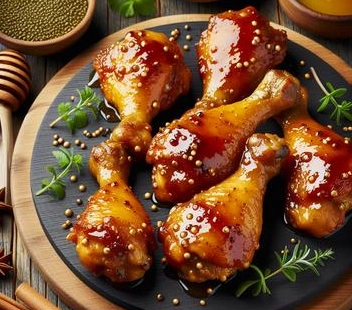
1. The "Set-It-and-Forget-It" Sheet Pan Dinner
This is my weekly meal prep savior. Toss 4-6 drumsticks with a tablespoon of olive oil, smoked paprika, garlic powder, salt, and black pepper. On the same sheet pan, add chopped hardy vegetables: broccoli florets, sweet potato chunks, and onion wedges. Drizzle veggies lightly with oil. Bake at 425°F (220°C) for 35-45 minutes, until the chicken is 165°F and the veggies are caramelized. You have a complete, balanced meal on one pan. After cooking, remove the chicken skin if desired—it will peel right off.
2. Stovetop to Table in 30 Minutes: Herb & Lemon Braise
Pat 4 drumsticks dry. In a deep skillet or Dutch oven, brown them skin-side down over medium-high heat for 5-7 minutes until golden (no extra oil needed—the skin will render its own). Flip, add a cup of low-sodium chicken broth, the juice of a lemon, and a handful of fresh herbs (thyme, rosemary). Bring to a simmer, cover, and reduce heat to low. Cook for 25 minutes. The meat will be fall-off-the-bone tender, and you'll have a light, flavorful sauce. Serve over quinoa or whole-wheat couscous to soak it up.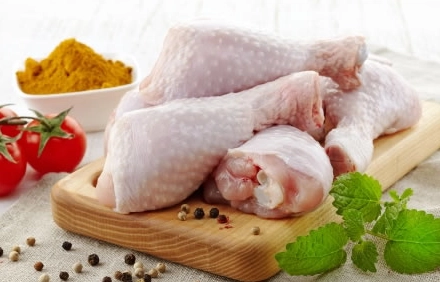
Your Drumstick Questions, Answered
Can I eat chicken drumsticks on a fat loss diet?
Yes, you absolutely can. The key is portion control and cooking method. One large drumstick (with skin, baked) has about 150-180 calories and 20+ grams of protein, which is excellent for satiety. For fat loss, I recommend baking, grilling, or air-frying and removing the skin after cooking to retain moisture. Pair it with a large portion of non-starchy vegetables. The common mistake is pairing it with high-calorie sides like creamy pasta or fries, which sabotages the calorie deficit.
Is the dark meat in drumsticks less healthy than chicken breast?
It's not 'less healthy,' it's different. Breast is leaner, but drumsticks are more nutrient-dense. Dark meat contains more iron, zinc, and B vitamins like B12 and niacin, which are crucial for energy metabolism. The slightly higher fat content (mostly unsaturated) also aids in the absorption of fat-soluble vitamins from other foods in your meal. For most people not on an extremely strict competition diet, the nutritional difference is marginal compared to the benefits of variety, flavor, and cost-effectiveness.
How do I reduce the fat content when cooking drumsticks?
Don't just skin them raw—you'll end up with dry meat. Here's the pro method: Cook them with the skin on using a high-heat method like baking at 425°F (220°C) or grilling. The skin acts as a protective barrier, locking in juices and flavor. Once cooked and rested, simply peel off and discard the crispy skin. You'll save a significant amount of saturated fat while keeping the meat incredibly tender. Another tip is to use a rack when baking so fat drips away.
Are chicken drumsticks a good source of protein for building muscle?
They are an excellent and often overlooked source. A single large drumstick provides over 20 grams of complete, high-quality protein, containing all essential amino acids needed for muscle repair and growth. The advantage over some leaner cuts is that the slightly higher fat content can help in a calorie surplus needed for bulking, and the richer flavor makes it easier to consistently hit your protein targets without meal fatigue. For post-workout, pair it with a complex carb like sweet potato.
So, the next time you're at the grocery store, don't just walk past the drumsticks. See them for what they are: a versatile, nutrient-packed, and budget-friendly option that, when cooked smartly, deserves a regular spot in a healthy diet. It's not about choosing the "best" cut of chicken, but about using the right tool for the right job—and for flavor, satisfaction, and nutritional value, the humble drumstick is a tool you'll want in your kit.
Related Articles