Ultimate Guide to Whole Roast Chicken: Juicy, Crispy & Foolproof
Quick Guide
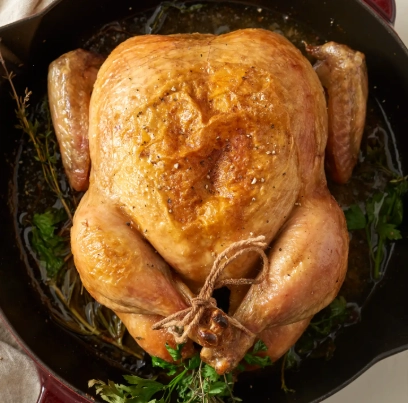
Let's be honest. We've all been there. You see those pictures in a magazine or a cooking show – a glorious, golden-brown whole roast chicken, skin crackling, juices flowing. It looks like the definition of a perfect, comforting meal. Then you try it at home, and... well, it's fine. Maybe the breast is a bit dry. The skin isn't quite that crackle. The flavor is a little... meh. It's good, but it's not that chicken.
I get it. I roasted my share of just-okay chickens before I figured it out. The thing about a whole roast chicken is that it seems simple, but those little details? They make all the difference. It's not about fancy techniques (though we'll touch on a few). It's about understanding a few core principles. This guide is everything I wish I'd known when I started. We're going deep, from picking the bird to carving it up, so you can nail it every single time.
Why bother? Because when you get it right, a whole roast chicken is more than dinner. It's a centerpiece. It's leftovers for sandwiches and soup. It's pure, simple satisfaction. And it's honestly not hard. You just need a roadmap.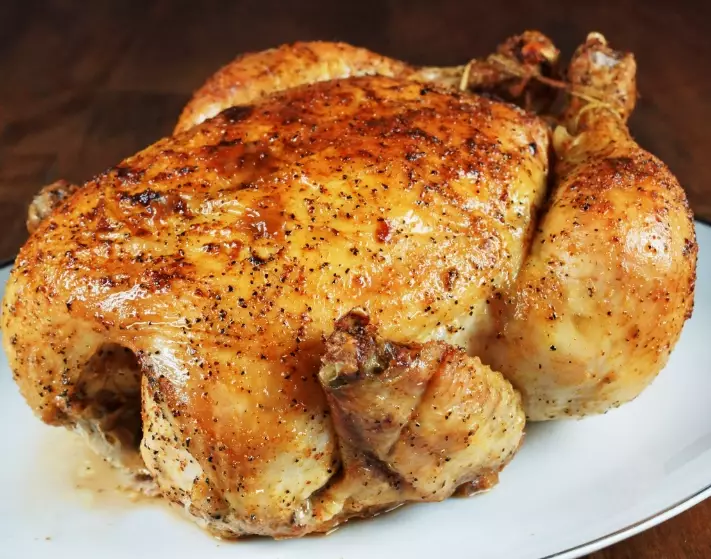
Starting Right: The Bird and The Prep
You can't build a great house on a shaky foundation. Same goes for your roast chicken. The first steps are quietly the most important.
Choosing Your Chicken
Walk into any store and you'll see a wall of labels. What matters? Here's the lowdown, stripped of the marketing fluff.
| Type of Chicken | What It Means (Practically) | Best For Roasting? |
|---|---|---|
| Standard/Conventional | Your basic, affordable chicken. Perfectly fine for learning and everyday meals. Flavor is mild. | Yes. A great starting point. |
| Air-Chilled | Chilled with air, not water. This means less water absorbed, so the skin dries out easier for crisping. The meat can taste a bit more concentrated. | Highly recommended. Makes crispy skin much easier to achieve. |
| Free-Range/Organic | Specific living and feed standards. In my experience, the flavor is often richer and the texture can be firmer (in a good way). It's a noticeable step up. | Yes, for a special meal. The flavor payoff is real. |
| Kosher | Pre-salted during processing. It's already seasoned inside! Be careful adding extra salt. | Yes, but adjust your seasoning plan. The brine makes it very juicy. |
My go-to? An air-chilled bird, around 4 to 4.5 pounds. Bigger than that, and the legs and breast cook at wildly different rates. Smaller, and it's easy to overcook in a flash. Size matters here.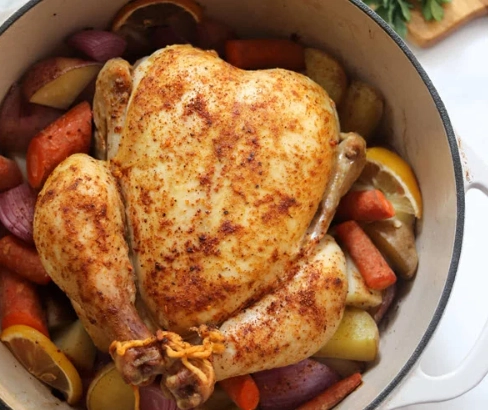
Confession time: I used to grab whatever was cheapest. Then I tried a properly raised, air-chilled chicken on a whim. The difference wasn't subtle. The meat had an actual chicken flavor, not just a generic "protein" taste. It was a game-changer for my whole roast chicken ambitions. Now I save the premium bird for weekends and stick with good air-chilled ones during the week.
The Non-Negotiables: Drying and Seasoning
This is the secret handshake of the roast chicken world. If you remember one thing, remember this: dry skin = crispy skin. Wet skin steams. Steam is the enemy of crackle.
As soon as you unwrap your chicken, pat it absolutely dry, inside and out, with a mountain of paper towels. Get into the nooks and crannies. Be ruthless. Leave it uncovered on a plate in the fridge for a few hours, or even overnight, if you're planning ahead. This air-drying is the ultimate crispy skin hack.
Now, seasoning. Salt is not just for taste; it pulls moisture to the surface, helps with browning, and seasons the meat all the way through if you have time. For the juiciest, most flavorful result, salt the bird generously under the skin (on the meat itself) and inside the cavity at least an hour before cooking. Overnight is magic. This is called dry-brining, and it's a cheat code for juicy meat.
Pro Tip: Don't just salt the outside. Gently slide your fingers between the skin and the breast meat to loosen it. Sprinkle salt directly on that meat. This is where it counts. For herbs, classic is classic for a reason: a whole lemon (pricked), a halved head of garlic, and a bunch of thyme or rosemary stuffed in the cavity perfume the meat from the inside out.
What about trussing? Tying the legs together? It gives a nice, compact shape for even cooking, but I've found it's not strictly necessary for a home cook. If you're going for looks, do it. If not, tucking the wingtips under and leaving the legs free is perfectly fine. They'll brown up nicely.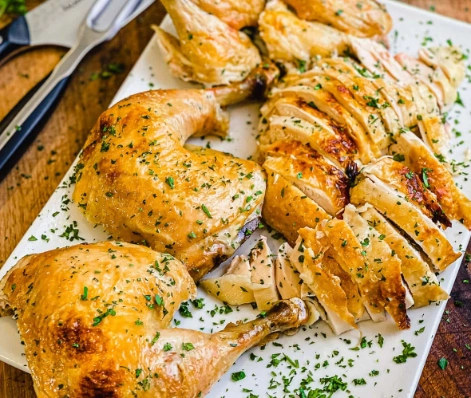
The Main Event: How to Actually Roast the Chicken
Okay, bird is prepped. Now for the heat. Here's where opinions fly, but I'll tell you what has worked relentlessly for me after a lot of trial and (sometimes smoky) error.
Temperature and Timing: The Great Debate
High heat? Low and slow? I've settled on a hybrid method that gives you the best of both worlds: crispy skin and juicy meat.
- Start Hot: Preheat your oven to 425°F (220°C). Yes, that's hot. Place your chicken on a rack in a roasting pan or a sturdy skillet. The rack is key—it lets hot air circulate all around.
- Blast for Color: Roast at this high temp for about 30 minutes. This initial blast sets the skin, starts the Maillard reaction (that's the fancy term for delicious browning), and gets the fat rendering.
- Finish Gentle: After 30 minutes, reduce the heat to 350°F (175°C). Don't open the door! Just turn the dial. Let it finish cooking at this gentler temperature. This allows the heat to penetrate to the bone without torching the outside.
Total time? The old "20 minutes per pound" rule is a decent starting guide, but it's a liar. The only truth-teller is a good instant-read thermometer.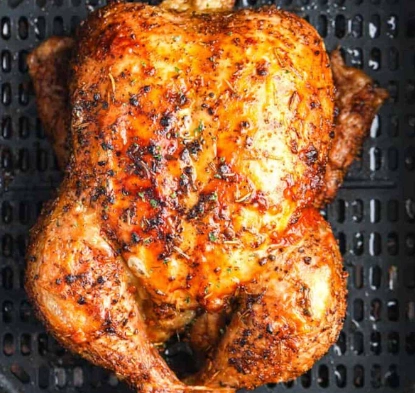
⚠️ The Most Important Tool You'll Buy: A digital meat thermometer. Stop guessing. Stop cutting into it and letting all the juices out. For a perfect whole roast chicken, you need to know the internal temperature. It takes all the stress out.
Insert the thermometer into the thickest part of the thigh, avoiding the bone. You're looking for 165°F (74°C). The breast should read around 155-160°F (68-71°C). Remember, it will keep cooking while it rests (more on that in a second). According to the USDA's food safety guidelines, poultry is safe to eat at 165°F. Pulling it just as it hits that temp in the thigh ensures the breast won't be overdone.
Should you baste? Basting with pan juices can add flavor and color, but every time you open the oven door, you lose heat and slow cooking. I rarely do it. The fat from the chicken skin will render and do its own basting job. If you want to, do it quickly once during the lower-heat phase.
Position and Pan Juices
Chicken on a rack, breast-side up. That's the standard. Some swear by starting breast-side down to protect the white meat, then flipping. It's a hassle, and I've gotten great results without the flip. If your chicken is drying out, it's more likely an issue of overcooking or not salting early enough, not position.
Now, those glorious pan juices. Don't waste them! They're liquid gold. While the chicken rests, you can make a simple gravy. Tilt the pan, spoon off most of the clear fat (save it for roasting potatoes—trust me), then put the pan on the stove over medium heat. Add a splash of wine or broth to scrape up the browned bits (the "fond"), let it simmer, and maybe thicken it with a little flour slurry. It takes five minutes and elevates the whole meal.
The Final, Critical Step: Resting and Carving
This is the step everyone wants to skip. You're hungry. It looks amazing. But you must let it rest. When meat cooks, the juices are driven to the center. If you cut immediately, those juices will just run out all over your cutting board, leaving the meat dry. Resting allows the juices to redistribute back throughout the meat.
Transfer your whole roast chicken to a cutting board. Loosely tent it with foil—don't wrap it tightly, or the steam will ruin your crispy skin. Let it sit for at least 15-20 minutes. For a larger bird, go 25-30. Use this time to finish your sides, make that quick gravy, or just pour yourself a drink. It's not downtime; it's a crucial part of cooking.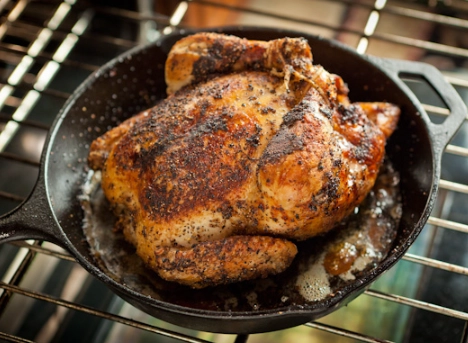
How to Carve Without Making a Mess
Carving intimidates people. It shouldn't. You're not on a cooking show. Just follow a logical order.
- Remove the Legs: Hold the end of the drumstick, pull it gently away from the body, and slice through the skin and joint connecting it. Separate the thigh and drumstick if you like.
- Remove the Wings: Same idea. Pull the wing out and cut through the joint where it meets the breast.
- Remove the Breasts: Make a long, horizontal cut along the top of the breastbone (the keel bone). Then, sliding your knife along the rib cage, cut one entire breast off in one piece. Repeat on the other side. You can then slice these breasts crosswise into smaller pieces if you want.
There. It's done. Serve it up with those pan juices or gravy spooned right over the top.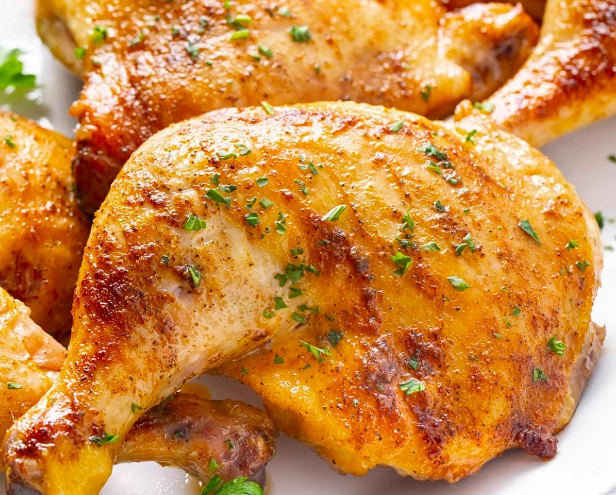
Your Whole Roast Chicken Questions, Answered
Taking It Further: Flavor Variations and Pro Moves
Once you've mastered the basic, perfect juicy roast chicken, the world is your oyster. Or your herb garden.
Global Flavors: Swap the classic herbs. Go Mediterranean with lemon, oregano, and garlic. Moroccan with cumin, paprika, and saffron rubbed under the skin. Asian-inspired with soy sauce, ginger, and scallions in a marinade (just pat super dry before roasting).
Compound Butter: This is a superstar move. Soften some butter and mix in chopped herbs, garlic, lemon zest, and pepper. Gently lift the chicken skin and spread this butter directly onto the breast meat before roasting. It bastes the meat from the inside for insane flavor and moisture.
The Ultimate Crispy Skin Trick (from the pros): After drying the chicken, rub a very, very small amount of cornstarch or baking powder (like 1 tsp total) mixed with your salt all over the skin. The alkaline nature promotes browning and blistering for skin that shatters like glass. Handle with a light touch, though.
At the end of the day, a great whole roast chicken isn't about perfection. It's about a juicy, flavorful, satisfying meal that feels like a hug on a plate. It's about the confidence to know you can make something truly wonderful with just a few good ingredients and some know-how. Don't stress over every second. Use the thermometer, let it rest, and enjoy the process. The mistakes you might make along the way? They still taste pretty good. Now go preheat that oven.
Related Articles