Perdue Grilled Chicken Shortcuts: The Complete Guide for Busy Cooks
Quick Guide
- What Exactly Are Perdue Grilled Chicken Shortcuts?
- The Nitty-Gritty: Nutrition, Ingredients, and Cost
- How to Actually Cook With Them (Without Making Them Soggy)
- How Do They Stack Up Against the Competition?
- The Honest Pros and Cons
- Answering Your Burning Questions (FAQ)
- Final Verdict: Who Should (and Shouldn't) Buy Them
Let's be real for a second. The 5 PM scramble is a universal experience. You're tired, the kids are hungry, and the thought of thawing chicken, seasoning it, and babysitting it on the grill feels like climbing a mountain. That's where products like Perdue grilled chicken shortcuts swoop in, promising a way out of the dinner-time chaos. I've seen them in the refrigerated aisle for years, tucked near the lunch meats and bacon. The packaging is bright, the promise is huge: "Fully cooked." "Grilled flavor." "Ready in minutes." But is it any good? Is it healthy? And most importantly, is it worth swapping for the real deal?
I decided to go beyond just trying a bag. I've cooked with them, read every label, compared prices, and even messed up a recipe or two to figure out their limits. This isn't a sponsored post—just one perpetually busy home cook trying to see if these grilled chicken shortcuts are a genuine kitchen hack or just another processed food trap. So, if you've ever stood in the supermarket aisle wondering, "Should I?", this guide is for you. We're going to dissect everything from the sodium content to the best way to crisp them up, and whether they can actually save your Tuesday night.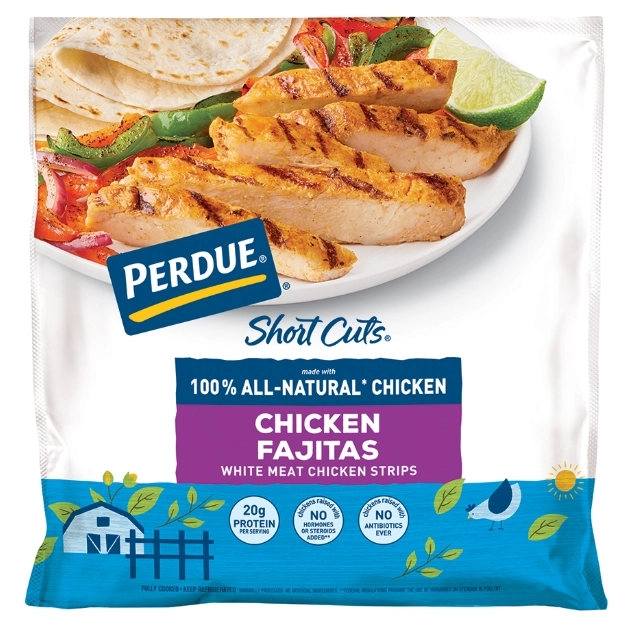
What Exactly Are Perdue Grilled Chicken Shortcuts?
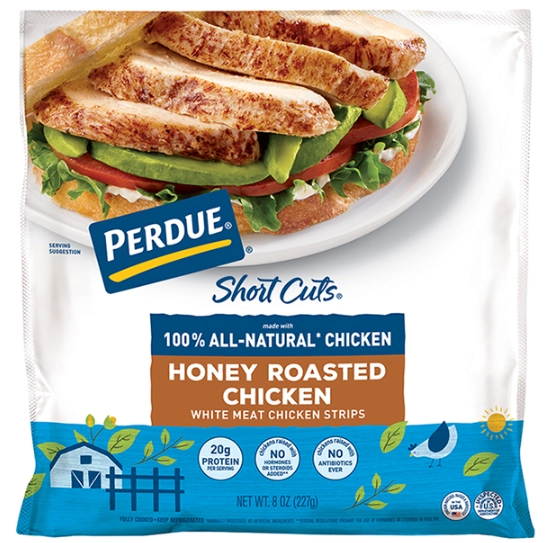
First things first, let's clear up what you're buying. Perdue Shortcuts are not raw chicken. They're not even like those preseasoned, uncooked chicken strips. They are fully cooked strips of white meat chicken that have been grilled and then packaged. You find them in the refrigerated section (not frozen), usually in 6-9 ounce bags. The idea is simple: open the bag, take out what you need, heat, and serve. They come in a few flavors like Original Grilled, Italian Style, and Rotisserie Seasoned, which basically means different marinades or spice blends applied before cooking.
The texture is the first thing you'll notice. It's fully cooked chicken breast, so it's not going to have that juicy, just-off-the-grill bite of something you cook yourself. It's more... consistent. Some might say softer. But that's the trade-off, right? You're trading optimal texture for time. The flavor comes from the marinade, which does a decent job of mimicking grilled notes, though it can sometimes lean a bit salty or have that distinct "pre-cooked" taste if you don't doctor it up. I find the Original and Rotisserie ones to be the most versatile blank canvases.
The Nitty-Gritty: Nutrition, Ingredients, and Cost
This is where most people's questions live. Let's break it down without any sugar-coating.
Nutrition Facts Face-Off
I pulled the label for the Perdue shortcuts original grilled variety and compared it to the USDA data for a plain, skinless, boneless chicken breast you'd cook at home. Here's a snapshot per 3oz (85g) serving, which is about the size of a deck of cards.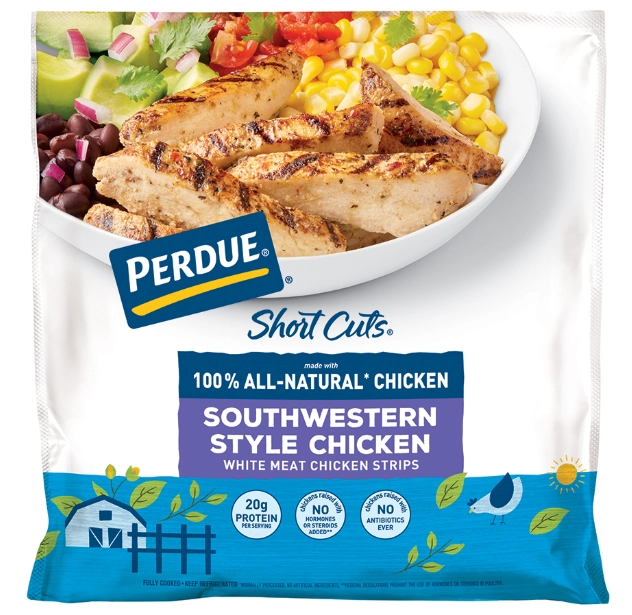
| Nutrient | Perdue Shortcuts (Original Grilled) | Homemade Grilled Chicken Breast |
|---|---|---|
| Calories | 90 | 128 |
| Total Fat | 2g | 2.7g |
| Saturated Fat | 0.5g | 0.7g |
| Sodium | 480mg | ~65mg (natural) |
| Protein | 16g | 26g |
| Ingredients | Chicken, Water, Seasoning, Modified Food Starch, etc. | Chicken, maybe salt/pepper. |
See that sodium number? It jumps out. A single serving of Perdue grilled chicken strips has about 20% of your daily recommended limit. The homemade version has virtually none unless you salt it. This is the biggest compromise. The protein content is also lower, which makes sense because the product contains added water and ingredients. If you're strictly managing sodium intake, this is a major point to consider. The fat and calories are slightly lower, but that's largely due to the dilution from added water.
What's Actually In the Bag?
The ingredient list is longer than just "chicken." For the Original flavor, you'll see: Chicken Breast with Rib Meat, Water, Seasoning (Salt, Sugar, Garlic Powder, Onion Powder, Spices, Chicken Broth, Natural Flavor), Modified Food Starch, Soybean Oil, Grill Flavor (from Sunflower Oil).
It's not a terrifying list of chemicals, which is good. The "natural flavor" is vague, but common. The modified food starch helps retain moisture. My personal gripe? The sugar. It's not much, but it's there, and I can sometimes detect a faint sweetness that I don't love in a savory dish. It's a processed food, albeit a minimally processed one compared to some freezer aisle options.
The Price of Convenience
Ah, the cost. This is a big one. On a per-pound basis, Perdue chicken shortcuts are significantly more expensive than buying raw chicken breast. You're paying for the labor of cooking, seasoning, and packaging. A 9oz bag might cost around $6-7, which translates to over $10 per pound. You can often buy a whole pound of raw, organic chicken breast for that price.
So why buy them? You're not just buying chicken. You're buying time, guaranteed no-cook-fail, and reduced cleanup. For a busy parent or someone cooking for one who hates dealing with raw chicken, that premium can be worth it on a crazy night. It's a strategic purchase, not an everyday staple.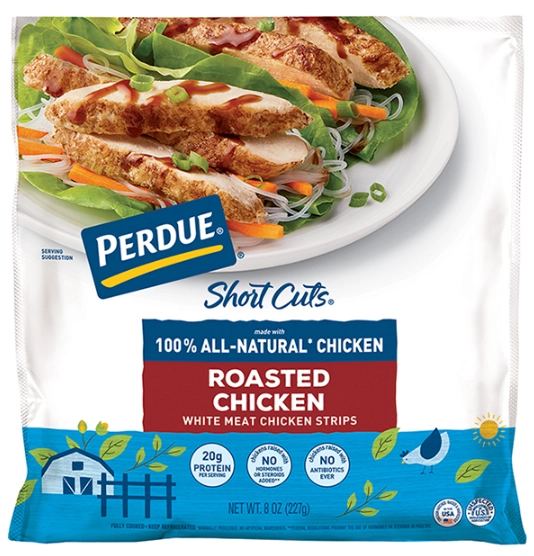
How to Actually Cook With Them (Without Making Them Soggy)
This is crucial. Just dumping them from the bag into a pan can lead to a mushy, unappetizing result. The key is to re-crisp and re-heat them properly to improve texture and drive off excess moisture.
Top Methods Ranked
- Skillet/Sauté Pan (The Best Method): Heat a bit of oil or butter in a non-stick skillet over medium-high heat. Add the Perdue shortcuts in a single layer. Don't crowd the pan. Let them sit for 1-2 minutes without stirring to get a little color and crispness on one side. Then toss or stir for another 2-3 minutes until heated through. This method gives you the most control and the best chance at a decent texture.
- Air Fryer (The Crispiest Option): Toss the strips with a tiny bit of oil and air fry at 375°F for 3-5 minutes, shaking halfway. This works surprisingly well to mimic a grilled texture and is my go-to when I want them for a salad or bowl.
- Oven/Broiler (For Larger Batches): Spread on a baking sheet and broil on high for 2-4 minutes, watching closely to prevent burning. The dry heat can help firm them up.
- Microwave (The Last Resort): Only do this if you're going to mix them into a sauce or soup where texture doesn't matter. Microwaving will make them steam and become rubbery.
Where They Shine: Best Uses & Recipe Ideas
These aren't meant to be the star of a gourmet meal. They're a supporting actor. Use them where their convenience outweighs the need for perfect, juicy chicken.
- Weeknight Salads: The absolute top use. Toss heated strips into a Caesar, Cobb, or garden salad. Done.
- Quick Wraps & Quesadillas: Chop them up, mix with cheese, veggies, and sauce. The other flavors mask any texture shortcomings.
- Pasta Dishes & Casseroles: Stir into a simmering Alfredo or marinara sauce during the last few minutes of cooking. The sauce re-hydrates and flavors them perfectly.
- Fried Rice & Stir-fries: Add them at the very end, just to warm through. If you add them too early, they'll break down.
- Simple Protein Bowls: Layer over rice or quinoa with roasted veggies, avocado, and a yummy sauce.
My Go-To 10-Minute "Life Saver" Bowl
This is my fallback when I have zero energy. Cook a pouch of 90-second rice. While it's hot, toss in a handful of spinach to wilt. In a separate pan, crisp up a serving of Perdue grilled chicken shortcuts (the Rotisserie flavor is great here). Dump the chicken into the rice bowl. Top with a dollop of store-bought hummus, a sprinkle of everything bagel seasoning, and a drizzle of hot sauce. It's oddly satisfying, balanced, and truly takes 10 minutes.
How Do They Stack Up Against the Competition?
Perdue isn't the only player. Tyson, Foster Farms, and store brands like Kirkland (Costco) or Marketside (Walmart) all have their versions. I've tried a few. Here's my honest, non-scientific breakdown.
Tyson Grilled & Ready: Very similar in texture and taste. Sometimes found for a slightly lower price. I find their seasoning a touch more artificial-tasting, but it's a close call. Foster Farms: Less widely available where I am, but comparable. Store Brands: This is where it gets interesting. The Costco Kirkland version is a fantastic value in a big bag, but you have to freeze it (texture suffers a bit after thawing). Walmart's Marketside version is cheaper and, in my opinion, almost indistinguishable from Perdue. If you're on a budget, the store brand is almost always the smarter buy for a product this simple.
The real competitor, though, isn't another brand. It's the "meal prep" alternative. Spending an hour on Sunday grilling or baking a few pounds of your own chicken breast, seasoning it how you like, and storing it in the fridge. It's cheaper, healthier (you control the salt), and tastes better. But it requires that upfront time and effort, which is the exact commodity Perdue shortcuts are selling you back.
The Honest Pros and Cons
Let's cut to the chase.
Why You Might Love Them (The Pros)
- Speed: This is the #1 reason. Dinner in 10 minutes is real.
- No Raw Chicken Hassle: No thawing, no trimming, no cross-contamination worries. For those uneasy about handling raw poultry, this is a big win.
- Consistent & Safe: They're always cooked through. You'll never serve undercooked chicken.
- Reduced Food Waste: Use what you need, reseal the bag. Great for singles or small households.
- Decent Protein Boost: While not as high as fresh chicken, 16g of protein per serving is still solid for a quick fix.
Why You Might Pass (The Cons)
- High Sodium: The biggest nutritional downside, by far.
- Texture: It's never going to be as good as fresh-cooked. It can be soft or slightly rubbery if not reheated properly.
- Cost: An expensive way to buy chicken.
- Flavor Limitations: You're stuck with their seasoning profiles. Want just plain chicken? Too bad.
- Processing: Contains additives (starch, "natural flavor") that pure chicken doesn't have.
My take? They're a strategic convenience item, not a pantry staple. I keep a bag in the fridge for true emergency nights, but I don't rely on them daily. The sodium is a real turn-off for regular use.
Answering Your Burning Questions (FAQ)
I get it. You still have questions. Here are the ones I had and the ones I see people asking online.
Final Verdict: Who Should (and Shouldn't) Buy Them
After all this, here's my straight talk.
You should try Perdue grilled chicken shortcuts if: You are constantly time-crunched, hate handling raw chicken, are cooking for one or two and struggle with waste, or need a guaranteed-easy protein for lunches. They are a legitimate tool for managing a hectic kitchen.
You should probably skip them if: You are on a strict low-sodium diet, are on a very tight food budget, are a food purist who values texture and flavor above all else, or you already have a solid weekly meal prep routine.
Look, no one is claiming Perdue shortcuts are a culinary masterpiece. They're a convenience product, full stop. But in the modern world where time is a currency, they have real value. Just go in with your eyes open: know about the sodium, know how to cook them right, and don't expect them to taste like your weekend barbecue. Used strategically—as an emergency backup, a salad topper, or a weeknight component—they can absolutely make your life easier. And sometimes, that's worth the extra few bucks and a bit of extra salt.
Will I keep a bag in my fridge? For those inevitable crazy nights, yes. But will it replace the smell of real chicken on my grill? Never.
Related Articles