Are Chicken Wings Dark Meat? The Definitive Guide & Science Explained
Key Insights
- The Real Science: Why Muscles Become "Dark" or "White"
- But Wait, They Don't *Look* As Dark As Thighs...
- What This Means for Your Cooking (This is Where It Gets Good)
- Dark Meat vs. White Meat: A Side-by-Side Breakdown
- Nutrition: Are Dark Meat Chicken Wings Less Healthy?
- Putting It All Together: A Practical Guide for Home Cooks
- The Final Verdict
You're prepping for game day, gathering ingredients for a big batch of buffalo wings, and the question pops into your head. It seems simple, right? But then you start thinking about it. Chicken breasts are clearly white meat. Thighs are definitely dark meat. But wings? They're kind of in this weird middle zone. Are chicken wings dark meat like the legs, or are they something else entirely?
I used to be totally confused about this myself. I'd follow recipes that treated wings differently than thighs, and it never made sense. Then I started digging into the actual science of it—you know, beyond just what my grandma told me—and the answer is actually pretty fascinating. It's not just a culinary preference; it's rooted in biology, muscle function, and even how the chicken lived its life.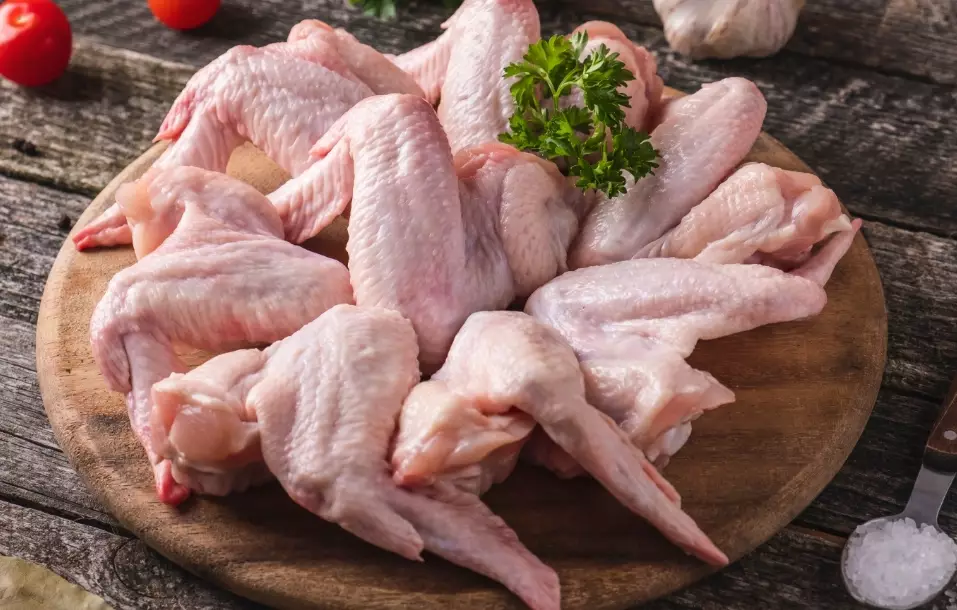
The Real Science: Why Muscles Become "Dark" or "White"
This isn't about the color of the skin or a chef's opinion. The difference between dark and white meat boils down to one thing: the type of muscle fiber and what it's used for. Think of it like the difference between a sprinter and a marathon runner.
White meat muscles (like the breast or tenderloin) are for short, explosive bursts of activity. A chicken flaps its wings furiously to escape a predator or fly up to a roost. That's a quick, powerful movement. These muscles are called "fast-twitch" fibers. They rely on a stored energy source called glycogen for fuel, which doesn't require much oxygen from the blood. Less oxygen means less myoglobin—the protein that stores oxygen in muscle. Myoglobin is dark red. Less myoglobin equals lighter-colored meat.
Now, dark meat muscles (like thighs and drumsticks) are the workhorses. They're for sustained activity—standing, walking, scratching the ground all day long. These are "slow-twitch" fibers. They need a constant supply of oxygen to burn fat for energy over long periods. To get that oxygen, they're packed with myoglobin and have more capillaries (tiny blood vessels). More myoglobin and blood equals darker, redder meat.
So where do wings fit? A chicken's wings are primarily used for balance and those occasional explosive flaps. The major muscles in the wing (the ones that give you those meaty drumette and flat pieces) are actually used more for sustained positioning and minor adjustments. They have a higher proportion of slow-twitch fibers than the breast, landing them squarely in the dark meat camp from a biological standpoint.
But Wait, They Don't *Look* As Dark As Thighs...
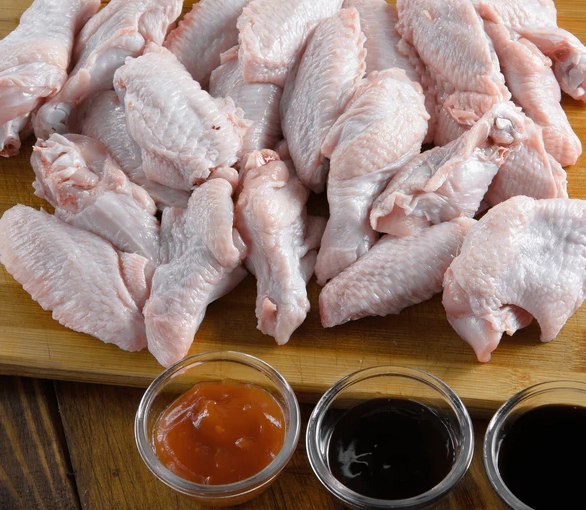
You're not wrong. This is the biggest point of confusion, and it's why so many people get tripped up. If you lay a skinless chicken breast, a thigh, and a wing side-by-side, the wing meat often looks paler than the thigh. It's a sort of pinkish-gray, right in the middle.
Why the discrepancy between the technical classification and the visual?
First, the wing is a smaller, more compact muscle. It has a different ratio of fat, connective tissue, and blood flow compared to a large, weight-bearing thigh. The myoglobin concentration is high enough to classify it as dark meat, but it might not manifest in the same deep, reddish-brown hue.
Second, and this is key, the wing has two distinct meat sections—the drumette and the flat (or wingette). The meat on the drumette, which is closer to the body and works harder, tends to be slightly darker and more flavorful than the meat on the flat section, which is at the extremity. When you mix them together in a bucket, you get an average color that can be misleading.
I remember arguing with a friend about this at a barbecue. He was adamant wings were white meat because "they're not that dark." I had to pull up the USDA's own documentation on poultry classification to win that one. It's a common hill to die on, apparently.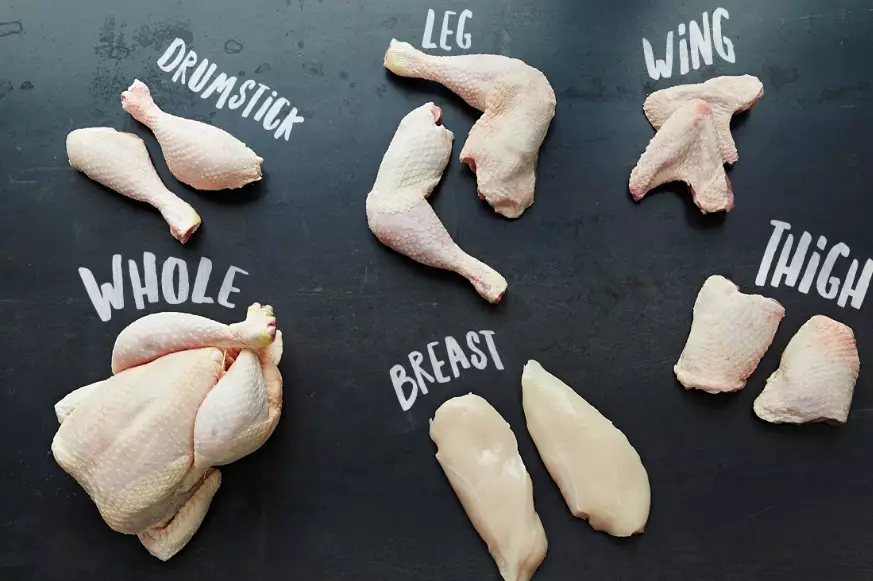
What This Means for Your Cooking (This is Where It Gets Good)
Okay, so they're dark meat. Big deal. Why should you care? Because this single fact is the secret to cooking the most juicy, flavorful, fall-off-the-bone chicken wings you've ever made. Treating them like white meat (i.e., quick, high-heat sear only) is the number one reason people end up with tough, rubbery, or undercooked wings.
The Dark Meat Cooking Principle
Dark meat has more fat and more connective tissue (collagen). This is a blessing, not a curse. Connective tissue needs time and moisture (or high, sustained dry heat) to break down and transform into succulent, mouth-watering gelatin. If you don't give it that time, it stays tough.
That's why the most legendary wing recipes often involve a two-step process: a lower-temperature cook to render fat and tenderize, followed by a high-heat blast to crisp the skin. Baking, slow-roasting, braising, or confiting before frying or broiling. This approach respects the dark meat nature of the wing.
Think about classic wing preparations. Buffalo wings are deep-fried—a sustained, high-heat cooking method perfect for dark meat. Smoked wings are cooked low and slow for hours. Even "oven-fried" recipes call for a longer bake time. They all unconsciously acknowledge the answer to are chicken wings dark meat.
Dark Meat vs. White Meat: A Side-by-Side Breakdown
Let's make this crystal clear. Here’s how wings stack up against the classic examples of white and dark meat on a chicken.
| Chicken Part | Official Classification | Primary Muscle Use | Key Characteristics | Best Cooking Methods |
|---|---|---|---|---|
| Breast | White Meat | Explosive flapping (fast-twitch) | Very lean, low fat, delicate flavor, can dry out easily | Quick grilling, pan-searing, sautéing |
| Thigh & Drumstick | Dark Meat | Standing, walking (slow-twitch) | Higher fat, more connective tissue, rich flavor, stays juicy | Braising, roasting, stewing, slow-grilling |
| Wing (Drumette & Flat) | Dark Meat | Balance, sustained positioning (mix of fibers) | Moderate fat, connective tissue, rich flavor, smaller size | Frying, baking/roasting (two-stage), braising, smoking |
See? The wing’s profile—fat content, connective tissue, recommended cooking methods—aligns far more closely with the thigh than the breast. This table should end the debate for any practical cook.
Nutrition: Are Dark Meat Chicken Wings Less Healthy?
This is a huge question people have once they learn are chicken wings dark meat. There's a pervasive myth that white meat is always the "healthy" choice and dark meat is the "indulgent" one. Let's get real about the numbers.
The Skin is the Game-Changer: When comparing skinless cuts, the nutritional difference between white and dark meat shrinks dramatically. Dark meat has slightly more calories and fat, but it's also richer in certain nutrients like iron, zinc, and B vitamins. The real calorie and fat bomb? The skin. A chicken wing with the skin on has a significantly higher fat content than a skinless breast, regardless of meat type.
So, if you're eating wings for a treat (and let's be honest, most of us are), you're signing up for that higher fat content mainly from the delicious, crispy skin, not solely because it's dark meat. Baking instead of deep-frying can help manage that, but it's still a richer food. And that's okay—balance is key.
The USDA FoodData Central database is a fantastic resource for checking these numbers yourself. For example, their entry for chicken wing, meat and skin gives you the raw data. You can see the iron content is higher than in a skinless breast, which aligns with the dark meat profile.
Your Burning Questions About Chicken Wings, Answered
Myths We Need to Bust Right Now
- Myth: "Dark meat is tougher." Truth: When cooked properly (with time to break down connective tissue), dark meat is incredibly tender and juicy. Undercooked dark meat is tough.
- Myth: "The color difference is from blood." Truth: It's from myoglobin, not blood. Properly slaughtered and processed chicken has very little blood left in the muscles.
- Myth: "Free-range chickens have darker meat everywhere." Truth: More activity can lead to slightly darker meat overall and more developed muscles, but the fundamental classification of breast vs. thigh vs. wing remains the same based on muscle function.
Putting It All Together: A Practical Guide for Home Cooks
Let's move from theory to your kitchen. Here’s your actionable checklist, now that you know the truth about wings.
- Look for plump wings with intact, smooth skin. Avoid any that look dried out or have a grayish tint.
- Remember, you're buying a fatty, flavorful dark meat cut. Don't expect it to be as lean as a breast.
- Consider buying whole wings and separating them yourself (drumette, flat, tip). It's often cheaper, and you can use the tips for stock.
- Don't Rush the Cook: Plan for a longer, slower cooking phase to tenderize. This can be a low-temperature oven, a simmer in sauce, or the first stage of smoking.
- Embrace Fat: You don't need to add much oil. The skin and meat have enough fat to render and help the cooking process. Pat them dry first for maximum crispiness.
- High Heat is for Finishing: Use intense heat (broiler, hot grill, second fry) at the END to make the skin irresistibly crispy without overcooking the now-tender meat.
- Season Generously: Dark meat can handle and benefits from bold flavors—spicy rubs, garlic, herbs, tangy sauces.
I learned this the hard way. I followed a "quick 20-minute broil" recipe for wings and they were nearly inedible—chewy, with rubbery skin. The recipe was treating them like white meat, and it failed miserably. Now, my go-to is tossing them in baking powder and salt, letting them dry in the fridge overnight (this helps the skin), then baking at 250°F for 30 minutes, followed by 425°F for 40-50 minutes until super crispy. It takes time, but it respects what the wing is.
The Final Verdict
So, after all that science, cooking talk, and myth-busting, let's circle back to the core question: Are chicken wings dark meat?
The definitive answer is yes. By the scientific standard of myoglobin content and muscle fiber type, chicken wings are classified as dark meat. This isn't a culinary opinion; it's a biological fact backed by sources like the USDA.
But more importantly, understanding this fact is a superpower in the kitchen.
It explains why certain cooking methods work miracles and others fail. It tells you why wings have that richer, more satisfying flavor compared to a breast. It turns you from someone who just follows a recipe into someone who understands the *why*, allowing you to adapt and create your own perfect wing masterpiece.
The next time you're at the store or planning a meal, you'll know the truth. The humble chicken wing is a piece of dark meat, deserving of the same slow-and-low respect you'd give a thigh. Treat it right, and it will reward you with some of the most delicious, crowd-pleasing bites you can make.
Now, if you'll excuse me, all this talk has made me crave some wings. I think I know exactly how I'm going to cook them.
Related Articles