No Antibiotics Ever Chicken: Your Guide to Healthier Choices & Tastier Meals
You've seen it in the meat aisle: that little phrase "No Antibiotics Ever" stamped on packs of chicken. It costs a few dollars more. You've probably picked it up, wondered if it's worth it, and maybe put it back. I did that for years. Then I started raising a few backyard chickens myself, and let me tell you, it changed how I see that plastic-wrapped breast in the supermarket.
This isn't just about fear-mongering over superbugs or feeling morally superior. It's about flavor, texture, and understanding what you're actually feeding your family. The "No Antibiotics Ever" (let's call it NAE) label is a signal, but it's what's behind that signal that matters.
What's Inside This Guide?
What Does "No Antibiotics Ever" Really Mean? (Decoding the Labels)
At its simplest, it means the chicken never received antibiotics—not in its feed, not in its water, not even as a chick in the egg. This is different from "antibiotic-free," a term the U.S. Department of Agriculture (USDA) actually discourages because it's too vague. The USDA oversees these claims.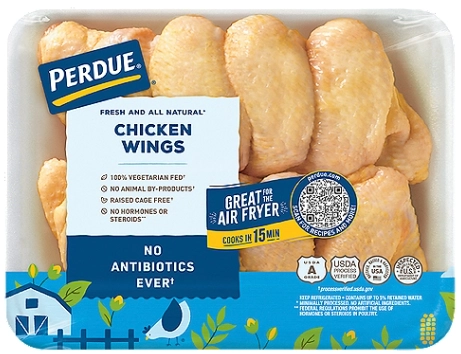
Here's where people get tripped up. "No Antibiotics Ever" is a husbandry practice. It doesn't automatically mean the chicken was organic, free-range, or ate a gourmet diet. It could still have been raised in a crowded barn. That's why you need to look at the whole label.
Let's break down how it stacks up against other common claims you'll see.
| Label Claim | What It Means | Does It Imply NAE? |
|---|---|---|
| No Antibiotics Ever (NAE) | Chicken never received antibiotics, period. Verified by USDA. | Yes, this is the claim itself. |
| Organic (USDA) | No antibiotics ever, 100% organic feed, outdoor access required. | Yes, it's a requirement. |
| Raised Without Antibiotics | Similar to NAE, but phrasing may vary. Look for a USDA shield. | Typically yes, but verify. |
| Natural | Minimally processed, no artificial ingredients. Says nothing about antibiotics. | No. This label is almost meaningless for farming practices. |
| Conventional (No Claim) | Antibiotics may be used for disease treatment or prevention (not for growth promotion since 2017). | No. |
I once bought "all-natural" chicken thinking it was a step up. Felt pretty silly when I realized it told me nothing about how the bird lived or what it was given. Lesson learned.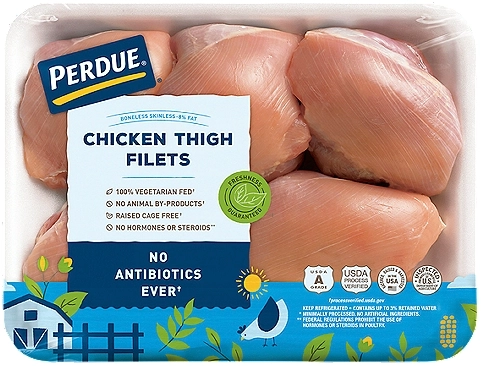
Why Bother? The Real Benefits Beyond the Hype
Okay, so the chicken didn't get antibiotics. Why should you pay extra for that? The reasons stack up in ways that affect your plate and beyond.
1. The Public Health Angle (It's Not Just Theory)
The Centers for Disease Control and Prevention (CDC) has been clear about the threat of antibiotic resistance. Overusing antibiotics in animals can contribute to bacteria that don't respond to medicines humans need. Choosing NAE supports farming systems that rely on better hygiene, more space, and stronger breeds instead of routine medication. It's a vote for a system that reduces that risk.
2. The Flavor and Texture Difference (The Cook's Reason)
This is the part that sold me. NAE chickens often come from breeds that grow a bit slower. Slower growth generally means more developed muscle structure and flavor. The meat can have a firmer, more substantial texture—not tough, but satisfying. The flavor is cleaner, more distinctly "chickeny," without any off-notes. It's the difference between a watery tomato and a sun-ripened heirloom. When you make a simple roast chicken, that difference shines.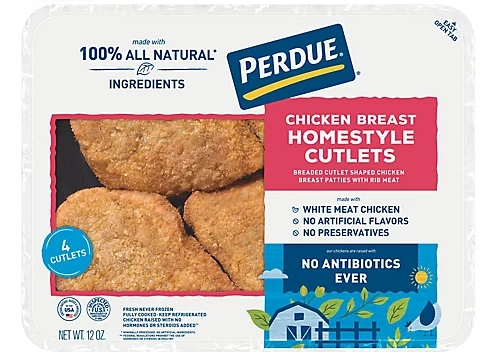
3. Animal Welfare & Environmental Impact
Here's the indirect benefit. A farm that can raise chickens without prophylactic antibiotics usually has to provide better conditions. Less crowding, cleaner living spaces, better ventilation. This isn't guaranteed by the NAE label alone, but it's often correlated. Healthier birds in better conditions. It also pushes agriculture away from intensive, medicated systems.
- Healthier Choice: Supports practices that mitigate antibiotic resistance.
- Better Flavor: Often results from slower growth and better husbandry.
- Ethical Nudge: Encourages higher welfare farming standards.
How to Shop for No Antibiotics Ever Chicken (Without Going Broke)
You don't need to shop at an expensive boutique butcher. NAE chicken is everywhere now.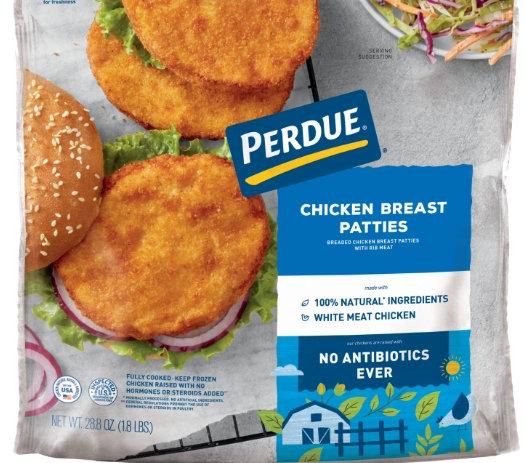
Where to Look:
Start at your regular supermarket. Brands like Perdue Harvestland, Tyson Nature's Reserve, and Bell & Evans have strong NAE lines. Don't ignore the store brand! Kroger's Simple Truth, Wegmans' brand, and Whole Foods' 365 all offer reliable NAE options, often at a better price than the national brands.
Warehouse clubs are a secret weapon. Costco sells massive packs of NAE chicken (both fresh and frozen) at a very competitive per-pound price. Perfect for families or meal preppers.
The Price Reality:
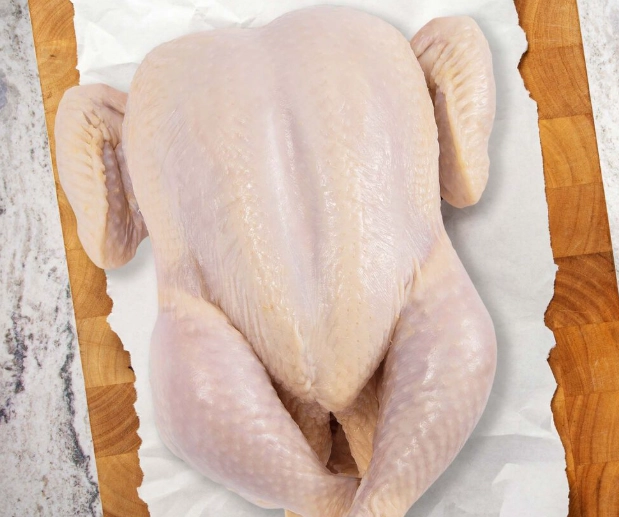
Yes, it's more expensive. I see a premium of $1.50 to $3.00 per pound compared to conventional. Here's my strategy: I buy less of it. Instead of chicken four nights a week, maybe it's two. I stretch it by using thighs (more flavor, often cheaper than breasts), buying whole birds to break down, and incorporating more plant-based proteins. The quality over quantity approach works.
Look for sales, especially around holidays. Stock up and freeze it. Properly wrapped, it freezes beautifully for months.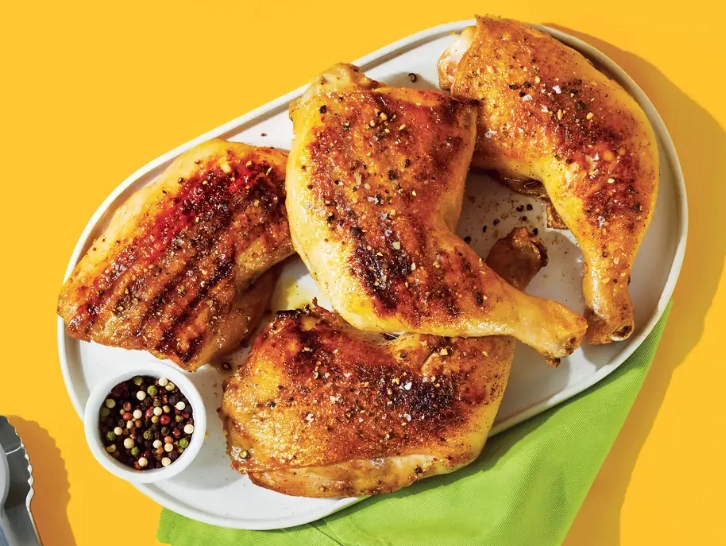
How to Cook No Antibiotics Ever Chicken for Maximum Flavor
This is critical. You've paid a premium; don't ruin it with bad technique. The good news is, NAE chicken is forgiving if you follow a few principles.
1. Don't Overpower It
The biggest mistake? Drowning it in sugary, salty marinades because you think "healthy" chicken needs help. It doesn't. Start simple. Salt and pepper are your best friends. Let the chicken's own flavor come through. A drizzle of good olive oil, some rosemary and garlic, maybe a lemon half in the cavity if you're roasting.
2. Mind the Temperature (Get a Thermometer)
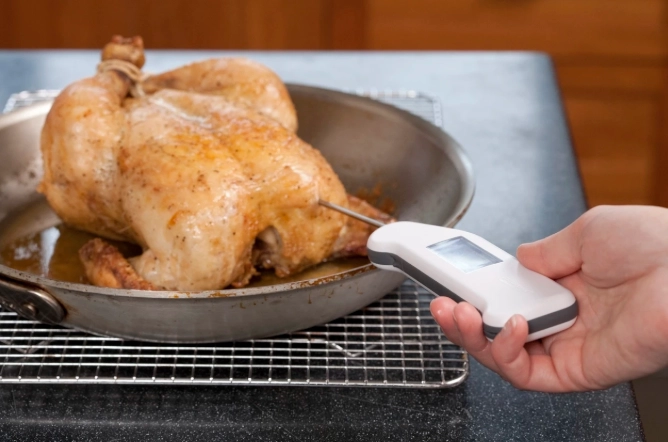
Dry, tough chicken is a crime. NAE chicken has better texture, but it's still lean breast meat. Cook it to 155-160°F (68-71°C), then let it rest. The carryover heat will bring it to the safe 165°F (74°C) without overcooking. I use a simple digital instant-read thermometer every single time. It changed my game.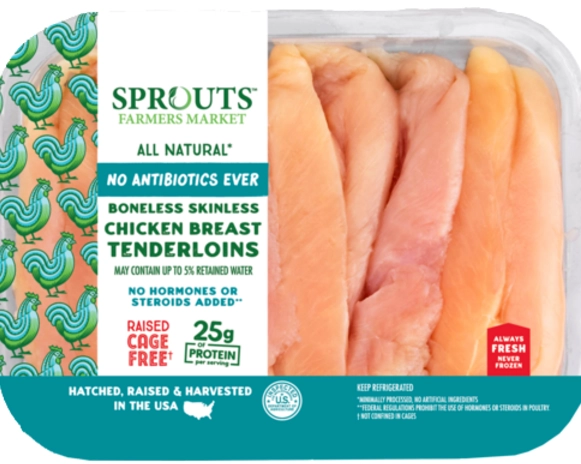
3. Favorite Methods That Work Wonders
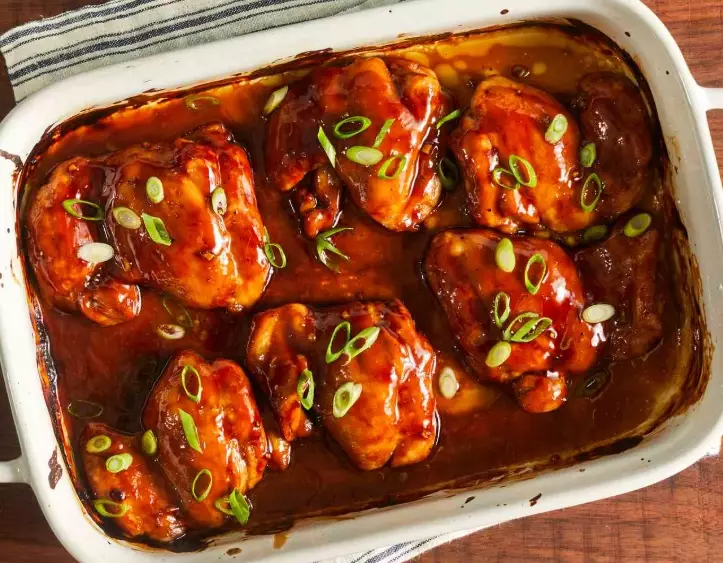
Pan-Seared Chicken Thighs: The higher fat content in thighs loves high heat. Crispy skin, juicy interior. Sear skin-side down in a cold pan to render the fat, then finish in the oven.
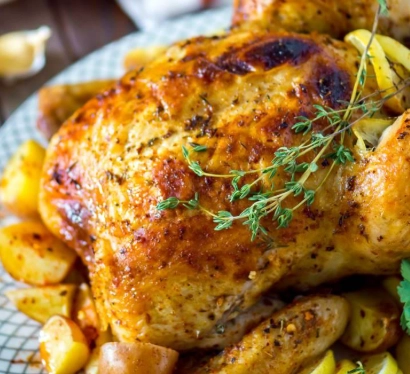
Simple Roast Chicken: Pat the bird dry, salt it heavily (inside and out) the night before and leave it uncovered in the fridge. This dries the skin for crispiness and seasons the meat deeply. Roast at 425°F (220°C) until that thermometer reads 160°F in the thigh.
Poaching for Salads: Gently poach breasts in flavorful broth or water with aromatics until just cooked. This keeps them incredibly moist and perfect for shredding.
The bottom line? Treat it with respect. High heat for crispiness, gentle heat for tenderness, and always, always let it rest before cutting.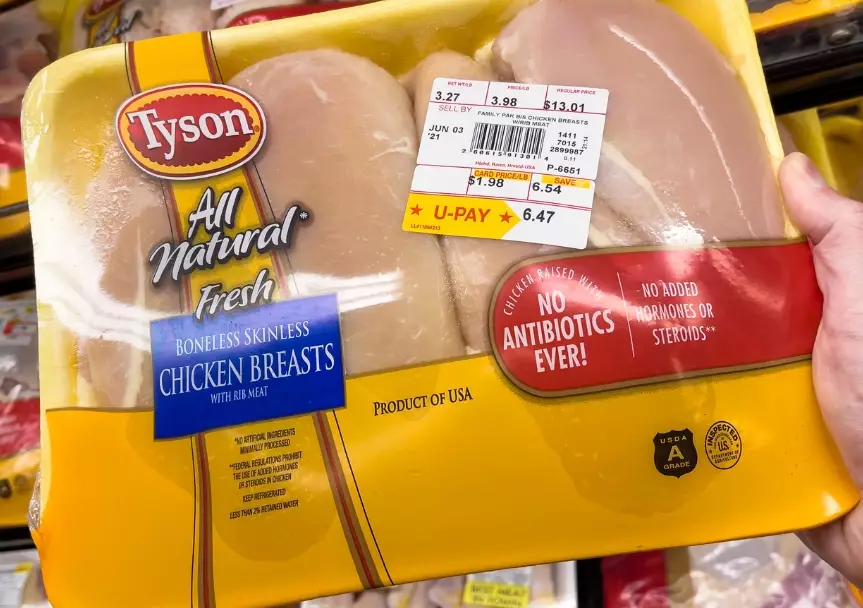
Your Top Questions, Answered Honestly
Does no antibiotics ever chicken taste different than regular chicken?
What's the biggest mistake people make when cooking antibiotic-free chicken?
Is 'antibiotic-free' the same as 'no antibiotics ever'?
Where's the best place to find affordable no antibiotics ever chicken?
So, is "No Antibiotics Ever" chicken worth it? For me, it is. Not for every single meal, but as a regular part of my shopping. It's a choice that supports better farming, potentially reduces public health risks, and—when cooked right—delivers a noticeably better eating experience. Start with a pack of thighs. Cook them simply. Taste the difference for yourself. You might find, like I did, that it changes how you think about that everyday staple in your fridge.
Related Articles