Chicken Parts Guide: Cuts, Cooking, and Cost Explained
Let's be honest. Most of us just grab the familiar pack of chicken breasts or thighs without a second thought. But that meat counter is a treasure map, and each chicken part is a different destination with its own flavor, texture, and best-use case. Knowing your way around a chicken is the single fastest way to become a better, more economical cook. It turns a boring weeknight dinner into something you actually look forward to.
I learned this the hard way after serving one too many dry chicken breasts. It wasn't until I started treating each part according to its personality that things clicked.
What's Inside This Guide?
The Big Four Cuts: A Personality Profile
Think of a chicken like a project team. Each member has different strengths.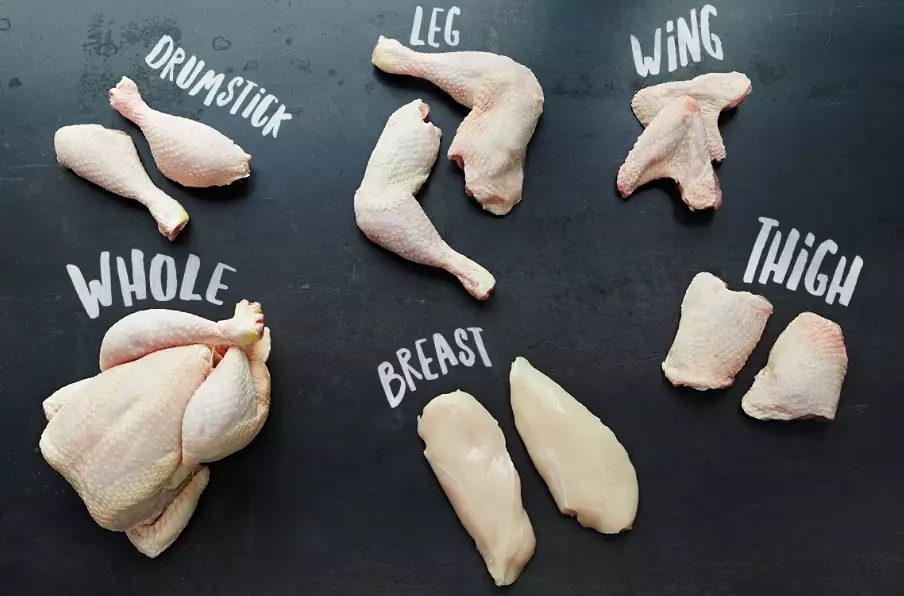
The Overachiever: Chicken Breast
Lean, mild, and wildly popular. It's the go-to for a reason. But here's the secret most recipes don't tell you: its lack of fat is both its virtue and its curse. It has almost no margin for error. Overcook it by a few minutes, and you've got sawdust.
Best for: Quick, high-heat methods where you can control the time precisely. Think pan-searing, grilling, or baking at high heat. It's also the champion for dishes where you want the sauce to be the star, like in a creamy Alfredo or a tangy piccata.
The Reliable Rockstar: Chicken Thigh
This is the part that made me love cooking chicken again. More fat, more flavor, more forgiveness. Whether bone-in, skin-on, or boneless and skinless, thighs are inherently juicy. They can handle longer cooking times, which makes them perfect for braises, stews, curries, and slow roasting.
A lot of people shy away from them, thinking they're "unhealthy." Sure, they have more fat than breast, but it's a different nutritional profile, richer in iron and zinc. And flavor? No contest.
Best for: Almost everything, but especially where you want deep, rich flavor and fall-apart tenderness. Sheet-pan dinners, coq au vin, chicken adobo, you name it.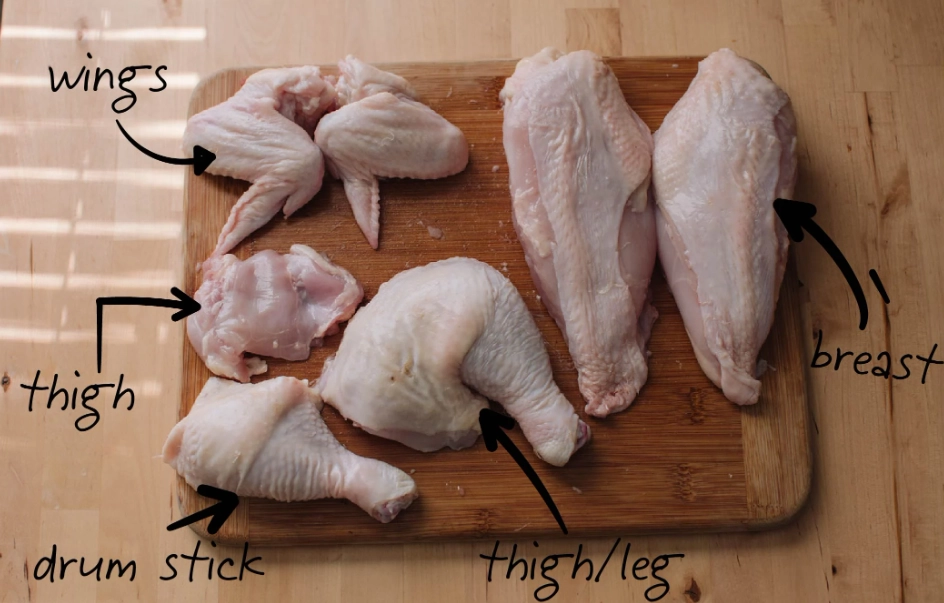
The Flavor Bomb: Chicken Leg (Drumstick & Thigh)
Often sold together as a "leg quarter," this is the ultimate budget-friendly, flavor-packed option. The drumstick is all dark meat, with connective tissue that melts into gelatin during slow cooking, creating incredible mouthfeel. It's messy, fun food.
Best for: Grilling, baking, braising, and frying. They're practically designed to be eaten with your hands. A tray of roasted herb-and-lemon chicken legs is a guaranteed crowd-pleaser that costs very little.
The Social Butterfly: Chicken Wings
Wings are a category of their own. They're all about the skin-to-meat ratio. When cooked right, the skin becomes crackling-crisp, protecting the juicy little morsels inside. The mistake? Steaming or boiling them first. You just end up with soggy skin that won't crisp up properly.
Best for: High, dry heat. Baking powder (not baking soda!) in your dry rub is a game-changer—it pulls moisture from the skin, making it unbelievably crisp in the oven. Of course, deep-frying is the classic path to glory.
How to Choose the Right Chicken Part for Every Meal
Stop guessing. Use this simple decision tree.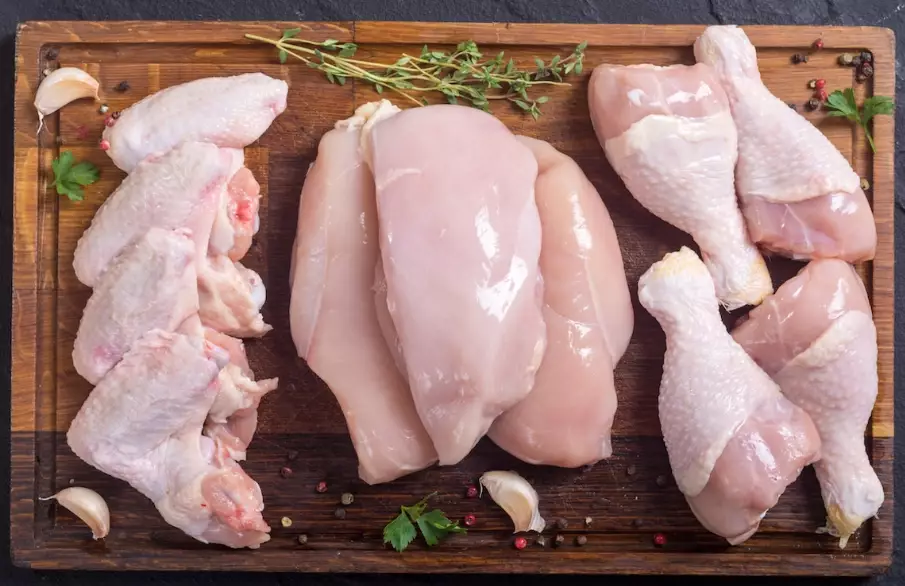
Scenario 1: "I need dinner on the table in 20 minutes."
Your Pick: Boneless, skinless chicken breast or thighs, cut into strips or cubes. They cook fast and evenly. Toss them in a stir-fry, a quick curry, or a pan sauce.
Scenario 2: "I'm meal prepping lunches for the week."
Your Pick: A mix! Cook a batch of seasoned breast for salads and a batch of braised thighs for grain bowls. The thighs will reheat much better without drying out.
Scenario 3: "I'm having people over and want to impress without stress."
Your Pick: Bone-in, skin-on chicken thighs. Roast them on a sheet pan with potatoes and vegetables. The skin gets golden, the fat renders and flavors everything, and it's almost impossible to mess up. It looks and tastes like you spent hours.
Scenario 4: "I'm on a tight budget but want a hearty meal."
Your Pick: Whole legs (drumstick & thigh) or a whole chicken to break down yourself. Maximum flavor and protein for your dollar.
The Real Cost Comparison: Whole Bird vs. Parts
Let's talk numbers. I checked prices at a major retailer (think Kroger or Safeway) to give you a real snapshot. Prices are per pound and can vary, but the ratios are telling.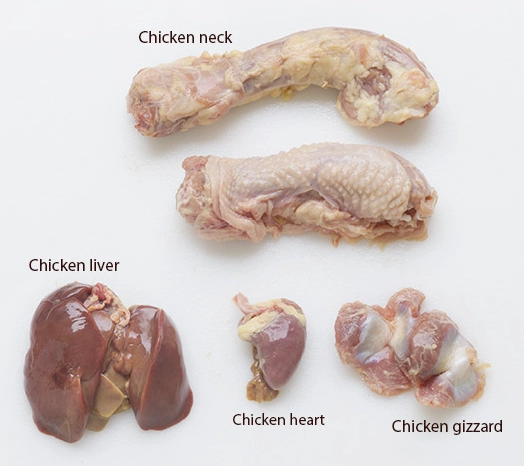
Typical Price Per Pound (Conventional, Non-Organic):
- Whole Chicken: $1.49 - $1.99
- Split Chicken Breasts (bone-in): $2.49 - $2.99
- Boneless, Skinless Chicken Breasts: $3.99 - $4.99
- Boneless, Skinless Chicken Thighs: $3.49 - $4.49
- Chicken Drumsticks: $1.79 - $2.29
- Chicken Wings: $2.99 - $3.99
See the gap? A whole chicken is the clear winner on cost. You pay for the butcher's labor and convenience when you buy parts. Buying a whole chicken and cutting it into 2 breasts, 2 thighs, 2 drumsticks, 2 wings, and a carcass for stock is a fundamental cooking skill. It takes 5 minutes with practice and saves you serious money.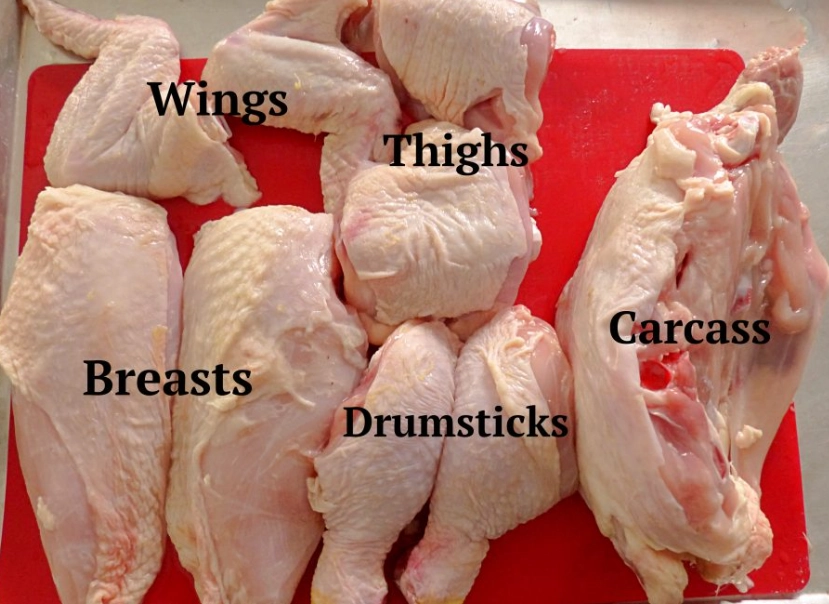
But value isn't just price per pound. If your family only eats breasts, buying a whole bird means you're paying for parts you won't use. In that case, buying just breasts might be your best "value" to avoid waste.
The 3 Most Common Cooking Mistakes (And How to Fix Them)
After teaching cooking classes for years, I see these same errors every time.
1. Treating All Parts the Same
You can't cook a lean breast and a fatty thigh with the same time and temperature. Breasts need a hot, fast cook to an exact internal temperature (165°F). Thighs and legs benefit from slower, gentler heat and can go to 175-185°F to render fat and soften connective tissue. Using a digital meat thermometer isn't optional; it's essential.
2. Skipping the Salt (or Seasoning) Step
Sprinking salt on the surface right before cooking is barely seasoning. For breasts and thighs, salt them generously at least 45 minutes before cooking, or even the night before. This "dry brining" allows the salt to penetrate, seasoning the meat deeply and helping it retain juices. The difference in flavor and texture is night and day.
3. Crowding the Pan
You want that beautiful golden-brown sear, right? That only happens when moisture can evaporate. If you cram the pan full, the chicken steams instead of sears. You get pale, soggy skin or exterior. Cook in batches. It feels like a hassle, but it's the single biggest factor in getting restaurant-quality results at home. Give each piece some personal space.
Your Chicken Part Questions, Answered
Here are the questions I get asked most often, beyond the basics.
The goal isn't to memorize facts. It's to look at that pack of chicken and see possibilities. Is it a quick Tuesday night? Grab the thighs. Feeding a crowd on a budget? The drumsticks are calling. Want to practice a new technique? A whole bird is your canvas. When you match the part to the purpose, every meal gets better.
Related Articles