Ground Chicken Calories Explained: Nutrition, Cooking Tips & Health Benefits
Quick Navigation
- So, How Many Calories Are We Really Talking About?
- Ground Chicken vs. The Other Guys: A Calorie Showdown
- How Cooking Transforms Ground Chicken Calories
- Beyond Calories: The Full Nutrition Picture
- Putting It Into Practice: Making Ground Chicken Work For You
- Answers to Your Ground Chicken Calories Questions (FAQs)
- The Final Verdict on Ground Chicken Calories
Let's be honest, when you're standing in the grocery store aisle staring at packages of ground meat, the term "ground chicken calories" probably pops into your head. Is it really that much better for you than beef? The answer isn't just a simple number, and that's what most quick searches get wrong. I remember swapping to ground chicken for my weekly taco night, thinking I was making a super healthy choice, only to later realize the fat content in the particular pack I bought was nearly as high as lean ground beef. That was a bit of a wake-up call.
The truth about calories in ground chicken is wrapped up in fat percentage, cooking method, and even the part of the chicken used. It's not one-size-fits-all.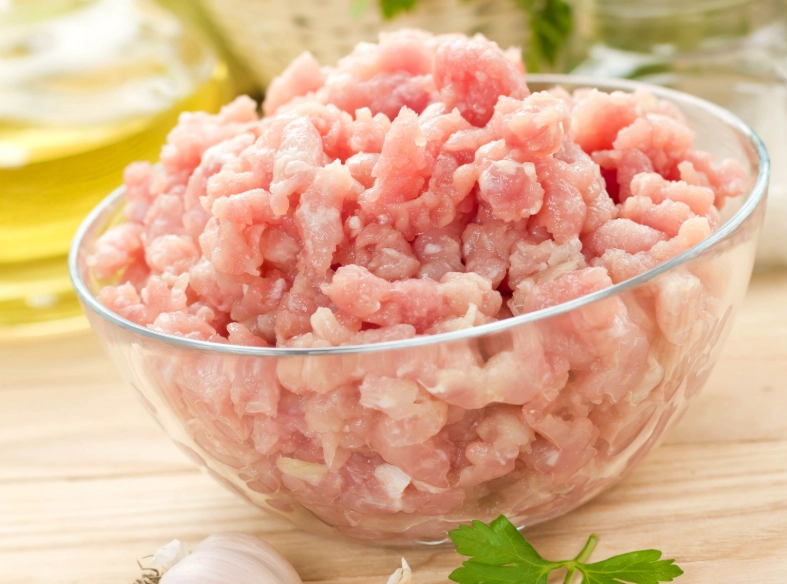
So, How Many Calories Are We Really Talking About?
You can't just Google "ground chicken calories" and get one magic number. It depends heavily on how lean it is. The USDA's FoodData Central is the gold standard for this kind of information, and they break it down by fat content. This is the kind of detail that matters when you're counting calories or macros.
Here’s the breakdown that actually helps you shop and cook:
| Type of Ground Chicken | Calories (per 3oz/85g cooked) | Total Fat | Protein | Key Point |
|---|---|---|---|---|
| Extra Lean (99% lean) | ~110-120 calories | 1.5g | ~22g | Maximum protein, minimal fat. Can be drier when cooked. |
| Lean (93% lean / 7% fat) | ~120-140 calories | 5-8g | ~20g | The sweet spot for most. Good flavor & moisture. |
| Regular (85% lean / 15% fat) | ~160-180 calories | 10-12g | ~18g | Much higher in calories from fat. Closer to regular ground beef. |
| Ground Chicken Thigh (typical blend) | ~150-170 calories | 9-11g | ~17g | Richer flavor, more fat. Often not labeled as thigh. |
See the range? A "regular" grind can have about 60 more calories per serving than an extra lean one. That adds up fast. The label is your best friend. Always look for the lean-to-fat ratio (like 93/7). If it just says "ground chicken," assume it's on the fattier side—I've learned that the hard way.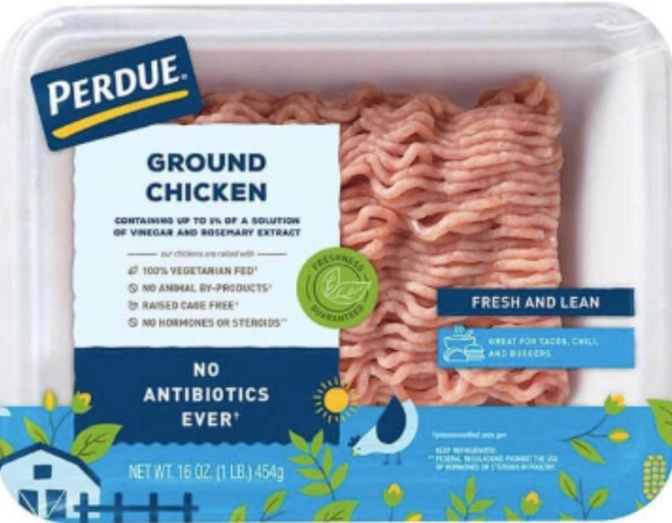
Ground Chicken vs. The Other Guys: A Calorie Showdown
This is why people ask about ground chicken calories in the first place, right? They're comparing. Let's put it side-by-side with the usual suspects, using cooked, 3-ounce servings for a fair fight.
Calorie Ranking (Lowest to Highest):
- Ground Chicken Breast (99% lean): ~110-120 calories. The winner for pure protein-to-calorie ratio.
- Ground Turkey (93% lean): ~120-130 calories. Essentially a tie with lean ground chicken.
- Lean Ground Chicken (93% lean): ~120-140 calories. The reliable, versatile option.
- Lean Ground Beef (93% lean): ~140-150 calories. Slightly higher, often due to different fat types.
- Ground Pork (85% lean): ~180-200 calories. A significant jump.
- Regular Ground Beef (80% lean): ~200-220 calories. The high-calorie champion of the common grinds.
So, is ground chicken lower in calories? Generally, yes, especially when you compare lean-for-lean. A 93% lean ground chicken usually beats a 93% lean ground beef by about 20-30 calories per serving. But—and this is a big but—if you buy a fatty ground chicken blend, you might as well be eating lean beef. The advantage isn't automatic; you have to choose the lean version.
The other hidden factor is nutrition beyond calories. Chicken and turkey are poultry, meaning their fat profile tends to have less saturated fat than red meats like beef and pork. The American Heart Association suggests limiting saturated fat for heart health, so that's another point in ground chicken's favor when you pick a lean grind.
How Cooking Transforms Ground Chicken Calories
This is the part most blogs gloss over. The calories on the package are usually for raw meat. What you eat is cooked. And cooking method is a massive game-changer for the final calorie count of your ground chicken.
Why? Fat renders out. Water evaporates. The meat shrinks. A 4-ounce raw patty becomes a 3-ounce cooked patty. The calories become more concentrated in a smaller, denser package.
The Cooking Method Leaderboard (Impact on Calories)
Let's rank common methods by how they affect the final calorie density of your ground chicken calories count.
- Boiling or Poaching: This wins for calorie minimization. Fat renders out into the water, which you then discard. It's not the most flavorful method for things like meatballs, but it's effective. You're left with mostly pure protein.
- Grilling or Broiling: Excellent. Fat drips away through the grates. You get great flavor from charring without adding calories (unless you brush on oil). This is my favorite for burgers.
- Baking: Very good. As long as you use a rack so the fat drips down into the pan, you're golden. Perfect for meatloaf or baked meatballs.
- Sautéing or Pan-Frying (with no added oil): Okay. You can drain the fat after cooking, which helps. But some fat stays in the pan and gets re-absorbed if you're not careful. Using a non-stick pan is key here.
- Sautéing or Pan-Frying (with oil/butter): This is where calories can skyrocket. You're adding fat on top of the fat in the meat. A tablespoon of oil adds about 120 calories to the entire dish. If you must, use a high-heat spray lightly.
The Big Drain
After browning ground chicken in a pan, always drain it. I mean, really drain it. Tilt the pan, use a spoon to remove the liquid fat, or pour it into a colander. That liquid is almost pure fat and calories. Draining can easily remove 5-10 grams of fat (45-90 calories) from a pound of cooked meat. It's the single easiest trick to control your ground chicken calories.
Beyond Calories: The Full Nutrition Picture
Focusing only on ground chicken calories is like judging a book by its cover. The nutrition inside matters just as much.
Lean ground chicken is a complete protein, meaning it has all nine essential amino acids your body needs to build and repair muscle. That 3-ounce serving gives you about 20-22 grams of protein, which is fantastic for keeping you full and supporting metabolism.
It's also a good source of several B vitamins, especially Niacin (B3) and B6, which are crucial for energy metabolism. You'll also get a decent dose of selenium, a powerful antioxidant, and phosphorus.
Now, the not-so-great part. Compared to red meat, chicken is much lower in iron and zinc. If you're swapping out all your red meat for poultry, you need to be mindful of getting those minerals from other sources like legumes, nuts, or fortified foods.
And let's talk about sodium. Plain, raw ground chicken is low in sodium. But watch out for pre-seasoned or "flavored" packs. They can be loaded with salt, which doesn't add calories but can affect weight through water retention and isn't great for blood pressure.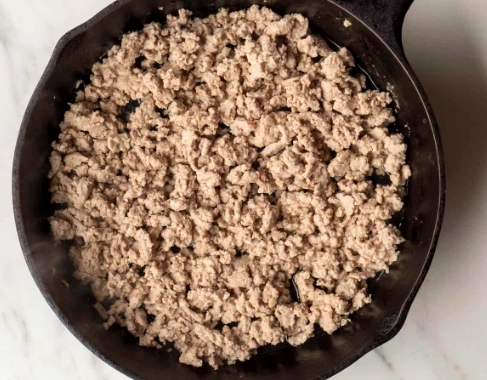
Putting It Into Practice: Making Ground Chicken Work For You
Knowing the numbers is one thing. Using them is another. Here’s how I actually apply this ground chicken calories knowledge.
For Weight Loss: I stick to 99% or 93% lean. I weigh it raw for the most accurate tracking (using the USDA data for raw meat). I cook using grilling, baking, or draining meticulously. My go-to meals are lettuce-wrapped tacos, stir-fries with lots of veggies, and baked meatballs with marinara.
For Muscle Building or Maintenance: I might use the 93% lean more often for the better taste and texture. The calorie difference is small enough that it doesn't derail my goals, and it makes diet adherence easier. The high protein content is the star here.
For General Health & Family Cooking: 93% lean is the family-friendly compromise. It's lean enough to be healthy, but fatty enough to make juicy burgers, flavorful meat sauces, and moist meatloaf that everyone will eat without complaining it's "diet food." I can mix it with oats and grated veggies to stretch it further and add fiber.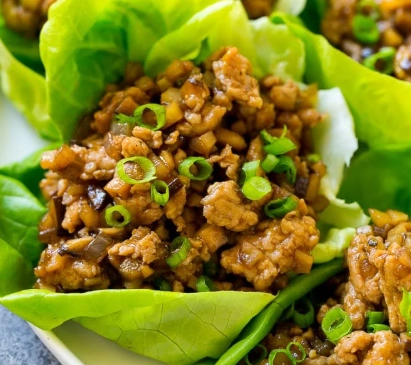
Answers to Your Ground Chicken Calories Questions (FAQs)
The Final Verdict on Ground Chicken Calories
So, what's the bottom line on ground chicken calories? It's a fantastic, versatile source of lean protein—if you choose the right grind and cook it smartly.
Don't just grab any package. Look for the lean percentage. Embrace cooking methods that let fat drain away. Remember that a 93% lean ground chicken is a nutritional workhorse, offering a great balance of manageable calories, high-quality protein, and decent flavor.
Is it a magic bullet? No. I've had dry, tasteless ground chicken disasters when I used the ultra-lean stuff wrong. But when you understand the variables—the fat content, the cooking loss, the comparison to other meats—you're empowered to make it work for your specific goals, whether that's losing weight, building muscle, or just feeding your family a healthier meal without a fuss.
The number for ground chicken calories isn't static. It's a starting point for you to tweak and control. And that's the most useful information of all.
Related Articles