Ultimate Guide to Perfect Baked Chicken Legs: Crispy, Juicy & Easy
In This Guide
- Why Baked Chicken Legs Deserve a Spot in Your Regular Rotation
- The Foundation: What You Need to Know Before You Start
- The Core Recipe & Method for Perfect Baked Chicken Legs
- Leveling Up: Flavor Variations & Pro Techniques
- Baked Chicken Legs: Time & Temperature Cheat Sheet
- Troubleshooting: Fixing Common Baked Chicken Leg Problems
- Answering Your Baked Chicken Leg Questions (FAQs)
- Final Thoughts: Keeping It Simple and Successful
Let's be real. You're here because you want a dinner that's actually going to work. Something that doesn't require you to stand over a splattering pan of oil or follow fifteen complicated steps. You want those baked chicken legs to come out of the oven looking like the golden, crispy, juicy dream you see in food photos, not the pale, sad, or worse—burnt—reality that sometimes happens in a busy kitchen.
I've been there. I've pulled out trays of chicken where the skin was flabby, or the meat near the bone was stubbornly pink. It's frustrating. But after years of tweaking, testing, and yes, occasionally failing, I've landed on methods that just work. This isn't about fancy chef techniques. It's about understanding a few simple principles that transform a basic pack of chicken legs into a reliably fantastic meal. Whether you're feeding a hungry family on a Wednesday night or prepping food for the week, mastering baked chicken legs is a kitchen superpower worth having.
Why Baked Chicken Legs Deserve a Spot in Your Regular Rotation
Before we dive into the how, let's talk about the why. Chicken legs, meaning drumsticks and thighs, are the forgiving heroes of the poultry world. Compared to lean chicken breasts, they have more fat running through and around the meat. This fat acts like a built-in basting system during cooking, keeping the meat incredibly moist and flavorful even if you accidentally leave them in a few minutes too long. They're also cheaper, which is never a bad thing. Baking them is hands-off. You season, you pop them in the oven, and you get time to make a side dish, set the table, or just relax.
They're versatile. The basic method is your canvas. You can go with classic garlic and herbs, dive into spicy Buffalo territory, glaze them with sticky honey-soy, or keep it super simple with just salt, pepper, and paprika. A batch of baked chicken legs can be Sunday dinner, tomorrow's lunch salad topper, or taco filling.
The Foundation: What You Need to Know Before You Start
Choosing Your Chicken Legs
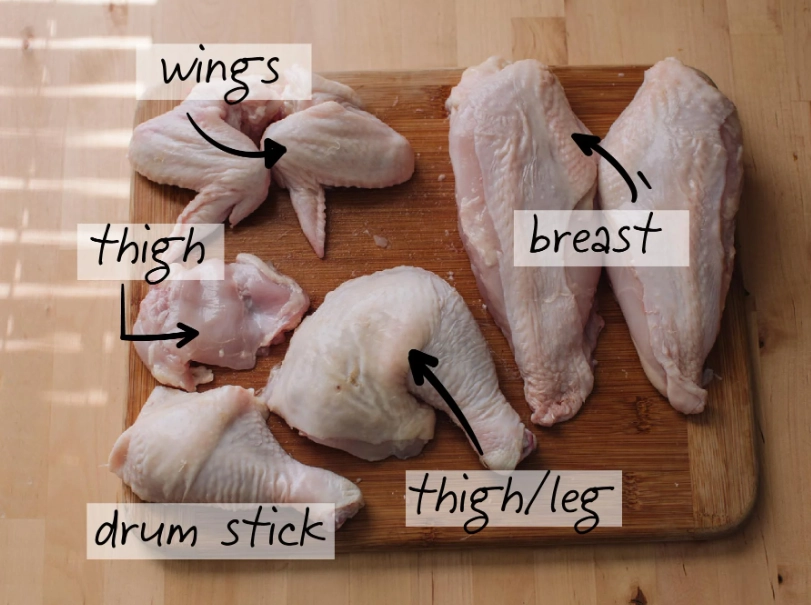
You'll usually find them sold as drumsticks, thighs, or as "leg quarters" (thigh and drumstick attached). For even cooking, I prefer separate pieces. Look for plump pieces with skin that's not torn. Organic, air-chilled, free-range—these are all great if they fit your budget, but standard chicken legs will still yield delicious results. The key is patting them very, very dry. I can't stress this enough. Moist skin = steamed skin = not crispy. Use paper towels and get them as dry as you can.
The Non-Negotiable Tools
You don't need much. A rimmed baking sheet (like a half-sheet pan) is perfect. Lining it with parchment paper or foil makes cleanup a breeze, though some swear by a wire rack set on the pan to elevate the chicken for air circulation. I use a rack when I'm being meticulous, but honestly, placing them directly on a foil-lined pan works great 95% of the time. The other tool I consider essential? An instant-read meat thermometer. Guessing is for games, not for food safety or perfect doneness. A basic one is inexpensive and will change your cooking life.
The Core Recipe & Method for Perfect Baked Chicken Legs
Here's my go-to, never-fail blueprint. Think of this as your master recipe.
- Dry the Chicken: Unpack your chicken legs and pat them aggressively dry with paper towels. Don't skip this.
- Season Generously: Drizzle with a little oil (avocado, olive, or even vegetable oil) just enough to coat. Then, season all over with salt and pepper. How much salt? More than you think. It should look seasoned. Add any other dry spices now—paprika, garlic powder, onion powder, dried thyme. Rub it all in.
- Preheat Hot: Crank your oven to 425°F (220°C). A hot oven is your best friend for crispy skin.
- Arrange & Bake: Place the chicken legs on your prepared pan, not touching each other. Bake for 35-45 minutes. But here's the thing—time is a guideline. The real answer to "how long to bake chicken legs" is: until they are done.
- The Finish Line (Thermometer Time): Around the 35-minute mark, take the temperature. Insert the thermometer into the thickest part of the thigh or drumstick, avoiding the bone. You're looking for 175°F to 180°F (79°C to 82°C). Yes, that's higher than the "safe" 165°F. Why? At that higher temp, the tough connective tissue in the dark meat has more time to melt, making the meat incredibly tender and juicy. It won't dry out, I promise.
- Rest: Pull the pan out, tent loosely with foil, and let the chicken rest for 5-10 minutes. This lets the juices redistribute. Then, dig in.
See? Not complicated. But the devil (and the delight) is in the details.
Leveling Up: Flavor Variations & Pro Techniques
Once you've got the basic method down, playing with flavors is where the fun begins. Here are some of my favorite ways to dress up baked chicken legs.
Dry Rubs & Global Flavors
Mix your spices in a bowl before sprinkling. It ensures even distribution.
- Smoky BBQ: Smoked paprika, brown sugar, garlic powder, onion powder, a pinch of cayenne.
- Lemon Herb: Dried oregano, thyme, lemon zest, garlic powder, salt, and pepper. Squeeze fresh lemon over after baking.
- Spicy Buffalo Dry: Garlic powder, onion powder, plenty of cayenne pepper, and a touch of salt. After baking, toss in a mix of melted butter and Frank's RedHot sauce.
- Za'atar & Sumac: A Middle Eastern blend of za'atar, sumac, garlic powder, salt, and olive oil. Bright and earthy.
Marinades & Wet Brines
For deeper flavor penetration, marinate for 2-12 hours in the fridge. A simple wet brine (a solution of salt and water, sometimes with sugar and herbs) can also work wonders for juiciness, though it can make the skin harder to crisp up unless you dry it thoroughly again before baking.
The Crispy Skin Quest
Everyone wants that crackling-like skin. Here's how to maximize your chances:
- Dry, Dry, Dry: I know I said it, but it's that important.
- Baking Powder: This is a legit pro trick. Mix a tiny amount (like 1/2 teaspoon) of baking powder (NOT baking soda) into your dry salt and spice rub. It changes the pH on the skin's surface and helps it blister and crisp. Don't overdo it, or you might get a faint chemical taste.
- Start Hot, Finish Smart: That 425°F start is key. Some cooks even start at 450°F for 10 minutes, then reduce to 400°F. Experiment.
- Don't Crowd the Pan: Steam is the enemy of crisp. Give each piece some personal space.
Baked Chicken Legs: Time & Temperature Cheat Sheet
Ovens vary, and the size of chicken legs can differ. This table should be your visual guide, but always trust your thermometer.
| Chicken Cut | Oven Temperature | Approximate Time | Target Internal Temp | Key Outcome |
|---|---|---|---|---|
| Drumsticks | 425°F (220°C) | 35-40 minutes | 175°F - 180°F (79-82°C) | Crispy skin, juice runs clear |
| Bone-In Thighs | 425°F (220°C) | 40-45 minutes | 175°F - 180°F (79-82°C) | Fat rendered, meat fall-apart tender |
| Leg Quarters | 425°F (220°C) | 45-55 minutes | 175°F - 180°F (79-82°C) in thigh | Requires most time due to joint/bone mass |
| For Extra Crisp (All Cuts) | 450°F (230°C) for first 10 min, then 400°F (200°C) | Adjust total time +5 min | Same as above | Aggressive initial browning |
Troubleshooting: Fixing Common Baked Chicken Leg Problems
Things don't always go to plan. Here's how to diagnose and fix.
- Skin is Soggy/Rubbery: The chicken was too wet going in, the oven wasn't hot enough, or the pan was overcrowded. Next time, dry better, preheat fully, and space out. For now, you can try broiling for 2-3 minutes at the end, watching like a hawk.
- Chicken is Dry: It was likely overcooked. Without a thermometer, it's easy to keep baking "just to be sure." Invest in that thermometer. Also, remember dark meat is forgiving, but it can still dry out if baked for an hour at a high temp.
- Undercooked Near the Bone: This is common and scary. The outside looks done, but near the bone it's pink and bloody. This is why a thermometer is non-negotiable. If it happens, just put the specific undercooked pieces back in the oven until they hit temperature. Using a lower temperature (like 375°F) for a longer time can sometimes help heat penetrate more evenly, but it sacrifices crisp skin.
- Seasoning is Bland: You were too shy with the salt. Season the chicken legs under the skin if you can gently lift it, and always season all sides generously.
Food Safety: It's Not Just a Suggestion
Handling raw chicken requires care. Always wash hands, utensils, and surfaces with hot, soapy water after contact. Never place cooked chicken back on a plate that held raw chicken. And that target temperature of 165°F (74°C) is the USDA's food safety guideline for poultry to kill harmful bacteria. As discussed, for dark meat, going to 175°F+ is better for texture, and it's still perfectly safe. For detailed, science-backed food safety information, I always double-check guidelines with authoritative sources like the USDA's Food Safety and Inspection Service.
Answering Your Baked Chicken Leg Questions (FAQs)
I get asked these all the time. Let's clear them up.
Should I bake chicken legs covered or uncovered?
Uncovered, 100%. Covering them (with foil) will trap steam and give you a soggy, poached texture. We want the oven's dry heat to work its magic on the skin.
Can I use frozen chicken legs?
You can, but I don't recommend baking them from frozen. They'll release a ton of water, steaming themselves and never browning properly. Thaw them in the fridge first for best results. In a pinch, you can thaw quickly in a cold water bath, then pat extremely dry.
How do I store and reheat leftovers?
Let them cool, then store in an airtight container in the fridge for up to 4 days. To reheat and keep the skin crispy, use the oven or an air fryer (375°F for 8-12 minutes). The microwave will make the skin rubbery, though it's fine if you're adding the meat to soups or salads.
What are the best sides for baked chicken legs?
They're so versatile! Here's a quick list:
- Classic Comfort: Mashed potatoes and roasted carrots.
- Light & Fresh: A big green salad with a tangy vinaigrette, or quinoa salad.
- Easy Weeknight: Rice pilaf and steamed broccoli.
- For Soaking Up Juices: Crusty bread, polenta, or couscous.
Is there a way to make them more "healthy"?
If you're watching fat/calories, you can remove the skin before eating (though you'll lose flavor and moisture). Baking is already a healthier method than frying. For more nutrition-focused cooking techniques that align with healthy eating, resources like the Harvard T.H. Chan School of Public Health Nutrition Source offer great evidence-based guidance on building balanced plates.
Final Thoughts: Keeping It Simple and Successful
At the end of the day, the best baked chicken legs come from a place of confidence, not complexity. Trust the high heat. Embrace the thermometer. Be generous with seasoning. Don't fear the dark meat's higher finishing temperature.
I remember the first time I got it truly right—the skin shattered when I bit into it, and the juice actually dripped down my chin. It felt like a victory. And it can be your standard, not a rarity.
So grab that pack of chicken legs, pat them dry like you mean it, season them well, and let your oven do the heavy lifting. Whether you follow my master recipe or get creative with your own spice blends, you've got the knowledge to make a meal that's both deeply satisfying and deceptively simple. That's the real goal, isn't it? Good food, made without the stress. Now go preheat that oven.
Related Articles