Chicken Cooking Time: A Chef's Guide to Perfect Doneness
Let me guess. You’ve followed a recipe to the letter. You set the timer for the exact minutes it said. You pull out what should be a perfect, juicy chicken breast, only to find it’s somehow both dry and a bit rubbery. Or worse, you cut into it and see a hint of pink that makes you nervous. I’ve been there. After years in professional kitchens and teaching home cooks, I can tell you the problem isn't you. It's the obsession with a fixed chicken cooking time.
The single most important thing you need to understand is this: Time is a guide, not a rule. A recipe's suggested cooking time is based on the specific ingredients and equipment the writer used. Your kitchen, your chicken, and your stove are different. The real key to perfect chicken isn't watching the clock; it's understanding doneness.
What's Inside This Guide
Understanding Chicken Doneness: It's Not Just About Time
Think about the last chicken breast you bought. Was it plump and uniform, or lopsided and thick at one end? Was it cold from the fridge or closer to room temperature? These variables change everything.
A thin, even breast might be done in 16 minutes at 400°F (200°C). A thick, uneven one from the same package might need 22, even 25 minutes. If you pull them both at 20 minutes because the recipe said so, one is overcooked, the other under.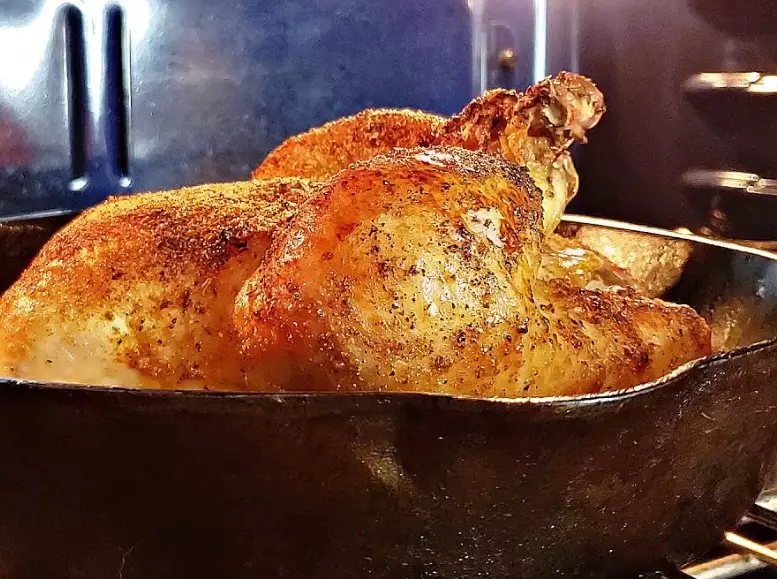
The factors that wreck your chicken cooking time are endless: your altitude, the material of your baking sheet (dark metal cooks faster), whether you used a rack, even the humidity. Relying solely on time is like driving to a new city using only a stopwatch instead of a map.
The Non-Negotiable Tool: Your Meat Thermometer
This is the hill I will die on. If you want perfect chicken, buy a good digital instant-read thermometer. It’s the only way to know what’s happening inside the meat.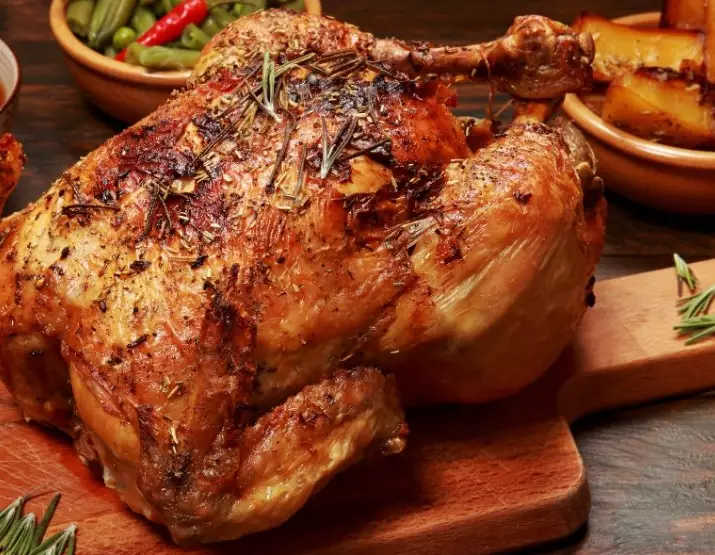
The USDA recommends cooking all poultry to a safe minimum internal temperature of 165°F (74°C). This temperature ensures harmful bacteria like salmonella are destroyed. You can read their full guidance on poultry safety here.
But here’s the chef’s secret they don’t always tell you: 165°F is the safety target, but it’s also the point where breast meat starts to dry out.
How to Use a Thermometer Correctly
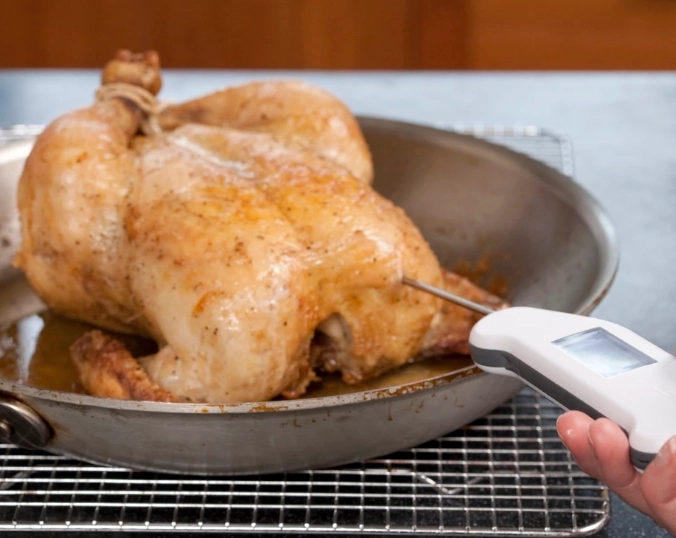
Don’t just stab the middle. Insert the probe into the thickest part of the meat, making sure not to touch bone (bone conducts heat and will give a false high reading). For a whole bird, check both the breast and the inner thigh.
For breasts, I pull them off the heat at 155-160°F (68-71°C). The residual heat, called carryover cooking, will bring them up to 165°F as they rest. This results in juicy, tender meat every single time. For thighs and legs, which have more fat and connective tissue, you can and should go higher—around 175-185°F (79-85°C)—to render the fat and make them fall-off-the-bone tender.
How to Cook Chicken Breast Without Drying It Out
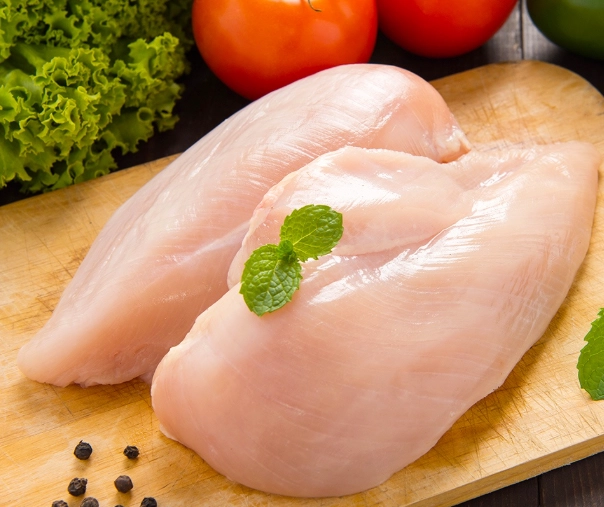
Let’s get specific. The boneless, skinless chicken breast is the poster child for dry, disappointing meals. Here’s how to fix it.
Step 1: Pound it even. Seriously. Place the breast between two pieces of plastic wrap and gently pound the thicker end until the whole piece is an even thickness, about ¾-inch. This ensures it cooks uniformly. No more raw thick end and overcooked thin end.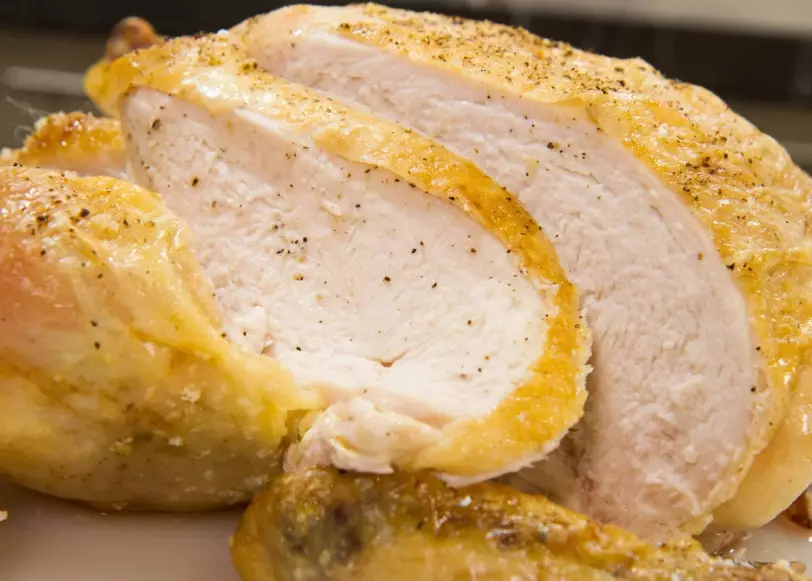
Step 2: Choose your method.
| Cooking Method | Approx. Time (for a 6oz, even breast) | Target Internal Temp | Key Tip |
|---|---|---|---|
| Pan-Searing | 6-8 mins per side | 160°F (71°C) | Start with a hot pan. Don't move it for the first 2 mins to get a good sear. |
| Baking/Roasting (at 400°F/200°C) | 18-22 mins total | 160°F (71°C) | Use a preheated pan. Brine or marinate for 30 mins first for extra insurance. |
| Poaching | 10-15 mins in simmering liquid | 165°F (74°C) | Keep the liquid just below a boil (tiny bubbles). Perfect for salads. |
| Grilling (medium-high heat) | 6-7 mins per side | 160°F (71°C) | Oil the grates, not just the chicken. Let flames die down before cooking. |
See those time ranges? They’re wide because your stove’s “medium-high” and mine are different. Start checking the temperature a few minutes before the lower end of the range.
Step 3: Rest it. This is the other half of the juicy chicken secret. When you pull the chicken off the heat, the juices are frantic, rushing to the center. If you cut immediately, they all flood out onto your cutting board. Let it rest, loosely tented with foil, for 5-10 minutes. The fibers relax, and the juices redistribute throughout the meat.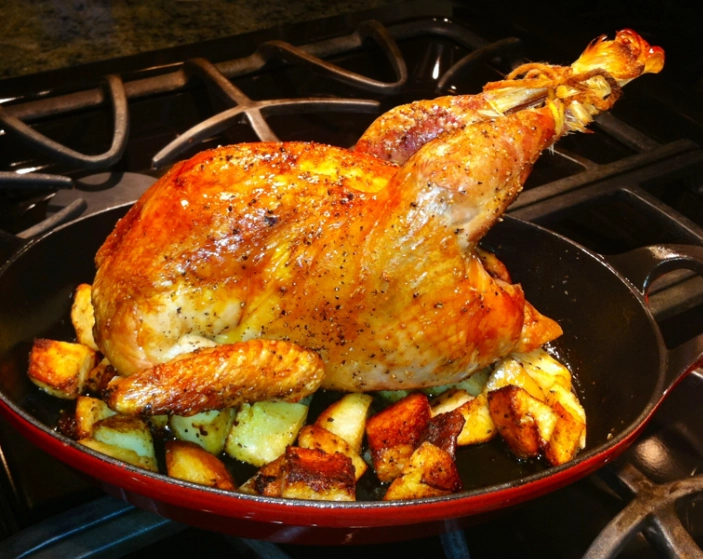
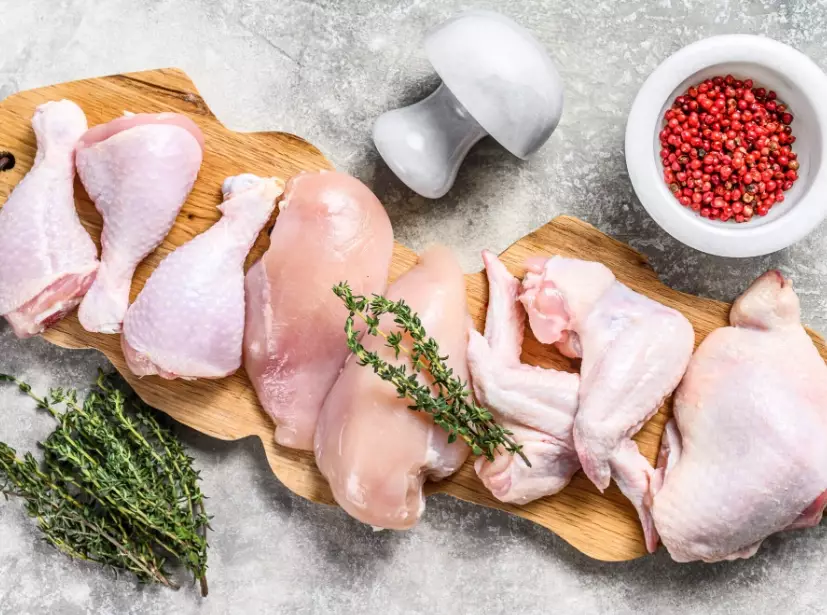
Dark Meat Mastery: Thighs, Legs, and Wings
Dark meat is forgiving. It wants to be cooked longer to break down collagen into gelatin, which is why it’s hard to overcook in the same dry way as breast meat.
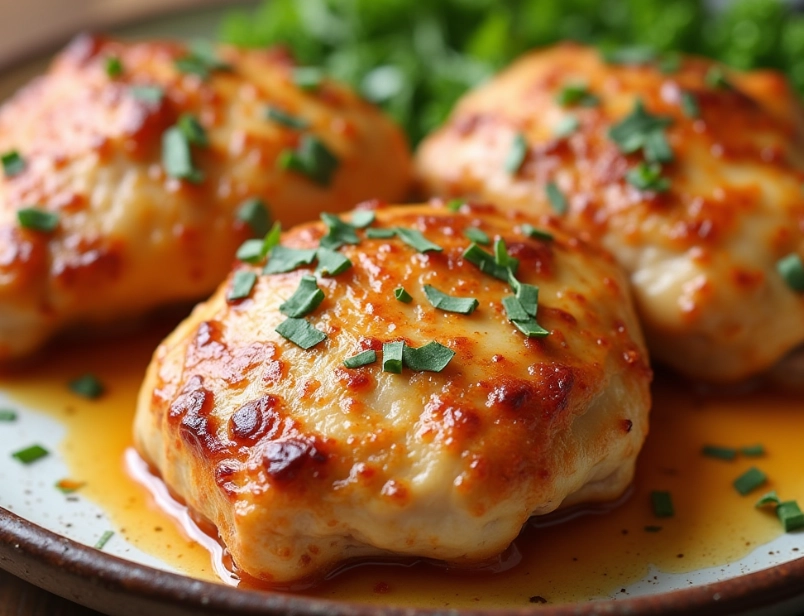
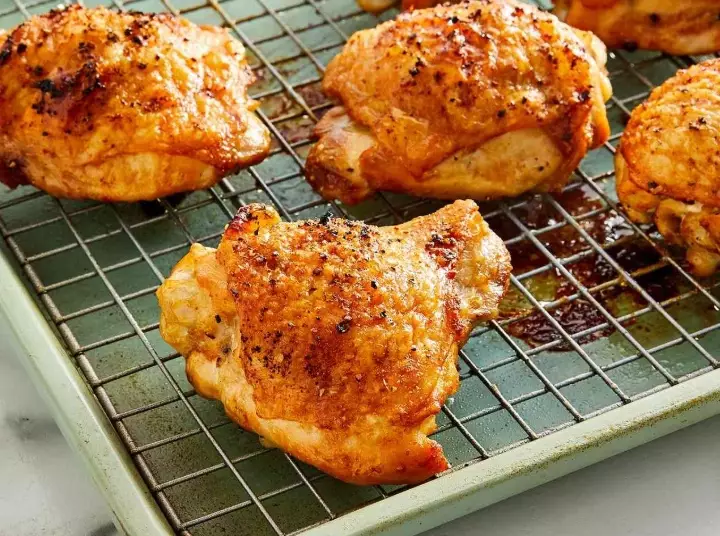
Bone-in, skin-on thighs are my weeknight hero. At 425°F (220°C), they’ll take 35-45 minutes to get to that perfect 180°F (82°C) where the skin is crackling and the meat is tender. For boneless thighs in a pan, think 8-10 minutes total, again checking for an internal temp of at least 175°F (79°C).
Wings are all about crispiness. Bake them at a high heat—400°F (200°C)—for 40-50 minutes, flipping halfway. They’re done when the skin is golden and crispy, and the meat pulls easily from the tip. Internal temp should be 165°F (74°C) or above.
The Whole Bird: Roasting a Chicken
A whole roasted chicken is a beautiful thing, and its cooking time is the most formulaic, but still requires a thermometer.
The old rule is 20 minutes per pound at 375°F (190°C), plus an extra 15-20 minutes. So a 4lb bird would take about 95-100 minutes. But please, for the love of crispy skin and moist meat, use this only as a rough guide.
Start checking the temperature at the thickest part of the thigh (avoiding bone) about 20 minutes before the estimated finish. It should read 165°F (74°C). The breast should be at least 155°F (68°C). Let the whole chicken rest for a full 15-20 minutes before carving. This rest time is crucial for the juices to settle.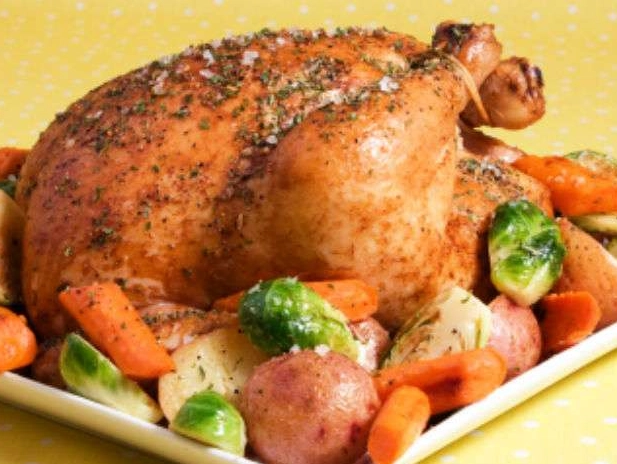
Your Burning Questions Answered
So, throw away the idea of a single, perfect chicken cooking time. Embrace the thermometer. Pay attention to the feel of the meat (it will firm up as it cooks) and the visual cues. Use time ranges as your initial guidepost, but let temperature be your true destination. Your chicken dinners are about to get a whole lot more reliable, and a whole lot more delicious.
Related Articles