Perdue Breaded Chicken Tenders Review: Tasty, Crispy & Family-Friendly
Quick Guide
- First Impressions & What's in the Box
- Cooking Them Up: The Taste & Texture Test
- How Do Perdue Tenders Compare? Let's Talk Numbers
- The Not-So-Great Parts: An Honest Critique
- Nutrition Facts: What Are You Actually Eating?
- Creative Ways to Use Them (Beyond Just Dipping)
- Buying Guide: How to Get the Best Bag
- Answers to Common Questions (Stuff You Might Be Wondering)
- Final Verdict: Who Should Buy Perdue Breaded Chicken Tenders?
Let's be honest. The freezer aisle is a jungle. You're staring at a wall of colorful boxes, all promising "crispy," "juicy," and "restaurant-quality" chicken. It's overwhelming. I've been there, tired after work, just wanting something easy the kids won't complain about. That's where Perdue Breaded Chicken Tenders come in. You've probably seen the blue box. Maybe you've even picked it up and wondered if they're any good.
Well, I decided to find out. I'm not a fancy chef, just someone who cooks a lot of family meals. I bought a bag, tried every cooking method I could think of, and even got opinions from the toughest critics—my family. This isn't a sponsored post or anything like that. It's just a real, down-to-earth look at what you get when you buy these.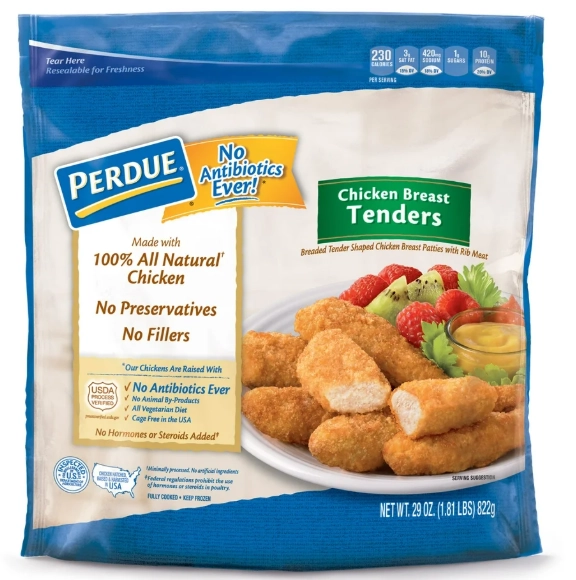
The Bottom Line Up Front: Perdue Breaded Chicken Tenders are a solid, reliable choice for a quick meal. They're consistently crispy, the chicken inside is decent quality, and they cook up fast. They're not going to win a gourmet award, but for a hassle-free dinner on a busy night, they absolutely get the job done. The real question is how they stack up in specific areas, and that's what we're diving into.
First Impressions & What's in the Box
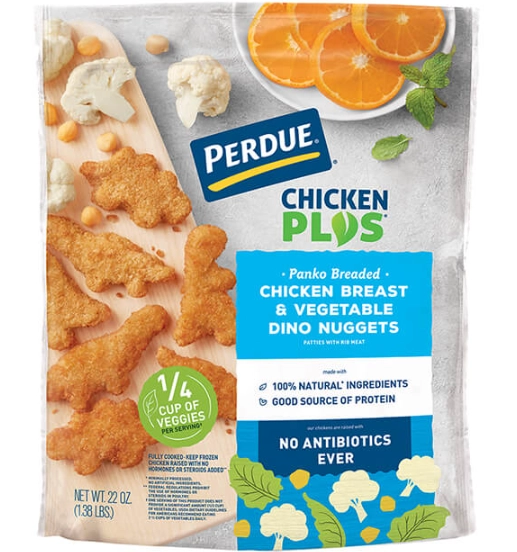
You grab the bag from the freezer. It's that classic Perdue blue, which feels familiar and trustworthy in a sea of flashy graphics. The tenders are pre-breaded and individually frozen, which is a huge plus. No need to pry apart a frozen block. You can just shake out what you need.
But let's talk about the breading for a second. It's not the super-thick, panko-style coating you might find on some brands. It's more of a traditional, homestyle breading. When you look at them raw, they look a bit pale and unassuming. Don't let that fool you—the magic happens in the oven or air fryer.
The ingredient list is what it is. It's a processed food. You've got your chicken, wheat flour, spices, and some preservatives to keep things stable in your freezer. If you're looking for a 5-ingredient-or-less clean label product, this isn't it. But compared to some competitors, the list isn't horrifyingly long. The primary ingredient is chicken, which is a good start. For a detailed look at what constitutes "chicken" in processed products, the USDA's Food Safety and Inspection Service has clear standards and definitions that are helpful to know.
Honestly, I appreciate the transparency on the bag. No wild claims, just straightforward info.
Cooking Them Up: The Taste & Texture Test
This is where the rubber meets the road. I tried three main methods: the oven (as per the package), the air fryer (because everyone has one now), and pan-frying (for the ultimate crisp test).
Oven-Baked: The Standard
Following the package instructions (425°F for about 18-20 minutes) gave me a pretty good result. The breading turned a nice, even golden brown. The crunch was there—a satisfying, audible crackle when you bite in. Not shatteringly crisp, but a good, hearty crunch. The chicken inside was fully cooked and moist. No dry, stringy bits, which is a common fail with frozen chicken.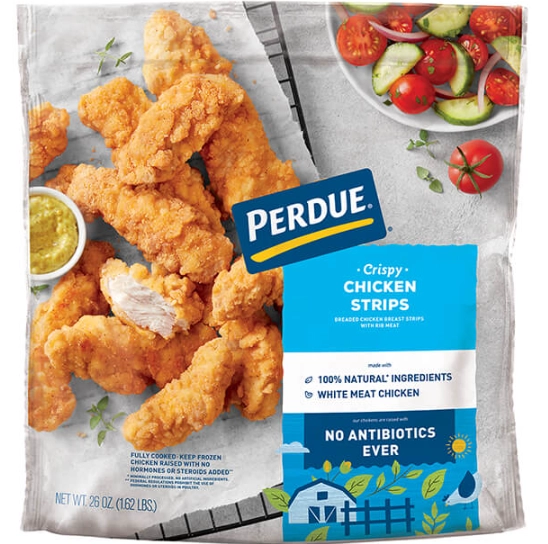
The flavor? It's a classic, mildly seasoned taste. Salty, a bit peppery, with that familiar "fried chicken" herb vibe (think a little paprika, garlic powder). It's not bold or spicy. It's a crowd-pleaser flavor, designed so you can dip it in anything.
Pro Tip: If baking, put them on a wire rack over a baking sheet. This lets hot air circulate all around, preventing a soggy bottom and making the entire tender crispy. It's a game-changer.
Air Fryer: The Winner for Convenience
Okay, this is my preferred method. 400°F for 10-12 minutes, shaking the basket halfway. The Perdue breaded chicken tenders come out fantastically crispy in the air fryer. The breading gets super crunchy all over, and because it cooks so fast, the chicken stays incredibly juicy. It feels a bit more "indulgent" this way, even though you're using little to no extra oil.
If you have an air fryer, this is the way to go. No question.
Pan-Fried: The Decadent Option
I used a little avocado oil in a skillet. Yeah, it's less healthy, but man, does it deliver crunch. The breading gets deeply golden and ultra-crisp. The trade-off is that it can feel a bit greasier, and you have to babysit them in the pan. For a special treat, it's great. For a Tuesday night, the air fryer is king.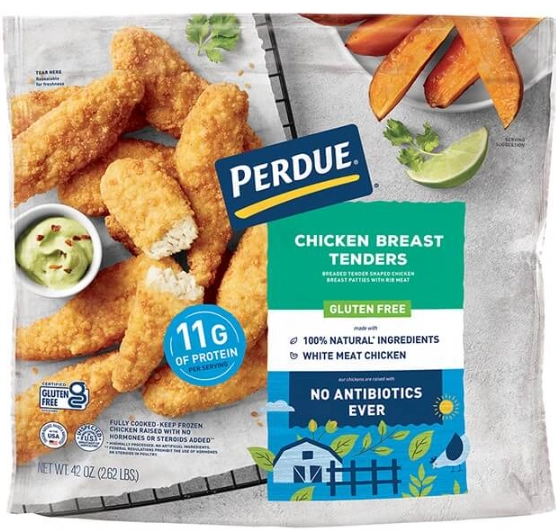
Watch Out: No matter the method, don't overcrowd them. Give them space. If you pile them on top of each other, they'll steam instead of crisp up, and you'll end up with a soggy, sad mess. Trust me, I've learned this the hard way.
How Do Perdue Tenders Compare? Let's Talk Numbers
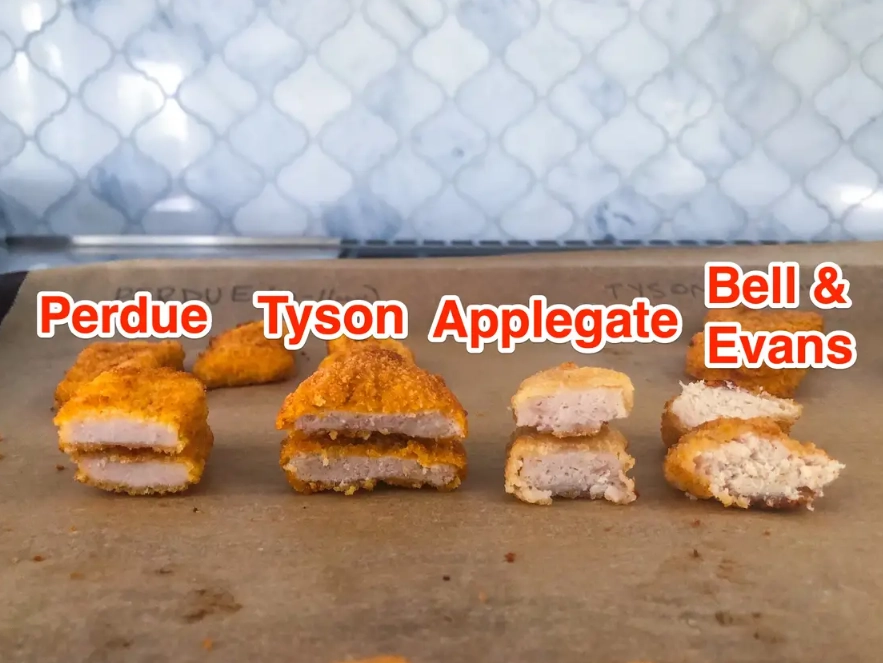
It's one thing to say they're good, but how do they stack up against other big names like Tyson or store brands? I looked at a few key factors side-by-side.
| Feature / Brand | Perdue Breaded Chicken Tenders | Tyson Crispy Chicken Strips | Typical Store Brand |
|---|---|---|---|
| Breading Thickness | Medium, homestyle | Thicker, craggier | Often thinner, can be uneven |
| Chicken Texture | Consistently moist, solid pieces | Can sometimes be a bit more processed-feeling | Hit or miss; sometimes gristly |
| Seasoning Level | Mild, versatile | More seasoned, sometimes salty | Very mild, sometimes bland |
| Price Point | Mid-range | Often highest | Lowest |
| Freezer Burn Risk | Low (good packaging) | Low | Higher (thinner bags) |
What does this table tell us? Perdue sits in a nice middle ground. You're not paying premium Tyson prices, but you're (usually) getting a step up in consistent quality from the cheapest store brand. The breading isn't trying to be the star—it's a vehicle for the chicken, which I kind of like.
The Not-So-Great Parts: An Honest Critique
I want to love everything about them, but I have to be real. There are a couple of downsides.
First, the sodium. A serving (about 3 tenders) can have around 20% of your daily value. That's pretty standard for frozen breaded foods, but it's worth noting if you're watching your salt intake. You're not going to find a low-sodium version of this product, that's just the nature of the beast.
Second, while the flavor is good, it's safe. If you're craving something with a kick—like a buffalo style or a robust garlic parmesan—these aren't it. The mildness is a pro for families, but a con for my personal taste buds sometimes. I always have to have a good dip on hand.
Finally, the "homestyle" breading can mean some pieces have a slightly denser coating than others. It's not a dealbreaker, but you notice it.
Are these flaws enough to avoid them? Not for me. But it's good to go in with eyes open.
Nutrition Facts: What Are You Actually Eating?
Let's break it down without getting too scientific. A typical serving size is 3 tenders (about 84g cooked).
- Calories: Around 200-240. Not terrible for a main protein.
- Protein: A solid 14-16 grams. This is the best part—they actually fill you up.
- Fat: 10-13 grams, with a few grams saturated. Again, standard for fried/breaded food.
- Carbs: 13-16 grams, mostly from the breading.
- Sodium: As mentioned, the big one at 450-500mg per serving.
Context is everything. Compared to driving through a fast-food chain for chicken strips, these are probably a bit better for you, especially if you air-fry them. Compared to a plain baked chicken breast? Obviously not as lean. It's a compromise food. For resources on understanding nutritional labels better, the FDA's guide to the Nutrition Facts label is the official source and incredibly useful.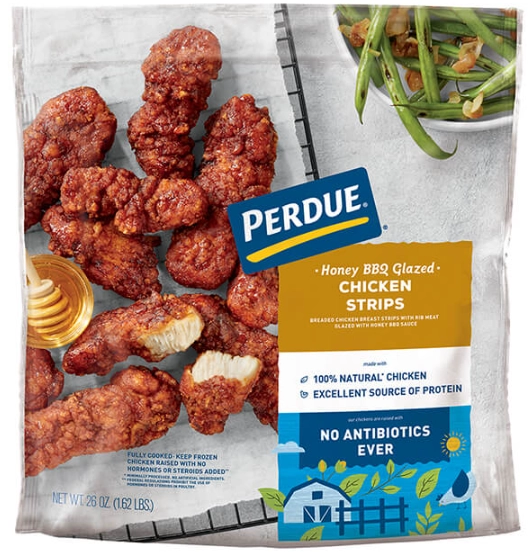
Creative Ways to Use Them (Beyond Just Dipping)
Sure, you can plop them on a plate with ketchup. But if you want to get more meals out of that bag, here are some ideas that have saved my weeknight dinner routine.
- Chicken Tender Wraps or Sandwiches: Toss a couple in a tortilla or on a bun with lettuce, tomato, and a sauce (honey mustard, ranch, BBQ). Instant crowd-pleaser.
- Quick "Chicken Parm": Layer a few in a baking dish, top with marinara and shredded mozzarella, broil until bubbly. Serve over pasta. It feels fancy with zero effort.
- Salad Topper: Slice them up and throw them on a big bed of greens. Turns a side salad into a main course. Caesar salad with these is a classic for a reason.
- Kid-Friendly "Nugget" Bowl: Cut them into bite-sized pieces for little kids. Serve with mac & cheese and steamed broccoli. Done.
- Game Day Appetizer: Keep a bag in the freezer for unexpected guests. They cook fast and everyone grabs them.
Buying Guide: How to Get the Best Bag
Not all bags are created equal, even from the same brand. Here's what I look for when I'm in the store.
- Check the Date: Look for the "best by" or "freeze by" date on the box or bag. Fresher is always better, even frozen.
- Feel the Bag: Give it a gentle squeeze. You want to feel individual, loose pieces. If it feels like one solid, icy brick, it might have thawed and refrozen at some point, which hurts quality.
- Look for Sales: Perdue products go on sale often. Stock up when they do. They keep for months.
- Size Matters: They come in different size bags. The large bag is great for big families, but if it's just one or two people, the smaller bag prevents freezer fatigue.
Answers to Common Questions (Stuff You Might Be Wondering)
I get questions from friends about these all the time. Here are the real answers.
Are Perdue chicken tenders fully cooked?
No, they are not. They are raw, breaded, and frozen. You must cook them thoroughly to an internal temperature of 165°F. Don't eat them straight from the bag!
Can you cook them from frozen?
Yes, absolutely. That's the whole point. Do not thaw them first. Cooking from frozen ensures the breading stays on and they cook evenly.
Why are some of my tenders burnt on the outside but raw inside?
Your oven/air fryer is too hot, or you're cooking them for too short a time at a high temp. Try lowering the temperature by 25 degrees and adding a few more minutes. The heat needs time to penetrate to the middle without incinerating the coating.
Are there any allergens I should know about?
Yes. They contain wheat (gluten) and milk ingredients (usually in the breading). Always double-check the package label, as formulations can change.
How long do they last in the freezer?
For best quality, eat them within 3-4 months of purchase. They'll be safe longer, but the quality—the crispiness, the juiciness—will start to decline.
Final Verdict: Who Should Buy Perdue Breaded Chicken Tenders?
Let me wrap this up straight.
You should buy Perdue Breaded Chicken Tenders if: You're a busy parent who needs a dependable, kid-approved protein in under 20 minutes. You value consistent results over adventurous flavors. You have an air fryer and want to maximize its potential. You want a product that's a step above the absolute cheapest but won't break the bank.
You might want to skip them if: You require low-sodium foods. You're looking for bold, pre-seasoned flavors (look for Perdue's flavored varieties instead, if available). You have a severe gluten or dairy allergy. You only eat minimally processed foods.
For me, they're a freezer staple. They're not perfect, but they're reliable. On those nights when cooking feels like a chore, knowing I have a bag of Perdue breaded chicken tenders that will turn out crispy and satisfying every single time is a genuine relief. That's the real value. They solve a problem. And sometimes, that's exactly what you need from a food.
So next time you're in that freezer aisle jungle, staring at the options, you can grab that blue bag with a bit more confidence. You know what you're getting. And sometimes, knowing is half the battle.
Related Articles