Chicken Thighs Calories: What You Need to Know for Health & Flavor
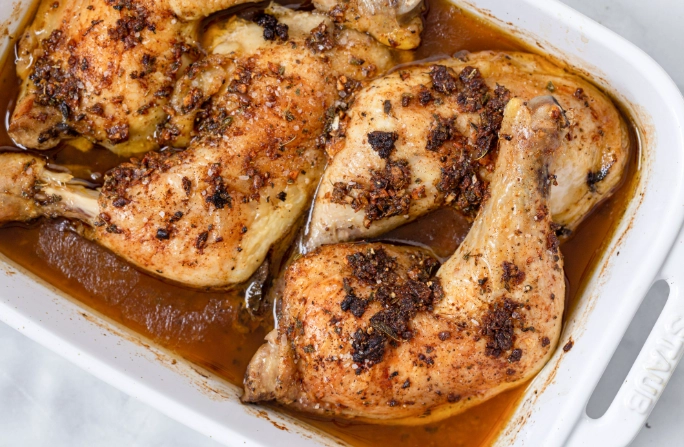
Let's cut to the chase. A typical 3.5-ounce (100g) serving of cooked, skin-on, bone-in chicken thigh has about 230-250 calories. But if you stop there, you're missing everything that makes this cut interesting—and potentially a staple in your kitchen. That single number doesn't tell you about the juicy flavor, the nutrient trade-offs versus chicken breast, or how a simple cooking tweak can change everything. I've been cooking with and writing about poultry for over a decade, and the biggest mistake I see is people dismissing thighs as "too fatty" without understanding the context. We're going to fix that.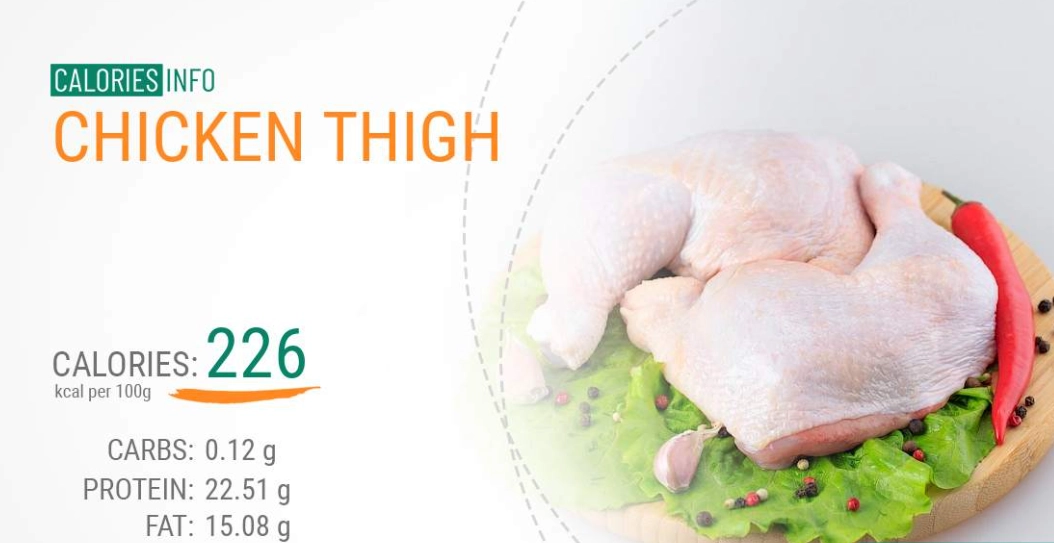
What's Inside?
- The Real Calorie Breakdown: Skin-On vs. Skinless
- How Your Cooking Method Drastically Changes the Calories
- Chicken Thigh vs. Breast: It's Not Just About Calories
- How to Reduce Calories in Chicken Thighs Without Sacrificing Flavor
- A Simple, Low-Calorie Chicken Thigh Meal Prep Plan
- Your Chicken Thigh Calories Questions, Answered
The Real Calorie Breakdown: Skin-On vs. Skinless
This is the most critical distinction. The skin is where the majority of the fat—and therefore calories—resides. Think of it as nature's built-in layer of flavor and moisture, but also of energy density.
| Type (3.5 oz / 100g, Cooked) | Calories (Approx.) | Fat (g) | Protein (g) |
|---|---|---|---|
| Thigh, with skin & bone | 230-250 | 15-18 | 22-24 |
| Thigh, skinless & boneless | 180-190 | 9-11 | 23-25 |
| Thigh, skinless & bone-in | 170-180 | 8-10 | 22-24 |
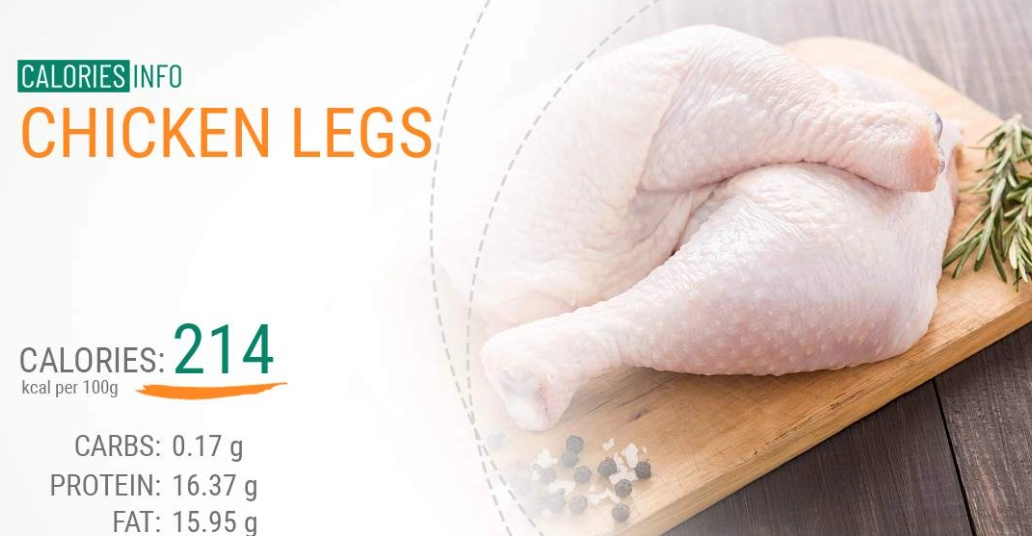
See the jump? Removing the skin drops the calories by about 50-70 per serving. That's significant if you're on a strict plan. But here's a pro tip most recipes won't tell you: cook with the skin on, then remove it before eating. The fat renders and bastes the meat from the inside, keeping it incredibly moist, even if you slightly overcook it. You get the flavor and juiciness benefit without consuming all the skin's calories. A skinless, boneless thigh thrown directly into a hot pan is much more prone to drying out.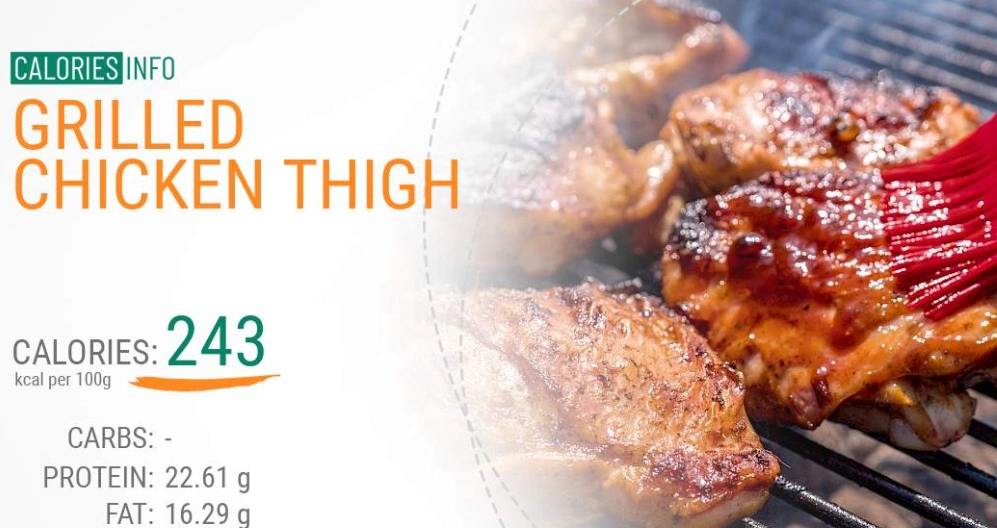
How Your Cooking Method Drastically Changes the Calories
"Cooked" is a vague term. Baking versus deep-frying versus braising introduces wildly different amounts of added fats and oils, which directly add calories. Let's look at a skinless, boneless thigh as our base (about 190 calories raw).
Baking/Roasting: With just a light spray of oil and seasoning, the final count might be around 200-210 calories. Most of the increase comes from the minimal oil used to prevent sticking and promote browning.
Grilling: Often the leanest method. Fat drips away into the coals or grill pan. A grilled skinless thigh might stay very close to its raw calorie count, maybe 195 calories.
Pan-Frying/Sautéing: This is where it gets tricky. If you use a tablespoon (14g) of olive oil to cook two thighs, that oil adds about 120 calories total, or 60 calories per thigh. Your 190-calorie thigh is now 250 calories. The key is to use non-stick spray or a very well-seasoned cast iron skillet to minimize oil.
Deep-Frying or Cooking in Heavy Sauce: Calorie bombs. A thigh can easily absorb hundreds of extra calories from batter, oil, or creamy, buttery sauces. A Southern-style fried chicken thigh with skin can clock in at over 400 calories.
The Hidden Variable: Don't trust "cooked" weights from random blogs. The USDA's FoodData Central is the gold standard for raw nutritional data. For accuracy, especially in meal prep, always weigh your chicken raw and use those nutrition figures. Cooking causes water loss, so a 6-ounce raw thigh might weigh only 4.5 ounces after baking, making cooked-weight calculations misleading.
Chicken Thigh vs. Breast: It's Not Just About Calories
Yes, a skinless chicken breast is leaner. A 3.5-oz serving has about 165 calories and 31g of protein. It's the undisputed champion for maximum protein per calorie. But the conversation shouldn't end there.
Chicken thighs have more total fat, but a good portion of that is monounsaturated fat—the same heart-healthy type found in avocados and olive oil. They also contain nearly three times more iron and significantly more zinc than chicken breast, according to USDA data. These are crucial minerals for energy and immune function.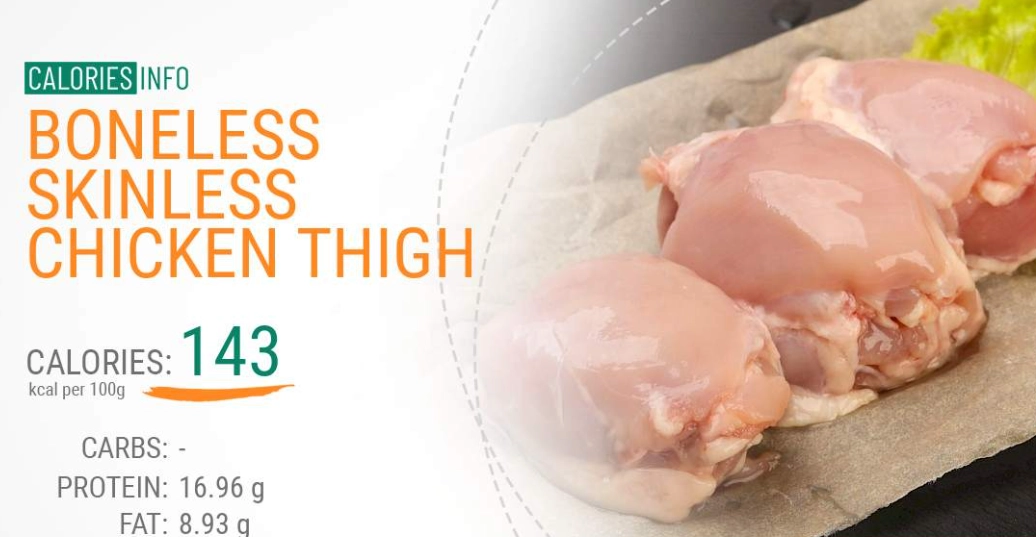
The higher fat content in thighs also means more satiety. Fat digests slower than protein alone. A meal with a juicy thigh might keep you feeling full longer than a lean breast, which can be prone to drying out and feeling less satisfying. For many people, the extra 20-30 calories in a thigh are worth it for the vastly superior eating experience and nutrient diversity.
How to Reduce Calories in Chicken Thighs Without Sacrificing Flavor
You don't have to boil them into rubber. Smart techniques make a huge difference.
- Master the Dry Brine: Salt your skinless thighs generously 1-2 hours before cooking. The salt penetrates, seasons deeply, and helps the meat retain its own juices during cooking, reducing the need for oily sauces later.
- Embrace the Sear-and-Braise: For stews and curries, brown thighs quickly in a tiny bit of oil to develop flavor (the Maillard reaction), then let them simmer in broth, tomatoes, or coconut milk (light version). The long, moist cooking renders fat into the sauce, which you can skim off the top before serving if desired.
- Use Acid and Aromatics, Not Butter: Finish cooked thighs with a squeeze of lemon, a splash of vinegar, or a sprinkle of fresh herbs. These add massive flavor for almost zero calories, unlike a pat of butter or a cream sauce.
- Go Skinless, But Keep the Bone-In: Bone-in, skinless thighs are a secret weapon. The bone acts as a heat conductor and adds flavor to the meat during cooking, helping prevent dryness. They're often cheaper, too.
A Specific Technique: Crispy Baked Skin-On Thighs (The Lower-Cal Way)
Want the crisp skin but less guilt? Pat the skin bone-dry. This is critical. Moist skin steams. Dry skin crisps. Lightly brush with 1/2 tsp of oil per thigh. Season. Place on a wire rack over a baking sheet. Bake at 425°F (220°C) for 35-45 mins. The high heat renders the subcutaneous fat, and the rack allows it to drip away. You get crackling skin with less retained fat. Eat one piece with the skin for treat, remove it from the rest for lower calories.
A Simple, Low-Calorie Chicken Thigh Meal Prep Plan
Let's get practical. Here's a plan for four lunches that highlights flavor while being calorie-conscious.
Ingredients: 1.6 lbs (approx. 725g) raw, skinless, boneless chicken thighs (four 6-oz portions). 2 tbsp low-sodium soy sauce or tamari. 1 tbsp honey or maple syrup. 2 cloves garlic, minced. 1 tbsp grated ginger. Juice of one lime. 1 tsp smoked paprika.
Process: Weigh your raw thighs and note the total weight. Mix all other ingredients in a bowl to make a marinade. Add thighs, coat, and marinate for 30 mins to 2 hours. Preheat oven to 400°F (200°C). Place thighs on a wire-racked baking sheet. Discard excess marinade. Bake for 20-25 minutes until internal temp reaches 165°F (74°C). Let rest, then portion into four containers.
The Math: Each raw 6-oz (170g) thigh portion is about 290 calories. The marinade adds roughly 20-30 calories. Each prepared meal centerpiece is about 310-320 calories. Pair with 1 cup of roasted broccoli (55 cal) and 1/2 cup of brown rice (110 cal) for a balanced, satisfying meal around 475-485 calories.
This method gives you control. You know the exact raw input, so tracking is accurate.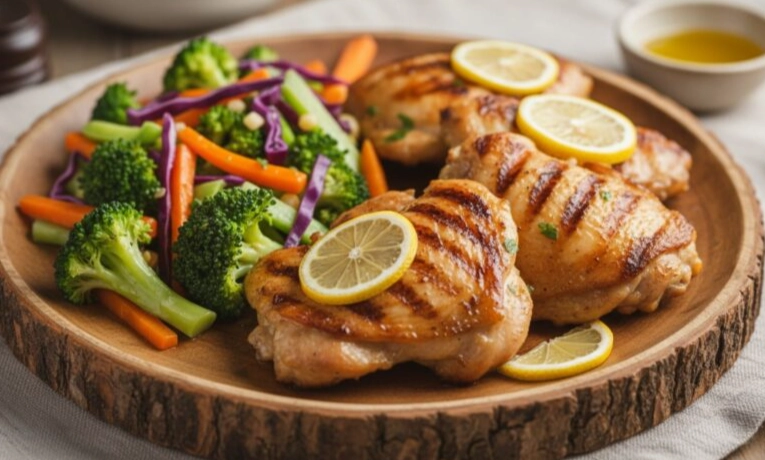
Your Chicken Thigh Calories Questions, Answered
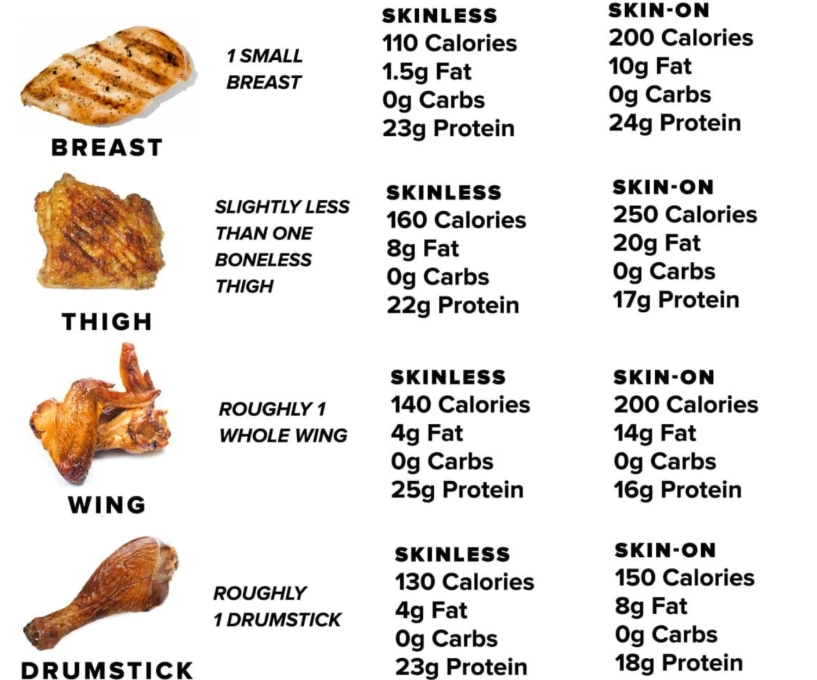 So, are chicken thighs high in calories? They can be, or they can be a lean, flavorful powerhouse. It's all in your hands—to skin or not to skin, to bake or to fry. The number on the scale matters, but so does the iron in your blood, the zinc for your immunity, and the simple joy of a meal that doesn't taste like a sacrifice. Don't let a single data point scare you away from one of the most versatile, forgiving, and delicious cuts in the kitchen.
Related Articles