How Long Does Chicken Take to Defrost? Safe Thawing Times Explained
Let's cut to the chase. How long does chicken take to defrost? It depends on your method—anywhere from 30 minutes to over a day. But if you're like me, staring at a frozen block of chicken an hour before dinner, you need more than just numbers. You need a plan that's safe, fast, and doesn't ruin your meal. I've botched this enough times to know the pitfalls. So, here's everything I've learned from years in the kitchen, plus data from sources like the USDA's food safety guidelines.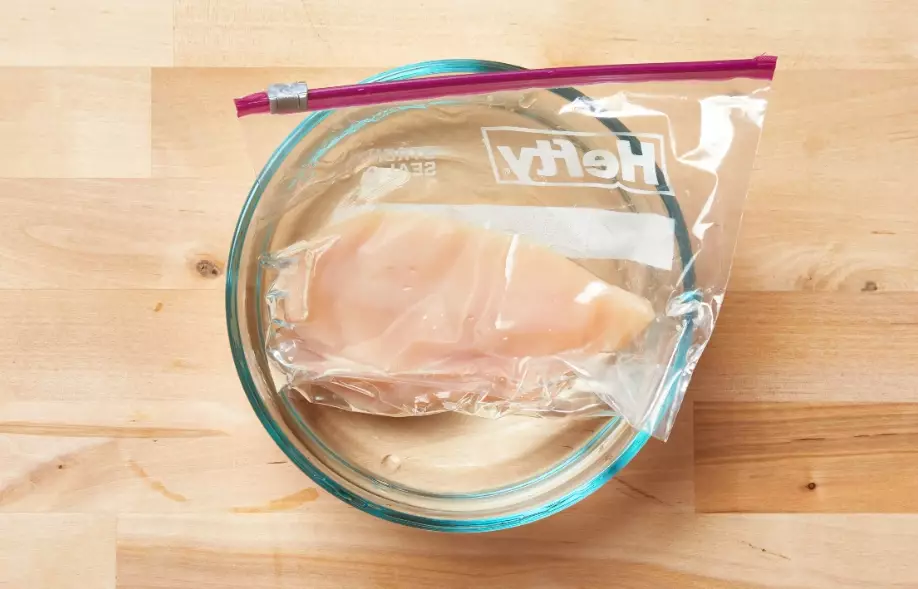
What You'll Find Inside
Why Defrosting Chicken Correctly Matters
You might think defrosting is just about convenience. It's not. Get it wrong, and you risk foodborne illness—salmonella is no joke. I once rushed thawing for a quick stir-fry and spent the next day regretting it. The USDA stresses keeping chicken out of the "danger zone" (40°F to 140°F) where bacteria multiply rapidly. Proper defrosting also affects texture. Frozen chicken thawed slowly tastes better; fast methods can make it rubbery or dry. So, yes, time matters, but so does technique.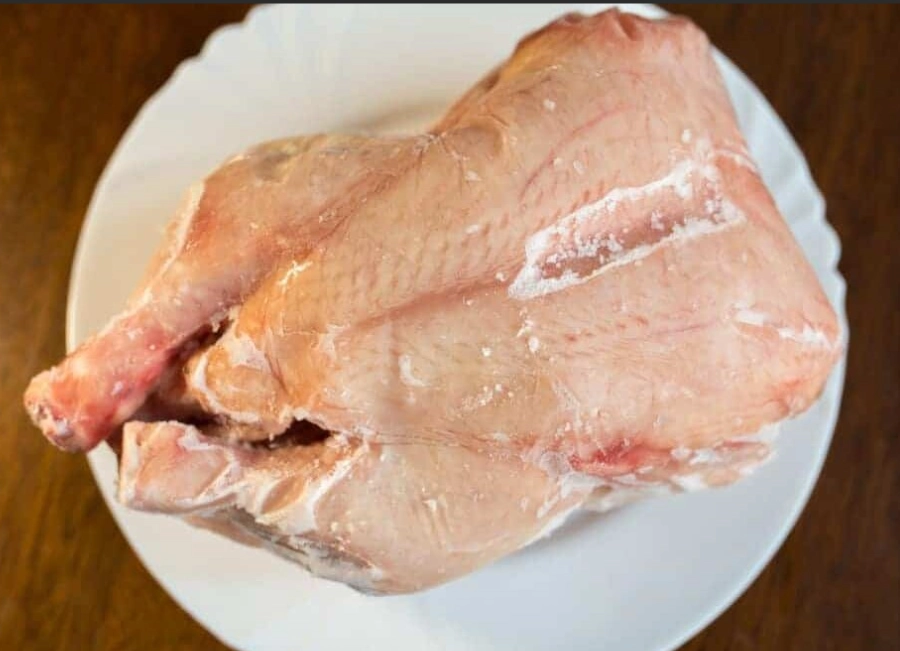
The 3 Safe Methods to Defrost Chicken (and Exactly How Long Each Takes)
There are only three methods recommended by food safety experts. I'll break each down with real-world times.
Method 1: Defrosting in the Refrigerator
This is the gold standard. It's slow but safest. For a typical pack of chicken breasts (about 1 to 2 pounds), budget 12 to 24 hours. Whole chickens or larger cuts? Plan for 24 hours per 5 pounds. The fridge keeps temperatures steady below 40°F, so bacteria stay dormant. I always do this overnight. But here's a tip many miss: place the chicken on a plate or tray to catch drips. It prevents cross-contamination in your fridge.
Method 2: Defrosting in Cold Water
Need it faster? Cold water thawing works well. It takes about 30 minutes per pound. So, a 2-pound pack needs an hour. The catch: you must change the water every 30 minutes to keep it cold. Use a leak-proof bag—I've ruined sinks with chicken juice before. And never use warm water. It seems logical to speed things up, but it partially cooks the surface, creating a breeding ground for germs.
Method 3: Defrosting in the Microwave
The quickest option. On defrost setting, it's 5 to 10 minutes per pound. But listen closely: this method is tricky. Microwaves heat unevenly. Parts can start cooking while others remain frozen. You must cook the chicken immediately after. I use it only in emergencies, like when friends show up unannounced. And always use a microwave-safe plate to avoid messes.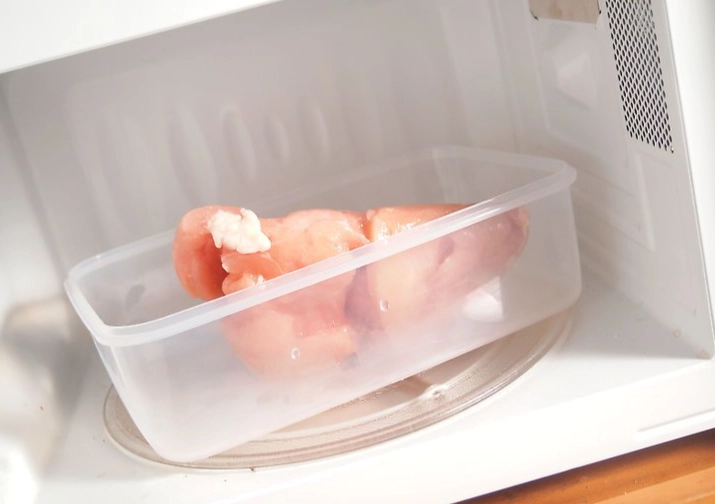
A Quick-Reference Table: Chicken Defrosting Times at a Glance
Here's a table to save you time. These are estimates based on average chicken portions and my own kitchen tests.
| Method | Time per Pound | Example: 2 lbs Chicken | Best For |
|---|---|---|---|
| Refrigerator | 12-24 hours total | 12-24 hours | Planning ahead, safety |
| Cold Water | 30 minutes | 1 hour | Same-day cooking |
| Microwave | 5-10 minutes | 10-20 minutes | Emergencies only |
Note: Times vary with chicken thickness and starting temperature. A frozen solid block takes longer than loosely packed pieces.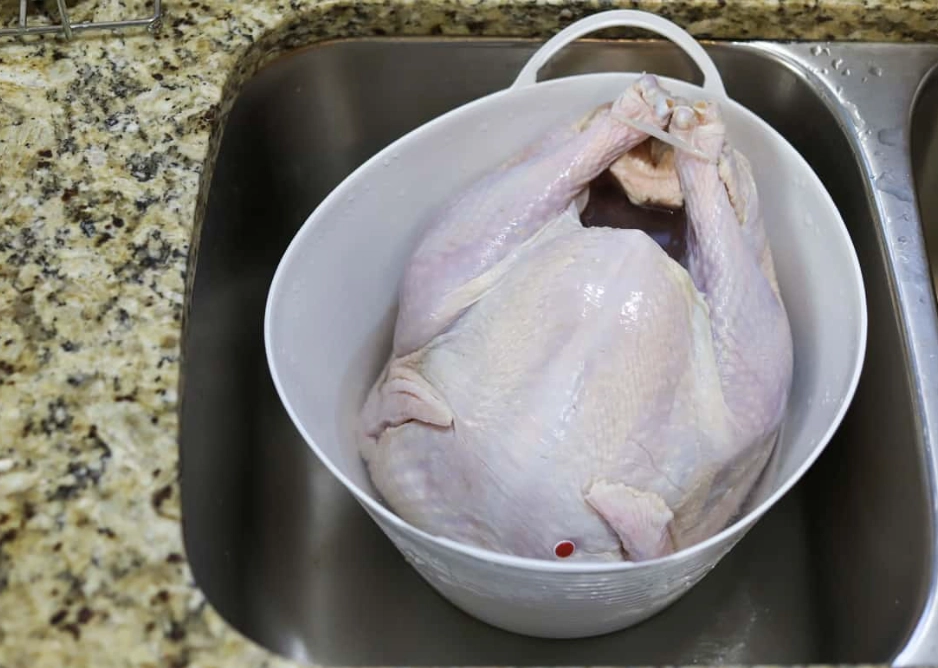
Common Defrosting Mistakes Even Experienced Cooks Make
I've seen seasoned cooks slip up. Here are errors you might not realize you're making.
Leaving chicken on the counter. It's tempting. But at room temperature, bacteria double every 20 minutes. The USDA says never thaw at room temperature for over 2 hours. I did this once—the chicken smelled fine, but I got sick. Not worth it.
Refreezing thawed chicken. If you thaw in the fridge, you can refreeze it safely. But if you use water or microwave, don't refreeze unless you cook it first. Texture suffers, and safety risks creep in.
Ignoring packaging. Chicken in vacuum-sealed bags thaws slower because there's no air circulation. Poke a hole or transfer to a bag. I learned this after a frustrating dinner delay.
Pro insight: Many guides say "defrost overnight" but don't specify fridge temperature. If your fridge is above 40°F (common in older models), add a few hours. Use a thermometer—it's a game-changer.
Expert Tips for Faster, Safer Thawing
Want to shave time without risk? Try these.
Break it down. If you have a large pack, separate pieces before freezing. Individual breasts thaw faster than a clump. I freeze chicken flat on a tray, then bag them. Saves me 30% time in the fridge.
Use cold water with agitation. Instead of just soaking, gently swish the bag in water. It speeds heat transfer. I do this while prepping other ingredients—multitasking at its finest.
Monitor with a thermometer. Insert a food thermometer into the thickest part. When it reads 32°F (0°C) with no ice, it's ready. No guesswork.
Cook from partially frozen. For recipes like soups or stews, you can add partially frozen chicken directly. It'll cook through in the pot. I do this for chili—works like a charm.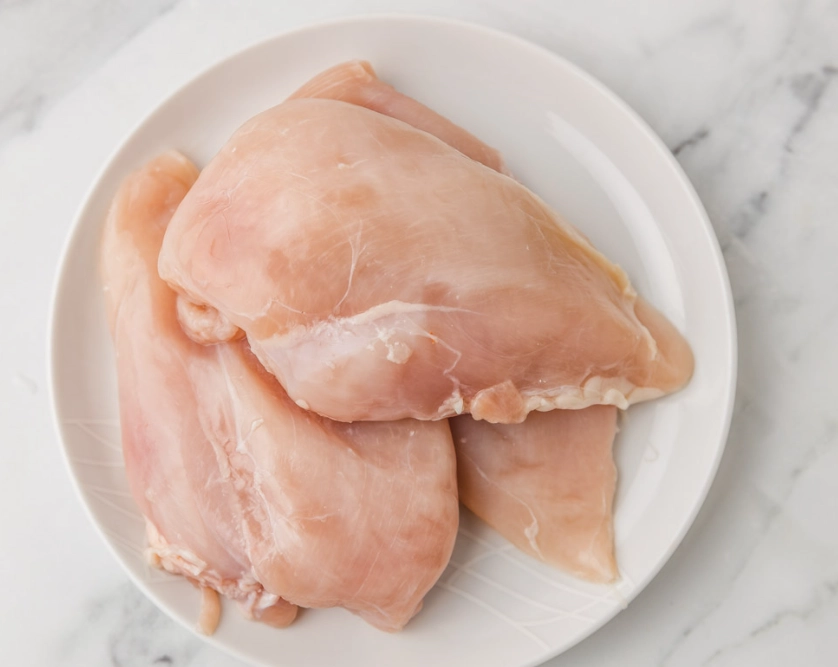
Frequently Asked Questions
 So, next time you're wondering how long chicken takes to defrost, remember: it's not just about speed. Safety and quality hinge on your method. Plan ahead with the fridge, use cold water for a balance, or microwave in a pinch. And avoid those countertop thawing disasters—I've been there. Happy cooking!
Related Articles