How Long to Bake a Whole Chicken: The Ultimate Guide (Time, Temp & Tips)
In This Article
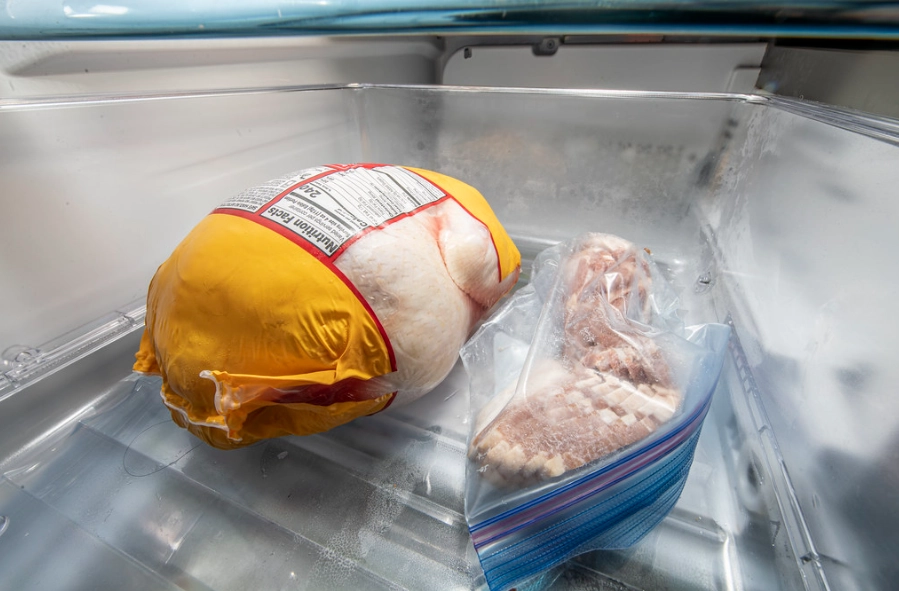
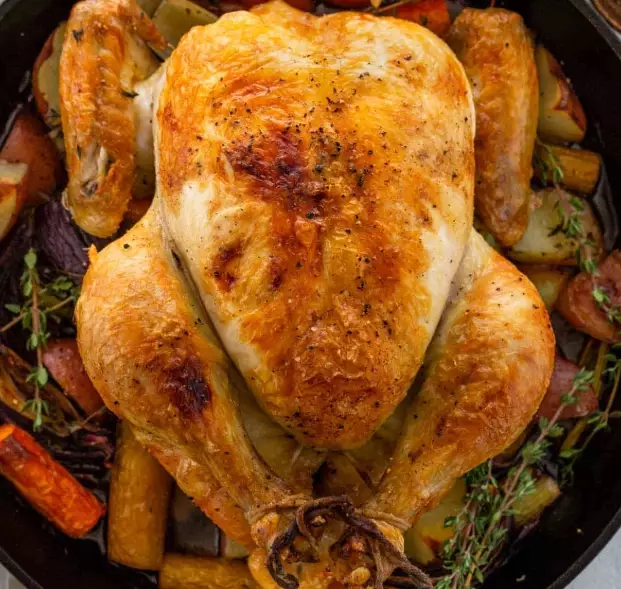
So you've got this whole chicken staring back at you from the fridge, and your mind goes straight to the big question: how long does a whole chicken take to bake? You google it, and you get a million answers. 20 minutes per pound. 1 hour total. 375 degrees for… forever? It's confusing. I've been there. I've pulled out dry, sad chicken. I've also served up juicy, golden-brown perfection that had everyone asking for seconds. The difference wasn't magic—it was understanding that the time isn't just one number.
It's a starting point, influenced by a bunch of things nobody really talks about in those one-line recipe answers. Your oven's personality, whether that bird was frozen solid an hour ago, even the shape of the pan you use. This guide is here to cut through the noise. We're not just throwing a time at you. We're going to walk through everything that changes the clock on your roast chicken, give you a solid, reliable framework to work from, and answer all those little questions that pop up mid-cook. Let's make sure your next chicken is the best one yet.
The Short (But Incomplete) Answer: For a standard 4 to 5-pound chicken at 375°F (190°C), you're looking at roughly 1 hour to 1 hour and 30 minutes. But please, don't stop reading here. If you rely solely on time, you're gambling. The only surefire way to know is by checking the internal temperature with a meat thermometer. That chicken is done when the thickest part of the breast hits 165°F (74°C) and the thigh hits at least 175°F (79°C).
The Real Factors That Decide Your Baking Time
Thinking about how long a whole chicken takes to bake as a simple math equation (weight x minutes) is the first mistake. It's more like a recipe with variables. Change one, and your finish line moves. Here’s what actually matters.
1. The Chicken's Weight and Size (The Obvious One)
Yes, bigger chickens take longer. A petite 3-pounder and a hefty 7-pounder are different beasts. But it's not perfectly linear. A 6-pound chicken doesn't necessarily take twice as long as a 3-pounder. The heat has to penetrate to the center, and mass matters. This is the core variable every guide mentions, but it's just the opener.
2. Your Oven's True Temperature (The Sneaky One)
This is a huge one. If your oven dial says 375°F, but it's actually running at 350°F, your cooking time balloons. Many home ovens are off by 25 degrees or more. I learned this the hard way with a chicken that just wouldn't brown. An inexpensive oven thermometer is a game-changer. Place it on the rack where the chicken will be and preheat for a good 30 minutes. Knowing your real temperature is power.
3. Starting Temperature: Chilled vs. Room Temp
Are you putting a cold chicken straight from the fridge into a hot oven? That's going to add significant time—maybe 15-20 extra minutes—because the oven has to heat up the cold center from 40°F to 165°F. Some chefs swear by letting the chicken sit out for 30-60 minutes to take the chill off. It does help with more even cooking.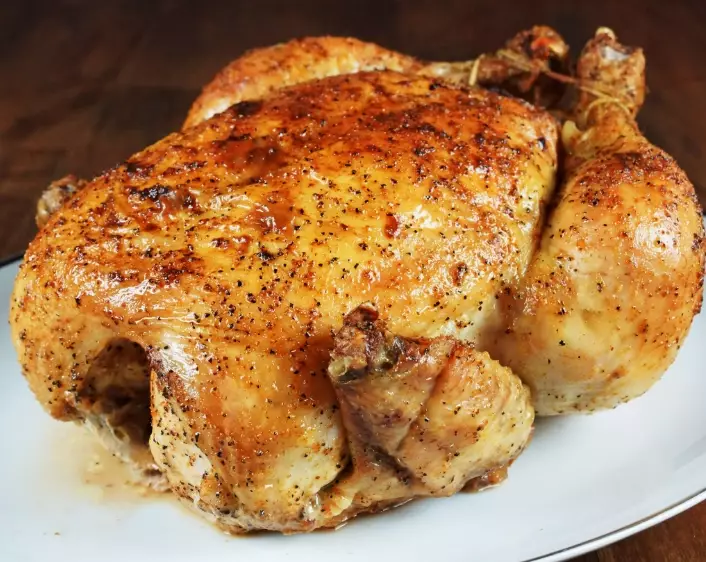
Food Safety Note: The USDA recommends never leaving perishable food at room temperature for more than 2 hours (1 hour if it's above 90°F). The 30-60 minute rest is generally considered safe, but always use your judgment and never leave it out for extended periods.
4. To Stuff or Not to Stuff?
If you pack the cavity with a dense, cold bread stuffing, you're essentially adding a large, insulating mass to the middle of the chicken. Heat has to cook the chicken and heat that stuffing to a safe 165°F. This can easily add 30-45 minutes to your total baking time. For a quicker, more predictable cook (and arguably crispier skin all around), bake your stuffing separately in a dish. The chicken will cook faster and more evenly.
5. Your Roasting Pan and Rack Setup
A crowded, deep pan that blocks air circulation will slow things down. A shallow, heavy-duty roasting pan or even a cast-iron skillet is ideal. Using a wire rack to elevate the chicken allows hot air to circulate underneath, promoting even browning and reducing steaming, which can shave off some time.
See what I mean? How long does it take to bake a whole chicken? It depends. But now you know what it depends on.
The Practical Time and Temperature Guide
Okay, with all those caveats in mind, here’s a reliable chart. This assumes a few things: your oven is properly preheated and accurate, the chicken is not stuffed, and it's placed on a rack in a shallow pan. These times are estimates to get you to a safe internal temperature.
| Chicken Weight | Oven Temperature | Estimated Baking Time | Key Visual & Temp Cues |
|---|---|---|---|
| 3 – 3.5 lbs (1.4 – 1.6 kg) | 375°F (190°C) | 1 hour – 1 hour 15 min | Juices run clear, legs wiggle easily. |
| 4 – 4.5 lbs (1.8 – 2 kg) | 375°F (190°C) | 1 hour 15 min – 1 hour 30 min | Skin is golden brown and crisp. |
| 5 – 5.5 lbs (2.3 – 2.5 kg) | 375°F (190°C) | 1 hour 30 min – 1 hour 45 min | Thermometer in breast reads 165°F. |
| 6 – 7 lbs (2.7 – 3.2 kg) | 375°F (190°C) | 1 hour 45 min – 2 hours 15 min | Thermometer in thigh reads 175°F+. |
| 3 – 4 lbs (1.4 – 1.8 kg) | 425°F (220°C) (High Heat Method) | 45 min – 1 hour | Very fast browning, watch closely! |
| 4 – 5 lbs (1.8 – 2.3 kg) | 350°F (175°C) (Low & Slow) | 1 hour 45 min – 2 hours 15 min | Extremely tender meat, less crisp skin. |
Pro-Tip: Many cooks (myself included) prefer a two-temperature method. Start at a high temperature (425-450°F) for 20-30 minutes to crisp and brown the skin, then reduce the heat to 375°F for the remainder of the cooking time. This gives you the best of both worlds without adding much to the total time needed to bake a whole chicken.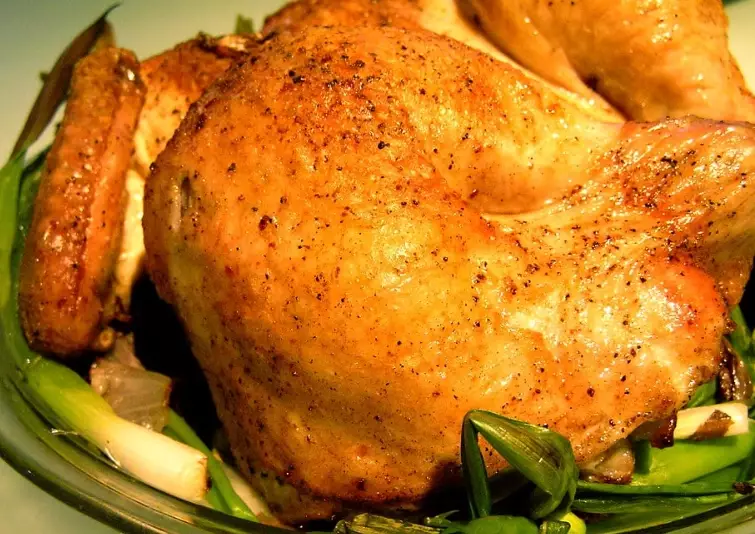
Step-by-Step: From Fridge to Feast
Let's walk through the actual process, minute by minute. This is where theory meets practice.
Before You Even Turn On the Oven (The Prep)
Pat that chicken bone-dry with paper towels. Inside and out. Moisture is the enemy of crispy skin. Season generously under the skin on the breasts, and all over the outside with salt, pepper, and your favorite herbs (rosemary and thyme are classics). Trussing (tying the legs together) helps it cook evenly, but it's not strictly necessary. I often just tuck the wingtips under.
The Baking Process: What to Expect and When to Check
Preheat your oven (with the thermometer inside!). Place the chicken breast-side up on a rack in your pan. Now, the waiting begins.
- At the 45-minute mark (for a ~4 lb bird): Start peeking. Is the skin browning too fast in spots? You can tent loosely with foil. Is it pale? Your oven might be low.
- At the estimated "done" time: This is thermometer time. Insert an instant-read thermometer into the thickest part of the breast, avoiding the bone. It should read 165°F. Then, check the innermost part of the thigh, also avoiding bone. It should be at least 175°F. If it's not there yet, give it 10 more minutes and check again.
This is the only way to truly know how long your particular whole chicken will take to bake. The chart gave you an estimate; the thermometer gives you the truth.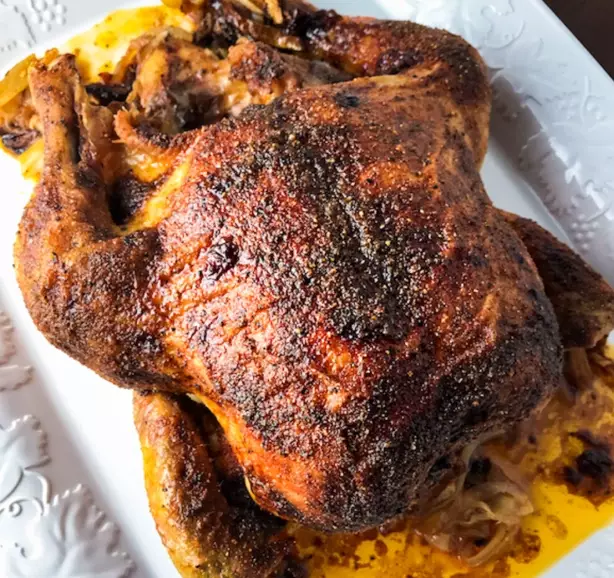
The Non-Negotiables: Resting and Carving
You've hit the right temp! Do not carve immediately. Transfer the chicken to a cutting board, tent it loosely with foil, and let it rest for 15-20 minutes. This is crucial. The juices, which have been driven to the center by the heat, redistribute throughout the meat. If you cut now, all those flavorful juices will just run out onto the board, leaving you with drier meat. Trust me, it's worth the wait.
Answering Your Burning Questions (FAQ)
My Go-To Method for a Perfect Chicken Every Time
After years of testing, this is my personal favorite routine. It balances hands-off time with fantastic results.
- Dry Brine (Night Before): Pat chicken dry. Rub 1 tbsp kosher salt all over, inside the cavity, and under the skin on the breasts. Place on a rack on a plate, uncovered, in the fridge overnight. This seasons deeply and helps crisp the skin.
- Prep & Preheat: Next day, take chicken out 45 min before cooking. Preheat oven to 425°F with a cast-iron skillet inside. Pat chicken dry again (it will be dry!). Rub with a little oil and black pepper.
- The Bake: Carefully place chicken breast-up in the hot skillet. Roast at 425°F for 25 minutes. Without opening the door, reduce heat to 375°F. Roast until a thermometer in the breast reads 160°F (it will carry over to 165°F while resting). For a 4.5 lb chicken, this second phase takes about 35-45 minutes.
- Rest & Serve: Rest for 20 full minutes. Carve and enjoy. The skin is unreal, and the meat is incredibly juicy.
This method consistently answers how long does a whole chicken take to bake for me—about 60-70 minutes total, plus resting. It’s my gold standard.
Final Takeaway: Stop obsessing over a single magic number for how long to bake a whole chicken. Embrace the process. Understand the factors. Use a thermometer. Let it rest. When you focus on these principles rather than just the clock, you move from following a recipe to mastering a technique. And that’s when you start turning out perfectly baked chicken, every single time.
Got a weird-shaped chicken or a convection oven? Those change things too. Convection will cook faster and more evenly—reduce the estimated time by about 15-20% and keep a close eye on browning. The principles, though, stay the same. It’s all about controlling heat and measuring doneness, not just counting minutes.
Related Articles