Brown Sugar Chicken: A Taiwanese Street Food Classic You Can Make at Home
I still remember the first time I had real brown sugar chicken. It wasn't in a fancy restaurant, but at a bustling night market stall in Taipei. The air was thick with the smell of sizzling oil and that incredible, intoxicating aroma of caramelizing sugar and soy. The vendor tossed chunks of chicken in a wok, the sauce reducing to a sticky, glossy coat that clung to every piece. One bite, and I was hooked—a perfect balance of deep sweetness, savory umami, and a slight char. I spent years trying to recreate that taste in my kitchen, burning more sugar than I care to admit, before I cracked the code.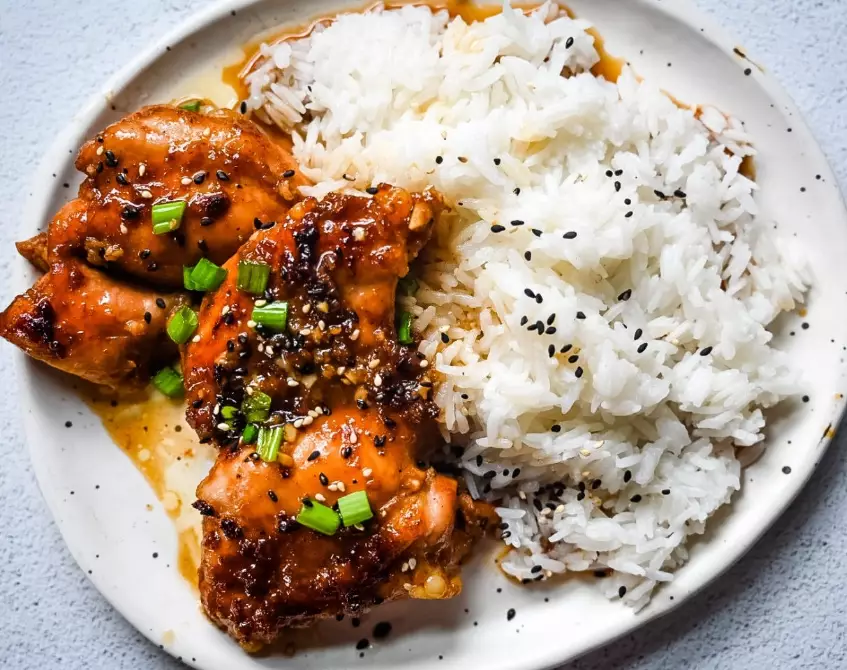
This isn't just another sweet chicken stir-fry. Taiwanese brown sugar chicken (sometimes called "Hong Tang Ji Kuai") is a specific street food hero. It’s deceptively simple, which is why so many home cooks get it wrong. The goal isn't a sugary glaze, but a complex, caramel-based sauce where the sugar is cooked until it deepens in flavor, then balanced by salt and savoriness.
In This Guide
- Brown Sugar Chicken: More Than Just a Sweet Name
- The Secret to Perfect Caramelization Every Time
- How to Make Authentic Brown Sugar Chicken at Home
- 3 Common Mistakes That Ruin Brown Sugar Chicken (And How to Fix Them)
- Serving, Storing, and Flavor Variations
- Your Brown Sugar Chicken Questions, Answered
Brown Sugar Chicken: More Than Just a Sweet Name
Let's clear something up. If you search for "brown sugar chicken," you might find American-style baked chicken with a brown sugar rub. That's a different dish altogether. The Taiwanese version is a quick stir-fry or shallow-fry where the sauce is built in the pan. The brown sugar isn't just a sweetener; it's the foundation of the sauce. When melted and cooked to a caramel stage, it develops notes of toffee and molasses that regular sugar or honey can't match.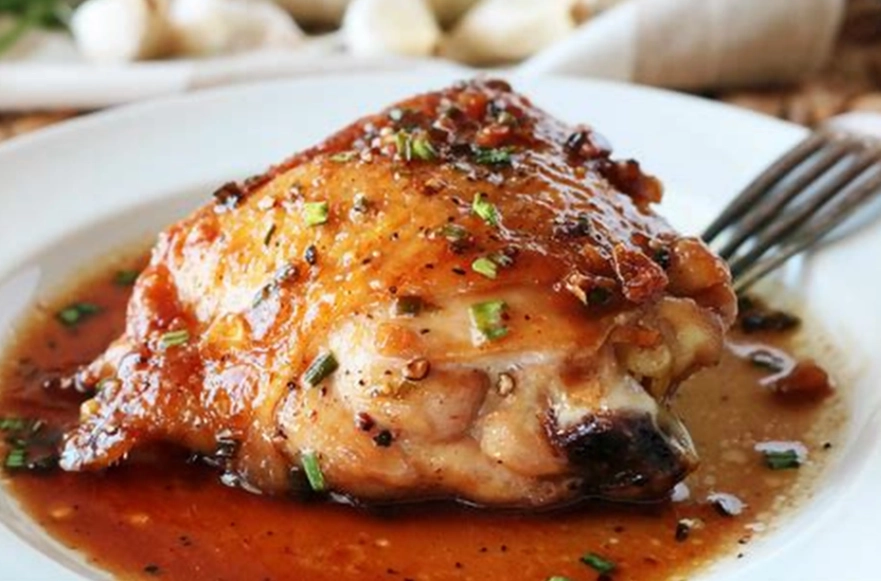
The other half of the magic is soy sauce. Not the thick, sweet "teriyaki" style, but a good-quality, all-purpose soy sauce that provides salt and fermenty depth. According to resources like Wikipedia's overview of Taiwanese cuisine, this balance of sweet and savory is a hallmark of the island's food culture. The dish likely evolved from similar Fujianese cooking traditions, perfected by night market vendors for maximum flavor and speed.
It's the ultimate weeknight winner. From fridge to plate in under 30 minutes, with ingredients you probably have on hand.
The Flavor Profile: Imagine the deep, almost bitter note of good caramel, cut through with salty, savory soy. It's sticky but not cloying, rich but not heavy. The chicken stays juicy inside its glossy coat. It’s profoundly comforting.
The Secret to Perfect Caramelization Every Time
This is where most recipes fail. They tell you to mix brown sugar and soy sauce together and simmer. You get a sweet soy sauce, not a caramel sauce. The key is cooking the sugar first.
Why Dry-Start Caramelization Matters
Heating the sugar alone in the pan allows its granules to melt and break down. The sucrose inverts, and the Maillard reaction (the same one that browns your steak) starts, creating hundreds of new flavor compounds. Adding liquid too early stops this process dead. You're just making simple syrup.
I use a medium-low heat. Patience is your friend here. You'll see the sugar go from granules, to clumps, to a grainy paste, and finally to a smooth, bubbling liquid. That's your cue. It should be the color of a dark copper penny. If it starts smoking or smelling acrid, it's gone too far—bitter burnt sugar is impossible to save. Start over.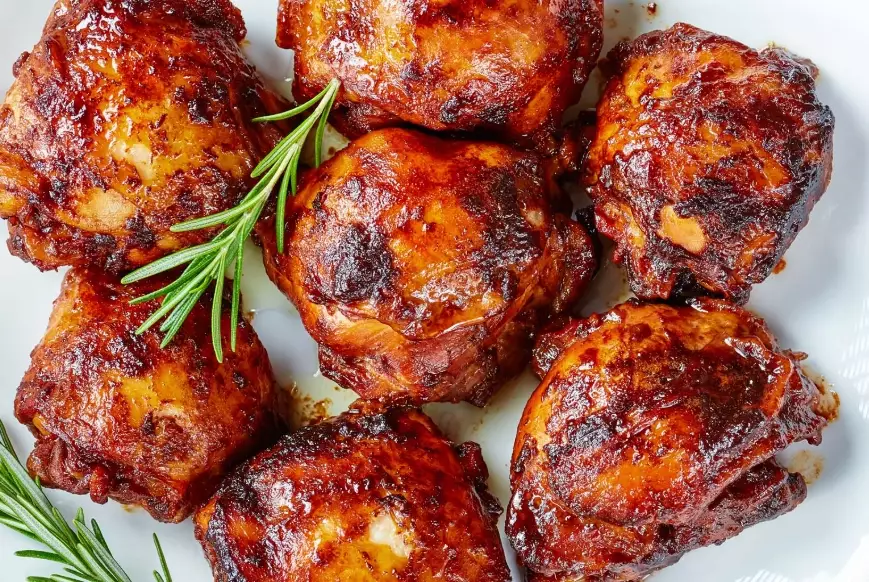
How to Make Authentic Brown Sugar Chicken at Home
Here’s my tried-and-true method, refined after many, many batches (and a few smoke alarm incidents).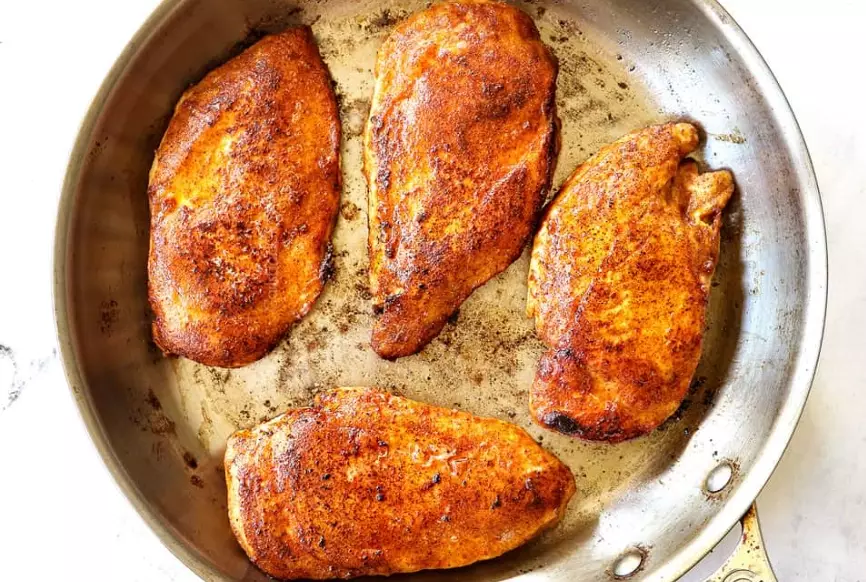
Ingredients You'll Need
- Chicken: 1.5 lbs (about 700g) boneless, skinless chicken thighs, cut into 1.5-inch chunks. Thighs are essential. Breast meat dries out too fast in this high-heat process.
- Brown Sugar: 1/2 cup, packed. Use dark brown sugar for more molasses flavor, light for a cleaner caramel taste. Don't substitute with white sugar + molasses; it never melts the same way.
- Soy Sauce: 1/4 cup. This is crucial. Use a standard all-purpose soy sauce like Kikkoman or a Taiwanese brand like Kimlan. Not light/low-sodium, and not dark soy sauce (it's too thick and sweet for this).
- Aromatics & Extras: 3 cloves garlic (minced), 1-inch knob of ginger (minced), 2-3 dried red chilies (optional), 1 tablespoon cooking oil, 1/3 cup water, 2 green onions (sliced).
- For the Chicken: 1 tablespoon soy sauce, 1 tablespoon cornstarch, 1 teaspoon sesame oil.
Step-by-Step Process
1. Marinate the Chicken (15 mins): Toss the chicken chunks with 1 tbsp soy sauce, 1 tbsp cornstarch, and 1 tsp sesame oil. The cornstarch creates a light crust that helps the sauce stick later.
2. Cook the Chicken: Heat 1 tbsp oil in a large skillet or wok over medium-high. Add the chicken in a single layer—don't crowd the pan. Cook for 3-4 minutes per side until golden brown and just cooked through. It doesn't need to be fully done. Remove the chicken to a plate.
3. Build the Caramel: Reduce heat to medium-low. In the same pan (leave those tasty bits!), sprinkle the 1/2 cup brown sugar evenly over the bottom. Let it sit, undisturbed, for 1-2 minutes until the edges start to melt. Then, gently push the melting sugar around with a spatula until it's all a smooth, dark liquid.
4. Create the Sauce: Once the sugar is fully melted and bubbling, quickly add the garlic, ginger, and chilies. Stir for 10 seconds until fragrant. Now, carefully and slowly pour in the 1/4 cup soy sauce and 1/3 cup water mixture. It will bubble violently. Whisk constantly until the hard caramel dissolves into a smooth sauce.
5. Finish the Dish: Add the cooked chicken back to the pan. Increase heat to bring to a simmer. Cook, tossing constantly, for 2-3 minutes until the sauce thickens enough to coat the back of a spoon and glazes the chicken beautifully. Toss in most of the green onions.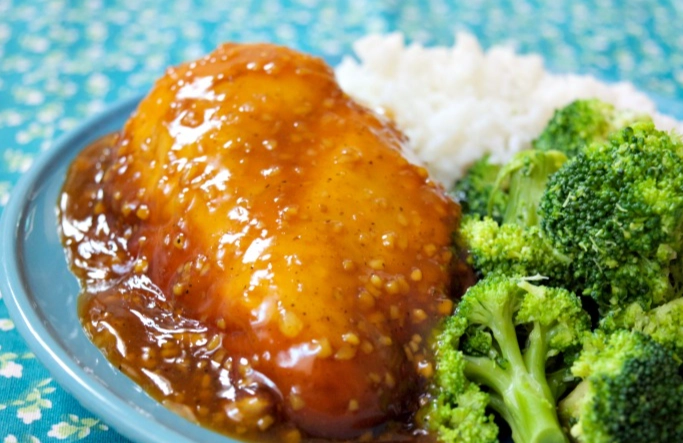
6. Serve: Immediately over steamed rice. Garnish with remaining green onions.
| Soy Sauce Type | Best For This Recipe? | Why/Why Not |
|---|---|---|
| All-Purpose (Regular) | YES - The Standard | Perfect balance of salt and ferment. Creates the authentic base flavor. |
| Light / Low-Sodium | Not Ideal | Too weak. The sauce will lack depth and taste flat, requiring you to add salt. |
| Dark Soy Sauce | NO - Use Sparingly | Too thick, sweet, and malty. Will overpower the brown sugar caramel and make the dish too dark. |
| Sweet Soy Sauce (e.g., Kecap Manis) | NO | Already sweetened and spiced. Will clash with the caramel and create an overly sweet, one-dimensional dish. |
3 Common Mistakes That Ruin Brown Sugar Chicken (And How to Fix Them)
I've made these so you don't have to.
Mistake #1: Adding everything to the pan at once. This is the cardinal sin. Sugar + soy sauce + chicken all together equals boiled chicken in sweet soy water. The sugar never caramelizes. Fix: Follow the sequence: cook chicken, remove, make caramel, then make sauce, then combine.
Mistake #2: Using high heat for the caramel. High heat burns sugar in seconds. You get a bitter, acrid flavor that ruins the whole dish. Fix: Medium-low heat. Watch it like a hawk. If you see dark black specks forming, you've gone too far.
Mistake #3: Overcrowding the pan with chicken. This steams the chicken instead of searing it. All that released water ends up in your pan, making it impossible for the sauce to reduce to a sticky glaze. You'll have a soupy mess. Fix: Cook in two batches if your pan isn't huge. Give each piece space to brown.
Serving, Storing, and Flavor Variations
Serving: This is a rice dish. Period. You need that plain, steamy rice to soak up every last drop of sauce. A simple side of stir-fried greens (like gailan or bok choy) or a quick cucumber salad provides a fresh, crisp contrast.
Storing: Leftovers keep in the fridge for 3-4 days. The sauce will thicken. Reheat gently in a skillet with a tiny splash of water to loosen the glaze.
Variations to Try: Once you've mastered the classic, play around. Add a tablespoon of rice vinegar with the soy sauce for a tangy twist. Toss in some toasted sesame seeds at the end. For a more substantial meal, add bell peppers or onions with the chicken in step 2.
Your Brown Sugar Chicken Questions, Answered
 The beauty of brown sugar chicken lies in its simplicity and deep, satisfying flavor. It’s a technique that feels impressive but is utterly approachable. It turns cheap ingredients into something special. Forget takeout. In the time it takes for delivery to arrive, you can have this sizzling, sticky, caramel-coated masterpiece on your own table. Give it a shot this week. Just keep an eye on that sugar.
Related Articles