Chicken Dark Meat: Nutrition, Cooking, & Why It's Better Than You Think
Quick Guide
Let's be honest. For years, chicken dark meat got a bad rap. If you listened to the fitness magazines and diet gurus of the 90s, you'd think eating a chicken thigh was a one-way ticket to... well, nowhere good. Breast was best, and everything else was second-class. I bought into that for a long time. I'd dutifully grill my boneless, skinless chicken breasts, often ending up with something so dry I needed a glass of water with every bite. What a chore.
Then, one rainy Sunday, I decided to roast a whole chicken. The legs and thighs came out juicy, deeply flavorful, and satisfying in a way the breast meat just wasn't. It was a revelation. Why were we avoiding this? That curiosity sent me down a rabbit hole of butchery, nutrition science, and cooking experiments. What I found completely changed how I shop, cook, and eat.
Turns out, chicken dark meat isn't the villain it was made out to be. It's a versatile, economical, and downright delicious part of the bird that home cooks and professional chefs alike are quietly championing. This isn't about settling for less. It's about understanding more.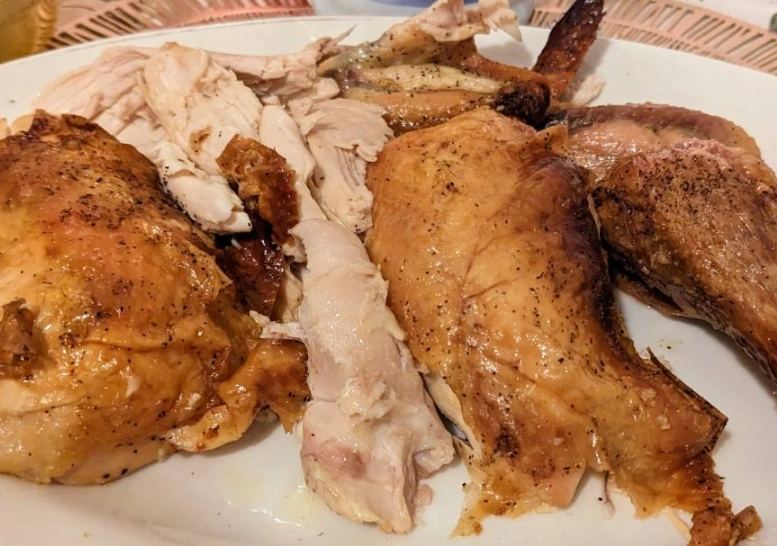
So, what exactly is "dark meat"? It's not a different animal. On a chicken, it refers specifically to the thighs and drumsticks. The wings are a bit of a hybrid, but their meat is also darker than the breast. This darker color comes from a protein called myoglobin, which stores oxygen in muscles. Leg muscles are used more for sustained activity (walking, standing), so they need more oxygen, hence more myoglobin, hence darker meat. It's that simple.
The Nutritional Truth About Dark Meat Chicken
This is where most of the confusion lies. Is dark meat chicken really that much worse for you? The short answer is no, and the long answer is that it depends entirely on your goals and how you look at nutrition.
Yes, it has more fat and calories than white meat. But context is everything. We're not talking about a deep-fried candy bar here. We're talking about a whole-food source of protein with a different nutrient profile. Let's break it down with some hard numbers, courtesy of the USDA FoodData Central, which is about as authoritative as it gets for this stuff. I'm talking about a 100-gram (3.5 oz) serving of roasted meat, skinless.
| Nutrient | Chicken Thigh (Skinless) | Chicken Breast (Skinless) | Why It Matters |
|---|---|---|---|
| Calories | ~209 kcal | ~165 kcal | A difference of about 44 calories. That's roughly the equivalent of half a tablespoon of milk. |
| Total Fat | ~10.9g | ~3.6g | This is the big one. But much of this is unsaturated (the "good" kind). Only about 3g is saturated. |
| Protein | ~26g | ~31g | Both are excellent sources. The breast wins on pure protein density, but the thigh is no slouch. |
| Iron | ~1.3mg (7% DV) | ~0.9mg (5% DV) | Dark meat is a significantly better source of heme iron, which your body absorbs more easily. |
| Zinc | ~2.4mg (22% DV) | ~1.0mg (9% DV) | More than double. Crucial for immune function and metabolism. |
| Vitamin B12 | ~0.4μg (17% DV) | ~0.3μg (13% DV) | Important for nerve function and blood cell formation. |
See what I mean? You trade a few grams of fat and a few dozen calories for a big boost in crucial minerals like iron and zinc. For most people eating a balanced diet, that's a fantastic trade-off. The fat content is also what gives chicken dark meat its moisture and flavor, meaning you're less likely to drown it in high-calorie sauces just to make it palatable. That's a win in my book.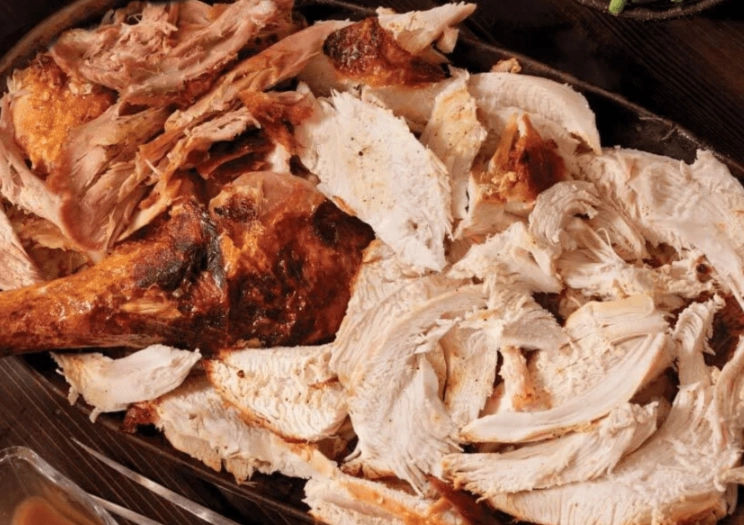
The Skinny on Skin: Let's address the elephant in the room. Yes, the skin adds a lot of fat and calories. A chicken thigh with the skin on can have nearly double the fat content. If you're strictly managing calories or saturated fat intake, removing the skin is the single biggest change you can make. But cooked properly (think crispy, rendered skin), it's a magnificent treat. I don't eat it every day, but when I do, I enjoy every last crispy bit. It's about choice, not dogma.
What about cholesterol? You might be surprised. According to the Harvard T.H. Chan School of Public Health, for most people, dietary cholesterol (like that found in egg yolks and, yes, dark meat chicken) has a much smaller effect on blood cholesterol levels than the mix of saturated and trans fats in your diet. The saturated fat in a skinless thigh is moderate. It's the skin and cooking methods like deep-frying that tip the scales.
How to Cook Chicken Dark Meat Perfectly (It's Forgiving, But Not Foolproof)
This is the best part. Dark meat chicken is incredibly forgiving. Its higher fat and connective tissue content mean it's much harder to dry out than breast meat. You have a wider temperature window for doneness. But "harder to ruin" doesn't mean "impossible to ruin." You can still end up with greasy, flabby skin or a bland, boring piece of meat if you don't know a few key principles.
The golden rule? Dark meat loves higher heat and longer cooking than white meat. Those connective tissues need time and temperature to break down into gelatin, which is what gives you that fall-off-the-bone tenderness and luxurious mouthfeel.
Top Methods for Cooking Dark Meat:
Roasting/Baking: The classic. For bone-in, skin-on thighs, I swear by starting them in a cold oven set to 450°F (230°C). The gradual rise in heat helps render the fat under the skin slowly, resulting in the crispiest skin you've ever had. Roast until the internal temperature hits 175-185°F (79-85°C). Yes, that's higher than the "safe" 165°F (74°C). At that higher temp, the collagen has melted, and the meat is still juicy. Trust me.
Braising/Stewing: This is where dark meat chicken truly shines. Think coq au vin, chicken cacciatore, or a simple curry. The moist, low-and-slow environment breaks down everything beautifully, and the fat enriches the sauce. It's impossible to overcook in a braise.
Grilling: Fantastic, but you need a two-zone fire. Sear over high direct heat to get color and crisp the skin, then move to indirect heat to cook through without burning. Bone-in pieces are best here—they protect against drying.
Sous Vide: If you're a gadget person, this is a game-changer. Cooking chicken thighs at 165°F (74°C) for 2-4 hours yields an unbelievably consistent, tender result. Then, just a quick sear in a blazing hot pan for the skin. It feels like cheating.
My #1 Tip: Use a meat thermometer. It takes the guesswork out. For thighs and legs, aim for an internal temperature of 175°F (79°C) for the most tender result. The USDA recommends 165°F (74°C) for safety, which is achieved instantly at that temperature. Going a bit higher ensures the tough tissues break down.
Flavor Pairings That Love Dark Meat
The richer flavor of dark meat can stand up to bolder ingredients. It's a blank canvas that's already primed with a deeper base note.
Think umami and earthy: mushrooms, soy sauce, miso, tomatoes, aged cheeses (like Parmesan in a sauce).
Think bright and acidic: lemons, limes, vinegar, olives, capers—they cut through the richness.
Think sweet and smoky: honey, maple syrup, smoked paprika, chipotle.
Think hearty herbs: rosemary, thyme, oregano, sage. Delicate herbs like tarragon and chervil are lovely with breast meat, but dark meat wants a friend that can keep up.
One of my favorite weeknight dinners is chicken thighs simply seasoned, seared until the skin is crisp, then finished in the oven with a splash of white wine, a handful of cherry tomatoes, and a few sprigs of thyme. The tomatoes burst and make a quick sauce. It feels fancy but takes 30 minutes.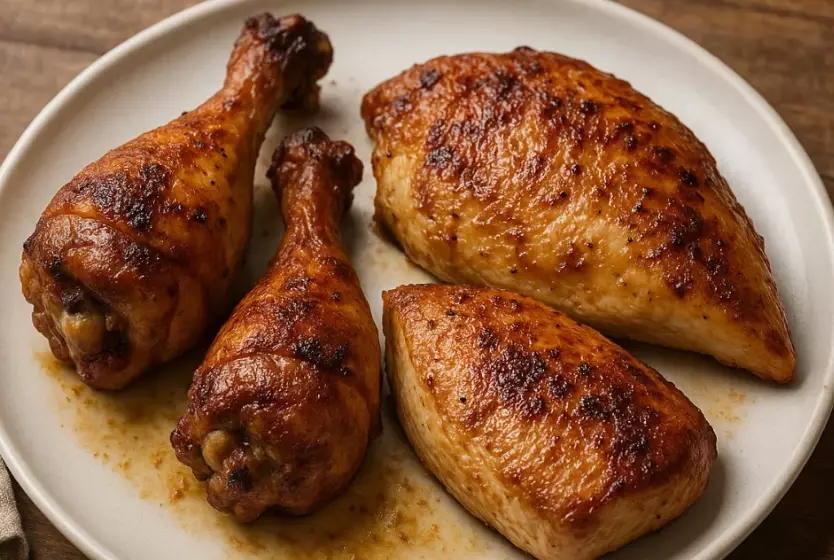
Dark Meat vs. White Meat: Which Should You Buy?
It's not a contest. They're different tools for different jobs. Here’s how I decide what to grab at the store.
Choose Chicken Dark Meat (Thighs & Legs) when: Flavor and juiciness are your top priorities. You're making a one-pot meal, a braise, a curry, or something grilled. You're on a tighter budget (thighs are almost always cheaper per pound). You're cooking for a crowd and need a forgiving cut that won't dry out if dinner is delayed. You simply enjoy a more robust, chicken-y taste.
Choose Chicken Breast when: You're aiming for maximum lean protein with minimal fat. You're making a dish where a very mild, clean flavor is desired, like a chicken salad or a piccata. You need meat that cooks very quickly for a stir-fry (though thigh meat works great here too, it just takes a minute longer).
I find myself buying whole chicken legs (thigh and drumstick connected) or packs of bone-in, skin-on thighs more than anything else these days. The value is incredible, and the results are consistently delicious. For meal prep, boneless, skinless thighs are my go-over. They reheat much better than breast meat, staying moist.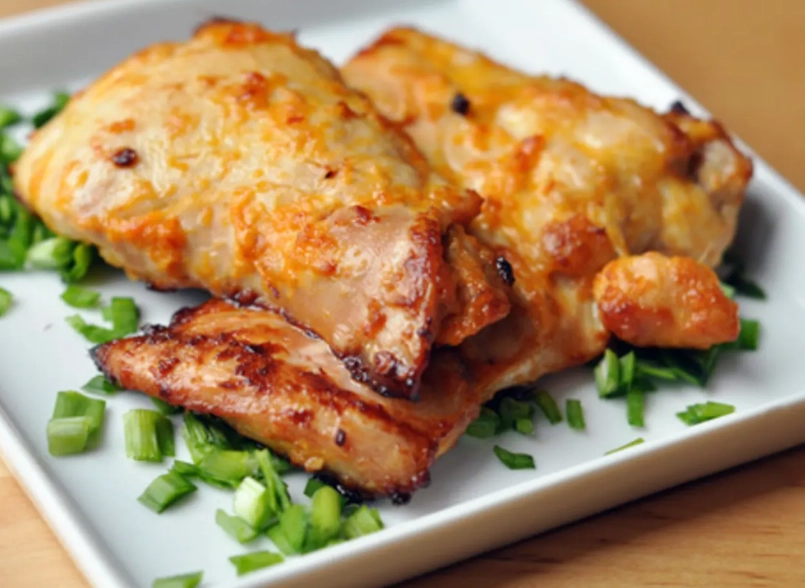
Answering Your Chicken Dark Meat Questions
Is dark meat chicken less healthy than white meat?
It's not less healthy; it's differently nutritious. It has more fat and calories but also more iron, zinc, and B vitamins. For a balanced diet, both have a place. If you're on a very strict, low-fat diet for medical reasons, breast meat is the better choice. For general health, the nutrient density of dark meat is a huge plus.
Why is my dark meat chicken sometimes rubbery or greasy?
Rubberiness usually means undercooking. The connective tissue hasn't broken down. Take the internal temperature higher, to at least 175°F. Greasiness is often from not rendering the fat properly, especially under the skin. For skin-on cuts, start with a dry skin (pat it thoroughly), and cook it with direct heat (sear, roast at high heat) to render and crisp it. Don't just steam it in a covered pan.
Can I substitute dark meat for white meat in any recipe?
Most of the time, yes, but you'll need to adjust cooking time and sometimes temperature. Dark meat chicken generally needs a slightly longer cook time at a slightly higher final internal temp (175°F vs. 165°F). In a quick-cooking recipe like a stir-fry, cut boneless thighs slightly smaller than you would breast to ensure they cook through in time.
How do I easily debone a chicken thigh?
It's easier than you think. Place the thigh skin-side down. Use a sharp paring or boning knife. Find the bone running through the center. Make a cut along its length, scraping the knife against the bone to separate the meat. Work your way around, using the tip of the knife to free the bone from the meat at the ends. It takes practice, but after two or three, you'll be a pro. Or, just buy them boneless—it's worth the small extra cost for convenience.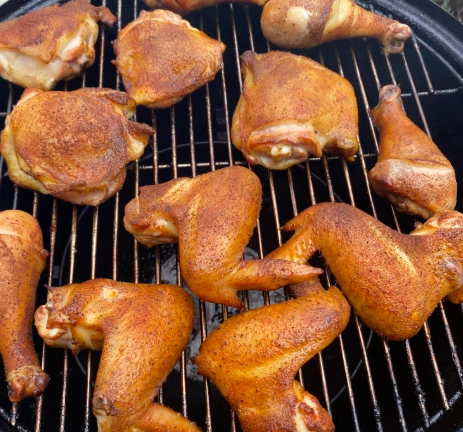
Is dark meat safe to eat if it's slightly pink near the bone?
This is a big one. Yes, it can be. The pink color, especially near the bones of young chickens, can be caused by hemoglobin leaching from the bone marrow during cooking. It is NOT a sure sign of undercooking. The only reliable indicator is temperature. If your meat thermometer reads 165°F or higher in the thickest part (not touching the bone), it is safe to eat, even if it's pink. This is a key reason to use a thermometer—it prevents you from dangerously undercooking or needlessly overcooking your food.
Give them a chance. See them not as a compromise, but as a first choice for flavor, economy, and culinary flexibility. Whether you're making a weeknight sheet-pan dinner, an impressive braise for guests, or just trying to get a juicy, satisfying piece of protein on the table without stress, chicken dark meat is your ally. It took me years to unlearn the "breast is best" mantra, but my dinners have been tastier, more reliable, and frankly, more enjoyable ever since. That's a win in my kitchen, and I bet it could be in yours too.
Start with something simple. A pack of bone-in, skin-on thighs. Salt them well, roast them hot until the skin crackles. You'll taste what you've been missing.
Related Articles