Frozen Chicken Breast: Your Ultimate Guide to Buying, Cooking & Storing
Let's be honest. My relationship with frozen chicken breast used to be... complicated. I'd buy a giant bag with the best intentions, only to end up with a sad, watery, flavorless slab that tasted more like a kitchen sponge than dinner. I blamed the chicken. Turns out, I was the problem. After years of trial, error, and talking to butchers, I've completely changed my tune. A properly handled frozen chicken breast isn't a compromise—it's a strategic advantage for anyone who wants to eat healthy without living in the kitchen.
It's about convenience without the guilt. You reduce food waste, save money buying in bulk, and always have a lean protein ready to go. But the gap between a rubbery disaster and a juicy, flavorful success is narrower than you think. It comes down to a few non-negotiable steps most recipes gloss over.
Your Quick Guide to Frozen Chicken Breast Success
Why Frozen Chicken Breast is a Smart Choice
Forget the idea that fresh is always superior. When it comes to chicken breast, freezing is often the freshness preserver. Most "fresh" chicken at the supermarket has been previously chilled to just above freezing for transport—a process that can take days. In contrast, high-quality frozen chicken is typically flash-frozen within hours of processing, locking in its nutritional profile and moisture at its peak.
The U.S. Department of Agriculture confirms that the freezing process itself does not reduce the nutritional value of meat. The protein, vitamin, and mineral content remains stable.
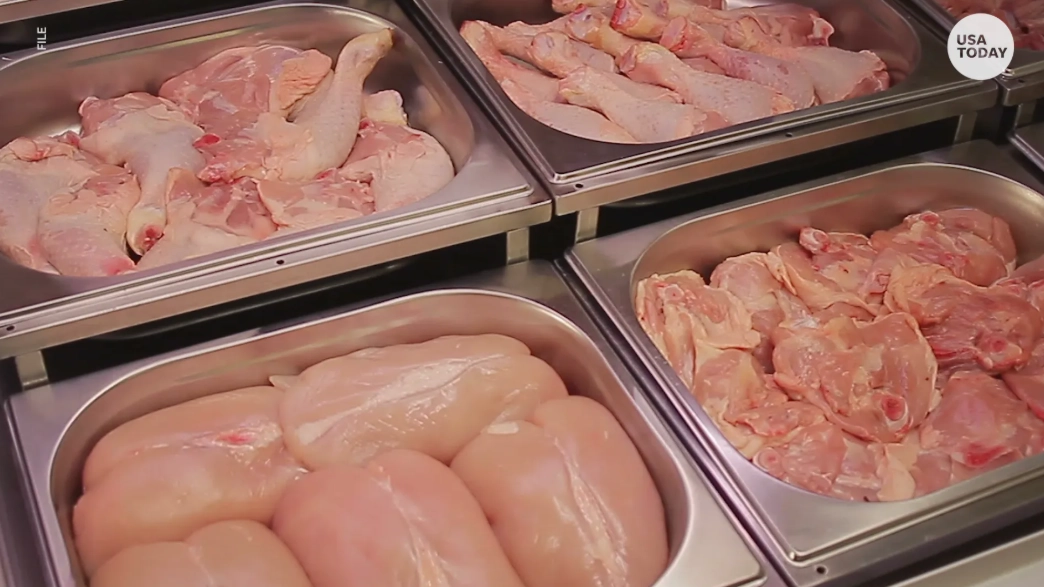
The real win is in logistics and economics. A sealed bag in your freezer prevents the spoilage clock from ticking. You can buy on sale, portion as needed, and dramatically cut down on last-minute grocery runs. For families or meal preppers, it's a game-changer.
Key Takeaway: Nutritionally, frozen and fresh chicken breast are equals. The advantage of frozen is reduced waste, cost savings, and always having protein on hand. The disadvantage, which is fixable, is the potential for poor texture if thawed or cooked incorrectly.
Buying the Best Frozen Chicken Breast: What to Look For
Not all bags are created equal. This is where your success starts. Walking down the freezer aisle, you'll see a dizzying array of options. Here’s what cuts through the marketing noise.
First, read the ingredients label. The only thing listed should be "Chicken Breast." If you see words like "up to 15% retained water," "broth," "salt," or "sodium phosphate," put it back. These are plumping agents. You're paying chicken prices for salty water that will leak out during cooking, steaming your meat and preventing a good sear. Brands that don't add these tend to be leaner, cook more predictably, and taste more like, well, chicken.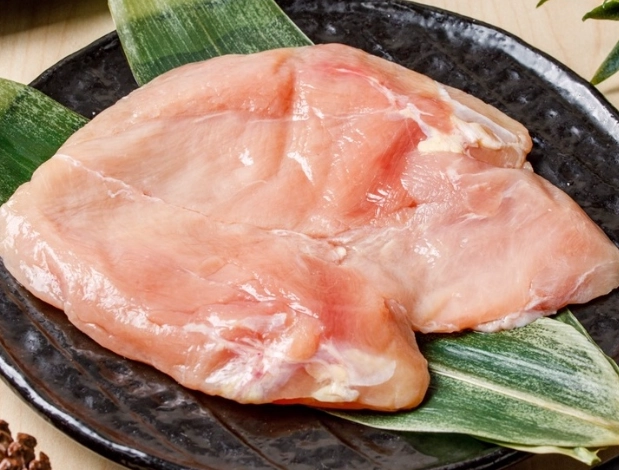
Second, consider the packaging. Individually wrapped breasts are the gold standard for convenience. You can grab exactly what you need. A giant block of frozen breasts means thawing the whole thing, which leads to refreezing—a texture killer and a safety risk.
Look for bags with minimal ice crystals or frost inside. Excessive frost (called freezer burn) indicates the bag has been temperature-abused or stored for too long, leading to dry, tough meat.
| Packaging Type | Pros | Cons | Best For |
|---|---|---|---|
| Individually Quick Frozen (IQF) | Grab what you need, no thawing whole bag, consistent sizing. | Slightly more expensive per pound. | Everyone, especially small households. |
| Bulk Bag (Fused Block) | Lowest cost per pound. | Must thaw entire bag, uneven sizes, promotes refreezing. | Large batch cooking where you'll use it all at once. |
| Pre-Seasoned or Pre-Cooked | Ultimate convenience. | High in sodium, often contains additives, less control over flavor. | Extreme time crunches (use sparingly). |
My personal go-to? I look for air-chilled, no-solution-added chicken from brands like Bell & Evans or Just Bare, often found in the freezer section of higher-end grocers. The difference in texture and flavor is noticeable.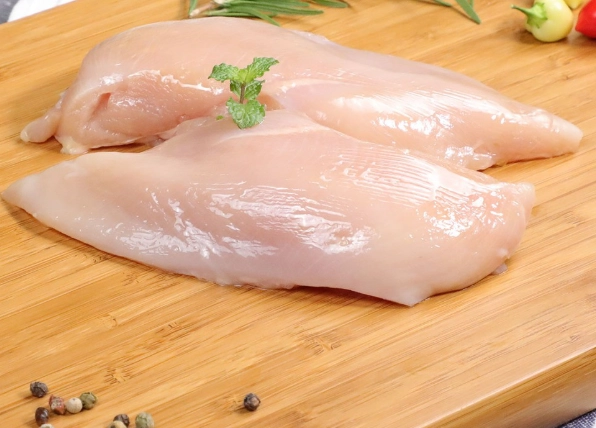
The Thawing Mastery: Safe Methods That Preserve Texture
This is the most critical step that most people mess up. Rushing thawing ruins texture. The goal is to move the chicken from 0°F to 32-40°F as evenly and safely as possible.
The Refrigerator Thaw: The Undisputed Champion (Plan Ahead)
This is the only method I recommend for optimal results. Place the sealed bag or container on a plate on the bottom shelf of your fridge. It takes time—about 12-24 hours for a standard breast. Yes, it requires forethought. But it thaws the meat evenly, keeps it at a safe temperature below 40°F, and results in the best possible texture for cooking. This is the hill I will die on for weeknight meals where I want a perfect sear.
The Cold Water Bath: The Speedy, Safe Alternative
Forgot to take it out? No problem. Keep the chicken in its leak-proof packaging or a ziplock bag. Submerge it in a bowl of cold tap water. Change the water every 30 minutes. A pound of chicken thaws in about an hour. It's faster than the fridge but requires a bit more attention. Never use warm or hot water—it brings the outer layer into the "danger zone" for bacterial growth while the inside is still frozen.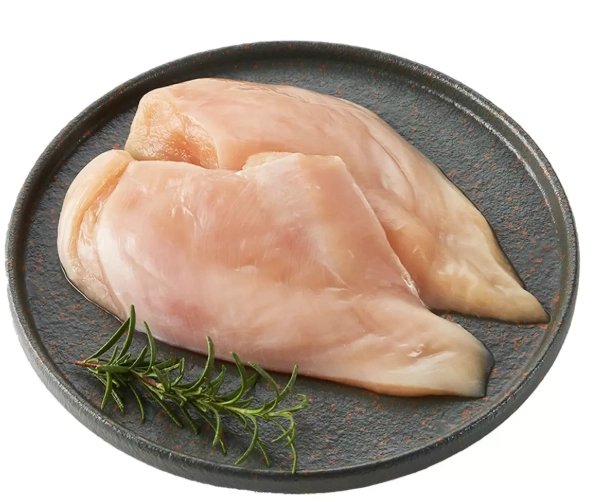
Safety First: Once thawed by the cold water method, cook the chicken immediately. Do not refreeze raw chicken thawed this way unless you cook it first.
The Microwave Thaw: The Last Resort
I avoid this. Microwave thawing is notoriously uneven, often starting to cook the edges and tips while the center remains frozen. It leads to tough, rubbery spots. If you must, use the "defrost" setting based on weight, and be prepared to cook the chicken the moment it's pliable, as parts of it will have entered the temperature danger zone.
The moment your chicken is thawed, regardless of method, take it out of its packaging, pat it fiercely dry with paper towels. This is non-negotiable. Moisture on the surface prevents browning and creates steam.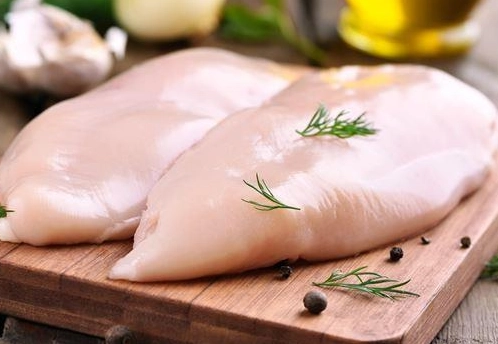
From Freezer to Feast: Cooking Methods for Perfect Results
Now for the fun part. Your thawed (and very dry) chicken breast is ready. Here’s how to treat it right.
For Pan-Seared Perfection: The Two-Temperature Method
This is my weeknight staple. After patting dry, season generously. Heat a tablespoon of oil in a heavy skillet (cast iron or stainless steel) over medium-high heat until it shimmers. Add the chicken. Leave it alone for 5-7 minutes to develop a deep golden-brown crust. Flip, then immediately reduce the heat to medium-low. Add a pat of butter and maybe a smashed garlic clove and thyme sprig to the pan. Continue cooking for another 5-8 minutes, basting the chicken with the flavored butter, until the internal temperature at the thickest part reaches 160°F (71°C). Rest for 5 minutes—it will carry over to a safe 165°F. Resting is crucial; it lets the juices redistribute.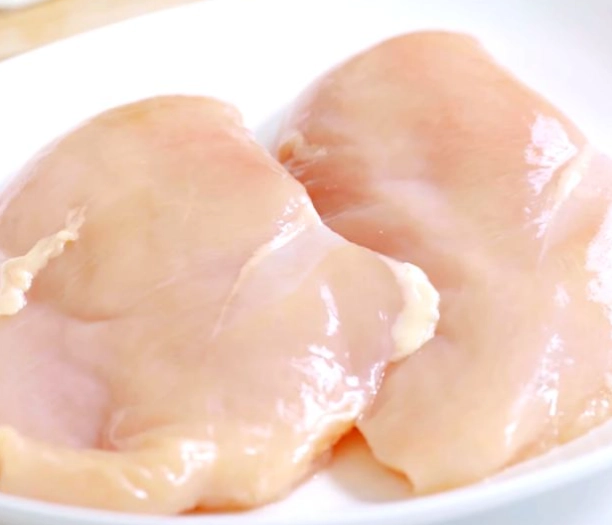
For Foolproof Oven-Baked Chicken
Brining is your best friend here. For 30-60 minutes before cooking, soak your thawed breasts in a solution of 1/4 cup kosher salt dissolved in 4 cups of cold water. Rinse and pat dry. This seasons the meat throughout and helps it retain moisture. Bake at 425°F (220°C) on a parchment-lined sheet for 18-22 minutes, again checking for 160°F internally.
Can You Cook It Straight From Frozen?
Yes, but with caveats. It works well for methods where you can add significant time and ensure even heat.
- Oven: Bake at 375°F (190°C). Time will vary widely (often 50-100% longer), so a meat thermometer is essential. Coat frozen breasts in oil and seasoning first.
- Slow Cooker/Instant Pot: Ideal for shredding recipes like soups, stews, or tacos. Add about 1 cup of liquid. In a slow cooker, cook on low for 6-8 hours. In an Instant Pot, pressure cook on high for 10-12 minutes with a natural release.
- Pan-Frying/Sautéing: Not recommended. The outside will overcook before the inside thaws and cooks through.
Smart Storage & Meal Prep Strategies
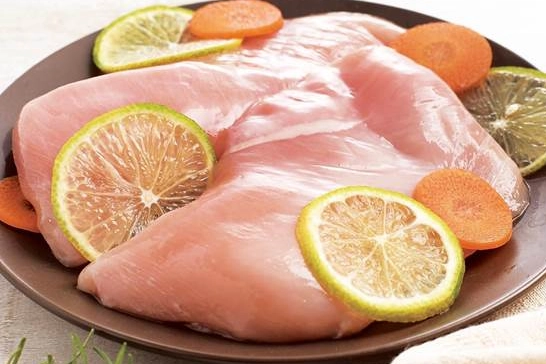
Buying in bulk only makes sense if you store it right. Keep your freezer at 0°F (-18°C) or below. If you buy a large bag of IQF breasts, consider double-bagging them in a heavy-duty freezer bag, squeezing out all the air to prevent freezer burn. Label with the date; use within 6-9 months for best quality.
For meal prep, cook a large batch of thawed chicken using the oven or Instant Pot method. Let it cool, then slice or shred. Portion into airtight containers. Properly stored, cooked chicken breast lasts 3-4 days in the fridge. It’s ready to top salads, fill wraps, or be added to pasta dishes and stir-fries in minutes.
Your Frozen Chicken Breast Questions, Answered
Frozen chicken breast stopped being a backup plan for me and became a primary ingredient. It lets me eat well on a busy schedule without constant grocery trips. The key is respecting the process: buy clean, thaw patiently, dry aggressively, and cook with purpose. Do that, and you'll never look at that freezer bag the same way again.
Related Articles