Dark Chicken Explained: Cuts, Nutrition & Best Recipes
If you've ever wondered why chicken thighs stay juicy when chicken breasts turn to cardboard, you're asking about the magic of dark chicken. It's not a special breed. It's all about the cut. Dark meat refers to the chicken's legs and thighs—the parts that work hard. This guide cuts through the confusion. We'll look at what it is, why it tastes better, how to cook it, and why it might just become your new kitchen staple.
What You'll Discover
What Exactly Makes Chicken Meat 'Dark'?
It comes down to biology and activity. Chickens walk around a lot but don't fly. Their legs and thighs are constantly working muscles. This type of muscle relies on myoglobin, a protein that stores oxygen. More myoglobin means a darker, redder color. Think of it like the difference between a marathon runner's legs and a swimmer's arms—different muscles for different jobs.
White meat, from the breast and wings, is for short bursts of activity. It has less myoglobin and less fat. That's why it cooks faster and dries out easier.
The Flavor Secret: The higher fat content in dark meat isn't just about calories. Fat carries flavor. It also melts during cooking, basting the meat from the inside. That's your built-in insurance policy against dry chicken. It's why even a beginner can make a decent chicken thigh, but a dry breast is a common kitchen tragedy.
Dark Chicken Cuts: A Detailed Breakdown
Not all dark meat is the same. Here’s what you’ll find at the store and how to use it.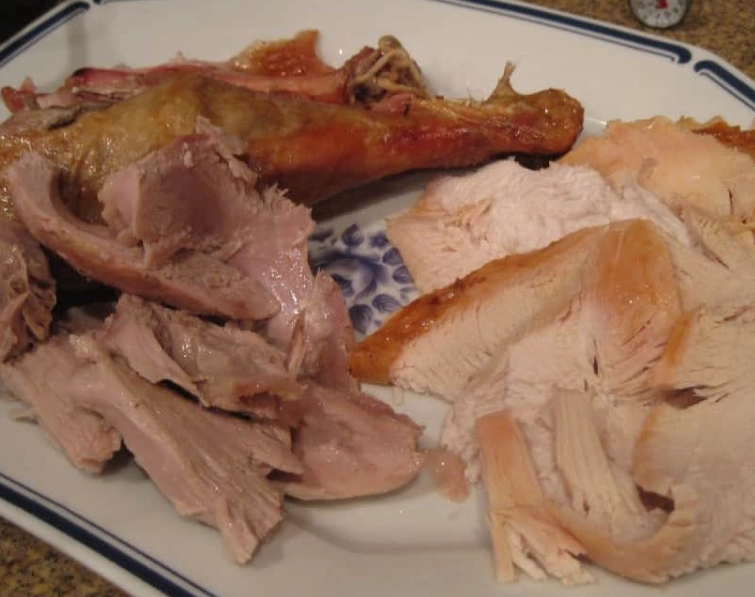
Chicken Thighs: The MVP
This is the star. You can buy them bone-in, skin-on (the most flavorful), boneless skin-on, or boneless skinless. Bone-in thighs take longer but give incredible stock. Boneless skinless are the ultimate weeknight shortcut. A common mistake? Not scoring the fat cap on a skin-on thigh before searing. That fat needs a place to render, or you get rubbery skin.
Chicken Legs (Drumsticks)
The handle! Drumsticks are great for grilling, baking, and family meals where people like to eat with their hands. They're cheaper than thighs and have a satisfying meat-to-bone ratio. Pro tip: Use kitchen shears to cut through the joint and separate the drumstick from the thigh if you buy whole legs. It gives you more control over cooking.
Chicken Leg Quarters
This is the thigh and drumstick still attached. It's often the most economical cut. Perfect for slow roasting or braising where you want big, impressive pieces. The downside? They can be awkward to eat neatly. Great for a casual Sunday supper.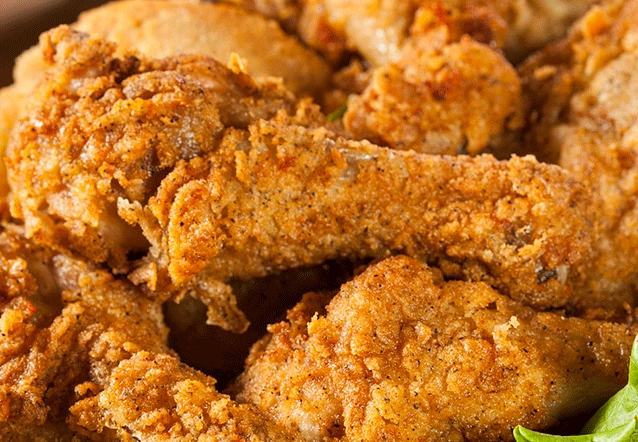
Chicken Wings (The Surprise Entry)
Wings are a hybrid. The meat is technically dark, but it's less pronounced. The real value is in the skin-to-meat ratio, making them perfect for crispy textures. Buffalo wings, anyone?
Dark Meat vs. White Meat: The Nutrition Showdown
Let's clear the air. For years, white meat was crowned the "healthy" winner. The truth is more nuanced. Based on data from the USDA FoodData Central, here’s a comparison for a 100g cooked portion (skinless):
| Nutrient | Chicken Breast | Chicken Thigh | What It Means |
|---|---|---|---|
| Calories | 165 | 209 | Thighs have about 44 more calories. That's roughly the equivalent of half a tablespoon of olive oil. |
| Protein | 31g | 26g | Breast wins on pure protein density. Both are excellent sources. |
| Total Fat | 3.6g | 10.9g | This is the big difference. Thigh fat is mostly unsaturated. |
| Iron | 0.9mg | 1.3mg | Dark meat provides nearly 50% more iron, crucial for energy. |
| Zinc | 1.0mg | 2.4mg | Thighs more than double the zinc, important for immunity. |
| Vitamin B12 | 0.3μg | 0.4μg | Slightly higher in dark meat. |
The takeaway? Dark meat is more nutrient-dense. It's not "unhealthy"—it's different. If your goal is maximum protein for minimal calories, breast is your pick. If you want more vitamins and minerals, and a meal that keeps you full longer thanks to the fat, choose thighs. For a balanced diet, eat both.
Cooking Dark Chicken Like a Pro
Dark meat is forgiving, but a few techniques elevate it from good to great.
Embrace High Heat for Crispy Skin: If you're using skin-on thighs, start them in a cold, oven-safe skillet skin-side down. Turn the heat to medium. Let the fat render slowly and the skin get golden and crisp. This can take 10-15 minutes. Don't rush it. Then flip and finish in a 400°F (200°C) oven. The result is crackling skin and tender meat.
Braising is Your Best Friend: Dark meat shines in liquid. Brown your thighs first, then add a bit of broth, wine, or tomatoes. Cover and simmer low and slow. The connective tissue breaks down into gelatin, making the sauce rich and the meat fall-off-the-bone tender. Chicken Cacciatore? That's a braise.
The Internal Temp Sweet Spot: While white meat is done at 165°F (74°C), dark meat benefits from going a bit higher. Aim for 175-185°F (79-85°C). This higher temperature fully renders the fat and breaks down tough tissues, making the meat more succulent, not drier. A meat thermometer is non-negotiable here.
Don't Skip the Rest: Let dark meat rest for 5-10 minutes after cooking. The juices redistribute. If you cut right in, all that flavorful liquid ends up on your cutting board.
Where to Start: Simple Dark Chicken Recipes
Ready to cook? Here are three fail-proof starting points.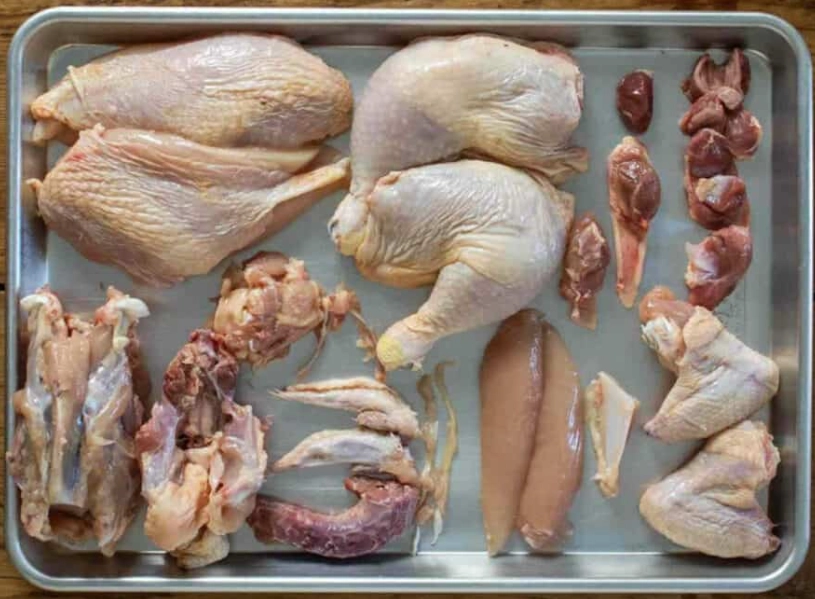
1. The Weeknight Sheet Pan Hero: Toss boneless, skinless thighs in olive oil, smoked paprika, garlic powder, salt, and pepper. Throw them on a sheet pan with chopped potatoes, bell peppers, and onions. Roast at 425°F (220°C) for 25-30 minutes. Dinner is done, and the chicken fat flavors the veggies.
2. Stovetop to Oven Crispy Thighs: Pat 4 bone-in, skin-on thighs very dry. Season generously. Place skin-side down in a cold skillet. Turn heat to medium. Cook 12-15 mins until golden. Flip, add a few smashed garlic cloves and thyme sprigs to the fat. Transfer skillet to a 400°F (200°C) oven for 15 more minutes. Rest and serve.
3. The "Set It and Forget It" Braise: Brown thighs. Remove. Sauté an onion. Add back thighs, a can of diced tomatoes, a cup of chicken broth, some olives and oregano. Bring to a simmer, cover, and cook on low for 45 minutes. Uncover and cook 15 more to thicken. Serve over polenta or pasta.
Buying and Storing Dark Meat
Look for plump, moist-looking pieces without any gray discoloration or off smells. The packaging should be tight with no leaks.
Price-wise, thighs and legs are almost always cheaper than breasts. Buying family packs and portioning them yourself saves money. I freeze thighs flat in a single layer on a baking sheet first, then toss them into a freezer bag. This prevents a giant frozen clump.
In the fridge, use within 1-2 days of purchase, or freeze for up to 9 months. Thaw in the fridge overnight.
Your Dark Chicken Questions Answered
Is dark chicken meat actually healthier than white meat?
"Healthier" depends on your goals. Dark meat has more iron, zinc, and B vitamins. It also has more fat and calories. For someone focused on lean protein, breast wins. For someone needing more minerals or struggling to stay full, thighs are a smarter choice. The healthiest option is the one you'll enjoy and cook regularly without dreading it. Forced austerity with bland food never lasts.
My family only eats chicken breasts. How can I convince them to try dark meat?
Start with boneless, skinless thighs. Cut them into bite-sized pieces and use them in a stir-fry, curry, or fajita mix. The rich flavor blends into the sauce, and the texture is undeniably juicier. Don't announce the switch. Just cook. Often, the "I only eat breast" rule is based on a bad experience with greasy, poorly cooked dark meat. A well-cooked thigh in a familiar dish changes minds.
Can I substitute dark meat for white meat in any recipe?
Almost always, yes, but adjust the method. If a recipe calls for baking breast at 375°F for 25 minutes, thighs at the same temp might need 30-35 minutes to hit that higher internal temp for tenderness. For quick-cooking methods like sautéing, cut boneless thighs to the same size as the breast pieces. The main rule: dark meat can handle longer, slower cooking without punishment. It's more versatile in that way.
What's the biggest mistake people make when cooking chicken thighs?
Underseasoning. Dark meat has a richer flavor that can handle—and demands—bold seasoning. Don't be shy with salt, pepper, herbs, and spices. That bland, greasy thigh you might remember? It was probably under-salted. Salt early, and be generous. It makes the flavor pop.
Is dark chicken meat good for meal prep?
It's fantastic, often better than breast for reheating. The higher fat content means it stays moist when microwaved. Roast a big batch of seasoned thighs on Sunday, store them in containers with your grains and veggies. Throughout the week, they'll reheat without turning into rubber. For soups and stews made for the freezer, dark meat holds up beautifully, its flavor deepening over time.
Related Articles