The Perfect Oil Temperature for Crispy Fried Chicken
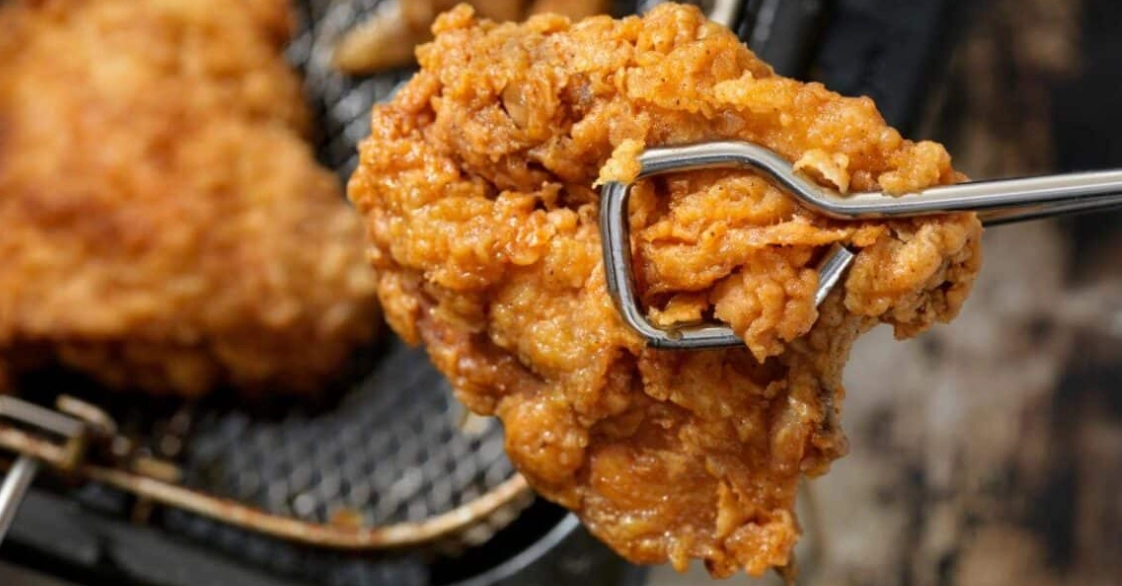
Let's cut to the chase. The magic number for frying chicken is between 350°F and 375°F (175°C and 190°C). That's the sweet spot. If you remember nothing else, remember that range. But if you've ever ended up with pale, greasy chicken or a kitchen filled with smoke, you know there's more to it than just a number. Getting the oil temperature right isn't just a step; it's the entire foundation of good fried chicken. It's the difference between a sad, soggy disappointment and that golden, shatteringly crisp exterior with juicy, tender meat inside.
What You'll Learn in This Guide
- What is the Ideal Oil Temperature for Frying Chicken?
- Why the 350°F-375°F Range is Non-Negotiable
- How to Maintain the Right Oil Temperature
- Choosing the Best Oil for Frying Chicken
- A Foolproof Step-by-Step Frying Guide
- Common Temperature Mistakes (And How to Fix Them)
- Pro Tips for Next-Level Fried Chicken
- Your Fried Chicken Temperature Questions, Answered
What is the Ideal Oil Temperature for Frying Chicken?
I said 350°F to 375°F, but let's get specific. Think of it as a window, not a single point.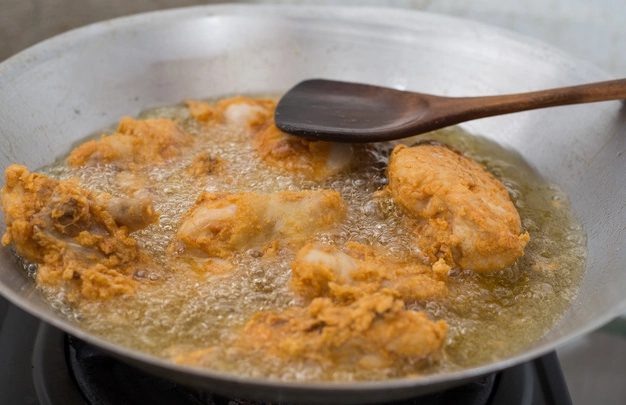
Start at 365°F (185°C). This is your launchpad. When you gently lower your chicken into the oil, the temperature will drop—maybe by 15-25 degrees, depending on how much chicken and how much oil you have. Starting at 365°F helps ensure it doesn't plunge below the critical 350°F mark.
Your goal is to keep it cooking between 325°F and 350°F once the chicken is in. If it dips to 310°F, you're in the danger zone for greasy chicken. If it soars past 375°F, you risk burning the coating before the inside is cooked.
Here’s a quick visual of what happens at different temperatures:
| Oil Temperature | What Happens to Your Chicken | The Result |
|---|---|---|
| Below 325°F (160°C) | Oil seeps into the coating instead of instantly sealing it. Cooking time drags on. | Greasy, pale, heavy, and often undercooked inside. |
| 325°F - 350°F (160°C - 175°C) | The coating sets quickly, creating a barrier. Moisture turns to steam, cooking the meat evenly. | Golden brown, crispy, perfectly cooked. The target maintenance range. |
| 350°F - 375°F (175°C - 190°C) | Rapid sealing and browning. Ideal for the initial drop and for finishing. | Deep golden, extra crisp, less oily. The ideal pre-drop range. |
| Above 375°F (190°C) | Coating burns before the interior is done. Oil breaks down and smokes. | Burnt, bitter exterior with raw or dry meat inside. Smoky kitchen. |
Why the 350°F-375°F Range is Non-Negotiable
This isn't arbitrary. It's food science. At around 350°F, two crucial things happen almost instantly when the chicken hits the oil.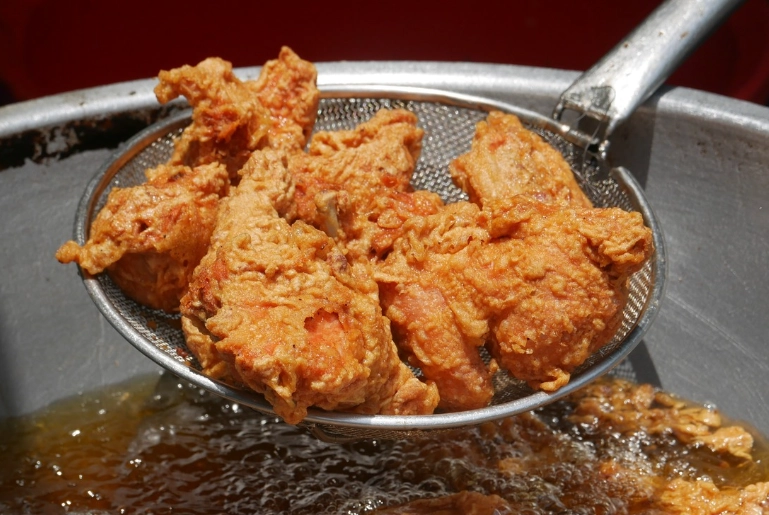
First, the moisture on the surface of the battered chicken vaporizes into steam. This steam creates tiny bubbles that help give the coating its lift and airy texture. More importantly, this rapid steam formation pushes the oil away, preventing it from soaking into the breading. That's how you get crispness, not sogginess.
Second, the proteins and starches in your flour coating undergo the Maillard reaction and caramelization. These are the complex chemical processes that give fried food its beautiful brown color and that deep, savory, irresistible flavor. Too cool, and these reactions happen slowly or not at all. Too hot, and they race straight to burnt.
Pro Insight: Many home cooks fear the oil is "too hot" and err on the side of too cool. In my experience, greasy chicken is a far more common failure than burnt chicken. Have confidence in the 350°F+ range.
How to Maintain the Right Oil Temperature
This is where everyone stumbles. You start at 365°F, drop in four pieces of chicken, and watch the thermometer dive to 290°F. Panic sets in. Do you crank the heat? Wait it out?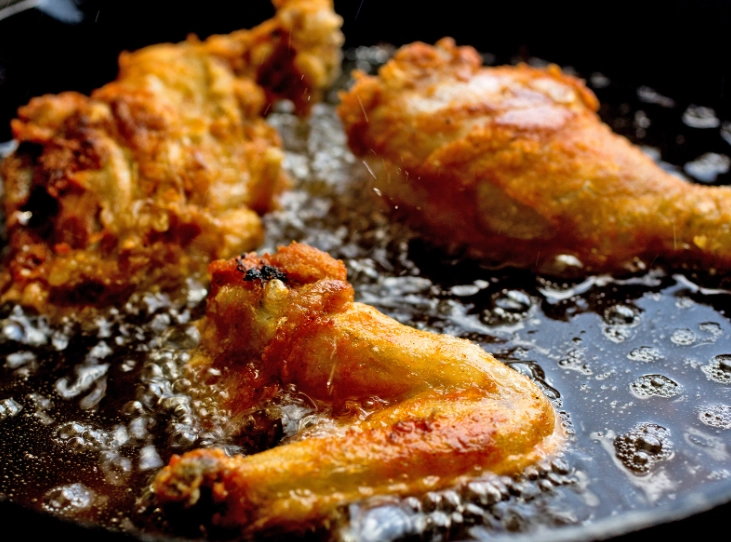
The key is thermal mass. You need enough oil to absorb the shock of cold chicken without crashing. A deep, heavy pot (like a Dutch oven) is your best friend. It holds heat steadily.
- Don't overcrowd the pot. This is the #1 rule. Fry in small batches. Give each piece plenty of room to bubble freely. Overcrowding guarantees a temperature nosedive and steamed, greasy chicken.
- Use a thermometer. I can't stress this enough. Relying on "when a bread cube sizzles" is guesswork. A good instant-read or clip-on deep-fry thermometer is a $15 game-changer. I like the ThermoPop by ThermoWorks for its speed and accuracy.
- Let the oil recover. Between batches, bring the oil back up to 365°F. This takes a few minutes. Be patient. Frying the next batch into lukewarm oil ruins everything.
- Adjust your burner. You'll likely need medium-high heat to get to temperature, but medium to maintain it once the chicken is in. Every stove is different—let the thermometer guide you, not the knob setting.
Choosing the Best Oil for Frying Chicken
You want an oil with a high smoke point (the temperature at which it starts to burn and smoke) and a neutral flavor. Here's the breakdown:
Peanut Oil: My personal favorite. Smoke point around 450°F, utterly neutral taste, and it somehow gives the chicken a slightly nutty, classic diner-quality finish. It's more expensive but can be filtered and reused a few times.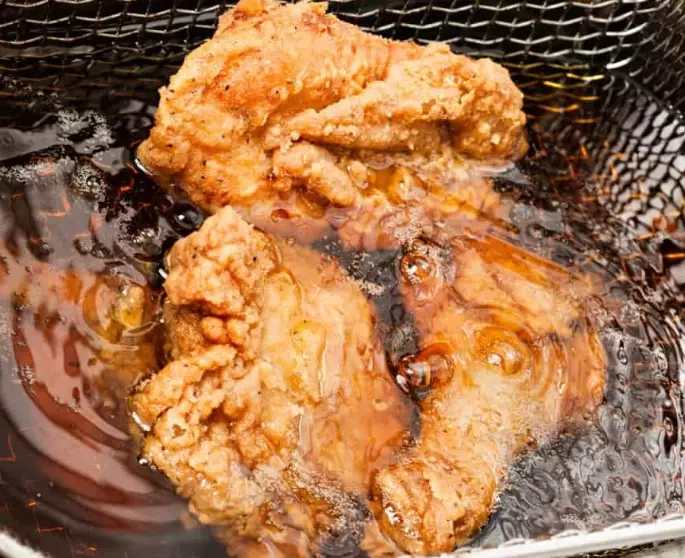
Vegetable or Canola Oil: The workhorse. Smoke point around 400°F, cheap, neutral. Perfectly reliable for home frying.
Avocado Oil: Very high smoke point (over 500°F), healthy fat profile, but it's pricey. Good if you're health-conscious and don't mind the cost.
Avoid: Olive oil (low smoke point, strong flavor), butter (burns instantly), unrefined oils like walnut or sesame (they'll smoke and impart their flavor).
Safety Note: Never fill your pot more than halfway with oil. The chicken will displace the oil, and you do not want a boiling oil overflow. That's a major fire hazard. Use a deep, heavy pot and keep a lid nearby to smother flames if needed (slide the lid on, don't drop it).
A Foolproof Step-by-Step Frying Guide
Let's walk through it, assuming you have your chicken pieces seasoned and dredged in flour or batter.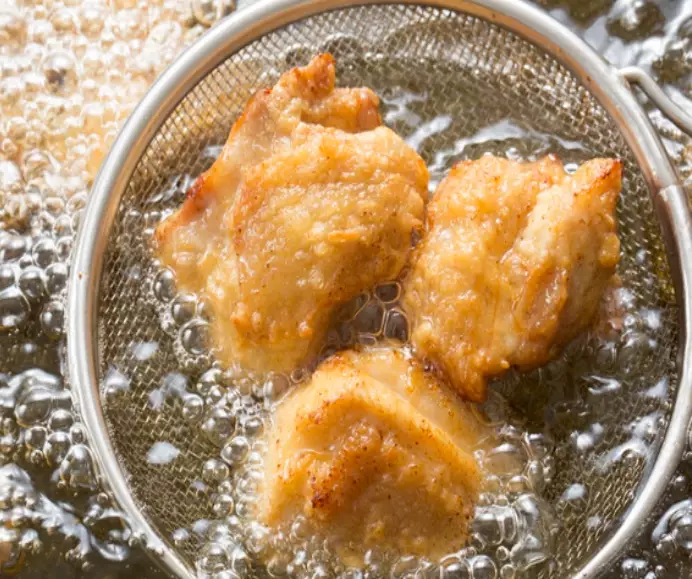
1. Setup and Preheat
Choose your heavy pot. Add enough oil to submerge your largest chicken piece by about an inch. Attach your thermometer to the side. Heat over medium-high heat until it reaches 365°F (185°C). This takes time—10-15 minutes. Don't rush it.
2. The First Fry (The Cook)
Gently lower 2-3 pieces of chicken into the hot oil using tongs. Don't drop them. The oil should bubble vigorously but not violently. The temperature will drop. Adjust the burner to keep it as close to 340°F as possible. Fry for:
• Bone-in thighs/legs: 12-15 minutes
• Bone-in breasts: 10-12 minutes
• Boneless pieces: 6-8 minutes
The chicken is done when it's deep golden brown and the internal temperature reaches 165°F (74°C) for white meat, 175°F (80°C) for dark meat (per USDA guidelines).
3. Drain and Rest
Place fried chicken on a wire rack set over a baking sheet. Do not drain on paper towels. Paper towels trap steam and make the bottom soggy. The rack allows air circulation so the entire piece stays crisp. Let it rest for 5-10 minutes—this lets the juices redistribute.
4. Second Fry (The Crisp - Optional but Recommended)
For extra-crispy, crackly coating, bring the oil back to 375°F. Fry each piece again for 60-90 seconds. This "double-fry" technique sets the coating perfectly and makes it incredibly durable.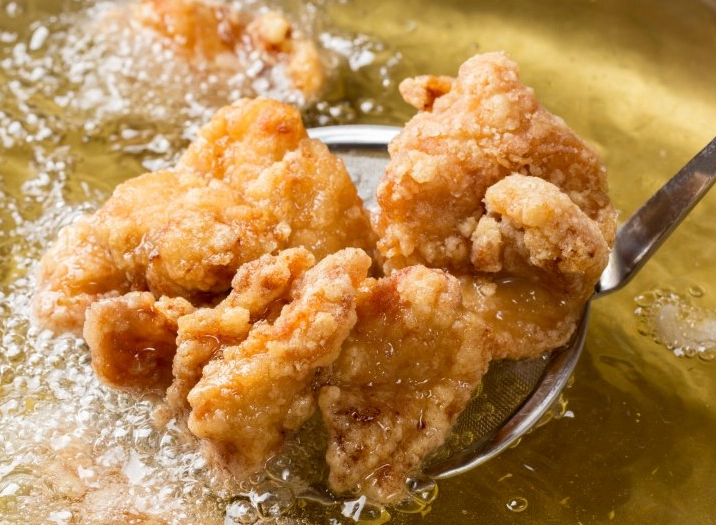
Common Temperature Mistakes (And How to Fix Them)
I've made all of these. You probably will too. Here's how to recover.
Mistake: The oil is too cool when you start. You get impatient.
Fix: Wait. Let the thermometer be your boss. If you've added chicken to oil that's too cool, the damage is done. Remove the chicken, let the oil come to temp, and start again. It won't be perfect, but it's salvageable.
Mistake: The temperature crashed and won't come back up.
Fix: You're trying to fry too much at once. Remove half the chicken. Give the oil time to recover. Fry in smaller batches next time.
Mistake: The outside is dark but the inside is raw.
Fix: Your oil was too hot. The coating burned before heat penetrated. Finish cooking in a 350°F oven until the internal temp is safe. Next time, monitor your pre-fry temperature more closely.
Pro Tips for Next-Level Fried Chicken
Once you've mastered the temperature, these tweaks make it exceptional.
• Dry your chicken. Pat it bone-dry with paper towels before seasoning. Wet chicken = steam = soggy coating.
• Season the flour, not just the chicken. Salt, pepper, paprika, garlic powder in the dredge.
• Let the dredged chicken sit. After coating, let it sit on a rack for 10-15 minutes. This lets the coating hydrate and adhere better, so it doesn't slough off in the oil.
• Use a brine or buttermilk soak. Soaking chicken in seasoned buttermilk for 4-12 hours tenderizes and adds flavor. It also helps the flour stick. This is a non-negotiable step for many Southern cooks.
Your Fried Chicken Temperature Questions, Answered
Related Articles