Raw Chicken Tenders: Your Complete Guide to Buying, Handling & Cooking
You're standing in the grocery store, looking at a pack of raw chicken tenders. They seem convenient, maybe a bit pricier than a whole breast, and you wonder if they're worth it. I get it. I've bought them for years, sometimes thrilled with the result, other times ending up with a dry, rubbery mess. The truth is, raw chicken tenders (or tenderloins) are a fantastic shortcut, but only if you know how to handle them. This isn't just another recipe list. Let's talk about what they really are, where to get the best value, and the mistakes almost everyone makes when cooking them.
What You'll Learn Inside
What Exactly Are Raw Chicken Tenders?
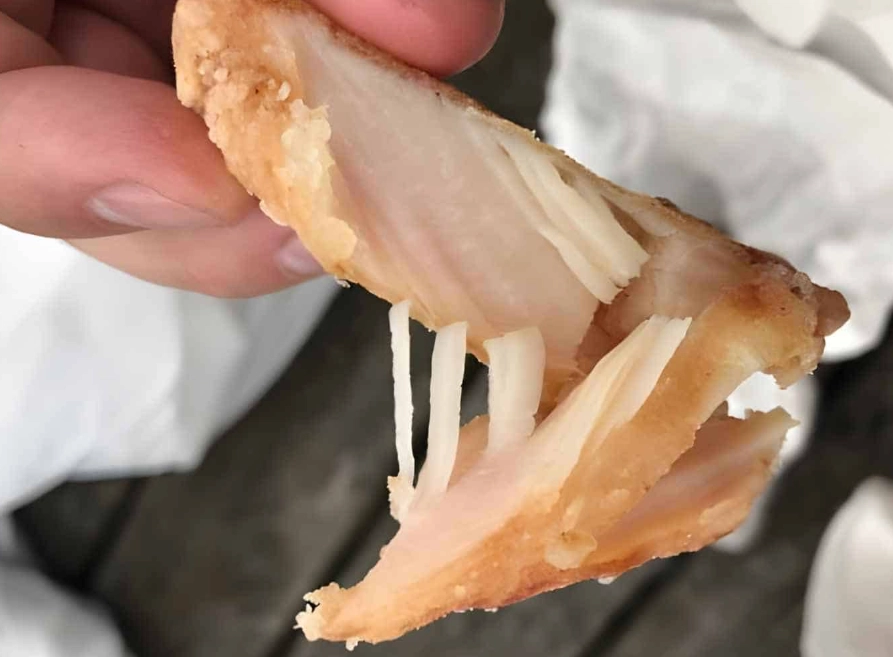
First, let's clear up the confusion. The strip of meat sold as a "chicken tender" or "tenderloin" is a specific muscle. It's the pectoralis minor, a small, oblong muscle that runs underneath the main breast (pectoralis major). It's attached by a thin, white tendon.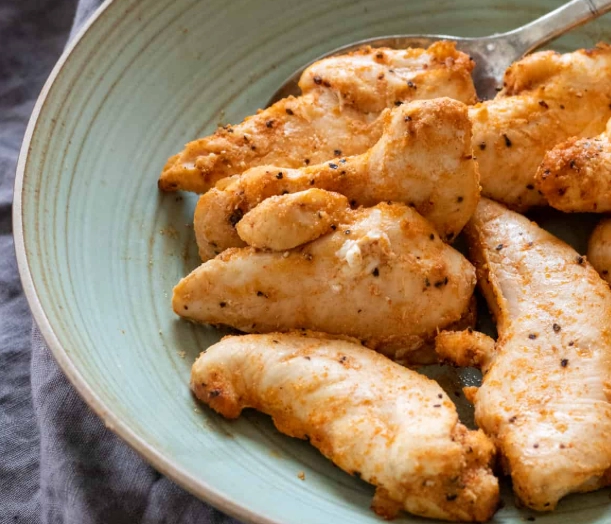
Why is it special? This muscle does less work, so it's inherently more tender and has a slightly different texture than the main breast. It's also a consistent size and shape, which is a huge win for even cooking. You're not battling a thick, uneven piece of meat.
Key Takeaway: Chicken tenders are not just strips cut from a breast. They are a distinct, naturally tender part of the bird. When you buy them separately, you're paying for that consistency and the butcher's labor to remove them.
Buying Smart: Price, Labels & Where to Shop
This is where you can save money or waste it. I made the mistake for years of just grabbing the first pack I saw.
Understanding Price and Value
Raw chicken tenders almost always cost more per pound than boneless, skinless chicken breasts. You're paying for convenience. But the gap varies wildly.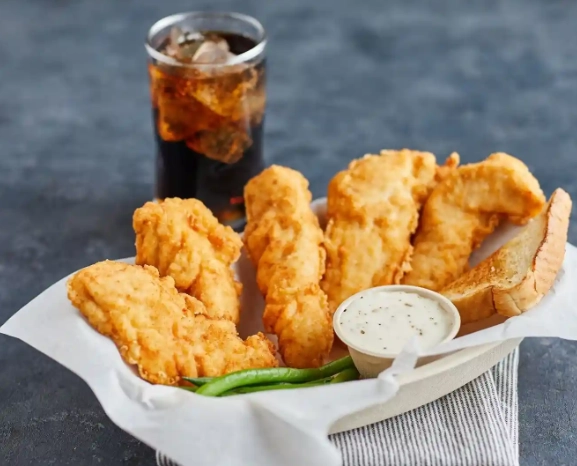
- Warehouse Clubs (Costco, Sam's Club): Typically offer the best bulk value. A 6-pound bag of frozen, individually quick-frozen (IQF) tenders might run around $3.50-$4.00 per pound. Perfect for meal prep.
- Standard Grocery Chains: Fresh tenders in the meat case can jump to $5.50-$7.00 per pound. I've seen organic or air-chilled versions hit $9+.
- Butcher/High-End Markets: Expect premium prices, often $8-$12 per pound, but you may get heritage breeds or exceptional quality.
My rule? If I need them for a specific recipe tonight, I'll buy fresh. For my freezer stash, I go with the IQF bulk bags from Costco. The quality is fine, and I can pull out exactly how many I need.
Decoding the Labels
"Natural," "Air-Chilled," "Hormone-Free"—what matters?
| Label Term | What It Actually Means | Is It Worth Paying More? |
|---|---|---|
| Air-Chilled | Chickens are cooled with cold air instead of being submerged in chlorinated water. This can result in better texture and flavor, as the meat absorbs less water. | Often, yes. You get more meat by weight and less "wet" chicken that steams in the pan. |
| No Antibiotics Ever / Raised Without Antibiotics | Important for farming practices. Requires verification by the USDA. | A personal choice on farming methods. May not affect taste directly. |
| Hormone-Free | Misleading. The USDA prohibits the use of hormones in all chicken. So all chicken is technically hormone-free. | No. This is marketing exploiting a common misconception. |
| Natural | Minimally processed, no artificial ingredients. A very broad term with limited oversight. | Rarely. It's a weak label with little guarantee of better quality. |
| Organic | Must meet strict USDA standards for feed (organic, non-GMO) and living conditions. | If organic sourcing and animal welfare are priorities, then yes. For taste alone, the difference can be subtle. |
Non-Negotiable Handling & Safety Steps
Raw poultry is a top source of foodborne illness. Don't gloss over this. The USDA's Food Safety and Inspection Service has clear guidelines, but here's my practical, in-the-kitchen routine.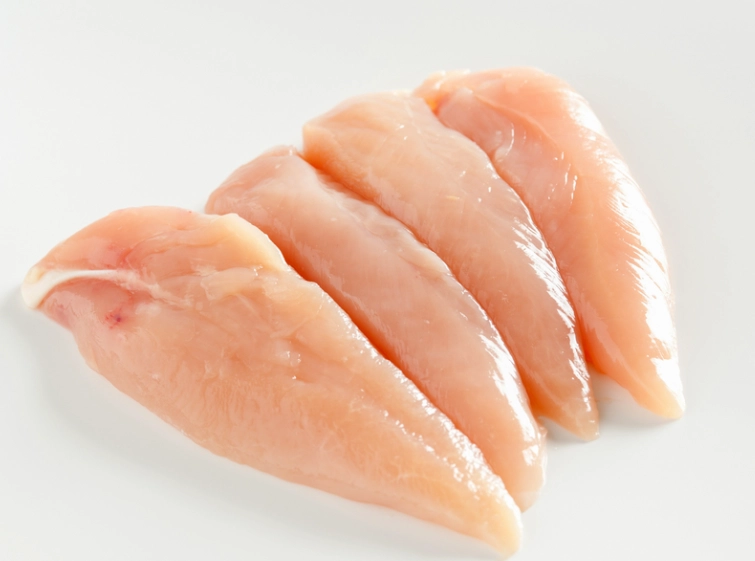
The moment you get home: If not using within 1-2 days, freeze them. I lay them in a single layer on a parchment-lined sheet pan, freeze solid (about 2 hours), then toss them into a freezer bag. This prevents a giant, frozen block.
Thawing: The best way is in the fridge overnight in a bowl or on a plate. In a hurry? Seal them in a plastic bag and submerge in cold water, changing the water every 30 minutes. Never thaw on the counter.
The Prep Station Setup: This is my failsafe method. Before I even touch the chicken, I set up:
- A dedicated cutting board (plastic or non-porous).
- A bowl for discarded packaging/trim.
- A plate lined with paper towels for the patted-dry tenders.
- A container of warm, soapy water or disinfectant spray and cloths nearby.
I handle the chicken, trim the tendon if I want (more on that below), pat them dry thoroughly—this is critical for browning—and immediately place the used board and knife in the soapy water. I wipe down the counter with disinfectant. Only then do I move on to seasoning. It sounds meticulous, but it becomes habit and eliminates cross-contamination worry.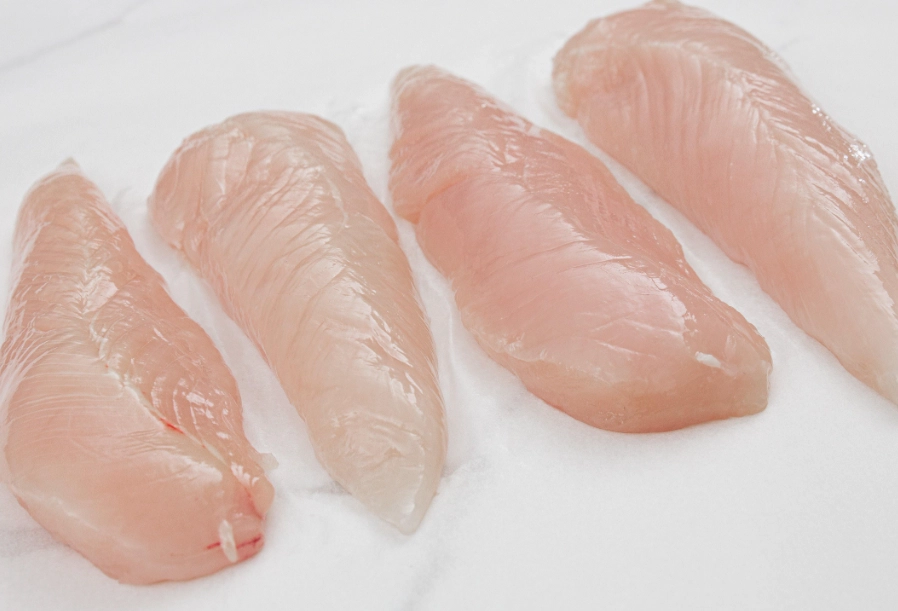
5 Foolproof Ways to Cook Chicken Tenders
Their uniform size makes them incredibly versatile. Here are my go-to methods, ranked by weeknight ease.
1. Pan-Searing (The Quickest Path to Dinner)
Heat a tablespoon of oil (avocado or grapeseed for high heat) in a skillet over medium-high. Pat tenders bone-dry and season. When the oil shimmers, add them in a single layer. Don't crowd the pan. Cook 3-4 minutes per side until golden and the internal temp hits 165°F (74°C). Let rest 5 minutes on a plate. The carryover heat finishes the job.
2. Baking/Roasting (For Hands-Off Cooking)
Preheat oven to 400°F (200°C). Toss dry tenders with oil and seasoning on a sheet pan. Spread them out. Bake for 15-18 minutes, flipping halfway. A wire rack on the sheet pan gives even better airflow for crispiness.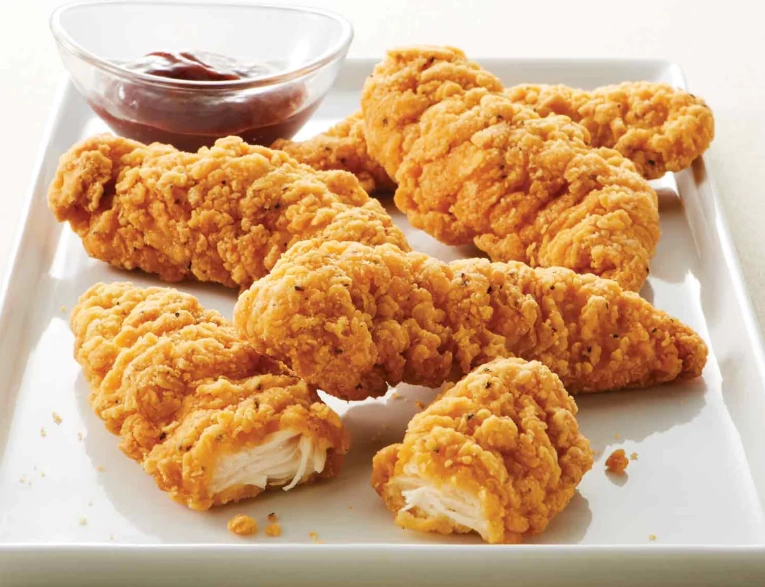
3. Air Frying (For Maximum Crisp)
Pat dry, lightly oil, season. Air fry at 375°F (190°C) for 8-10 minutes, shaking the basket halfway. No preheating usually needed. They come out like they're fried, with barely any oil.
4. Grilling
Perfect for summer. Pat dry, oil well to prevent sticking. Grill over direct medium-high heat for 3-4 minutes per side. Their thinness means they cook fast, so watch closely.
5. Poaching (For Salad & Meal Prep)
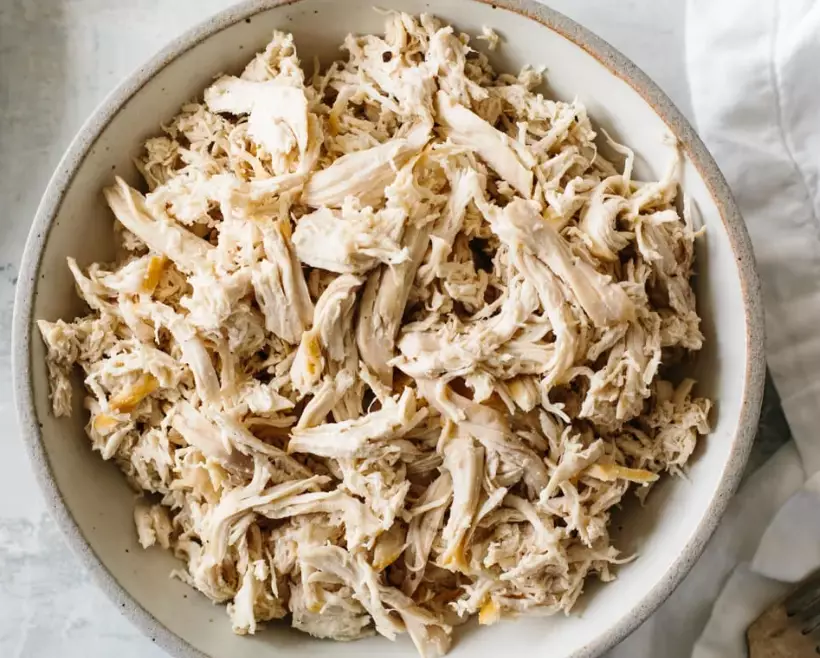
The most overlooked method. Bring a pot of seasoned broth or water with herbs to a bare simmer (170-180°F/77-82°C). Add tenders, off the direct heat. Cover and let them sit for 10-12 minutes. They stay incredibly juicy and are perfect for shredding into salads, soups, or wraps.
The 3 Biggest Mistakes (And How to Avoid Them)
I've made all of these. Learning from them changed the game.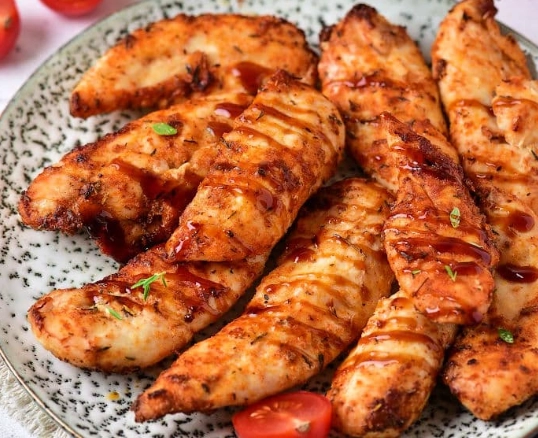
Mistake 1: Not Patting Them Dry. Moisture is the enemy of browning. If you put a wet chicken tender in a hot pan, it steams. You get pale, rubbery meat. Paper towels are your best friend. Press hard.
Mistake 2: Overcooking. This is the #1 reason for tough chicken. They're small! At 165°F, they're done. I use a digital instant-read thermometer religiously. Pull them off the heat at 160°F, and the residual heat brings them to 165°F as they rest.
Mistake 3: Crowding the Pan. Whether sautéing or baking, give them space. If they're touching, they release steam and lower the pan temperature, leading to soggy, boiled chicken instead of seared, flavorful chicken. Cook in batches if you have to.
Your Raw Chicken Tender Questions Answered
Related Articles