Easy Perdue Chicken Cutlets Recipe: Crispy, Juicy & Fast
Let's be honest. Most chicken cutlet recipes promise golden, juicy perfection but deliver something closer to a dry, breadcrumb-coated hockey puck. I've been there, staring at a sad, overcooked piece of chicken, wondering where it all went wrong. That's why I spent years tweaking and testing, and I finally landed on a method for Perdue chicken cutlets that works every single time. It's not about fancy ingredients; it's about nailing a few simple, often-overlooked techniques. Whether you're frying in a skillet or using an air fryer, this guide will give you cutlets that are shatteringly crisp on the outside and tender enough to cut with a fork on the inside.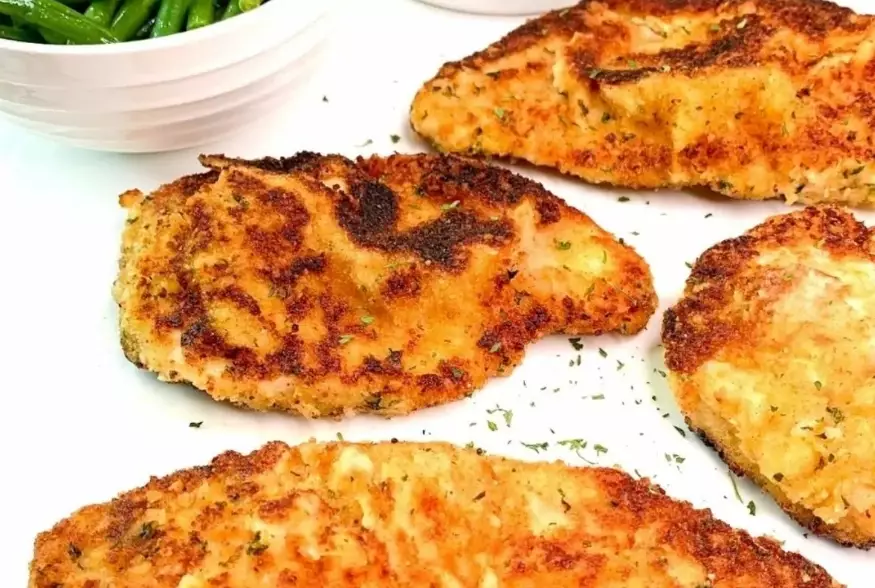
In This Article
Why Perdue Chicken Makes a Difference
You can use any boneless, skinless chicken breast, but starting with quality meat is the first secret. I've tested this with generic store brands and premium options like Perdue. Here's the thing: Perdue's Harvestland or Simply Smart lines are consistently thicker and more evenly sized. That uniform thickness is a game-changer. It means all parts of the cutlet cook at the same rate, eliminating those dreaded raw spots in the middle while the edges turn to leather.
Another point most home cooks miss is the brine. Many commercial chickens are injected with a water-salt solution. Perdue is no exception, but their labeling is clear. This isn't necessarily bad—it can help with juiciness. The trick is to adjust your seasoning. If your chicken is already enhanced with salt, go lighter on the salt in your flour or breadcrumb mixture. Taste your breading mix before you dredge. It should be seasoned, but not taste like a salt lick.
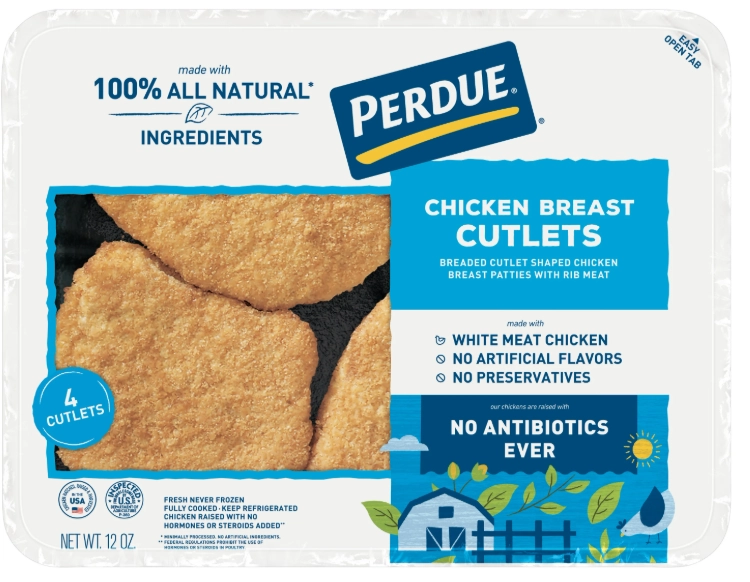
I grab a pack of Perdue chicken breast cutlets from my local supermarket. If they only have full breasts, I butterfly them myself. It's cheaper, and you get to control the thickness.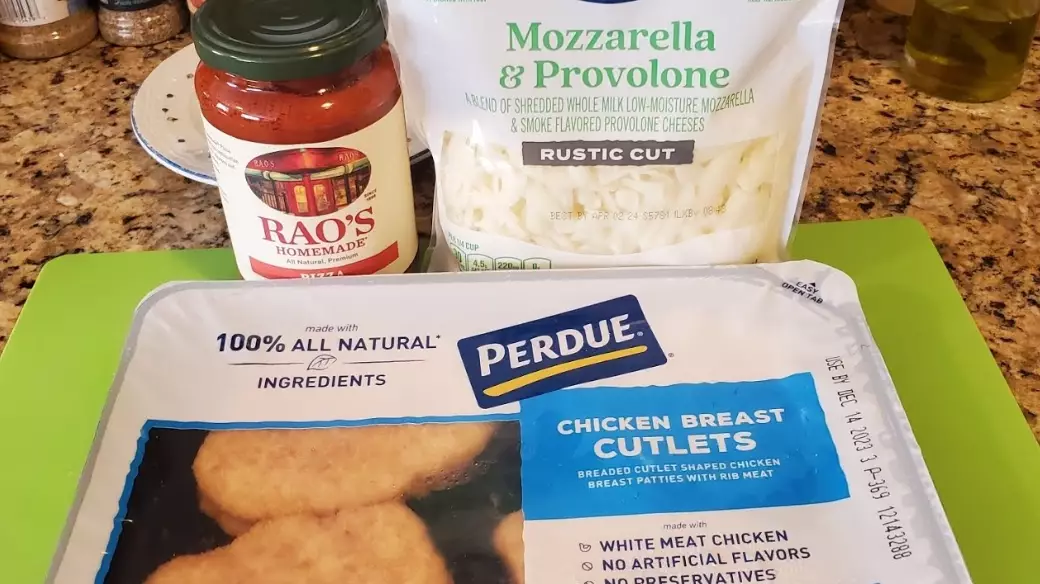
Step-by-Step Recipe for Perfect Cutlets
This is my weeknight workhorse. From fridge to plate in 25 minutes.
What You'll Need
- 1 lb Perdue boneless, skinless chicken breast cutlets (about 4 cutlets)
- 1 cup all-purpose flour
- 2 large eggs
- 1.5 cups panko breadcrumbs (regular fine breadcrumbs work, but panko is crunchier)
- 1 tsp garlic powder
- 1 tsp paprika (smoked paprika for a deeper flavor)
- 1/2 tsp black pepper
- 1 tsp kosher salt (use 3/4 tsp if your chicken is pre-brined)
- Vegetable or canola oil for frying (about 1/2 inch depth in the pan)
The Process (It's All in the Setup)
Step 1: The Prep Station. Don't wing it. Set up three shallow dishes in this order: 1) Flour mixed with half the spices (garlic powder, paprika, pepper, salt). 2) Beaten eggs with a tablespoon of water (this thins them for a lighter coat). 3) Panko mixed with the remaining half of the spices. This assembly line is non-negotiable for efficiency.
Step 2: Dry the Chicken. This is critical. Pat each Perdue cutlet completely dry with paper towels. Any surface moisture creates steam, which makes the breading soggy and causes it to fall off. I mean it—get them bone dry.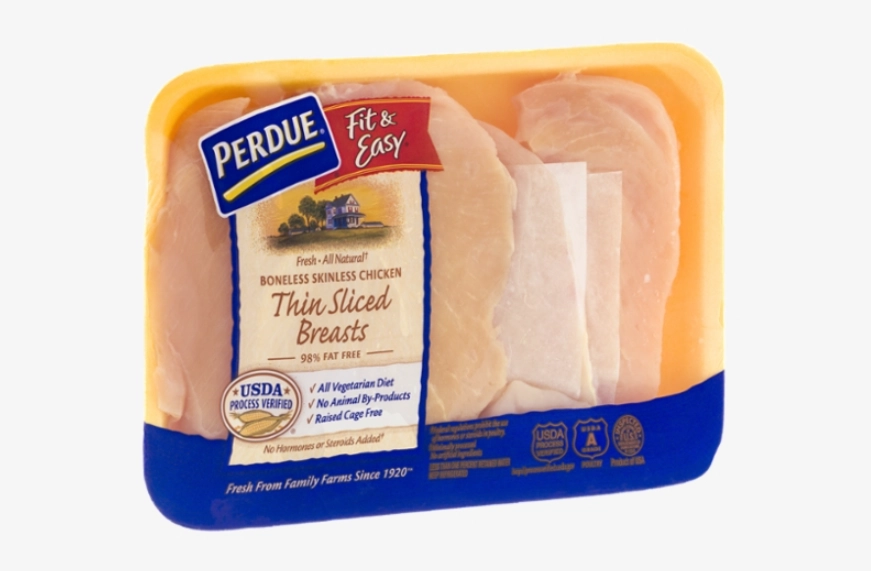
Step 3: The Dredge. Dredge each cutlet in the flour, shaking off the excess. Dip it in the egg, letting the excess drip back into the bowl. Finally, press it firmly into the panko mixture, ensuring full coverage. Place the breaded cutlet on a wire rack (not a plate—this prevents sogginess) while you heat the oil.
Step 4: Fry to Perfection. Heat about 1/2 inch of oil in a large, heavy-bottomed skillet (cast iron is king) over medium-high heat. To test if it's ready, flick a tiny breadcrumb in. It should sizzle vigorously immediately. Carefully add the cutlets. Don't crowd the pan—fry in batches. Cook for 3-4 minutes per side until deeply golden brown. The internal temperature should reach 165°F (74°C) when checked with an instant-read thermometer. Transfer back to the wire rack to drain. Never pile them on paper towels—they'll steam and get soggy.
Expert Tips Most Recipes Skip
After making these for a decade, here are the subtle mistakes I see everyone make.
The "Less is More" Breading Rule. You don't need a mountain of breadcrumbs. A single, even layer that adheres is what creates the crisp shell. Pressing firmly during the panko stage is more important than double-dredging. A thick, caked-on layer will just fall off in the oil.
Let Them Rest Before Frying. After breading, let the cutlets sit on the rack for 5-10 minutes. This lets the coating set and hydrate slightly, which drastically reduces blowouts and falling-off breading in the pan.
The Oil Thermometer is Your Best Friend. Guessing the oil temperature is the number one cause of failure. If you don't have a thermometer, the breadcrumb test is okay, but a $10 digital thermometer is the best investment for your kitchen. Aim for 350-375°F. According to the USDA, chicken is safe at 165°F, but pulling it at 160°F and letting it rest carries over to perfect doneness without drying out.
Season Every Layer. I split the seasoning between the flour and the panko. This builds flavor depth. Seasoning only the flour means the crispy exterior can taste bland.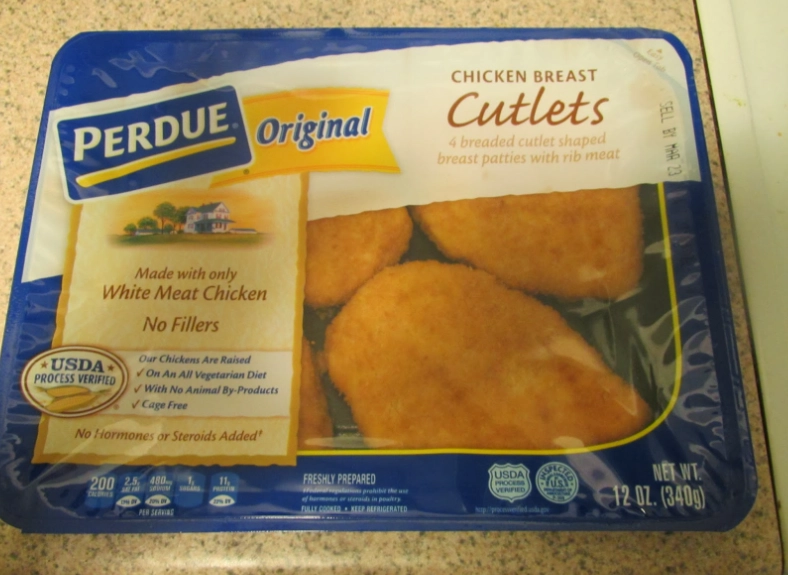
Pan-Fry vs. Air Fry vs. Bake: The Real Comparison
Pan-frying is the gold standard for texture, but it's not your only option. Here’s a no-nonsense breakdown based on my tests.
| Method | Texture Result | Hands-On Time | Best For | Key Adjustment |
|---|---|---|---|---|
| Pan-Fry (Skillet) | Ultra-crispy, golden, classic diner-style. | High (monitoring heat, flipping) | Weekend dinners, when texture is everything. | Maintain oil temp at 375°F. Don't crowd the pan. |
| Air Fryer | Very crispy, slightly drier crust than frying. | Low (set and mostly forget) | Weeknights, healthier option, minimal mess. | Spray breaded cutlets generously with oil spray. Cook at 400°F for 10-12 mins, flip halfway. |
| Bake (Oven) | Even browning, can be slightly less crisp unless broiled. | Low | Making large batches, meal prep. | Place on a wire rack over a baking sheet. Bake at 425°F for 15-18 mins. Finish with a 2-min broil. |
My personal ranking? For a Tuesday night after work, the air fryer wins. It gets 85% of the way to fried perfection with 10% of the mess. But when I'm cooking to impress, it's the skillet every time.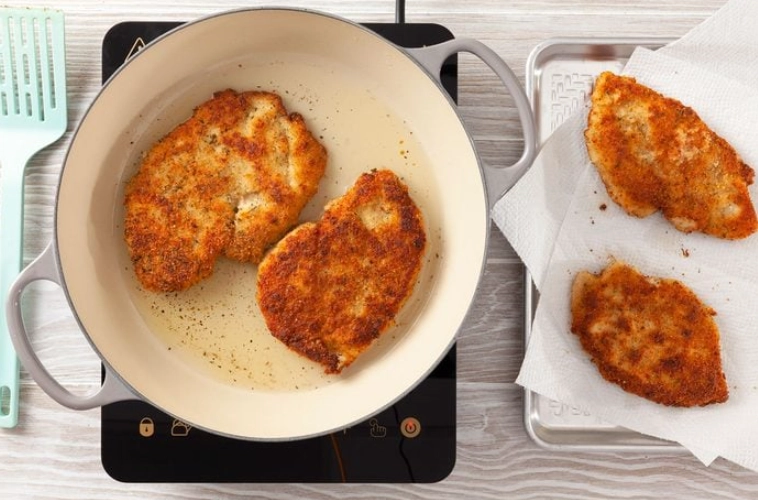
Your Chicken Cutlet Questions, Answered
 What's the best way to reheat leftover chicken cutlets and keep them crispy?
Related Articles