What Is White Meat Chicken? Cuts, Nutrition & Cooking Guide
If you've ever stared at a grocery store chicken section or a restaurant menu and wondered, "what's white meat chicken, really?" you're not alone. It sounds simple, but the answer shapes how you cook, eat, and think about nutrition. Let's cut through the confusion. White meat chicken refers specifically to the breast and wings of the bird. It's lighter in color because these muscles are used for short bursts of activity (like flapping), relying on fast-twitch muscle fibers that have less myoglobin—a protein that stores oxygen and gives dark meat its color. This isn't just trivia; it directly affects flavor, texture, and how you should cook it to avoid that dreaded dry, rubbery chicken breast.
I've cooked more chicken breasts than I can count, and I've made every mistake in the book. The biggest one? Treating all chicken the same. Understanding the white meat definition is your first step to consistently better meals.
What You'll Find in This Guide
- What Parts of the Chicken Are Considered White Meat?
- White Meat Chicken Nutrition: Is It Really Healthier?
- How to Cook White Meat Chicken Perfectly (Every Time)
- 3 Costly Mistakes Everyone Makes with White Meat
- Simple & Flavorful White Meat Chicken Recipe Ideas
- Buying and Storing White Meat Chicken: A Practical Guide
- Your White Meat Chicken Questions, Answered
What Parts of the Chicken Are Considered White Meat?
This is where most online guides stop. They say "breast and wings" and move on. But let's get specific, because not all wings are created equal, and even within a breast, there's variation.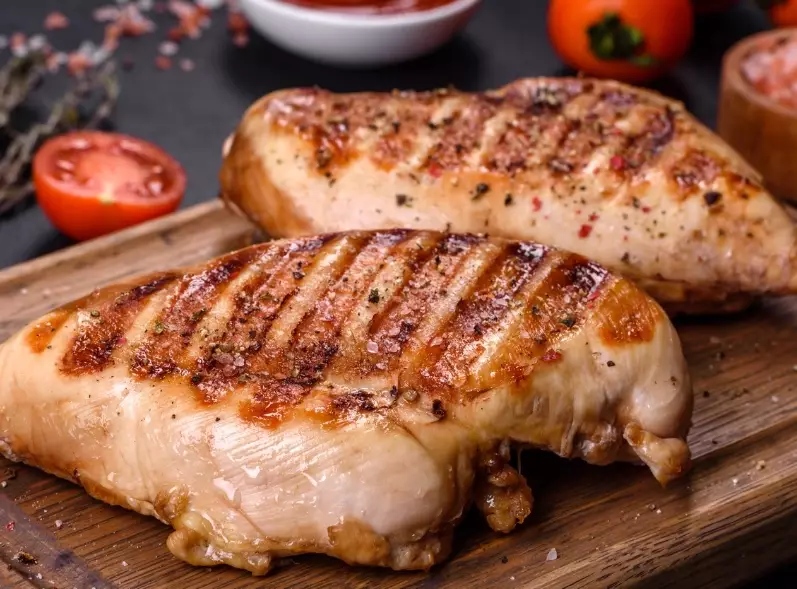
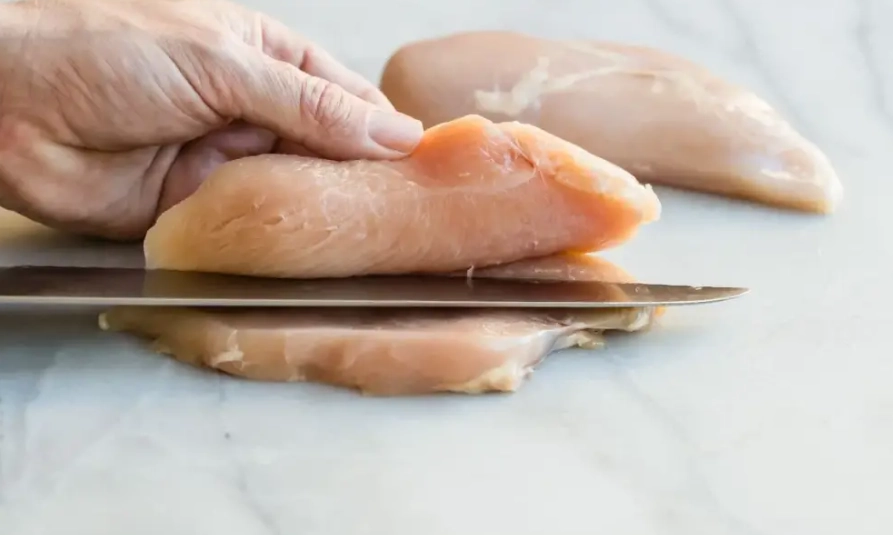
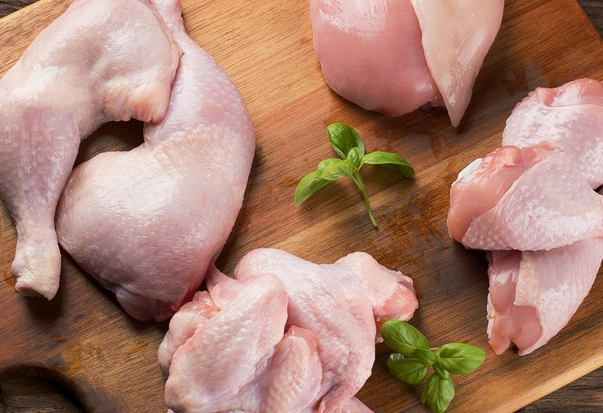
The Breast: This is the poster child for white meat poultry. It's the large, lean, double-lobed muscle on the chest. A whole breast includes both lobes, often sold bone-in or boneless. Within the breast, the tenderloin—that small, tender strip on the underside—is also white meat. It cooks faster than the main breast muscle, a detail many miss, leading to uneven cooking.
The Wings: Here's the nuance most people don't know. The entire wing is technically classified as white meat by the USDA because of its muscle composition. However, in practice, when you eat chicken wings, you're eating three parts: the drumette (looks like a mini drumstick), the flat or wingette (the middle part with two bones), and the tip (usually discarded). The drumette and flat have a slightly different texture—a bit more connective tissue—than the breast, but they're still white meat. This is why wings can be juicier and more forgiving than breast meat if you're not careful.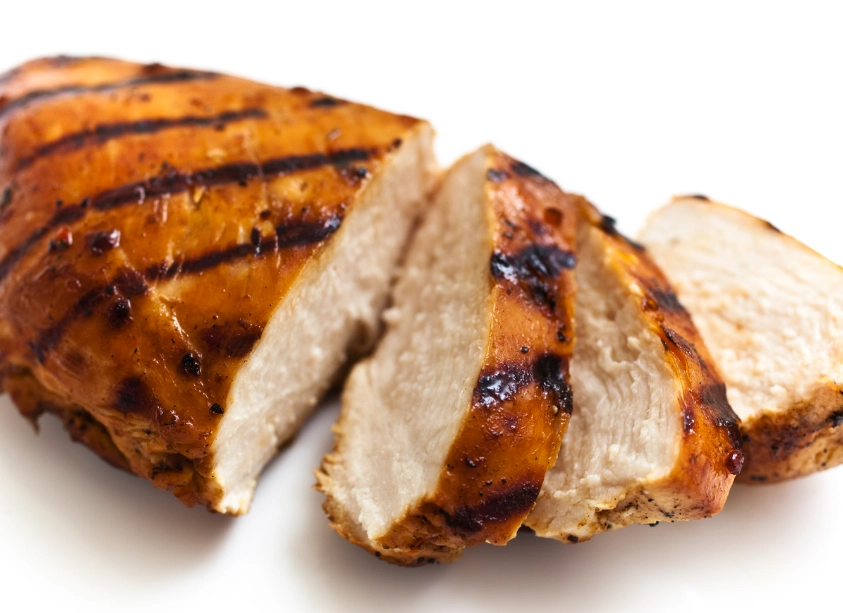
Quick Anatomy Lesson: Dark meat (thighs and drumsticks) comes from muscles used for sustained activity (walking/standing), rich in myoglobin and fat. White meat (breast and wings) comes from less-used muscles for quick bursts. This biological fact dictates everything about cooking them.
White Meat Chicken Nutrition: Is It Really Healthier?
We've all heard it: choose white meat over dark for a healthier option. But what does the data actually say? Let's look at a 3-oz (85g) cooked, skinless portion, based on data from the USDA FoodData Central.
| Nutrient | Chicken Breast (White Meat) | Chicken Thigh (Dark Meat) |
|---|---|---|
| Calories | ~128 kcal | ~209 kcal |
| Protein | ~26g | ~23g |
| Total Fat | ~2.7g | ~13g |
| Saturated Fat | ~0.7g | ~3.5g |
| Iron | ~0.6mg (3% DV) | ~1.1mg (6% DV) |
| Zinc | ~0.7mg (6% DV) | ~2.1mg (19% DV) |
The verdict? White meat chicken, particularly the breast, is a lean protein powerhouse. It delivers more protein per calorie with significantly less fat, especially saturated fat. This makes it a top choice for weight management, muscle building, and heart-healthy diets.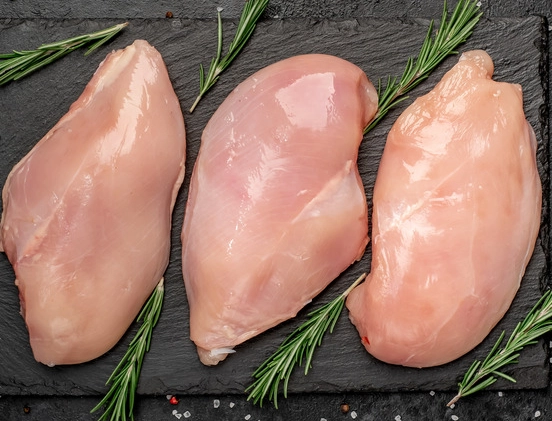
However—and this is crucial—dark meat isn't "bad." It has more iron and zinc. The fat also carries flavor and moisture. Calling white meat "healthier" depends entirely on your dietary goals. If you're strictly managing calorie or saturated fat intake, white meat wins. If you're more focused on overall nutrient density or struggle with dry breast meat, a skinless thigh is a fantastic compromise.
How to Cook White Meat Chicken Perfectly (Every Time)
The terror of the dry chicken breast is real. I've been there. The secret isn't a single trick; it's a combination of technique and temperature. White meat has less fat, so it has less margin for error. Here's my field-tested method.
The Non-Negotiable Rule: Use a Meat Thermometer
Stop guessing. Stop cutting into it to check. Buy an instant-read digital thermometer. It's the single best investment for cooking any meat, especially lean poultry. The USDA safe internal temperature is 165°F (74°C). But here's the pro tip: you can remove it from heat at 160-162°F (71-72°C). The residual heat will carry it to 165°F as it rests, preventing overcooking.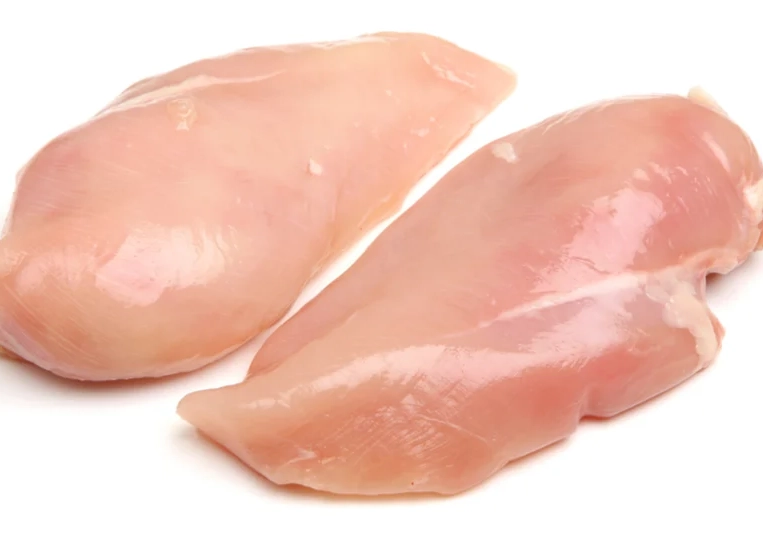
Best Cooking Methods for White Meat Chicken
- Pan-Searing/Sautéing: Perfect for boneless, skinless breasts or cutlets. Pound them to an even thickness first. High heat to get a golden crust, then lower heat to finish cooking through. Add a splash of broth or sauce at the end to keep it moist.
- Baking/Roasting: Great for bone-in or boneless breasts. Brining (soaking in saltwater) for 30 minutes before baking is a game-changer for moisture. Roast at 425°F (220°C) for a shorter time to get a nice exterior without drying out the interior.
- Grilling: High, direct heat can quickly dry out breasts. Use a two-zone fire: sear over high heat, then move to indirect heat to finish gently. Marinating helps protect the surface.
- Poaching & Sous Vide: These are the ultimate methods for guaranteed juiciness. Cooking in liquid (poaching) or a temperature-controlled water bath (sous vide) eliminates the risk of overcooking. The texture can be amazingly tender.
Let's walk through a concrete scenario: You have two boneless, skinless chicken breasts for Tuesday's dinner. Here's your plan:
1. Place them between parchment paper and gently pound the thicker ends so the whole piece is an even ¾-inch thick.
2. Pat them completely dry with paper towels. Moisture is the enemy of browning.
3. Season generously with salt and pepper. Let them sit for 15 minutes at room temp.
4. Heat a tablespoon of oil in a skillet over medium-high heat until it shimmers.
5. Add the chicken. Don't touch it for 5-6 minutes until you see the edges turning opaque.
6. Flip. Cook for another 4-5 minutes. Now, insert your thermometer into the thickest part.
7. The moment it hits 160°F, take the pan off the heat. Transfer the chicken to a plate.
8. This is critical: let it rest for 5-7 minutes. The juices redistribute. Then slice.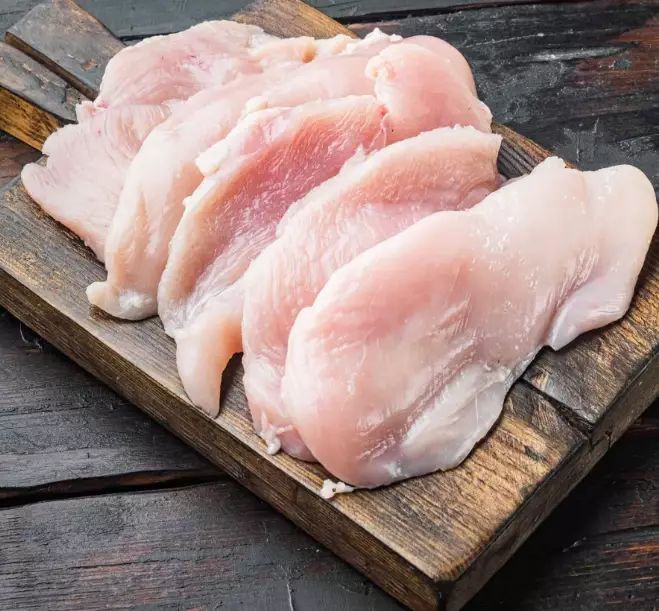
3 Costly Mistakes Everyone Makes with White Meat
After teaching cooking classes, I see the same errors on repeat. Avoid these, and you're 80% of the way to perfect chicken.
Mistake 1: Skipping the Rest. You cook it perfectly, then slice it immediately. All the flavorful juices pour out onto the cutting board, leaving the meat dry. Let it rest. Cover it loosely with foil. This is not optional.
Mistake 2: Cooking Straight from the Fridge. A cold center means by the time the inside is cooked, the outside is overcooked and tough. Let your chicken sit out for 15-20 minutes before cooking to take the chill off.
Mistake 3: Using the Wrong Cut for the Job. Trying to grill a giant, uneven bone-in breast for a quick weeknight meal is a recipe for frustration. Match the cut to the method: thin cutlets for quick pan-frying, bone-in breasts for slower roasting where the bone adds flavor and protects against drying.
Safety Note: Never wash raw chicken. It doesn't clean it; it just splashes potentially harmful bacteria around your sink. Cooking to the proper temperature (165°F) kills all bacteria safely.
Simple & Flavorful White Meat Chicken Recipe Ideas
Moving beyond basic baked chicken. These are frameworks you can adapt.
The 15-Minute Pan Sauce: After searing your breasts, remove them. Add a minced shallot or garlic to the pan. Cook for 30 seconds. Pour in ½ cup of chicken broth and scrape up the browned bits. Let it reduce by half. Off heat, swirl in a tablespoon of cold butter and some fresh herbs (parsley, tarragon). Spoon over the rested chicken. Instant restaurant-quality.
Sheet-Pan Lemon Herb Chicken & Veggies: Toss broccoli florets and bell pepper strips with oil, salt, and pepper. Place on a sheet pan. Add seasoned chicken breasts to the pan. Thinly slice a lemon and tuck slices around. Roast at 400°F for 18-22 minutes until chicken hits 165°F. Dinner is done.
Big-Batch Shredded Chicken: Place 2-3 lbs of boneless breasts in a slow cooker. Add enough low-sodium broth to cover halfway. Cook on low for 3-4 hours until tender. Shred with forks. Use it for salads, tacos, soups, and sandwiches all week. This method is foolproof and always moist.
Buying and Storing White Meat Chicken: A Practical Guide
You can't cook great food with poor ingredients. At the store, look for packages that are cold with no tears. The chicken should be pinkish (not gray) and have little to no odor. If there's a lot of liquid in the package (called purge), it may have been frozen and thawed, or it indicates water-added product.
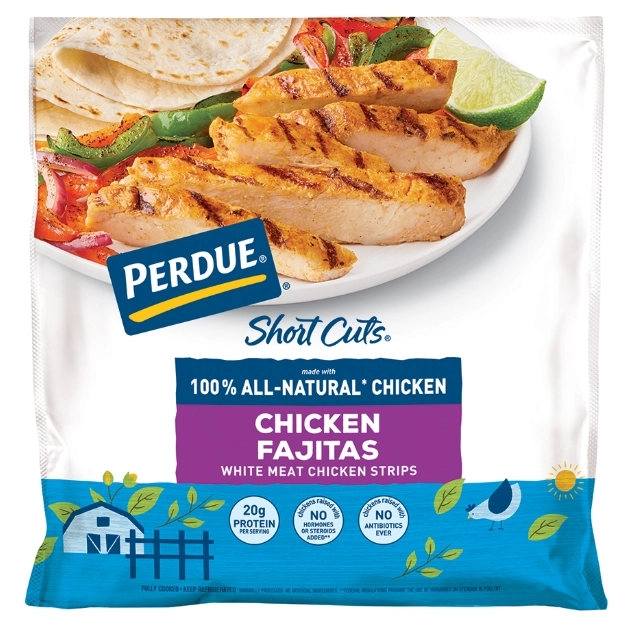
Labels Decoded: - Air-Chilled: Chickens are cooled with air instead of water. This often results in better flavor and texture, and less water weight you pay for. - No Antibiotics Ever / Raised Without Antibiotics: Means what it says. - Hormone-Free: This is a bit of a marketing gimmick. By law in the U.S., chickens are not given hormones. So all chicken is technically hormone-free. - Organic: Must meet USDA standards for feed (organic, no animal byproducts) and living conditions (access to outdoors).
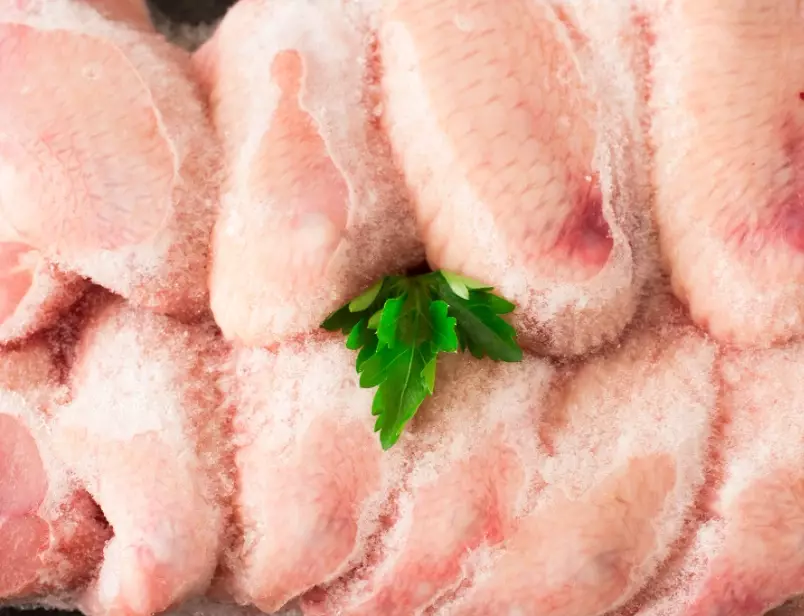
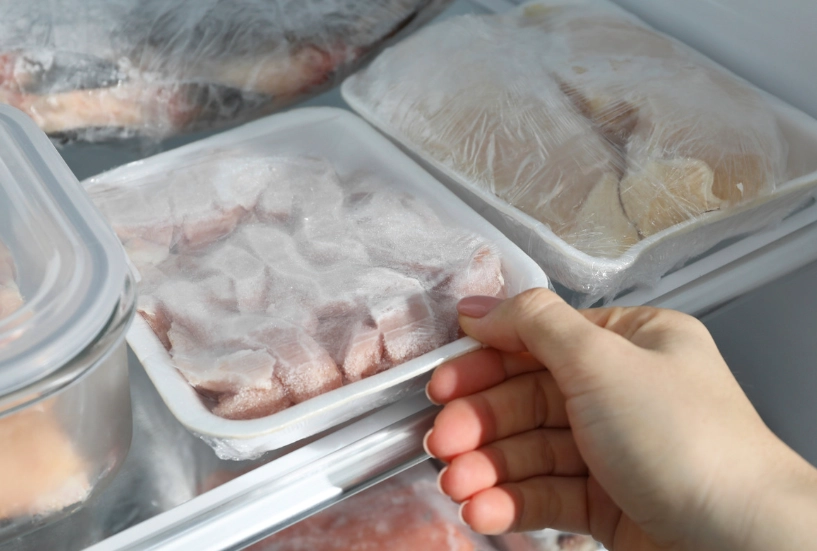
At home, store it in the coldest part of your fridge (usually the bottom shelf) and use it within 1-2 days of purchase, or freeze it immediately. For freezing, wrap individual pieces tightly in plastic wrap or freezer paper, then place in a freezer bag, pressing out all the air. Label with the date. Use within 9-12 months for best quality. Thaw safely in the fridge overnight, never on the counter.
Your White Meat Chicken Questions, Answered
Related Articles