Chicken Cutlet Nutrition Facts | Calories, Protein & Healthy Cooking Tips
Key Highlights
- The Raw Foundation: What's in Plain Chicken Breast?
- Chicken Cutlet Nutrition By Cooking Method: A Head-to-Head Showdown
- Breaking Down the Breading: Your Secret Weapon
- Why Protein is the King of Chicken Cutlet Nutrition
- Building a Balanced Plate: It's Not Just the Cutlet
- Answering Your Chicken Cutlet Nutrition Questions
- The Verdict on Chicken Cutlet Nutrition
Let's be honest. When you think about chicken cutlet nutrition, your mind probably jumps straight to "fried" and "not great." I used to think the same thing. I'd eat one feeling a bit guilty, wondering just how many calories I'd just committed to. But then I started digging, and honestly, I was surprised. The story of chicken cutlet nutrition is way more nuanced than just a number on a box. It's about the cut of meat, how you cook it, what you bread it with, and even what you put on it. A baked, whole-wheat-breaded cutlet is a totally different nutritional beast from a deep-fried, panko-covered one from a diner.
So, what are you really eating? Is it a protein-packed powerhouse or a fat-laden indulgence? The answer, frustratingly and wonderfully, is: it depends. And that's what we're going to unpack today. We'll look at the hard numbers from sources like the USDA's FoodData Central, compare cooking methods side-by-side, and I'll even throw in some tips from my own kitchen fails and successes. Because knowing the details of chicken cutlet nutrition is the first step to making it work for your goals, whether that's building muscle, losing weight, or just eating a bit cleaner.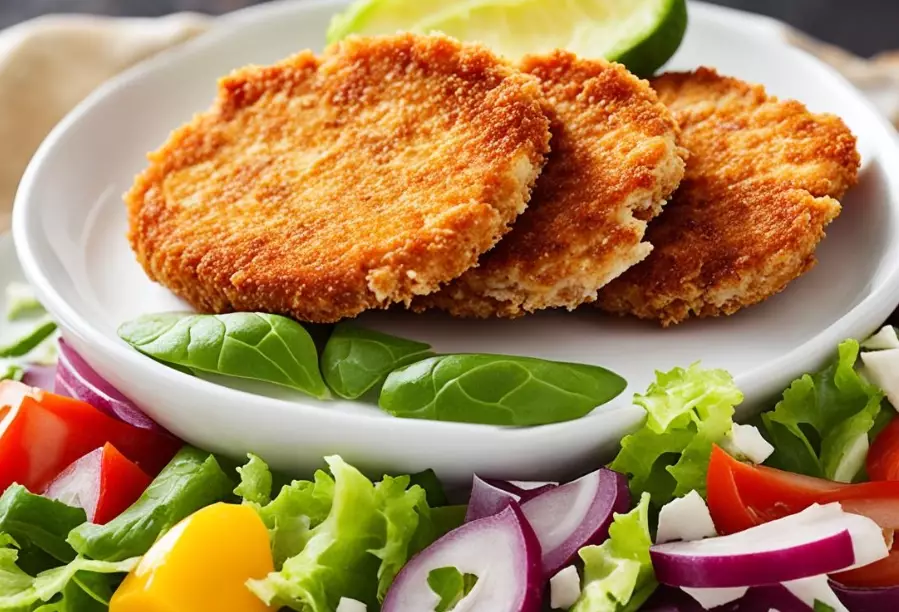
The Core Idea: Chicken breast is one of the leanest protein sources out there. The nutritional fate of your cutlet is decided almost entirely in the cooking and coating stage. Master that, and you master the meal.
The Raw Foundation: What's in Plain Chicken Breast?
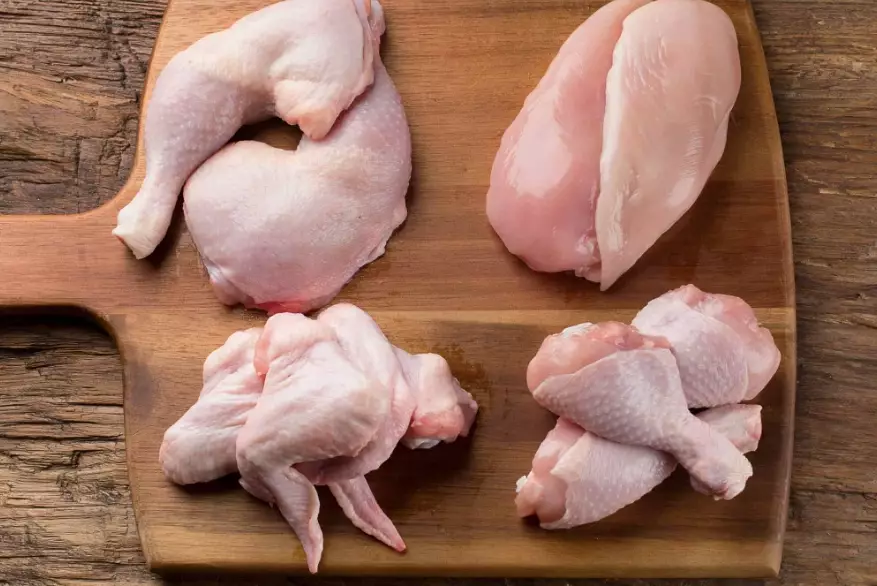
You can't talk about chicken cutlet nutrition without starting with the star of the show: the chicken breast itself. Before any breading hits the pan, this is what you're working with. I always use a 4-ounce (roughly 113-gram) raw, skinless, boneless chicken breast as my baseline. It's a standard serving size and makes the math easier.
According to the latest data from the USDA, that 4-ounce raw portion gives you about 120-130 calories. But the real headline? The protein. You're looking at a massive 26-28 grams of high-quality, complete protein. That's over half the daily recommended intake for many adults in one single piece of meat. It's why bodybuilders and diet plans love it. The fat content is minuscule—maybe 1.5 to 3 grams, and most of that is the healthier unsaturated kind. Carbs? Essentially zero.
So, in its pure form, chicken breast is a nutritional all-star. The challenge, and the fun, begins when we turn it into a cutlet.
From Breast to Cutlet: The Transformation
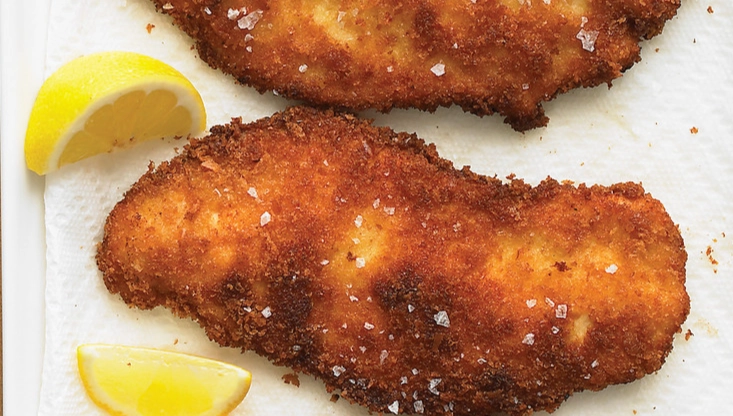
Making a cutlet usually involves two key steps: pounding and coating. Pounding it thin doesn't change the chicken cutlet nutrition profile of the meat itself, but it does change how it cooks (more surface area for crispy goodness, but also more surface area to absorb oil). The coating is the real game-changer. This is where the calories, carbs, and fats can skyrocket or stay in check.
A typical breading station has three parts: flour, egg wash, and breadcrumbs. Each layer adds something. The flour helps the egg stick, the egg helps the crumbs stick, and the crumbs give you that satisfying crunch. But each layer also absorbs fat during frying. It's a delicious trap.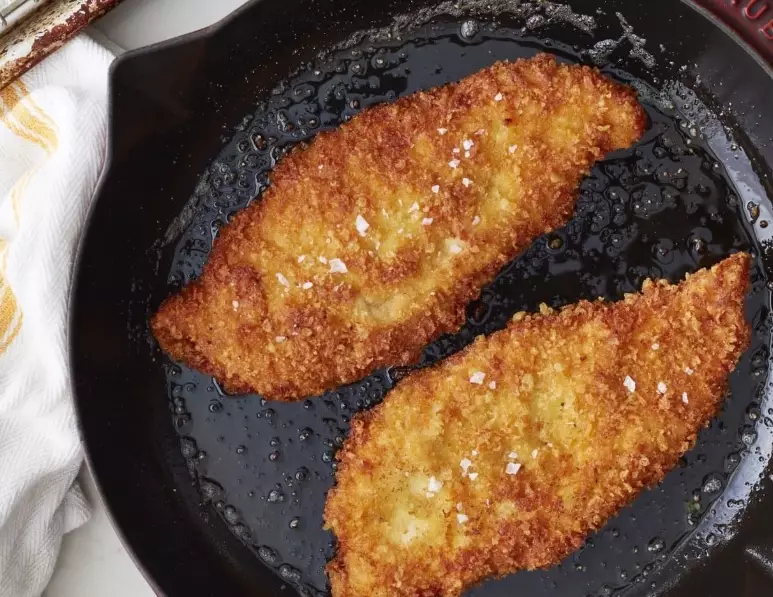
Chicken Cutlet Nutrition By Cooking Method: A Head-to-Head Showdown
This is where it gets real. You can read all the stats in the world, but seeing them compared is what makes it click. I've put together a table below based on estimates for a 4-oz chicken breast cutlet with a standard breading. Remember, these are approximations—the exact amount of oil absorbed can vary a lot based on temperature, breading thickness, and pan size. But the trends are unmistakable.
| Nutrition Facts (Approx.) | Baked / Air-Fried | Pan-Fried (Light Oil) | Deep-Fried (Restaurant Style) |
|---|---|---|---|
| Calories | ~220 - 260 | ~280 - 330 | ~350 - 450+ |
| Protein | ~28g | ~27g | ~25g |
| Total Fat | ~5 - 8g | ~12 - 18g | ~20 - 30g+ |
| Saturated Fat | ~1.5g | ~2.5 - 4g | ~5 - 8g+ |
| Carbohydrates | ~10 - 15g | ~10 - 15g | ~15 - 20g+ |
| Sodium* | ~400 - 600mg | ~400 - 600mg | ~600 - 900mg+ |
* Sodium can vary wildly based on seasoning and brine. Restaurant versions are often pre-brined in salty solutions.
See the jump? Going from baked to deep-fried can easily add 200 calories and 20+ grams of fat to your meal. That's like adding an extra tablespoon and a half of oil straight to your plate. The protein stays fairly consistent because it's in the chicken, but the fat content is directly tied to the cooking method.
My Go-To Method: I've almost completely switched to air-frying for my chicken cutlet nutrition goals. You get about 90% of the crispiness of deep-frying with a fraction of the oil. Just a quick spritz of avocado oil spray on the breaded cutlet does the trick. It's not *quite* the same as the greasy spoon version, but my waistline thanks me.
Breaking Down the Breading: Your Secret Weapon
If the cooking method is one lever, the breading is the other. This is where you can get creative and seriously upgrade your chicken cutlet nutrition profile.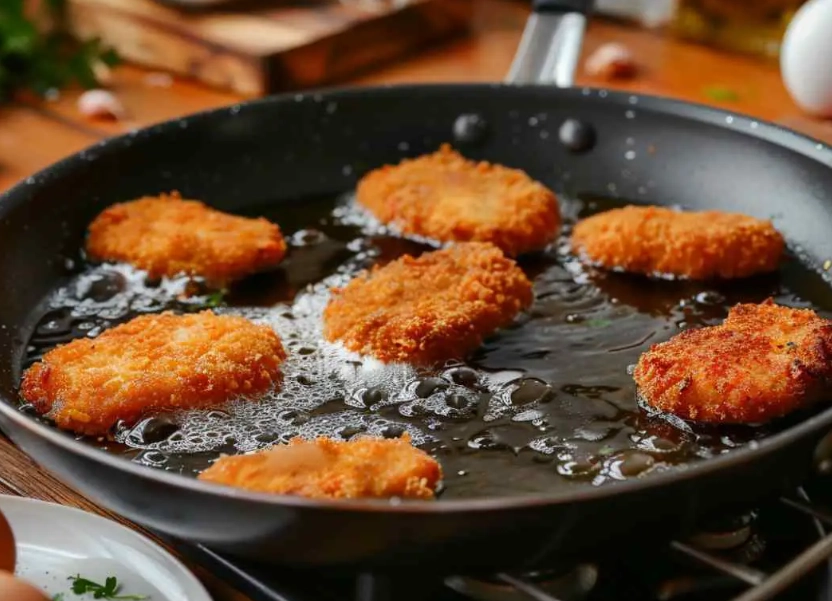
The Standard Trio (All-Purpose Flour, Egg, Breadcrumbs): This is the classic. It's delicious but can be a carb-heavy blanket. A half-cup of regular breadcrumbs adds around 200 calories and 40g of carbs before it even touches the pan.
Smart Swaps for a Healthier Profile:
- Flour: Try whole-wheat flour, almond flour, or oat flour. They add fiber and nutrients. Almond flour adds healthy fats but also more calories, so it's a trade-off.
- Breadcrumbs: This is the biggest opportunity. Swap regular breadcrumbs for whole-wheat panko (it's airier, so you use less and it gets crispier), crushed cornflakes for a different crunch, or even grated Parmesan cheese mixed with herbs for a low-carb, high-flavor crust.
- The "Breading": Sometimes, skip the crumbs altogether. A coating of Dijon mustard, then a press into a mix of grated Parmesan and herbs creates an incredible crust with almost no carbs.
I tried a version with crushed pork rinds for a keto-style cutlet once. The flavor was intense (in a good way), and it was incredibly crispy, but it definitely wasn't for everyone. It just goes to show how flexible this can be.
Why Protein is the King of Chicken Cutlet Nutrition
We keep circling back to protein, and for good reason. It's the main nutritional reason most people eat chicken. That 25-30 grams in a cutlet isn't just a number; it's a functional part of your day.
Protein is the building block for muscles, sure. But it's also crucial for keeping you full. Have you ever noticed you're starving an hour after a big bowl of pasta but feel satisfied for hours after a chicken cutlet with veggies? That's protein (and fiber) at work. It has a high thermic effect, meaning your body burns more calories just digesting it compared to fats or carbs.
So, when you're evaluating chicken cutlet nutrition, that high protein content is your anchor. It justifies the meal, even if the breading adds some carbs and fat. You're getting a nutrient that supports metabolism, satiety, and muscle repair. The National Institutes of Health has tons of resources on the importance of dietary protein for overall health. It's not just for gym rats.
The Sodium Trap: Here's the often-overlooked part of chicken cutlet nutrition. Sodium. Between the salt in the seasoning, the potential brine, and any processed breadcrumbs or Parmesan, a single cutlet can creep towards half your daily recommended limit (about 2,300mg). If you have hypertension or are watching your salt, this is a big deal. Always season mindfully and look for low-sodium breadcrumb options.
Building a Balanced Plate: It's Not Just the Cutlet
Honestly, you could have the most perfectly baked, almond-flour-breaded cutlet in the world, and it would still be an incomplete meal. The context matters just as much as the chicken cutlet nutrition facts themselves.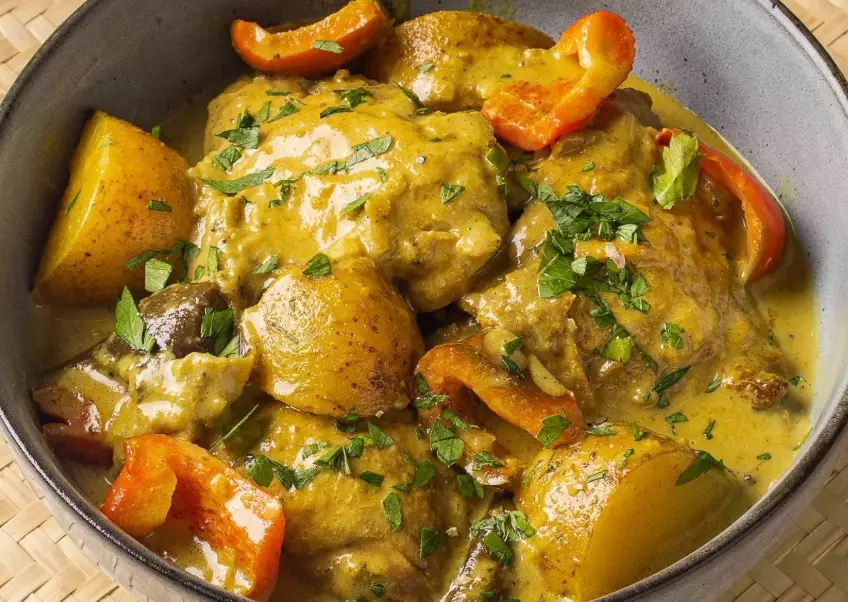
Think of your plate in sections. The cutlet is your protein source. Now, you need to add volume, fiber, and micronutrients. This is how you turn a decent dinner into a fantastic one.
Top Pairings for Nutrition & Satisfaction:
- Non-Starchy Veggies (Half your plate): A massive salad with a light vinaigrette, a pile of roasted broccoli or Brussels sprouts, or a medley of sautéed zucchini and bell peppers. They add few calories but tons of fiber, vitamins, and bulk.
- Smart Starches (A quarter of your plate): Not a giant mound of pasta. Think a small serving of quinoa, sweet potato wedges (baked, not fried), brown rice, or whole-wheat couscous. These provide sustained energy and more fiber.
- Healthy Fats (A thumb-sized portion): Maybe your cooking oil (like olive or avocado oil) already covered this. If not, a few slices of avocado on your salad or a drizzle of tahini sauce can add satisfying fat.
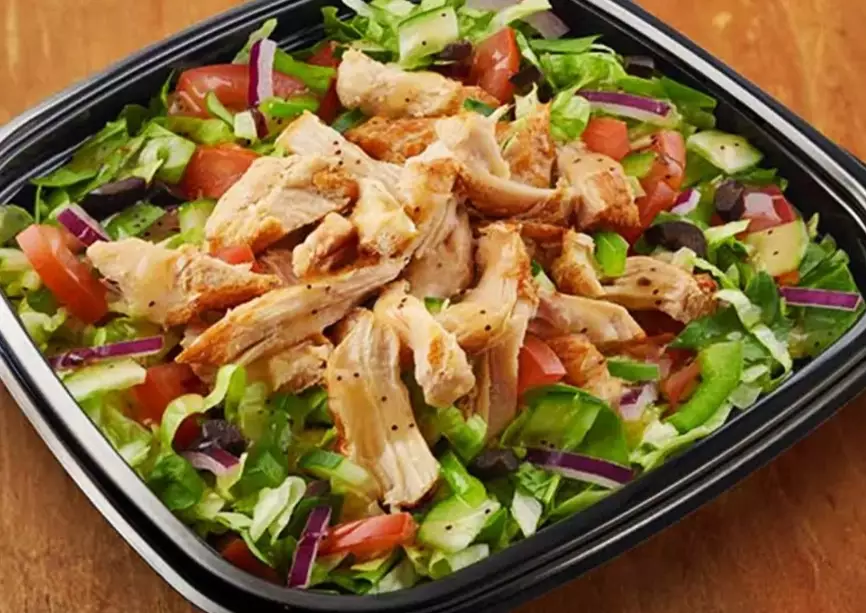
My personal favorite is a cutlet served over a huge bed of arugula with a lemon wedge, with a side of roasted sweet potato. It feels indulgent but is packed with good stuff.
Answering Your Chicken Cutlet Nutrition Questions
- Chicken Cutlet (Baked): ~250 cals, 28g protein, 8g fat.
- Ground Beef (85% lean): ~240 cals, 22g protein, 16g fat (more saturated fat).
- Salmon Fillet: ~230 cals, 25g protein, 14g fat (rich in omega-3s).
- Firm Tofu: ~180 cals, 20g protein, 11g fat (plant-based).
The Verdict on Chicken Cutlet Nutrition
So, where does this leave us? Chicken cutlet nutrition isn't a single number. It's a spectrum. At one end, you have a greasy, sodium-packed, calorie-dense food. At the other, you have a lean, protein-rich, thoughtfully prepared cornerstone of a healthy meal.
The power is in your hands. By choosing to bake or air-fry, by getting creative with your breading (or skipping it some days), and by building a balanced plate around it, you can enjoy this classic comfort food without derailing your goals. It's not about perfection. Last week I definitely pan-fried one in a bit too much butter because I wanted that specific golden crust. It was delicious, and I enjoyed every bite. But I also knew what that choice meant, and I balanced it out.
That's the real takeaway. Understand the variables—the cooking method, the coating, the sides. Use resources like the USDA's MyPlate as a general guide for building meals. Then, make the version that fits your life and your taste buds. Armed with the full picture of chicken cutlet nutrition, you can have your cutlet and eat it too.
Related Articles