What is the Healthiest Part of Chicken? A Nutritionist's Breakdown
In This Guide
- Breaking Down the Bird: A Cut-by-Cut Analysis
- The Nutritional Showdown: Breast vs. Thigh
- The Elephant in the Room: The Skin
- How Cooking Method Totally Changes the Game
- Buying and Preparing for Maximum Health
- Your Questions, Answered (The Real Stuff People Google)
- The Final Verdict: It's Context, Not Just a Cut
You know that feeling when you're staring at the chicken section in the grocery store, completely paralyzed? Skinless breast, thighs with the bone-in, those tempting wings... and you're just trying to make a healthy choice. I've been there more times than I can count. When I first started paying attention to my diet, I just grabbed the breast because everyone said it was the "best." But after years of cooking, talking to nutritionists (and suffering through some dry, bland meals), I've learned the answer to "what is the healthiest part of chicken" is way more interesting.
It's not a one-word answer. It depends on what "healthy" means to you. Is it the lowest in calories? The highest in protein? The one with the most vitamins? Or maybe it's the part you'll actually enjoy eating so you stick to your goals? We're going to dig into all of that.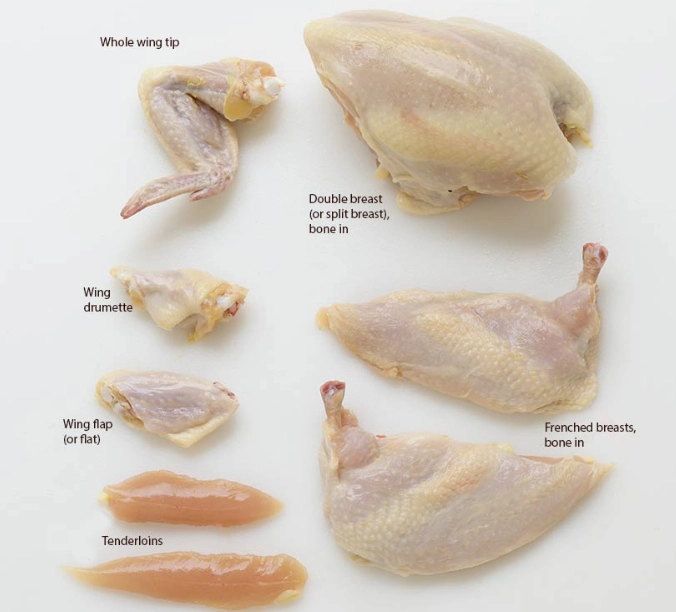
Breaking Down the Bird: A Cut-by-Cut Analysis
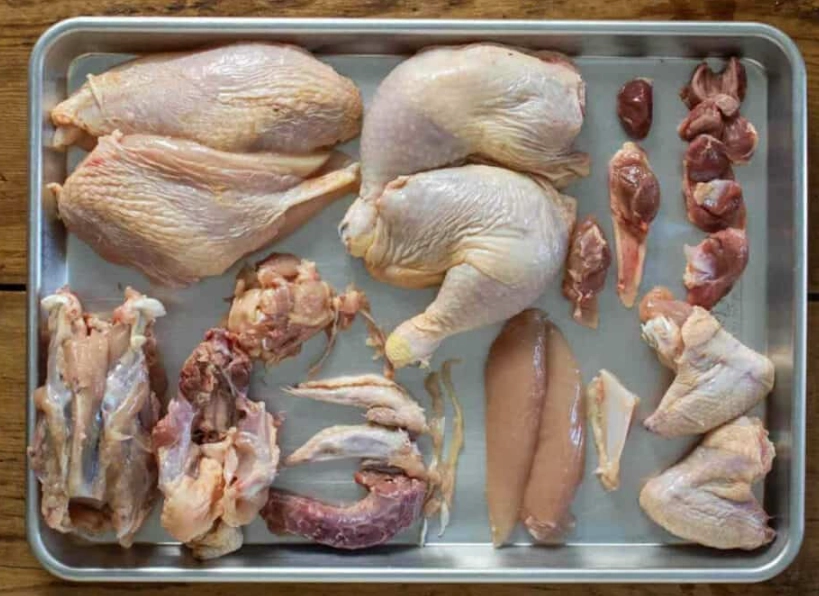
Let's get personal for a sec. I used to bodybuild, and my fridge was 90% chicken breast. I thought thighs were the enemy. I was wrong. Looking at the data from the USDA's FoodData Central really opened my eyes. Here’s the real story on each part, based on a 100-gram (about 3.5 oz) cooked, skinless serving unless stated otherwise.
Chicken Breast: The Lean Machine
This is the poster child for "healthy" chicken, and for good reason.
- Protein Powerhouse: Around 31 grams of protein. That's insane density.
- Fat & Calorie King (The Low Kind): Only about 3.6 grams of fat and 165 calories.
- The Micronutrient Mix: Packed with Niacin (Vitamin B3, great for energy) and Vitamin B6. It's also a good source of selenium and phosphorus.
The downside? It can be notoriously dry and bland if you overcook it, which is easy to do. Its leanness means it lacks the flavor that fat provides. For someone purely chasing protein macros with minimal fat, it's the undisputed champion. But is it always the best choice? Not if you dread eating it.
Chicken Thigh: The Flavorful Contender
This is where things get interesting. Thighs are darker meat because the chicken uses its legs more, leading to more myoglobin (an iron-rich protein) and fat.
- Still Very High Protein: About 26 grams. It's not far off the breast!
- Higher in Fat: About 10 grams of fat, which means more calories (~209). But here's the key—it's a mix of saturated and unsaturated fat. The extra fat is what gives it that juicy, rich flavor.
- Nutrient Boost: Significantly higher in iron and zinc compared to breast. It also contains more of the fat-soluble vitamins like A and K.
That higher fat content is a double-edged sword. It adds calories, but it also adds flavor and helps you feel fuller for longer. For active people or those not on a strict calorie cut, a skinless thigh is a fantastic, nutrient-dense option. It's my personal go-to now for weeknight dinners because it's forgiving to cook and everyone in my family actually likes it.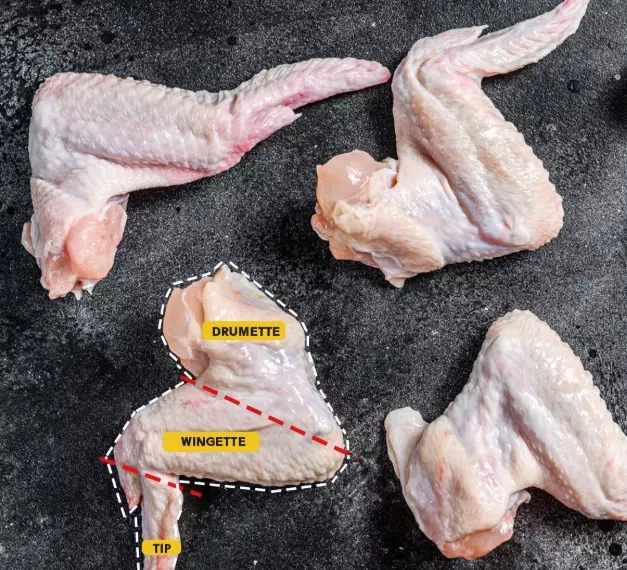
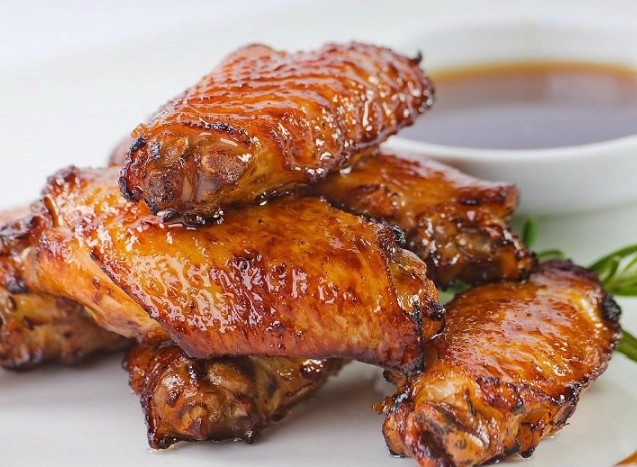
Chicken Wings: The Party Favorite
Let's be real about wings. Without the skin and sauce, the meat itself is fine—similar to dark meat. But nobody eats plain, skinless wing meat.
A typical chicken wing with skin has a much higher fat ratio. Once you fry it and dunk it in ranch or buffalo sauce, it transforms into a high-calorie, high-sodium treat. Delicious? Absolutely. A regular part of a "health-focused" diet? Not really. Enjoy them in moderation for what they are.
Chicken Drumsticks & Other Parts
Drumsticks are similar to thighs—dark meat, more flavor, a bit more fat than breast but less than thighs. They're a great, portion-controlled option. Then you have parts like the back and ribs, which are mostly used for stock because they're bony and fatty. Organ meats like liver are a completely different conversation—incredibly nutrient-dense (loaded with Vitamin A, B12, iron) but an acquired taste and high in cholesterol.
The Nutritional Showdown: Breast vs. Thigh
This table makes the comparison crystal clear. Data is sourced from the USDA National Nutrient Database for cooked, skinless pieces.
| Nutrient (per 100g cooked) | Chicken Breast (Skinless) | Chicken Thigh (Skinless) | Why It Matters |
|---|---|---|---|
| Calories | 165 kcal | 209 kcal | Breast wins for calorie restriction. |
| Protein | 31 g | 26 g | Both are excellent, breast is more concentrated. |
| Total Fat | 3.6 g | 10.9 g | The major difference. Thigh fat includes monounsaturates. |
| Saturated Fat | 1.0 g | 3.0 g | Thigh has more, but context matters in a balanced diet. |
| Iron | 0.9 mg | 1.3 mg | Thigh provides about 45% more iron. |
| Zinc | 1.0 mg | 2.4 mg | Thigh has over twice as much zinc. |
| Vitamin B6 | 0.6 mg | 0.4 mg | Breast has a slight edge. |
Looking at that, you can't just say one is "better." If your primary goal is maximum protein with minimal fat and calories for weight loss or lean muscle building, the breast is your tool. If you struggle with dry chicken, want more flavor, need more iron (especially important for women or vegetarians adding meat), and don't mind the extra (mostly healthy) fats, the thigh is a stellar choice. The American Heart Association recommends limiting saturated fat, so if you choose thighs, balance it with lower-saturated-fat meals elsewhere in your day.
The Elephant in the Room: The Skin
Ah, chicken skin. Crispy, golden, delicious... and mostly fat. Adding the skin can nearly double the fat and calorie content of any cut. For example, a chicken breast with skin has about 197 calories and 8 grams of fat. That's a big jump.
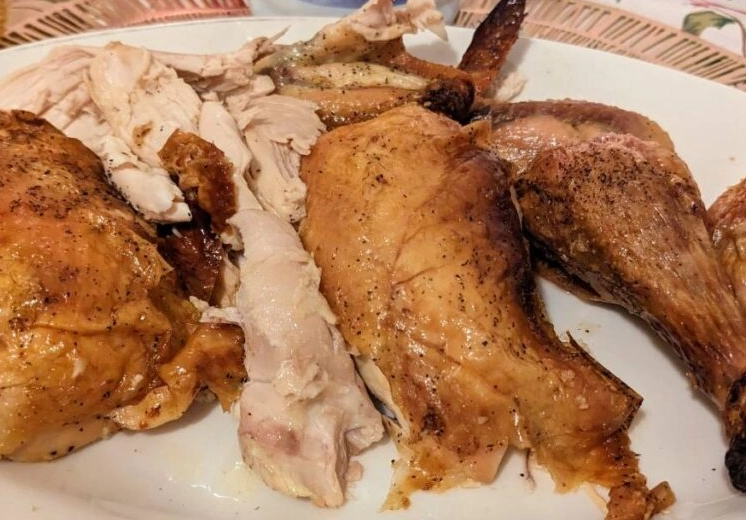
My take? Demonizing it isn't helpful. The skin contains both saturated and unsaturated fats. If you're roasting a whole chicken for a family, leaving the skin on during cooking helps keep the meat incredibly moist (you can remove it before eating). And honestly, having a piece of crispy skin once in a while as part of a balanced meal isn't a health crime. It's about the overall pattern, not one bite. But if you're strictly managing calories or fat intake, removing it is the most effective single step you can take.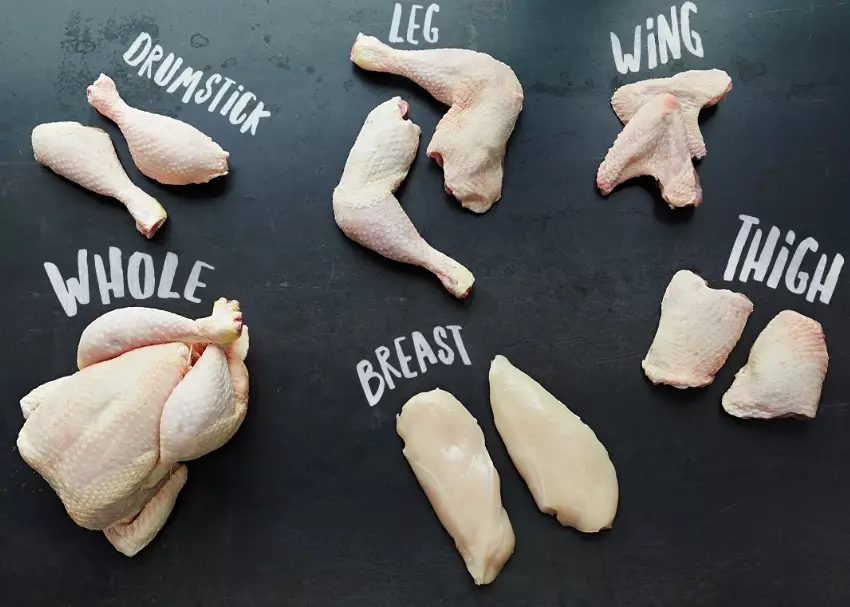
How Cooking Method Totally Changes the Game
You can pick the "healthiest" cut and ruin it with cooking, or elevate a simpler cut. This matters just as much as the choice of part.
- Grilling/Baking/Roasting: My favorites. They allow fat to render out (especially from thighs). Just go easy on heavy oil-based marinades. A spice rub works wonders.
- Poaching & Steaming: The ultimate low-fat methods, great for breast to keep it tender. The flavor can be subtle, so pair it with a great sauce or salsa.
- Stir-frying: Quick and healthy if you use a small amount of healthy oil (like avocado or sesame) and lots of veggies.
- Frying (Deep or Pan): This adds a significant amount of fat and calories from the oil. It turns any cut into a higher-calorie dish. A treat, not an everyday method.
- Slow Cooking: Amazing for tougher, flavorful cuts like thighs. It makes them fall-off-the-bone tender without needing added fat.
I learned this the hard way. I'd carefully weigh my 6 oz of chicken breast, then drown it in two tablespoons of sugary barbecue sauce and a glug of oil to pan-fry it. I was missing the point entirely! Now, I roast a batch of thighs with just salt, pepper, and paprika, and they're perfect.
Buying and Preparing for Maximum Health
Before the chicken even hits your pan, there are choices to make.
Decoding Labels: Organic, Free-Range, Pasture-Raised
This is a minefield. Organic (a USDA-regulated term) means the chickens were fed organic feed, no antibiotics, and had some outdoor access. Free-Range means they had some access to the outdoors. Pasture-Raised suggests they spent more time outdoors on pasture, which may lead to slightly higher omega-3 levels in the meat, but it's not a tightly regulated term.
Is it healthier? Potentially. Organic chicken may have a slightly lower risk of antibiotic-resistant bacteria and the meat might have a better fat profile. But from a pure protein/fat/calorie standpoint, the differences are minimal. The bigger impact is often ethical and environmental. I buy organic when my budget allows, but I don't stress if I can't.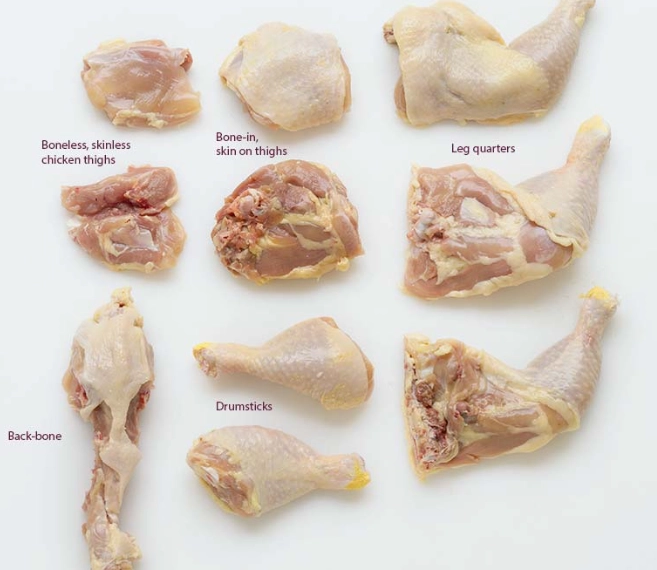
Simple Prep Wins
- Remove the Skin: The easiest way to slash fat and calories. Use a paper towel for a better grip.
- Trim Visible Fat: Little pockets of white fat on thighs or breasts? Just slice them off.
- Portion Control: A serving is about the size of your palm (3-4 oz cooked). It's easy to overeat even healthy foods.
- Marinate Smart: Use yogurt, lemon juice, vinegar, herbs, and spices instead of oily or sugary bottled marinades.
Your Questions, Answered (The Real Stuff People Google)
The Final Verdict: It's Context, Not Just a Cut
So, after all this, what is the healthiest part of chicken?
If we're crowning an objective champion based on macronutrients alone, skinless chicken breast takes the title for its unbeatable lean protein profile.
But the real-world answer is more satisfying: There isn't one single healthiest part. The healthiest choice is the one that aligns with your goals, tastes good to you, and is prepared in a healthy way.
- For weight loss, maximum leanness: Skinless Chicken Breast.
- For flavor, satiety, and extra iron/zinc: Skinless Chicken Thigh.
- For a balanced, sustainable diet: A mix of both, plus other protein sources.
The bottom line? Don't get paralyzed by the question. Whether you grab the breast or the thigh, you're choosing a fantastic, high-quality protein source. Remove the skin most of the time, cook it with smart methods, pair it with plenty of vegetables, and you really can't go wrong. Now, go make a decision you'll actually enjoy eating.
Related Articles