White vs Dark Chicken Meat: Nutrition, Cooking & Best Uses
If you've ever stared at a whole chicken or a pack of thighs and breasts, wondering which part to use and why, you're not alone. The white and dark meat debate is one of the oldest in the kitchen. Most people think it's just about fat and calories, but that's barely scratching the surface. The truth is, understanding these two types of meat is the key to unlocking flavor, nailing your meal prep, and never serving a dry chicken breast again. It's not about which one is "better"—it's about which one is right for the job.
What's Inside This Guide
- The Science Behind the Color and Texture
- Nutrition Breakdown: More Than Just Calories
- How to Cook Dark Meat Chicken Perfectly Every Time
- The Chef's Trick to Prevent Dry White Meat
- Best Uses: A Simple Decision Matrix
- What is the Best Way to Use Leftover White and Dark Meat?
- Your Burning Questions Answered
The Science Behind the Color and Texture
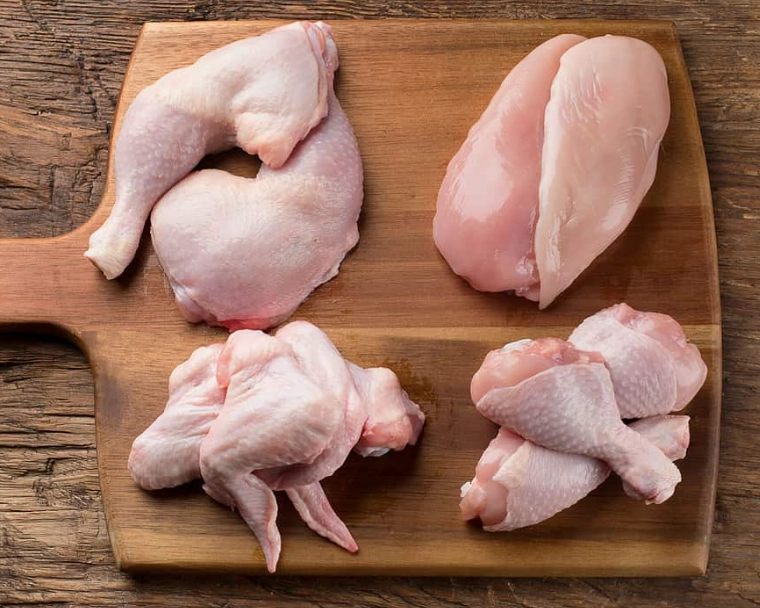
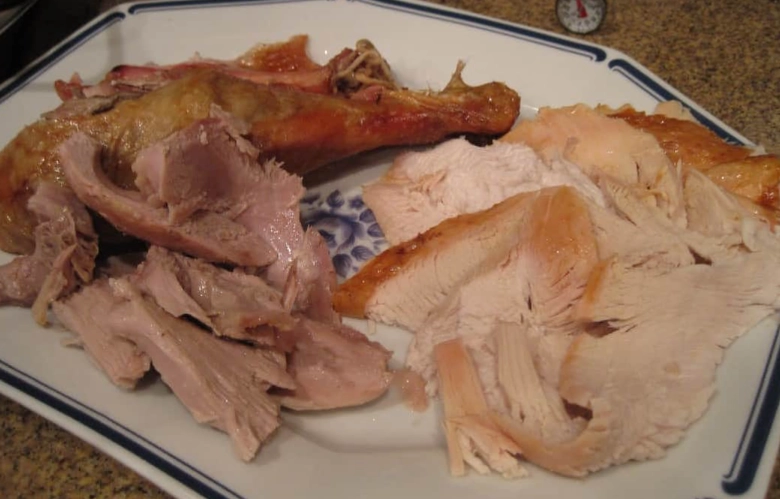
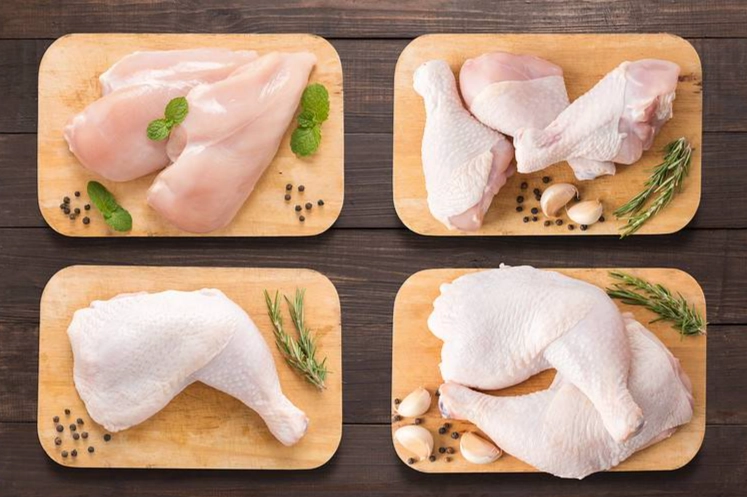
Let's get the basics out of the way. White meat comes from the breasts and wings—muscles the chicken uses for short bursts of activity. These fibers are fast-twitch and rely on a carbohydrate called glycogen for fuel. They have fewer blood capillaries, which is why the meat looks pale.
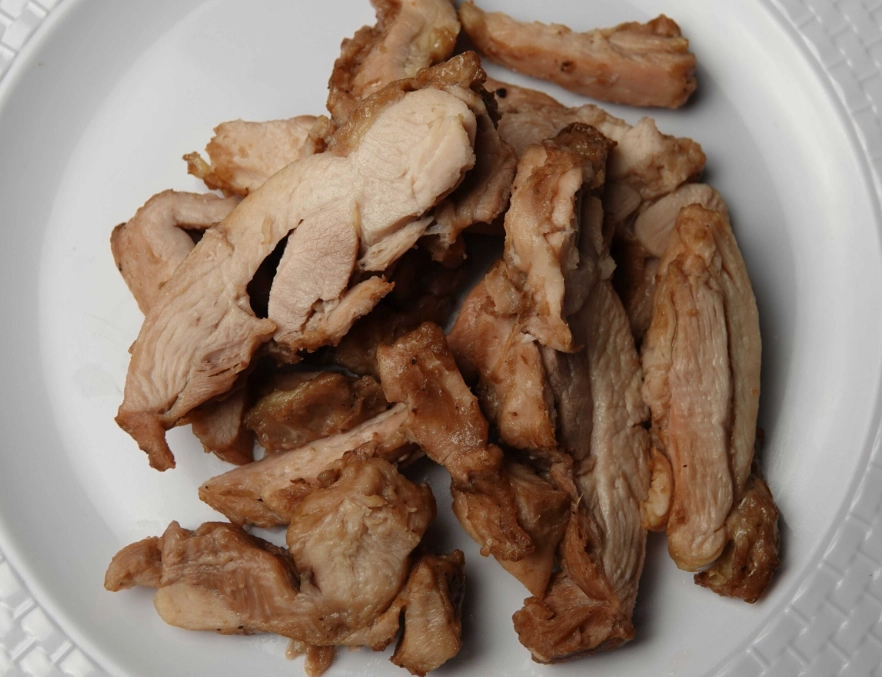
Dark meat comes from the legs and thighs. These are the workhorse muscles used for standing and walking all day. They're slow-twitch muscles, packed with a protein called myoglobin that stores oxygen. Myoglobin is dark red, giving the meat its richer hue. It also means these muscles have more fat and connective tissue.
That's why dark meat is inherently more forgiving. The extra fat and connective tissue melt during cooking, basting the meat from the inside. White meat, with almost no fat running through it, has no such safety net. Cook it a few minutes too long, and the proteins squeeze out all the moisture. Game over.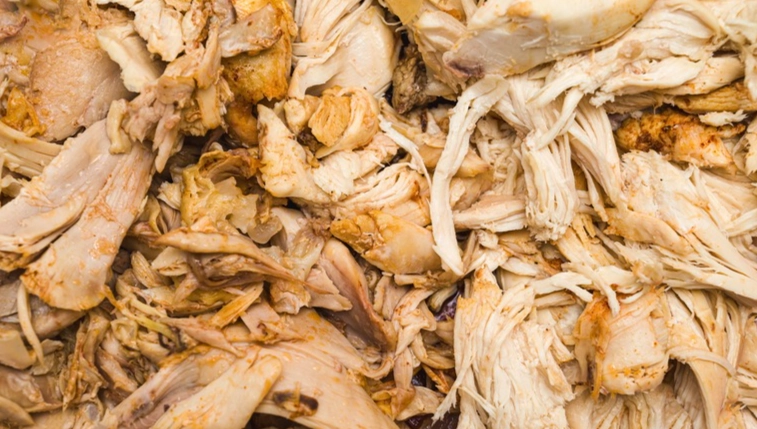
Quick Tip: You can actually see this difference in other poultry. Ducks and geese fly long distances, so their breast meat is dark too. Chicken breasts are white because, let's be honest, chickens aren't exactly marathon fliers.
Nutrition Breakdown: More Than Just Calories
Everyone knows dark meat has more fat. But focusing solely on that is a mistake. The nutritional profile tells a more complete story. Here’s a clear comparison for a 3-ounce (85g) cooked, skinless portion, based on data from the USDA FoodData Central.
| Nutrient | Chicken Breast (White) | Chicken Thigh (Dark) | Why It Matters |
|---|---|---|---|
| Calories | ~165 | ~210 | A modest difference, not a deal-breaker for most. |
| Protein | ~31g | ~26g | Both are excellent sources. Breast is slightly higher. |
| Total Fat | ~3.6g | ~10g | The big difference. But much of this is unsaturated fat. |
| Saturated Fat | ~1g | ~2.5g | Still a relatively low amount in the context of a balanced diet. |
Iron and Zinc: The Overlooked Minerals
This is where dark meat quietly wins. Because of its myoglobin content, dark meat is significantly richer in iron and zinc. A thigh can have nearly twice the iron of a breast. If you're someone who gets tired easily or is trying to boost immunity, choosing dark meat a few times a week is a smart, flavorful move. White meat is lean and high-protein, perfect for specific fitness goals. Dark meat offers a broader spectrum of nutrients. It's not worse; it's different.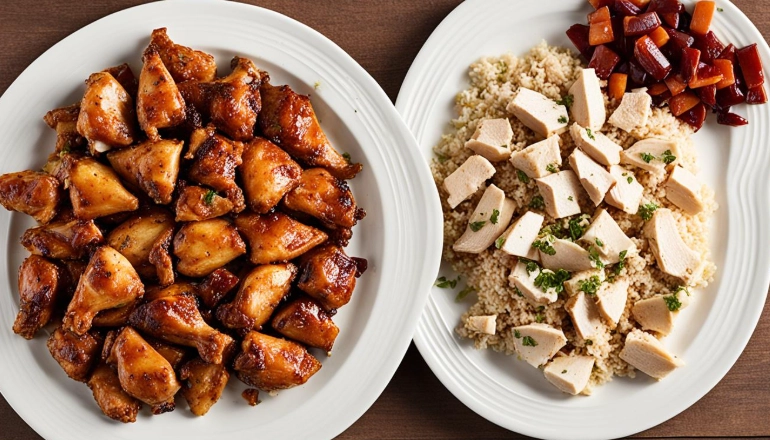
How to Cook Dark Meat Chicken Perfectly Every Time
The goal with dark meat is to render the fat and break down the connective tissue without drying it out. Low and slow is your friend, but so is high heat for crispy skin.
My go-to method for thighs (bone-in, skin-on): Pat them completely dry. Season aggressively under the skin. Start them skin-side down in a cold oven-safe skillet. Turn the heat to medium. This slowly renders the fat. Cook for 12-15 minutes until the skin is golden and crispy. Flip, then transfer the whole skillet to a 400°F (200°C) oven for another 15-18 minutes. The internal temp should hit 175-180°F (79-82°C). Yes, higher than the "safe" 165°F. That extra heat is what makes the thigh tender, not tough.
For stews, braises, and curries, dark meat is king. It holds its shape and texture through long cooking, absorbing flavors without becoming stringy. Try a classic Serious Eats chicken curry or a coq au vin. Using breast meat here is the most common mistake home cooks make—it turns to mush.
The Chef's Trick to Prevent Dry White Meat
The biggest mistake? Cooking white and dark meat to the same temperature. Breast meat needs precision. Pull it off the heat at 155-160°F (68-71°C), not 165°F. Carryover cooking will bring it up to a safe temperature while keeping it juicy.
The brine or dry brine is non-negotiable. Soaking breasts in a 6% saltwater solution (60g salt per liter of water) for 30-60 minutes, or even just salting them heavily an hour before cooking, changes everything. The salt helps the muscle fibers retain water. I never cook a breast without doing this.
For cooking, high heat for a short time works best. Sear in a hot pan or grill, then finish in a hot oven. Or, use the reverse-sear method for thick cuts: slow-roast at 275°F (135°C) until 150°F internal, then sear. It gives you a margin of error you don't have with direct high heat.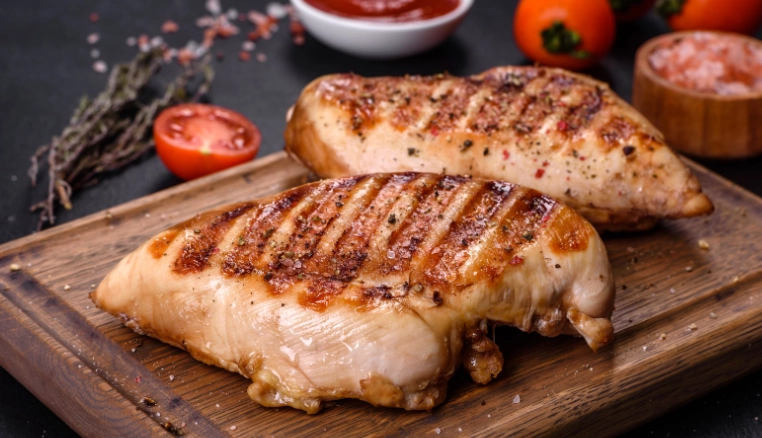
Best Uses: A Simple Decision Matrix
Stop guessing. Use this guide:
- Choose White Meat (Breast) when: You need lean, quick-cooking protein. Think salads, sandwiches, stir-fries where the chicken is sliced thin, or a simple grilled cutlet with a sauce. Texture should be tender and clean.
- Choose Dark Meat (Thighs/Legs) when: Flavor and forgiveness are the priority. Ideal for sheet-pan dinners, braises, soups, grilling (harder to dry out), and any dish with bold, complex sauces. The richer flavor stands up to spices.
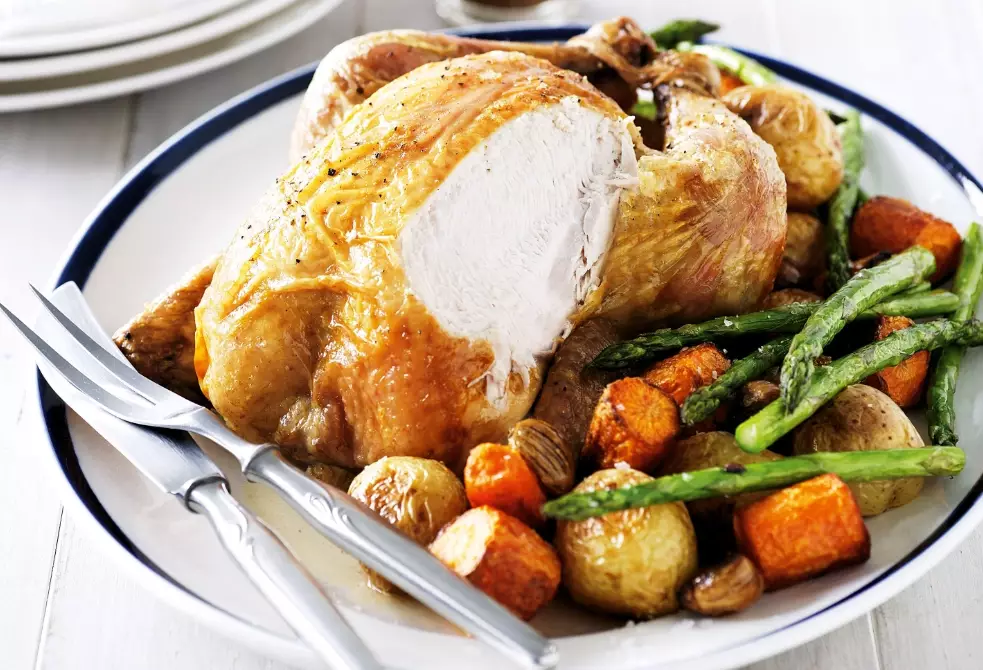
- The Hybrid Champion (Whole Chicken): Roasting a whole bird is the ultimate test. The dark meat cooks slower. The hack? Spatchcock it. Removing the backbone and flattening the chicken puts everything on the same plane, so the white and dark meat finish cooking more evenly. Crank the heat to 425°F (220°C) for crispy skin all over.
What is the Best Way to Use Leftover White and Dark Meat?
Leftovers reveal another key difference. Shredded dark meat from a roast is fantastic for tacos, pot pies, or chicken salad because it stays moist. Leftover white meat dries out when reheated. The fix? Chop it small and mix it into a creamy sauce (like for a pasta bake), or use it cold in a salad with a good, oily dressing. Never microwave leftover white meat on its own.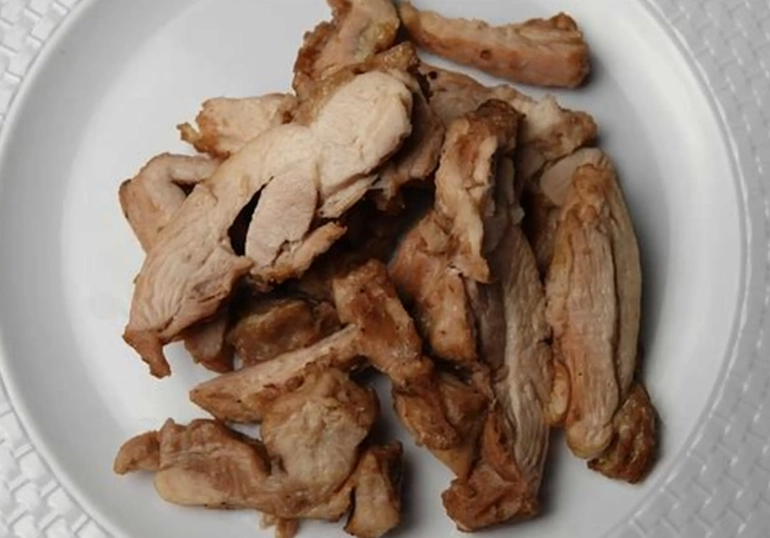
Your Burning Questions Answered
 Can I substitute chicken thighs for breasts in any recipe?
 Look, at the end of the day, the white versus dark meat choice isn't a test. It's a tool. Knowing why they're different lets you cook with confidence, waste less food, and actually enjoy what you're making. Keep a pack of thighs and a pack of breasts in your freezer. Your weeknight dinners just got a whole lot more interesting.
Related Articles