The Ultimate Guide to Perfect Roast Chicken and Vegetables Every Time
Let's be honest. The idea of a glorious, golden roast chicken surrounded by caramelized vegetables, all from a single pan, is a weeknight dinner fantasy. The reality? Often a sad, soggy mess with dry chicken and undercooked potatoes. I've been there. I've pulled out pans where the zucchini was mush, the chicken pale, and the carrots rock-hard. But after a decade of tweaking, testing, and yes, failing, I've cracked the code. This isn't just another recipe. It's a system for understanding why things work, so you can adapt and succeed every single time.
What's Inside This Guide
Perfect Roast Chicken and Vegetables: The Core Principles
Forget memorizing a single temperature and time. Success lies in managing two conflicting elements: moisture and heat. Vegetables need high, dry heat to caramelize, not steam. Chicken needs consistent heat to cook through while retaining juices.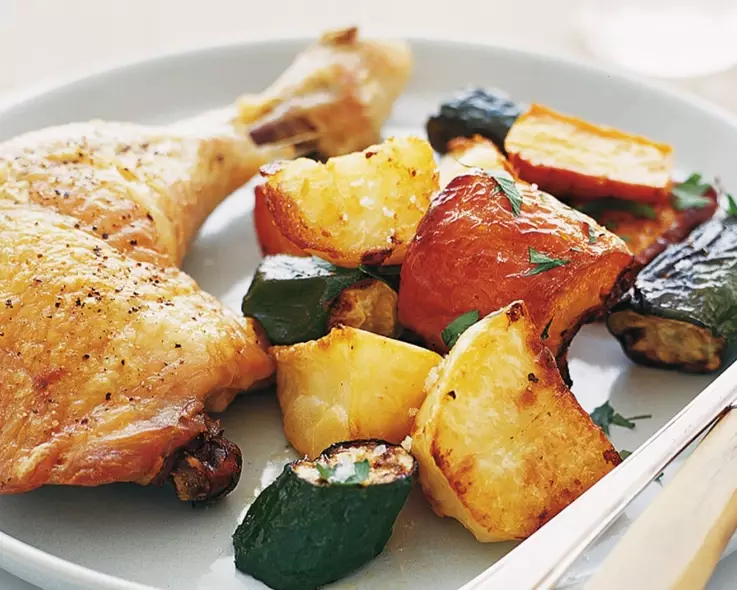
The single biggest mistake? Crowding the pan. When you pile everything on, vegetables sweat, creating steam. Steam is the enemy of crispness. You end up boiling your dinner in its own juices. Give everything room. Use a large, rimmed baking sheet or a roasting pan. If it looks a bit empty, you're on the right track.
Pro Insight: Most recipes tell you to preheat the oven. Try this instead: Pat your chicken dry, season it, and put it in a cold oven set to 425°F (220°C). As the oven heats, the chicken skin starts to render fat slowly, which often leads to crispier, more even skin than shocking it with high heat from the start. Add your hard vegetables (like potatoes) around the chicken at this point.
Choosing Your Vegetables: A Guide to Flavor and Texture
Not all vegetables roast at the same speed. Throwing broccoli and potatoes in together is a recipe for burnt broccoli. You need to think in terms of density and water content.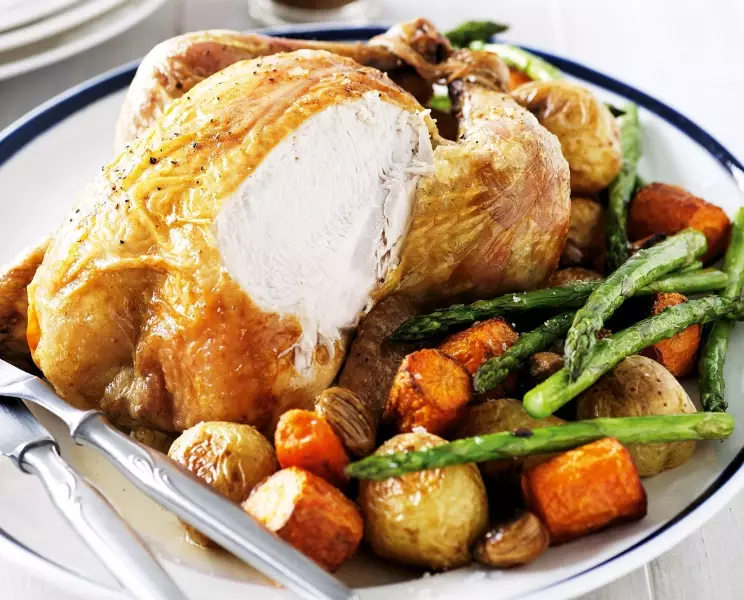
Here’s how I break it down:
- Hard Starters (40-50 min): Potatoes (any kind), sweet potatoes, carrots, parsnips, whole garlic cloves, onions (wedges). These can go in with the chicken from the beginning.
- Mid-Game Players (20-25 min): Brussels sprouts (halved), cauliflower/broccoli florets, bell peppers, fennel. Add these when you have about 25 minutes of cook time left.
- Finishing Touches (10-15 min): Asparagus, zucchini, cherry tomatoes, green beans. These just need a blast of heat to soften and char slightly. Toss them in at the very end.
A combo I love? Yukon gold potatoes and halved shallots with the chicken, adding broccoli halfway, and tossing a handful of cherry tomatoes in for the last 10 minutes. The tomatoes burst and create a little sauce.
Vegetable Roasting Time Quick Reference
| Vegetable | Prep | Approx. Roast Time at 425°F (220°C) | Best With... |
|---|---|---|---|
| Potatoes (diced) | 1-inch cubes | 40-50 minutes | Rosemary, garlic, paprika |
| Carrots | 2-inch sticks | 35-45 minutes | Thyme, honey, cumin |
| Broccoli/Cauliflower | Medium florets | 20-25 minutes | Lemon zest, red pepper flakes |
| Zucchini/Yellow Squash | 1-inch half-moons | 12-15 minutes | Oregano, parmesan (add last 5 min) |
| Asparagus | Trimmed spears | 10-12 minutes | Lemon juice, black pepper |
The Foolproof Step-by-Step Process
Let's walk through a typical Tuesday night dinner: a 4-pound chicken with potatoes and carrots, finishing with asparagus.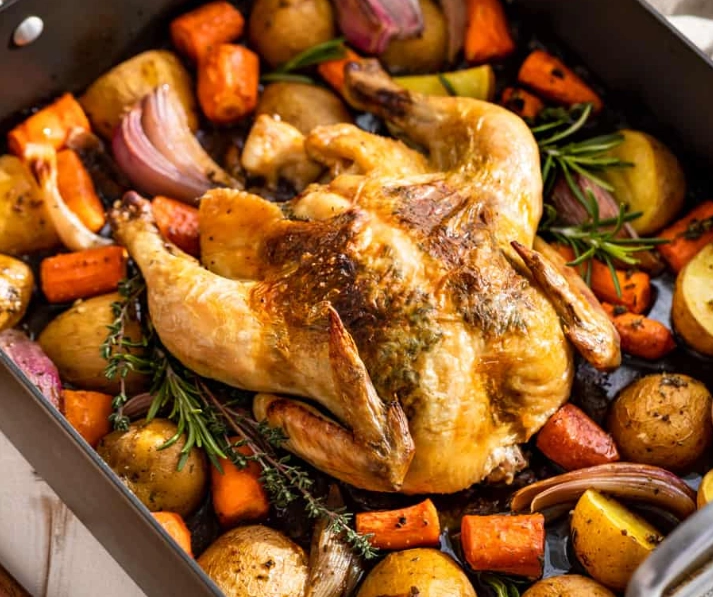
1. The Chicken Prep (5 minutes): Take the chicken out of the fridge 30 minutes early if you can. Pat it bone-dry, inside and out, with paper towels. This is non-negotiable for crispy skin. Drizzle with a little oil, then season aggressively with salt and pepper, getting under the skin on the breasts if possible. Place it breast-side up in the center of your large pan.
2. The Hard Veggies (5 minutes): Toss your chopped potatoes and carrots in a bowl with enough oil to coat, salt, pepper, and maybe some dried thyme. Scatter them around the chicken, leaving some space. Don't pile them up.
3. The Roast (Start): Place the pan in a cold oven. Set it to 425°F (220°C) and set a timer for 30 minutes. The oven and the food heat together.
4. The Mid-Roast Check (30 minutes in): The oven is now hot. The veggies should be starting to sizzle. Give them a stir. The chicken skin should be starting to color. Everything's on track.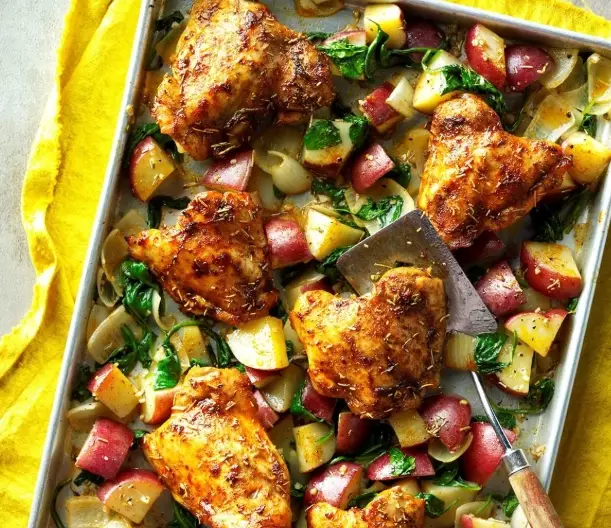
5. Adding the Next Act (15 minutes later): After about 45 minutes total, pull the pan out. Add your asparagus spears tossed in oil to the pan. This might feel crowded, but it's just for the final stretch. Use a spatula to move things around a bit.
6. The Finish Line (10-15 more minutes): Roast until the chicken's thickest part of the breast (not touching bone) reads 155-160°F (68-71°C) on a meat thermometer, and the asparagus is tender-crisp. The potatoes and carrots should be fork-tender and browned. Total time will be around 55-65 minutes.
7. The Most Important Step: Rest the chicken on a cutting board, tented loosely with foil, for 10-15 minutes. Leave the vegetables in the pan. The chicken juices redistribute, making it moist. The veggies stay hot.
Safety Note: The USDA recommends cooking poultry to a safe minimum internal temperature of 165°F (74°C). Pulling it at 160°F allows for carryover cooking to reach that temperature safely while preventing dryness. Always use a reliable thermometer like a Thermapen. It's the best investment for perfect protein.
Beyond Salt and Pepper: Seasoning Secrets That Matter
Salt is your foundation. Pepper adds heat. But the world opens up from there.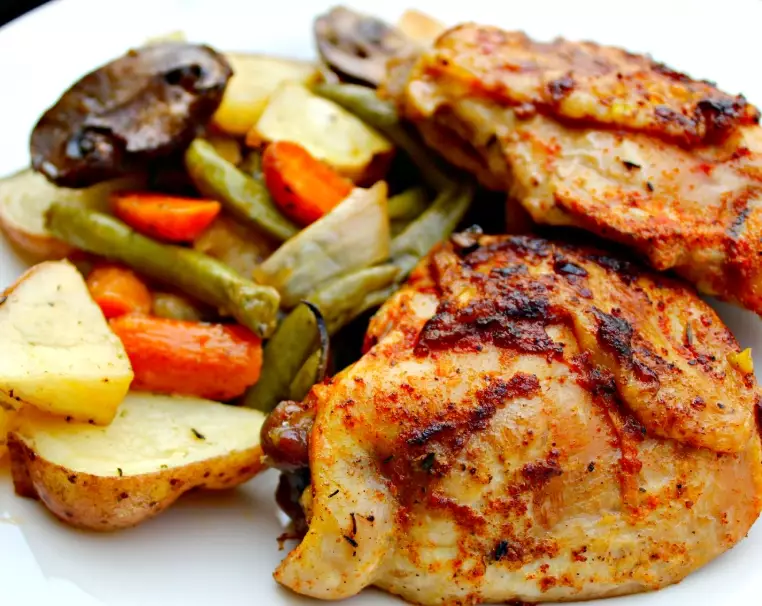
For a Mediterranean vibe, use smoked paprika, dried oregano, and lemon slices stuffed in the chicken cavity. For something warmer, try cumin, coriander, and a pinch of cinnamon on the vegetables. My personal favorite hack? Whisk a tablespoon of Dijon mustard into the oil before tossing the vegetables. It adds a subtle depth and helps the seasoning cling.
Fat matters too. Olive oil is classic. But for next-level vegetables, try duck fat or chicken schmaltz. The flavor is incredible. For a lighter option, avocado oil has a high smoke point and neutral taste.
Fresh herbs should almost always go on after roasting. Toss chopped parsley, dill, or basil with the hot vegetables. The residual heat wilts them perfectly without burning.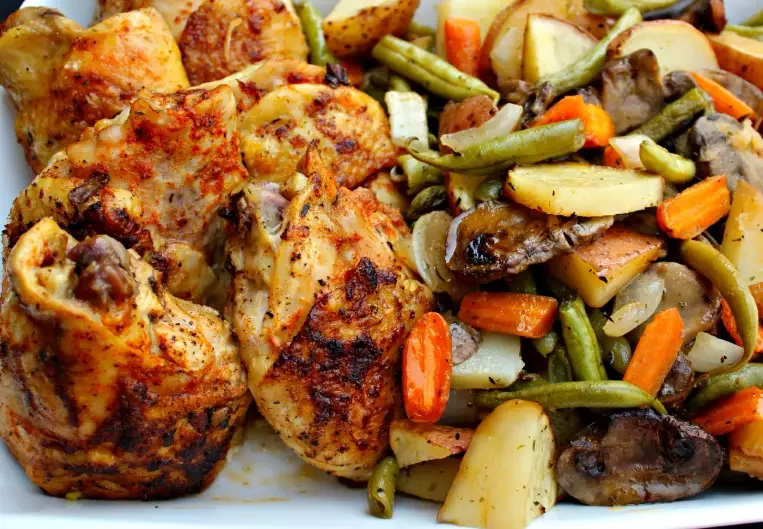
Your Roast Chicken and Vegetables Questions, Answered
The beauty of roast chicken and vegetables is its simplicity and versatility. It's a template, not a prison. Once you understand the principles of heat, space, and timing, you can adapt it to any season, any vegetable bin clean-out, and any flavor craving. It becomes less of a recipe and more of a reliable, delicious habit. So grab a big pan, give your ingredients some breathing room, and let the oven do its magic.
Related Articles