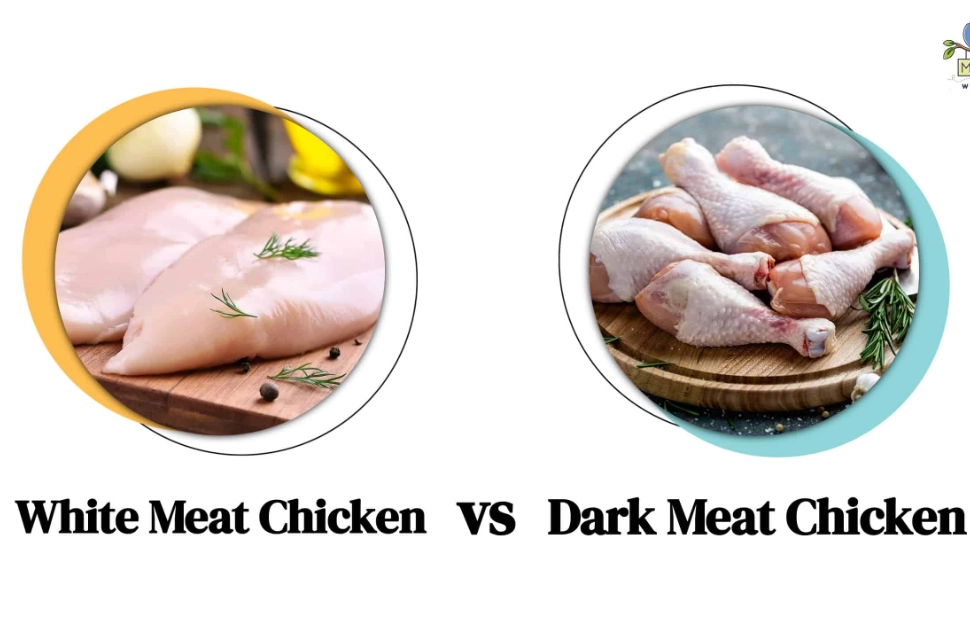
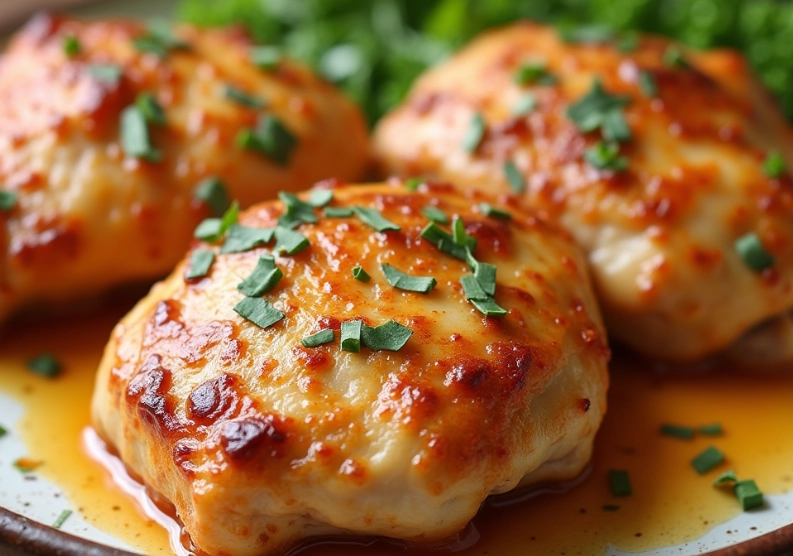
Boneless Skinless Chicken Thigh Calories: Nutrition Facts & Diet Tips
Let's cut straight to it. You're here because you want a straight answer about boneless skinless chicken thigh calories. Maybe you're tracking macros, planning a weekly meal prep, or just trying to make smarter choices at the grocery store. Good news: this cut is a fantastic, flavorful option that often gets overshadowed by its leaner cousin, the breast.
A typical 4-ounce (113g) raw serving of boneless, skinless chicken thigh contains roughly 170 to 200 calories. But that number isn't set in stone. It depends on the exact fat content (yes, even skinless thighs have some internal fat), and more importantly, how you cook it. The real story is in the protein—that same serving packs about 22 grams of it, making it a powerhouse for muscle building and satiety.
I've been cooking with and tracking chicken thighs for years, both personally and while helping others with their nutrition. The biggest mistake I see? People treating them like chicken breast and then wondering why their calorie math is off. They're different beasts, in the best way possible.
What's Inside
Nutrition Breakdown: More Than Just Calories
Focusing solely on the calorie number for boneless skinless chicken thigh is like judging a book by its cover. You miss the good stuff inside. The nutritional profile is where it shines.
At a Glance: 4 oz (113g) Raw Boneless, Skinless Chicken Thigh
- Calories: ~180 (This is an average; think 170-200 range)
- Protein: 22g - This is the star. High-quality, complete protein.
- Fat: 9g - Mostly monounsaturated and saturated. This is the "flavor and juiciness" fat.
- Carbohydrates: 0g
- Key Minerals: Iron, Zinc, Selenium, B Vitamins (especially B12 and Niacin).
That fat content is crucial. It's what keeps the meat moist during cooking, preventing the dryness that plagues overcooked chicken breast. A significant portion is monounsaturated fat—the same heart-healthy type found in olive oil. So while it's not as lean as breast, it's not a nutritional villain either.
The protein-to-calorie ratio is excellent. You're getting a substantial amount of satiating protein for the calories, which helps control hunger. This makes it a superb choice for anyone looking to manage weight while still enjoying their food.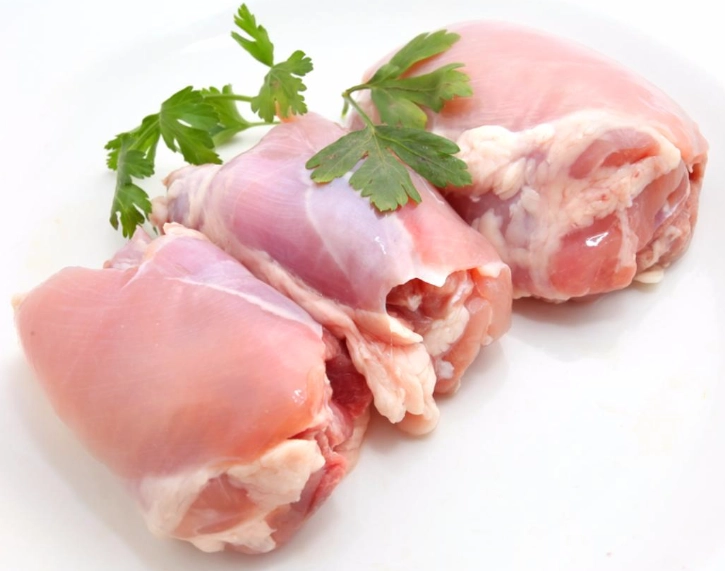
What Changes the Calorie Count?
The raw numbers from the USDA are a starting point. In your kitchen, three main factors swing the final calorie count of your meal.
1. Portion Size: The Biggest Variable
Packages at the store aren't uniform. One thigh might be 3.5 ounces, another 5.5 ounces. If you're not weighing, you're guessing. A "large" thigh can easily add 50-80 extra calories to your log without you realizing it.
My rule? Weigh raw. It's the most consistent method. A 4-ounce raw portion cooks down to about 3 ounces, losing water weight.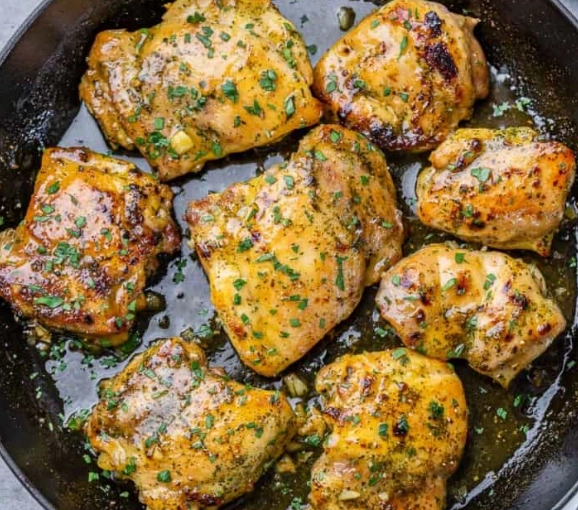
2. Cooking Method: Oil is the Hidden Culprit
This is where people get tripped up. The cooking method itself doesn't change the meat's inherent calories, but what you add does.
- Grilling/Baking: Minimal added fat. Calories stay closest to raw. If you brush with oil, account for it (1 tbsp olive oil = ~120 calories).
- Pan-Frying/Sautéing: This is the danger zone. It's easy to use a tablespoon or two of oil, adding 120-240 calories to the entire dish. Non-stick pans are your friend.
- Boiling/Poaching: Adds zero fat, but can leach some flavor. Good for soups where the broth is consumed.
- Air Frying: A great middle ground. Uses little to no oil while achieving a crispy texture.
3. Marinades, Sauces, and Seasonings
A simple dry rub of spices adds negligible calories. But a sugary teriyaki or honey-based marinade? That can tack on significant carbs and calories as it caramelizes. Cream-based sauces are even more dense. Always measure and log these additions separately.
Chicken Thigh vs. Breast vs. Wing: A Clear Comparison
Let's put the numbers side-by-side for a 4-ounce raw, skinless portion. Data is sourced from the USDA FoodData Central database.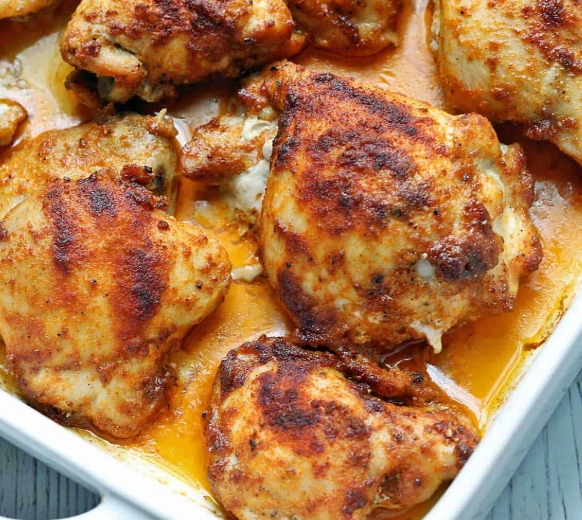
| Cut (4oz / 113g Raw, Skinless) | Calories | Protein | Fat | Best For... |
|---|---|---|---|---|
| Chicken Breast | ~120-130 | ~26g | ~1.5g | Maximum leanness, highest protein per calorie. |
| Chicken Thigh | ~170-200 | ~22g | ~9g | Flavor, juiciness, satiety. Better for meal prep. |
| Chicken Wing (meat only, approx.) | ~160-180 | ~22g | ~8g | Similar to thigh, but less meat per piece, more work to eat. |
The trade-off is clear. Breast wins on pure leanness. But the thigh offers more flavor and a more satisfying eating experience for a modest calorie increase. For many people, that satisfaction means they're less likely to snack later. The wing's nutrition is similar to thigh meat, but you're dealing with bones and cartilage, making it less convenient for a straightforward protein portion.
How to Fit Chicken Thighs Into Your Diet Plan
Thinking you can't have chicken thighs on a weight loss or muscle-building diet is a myth. It's about context and portion control.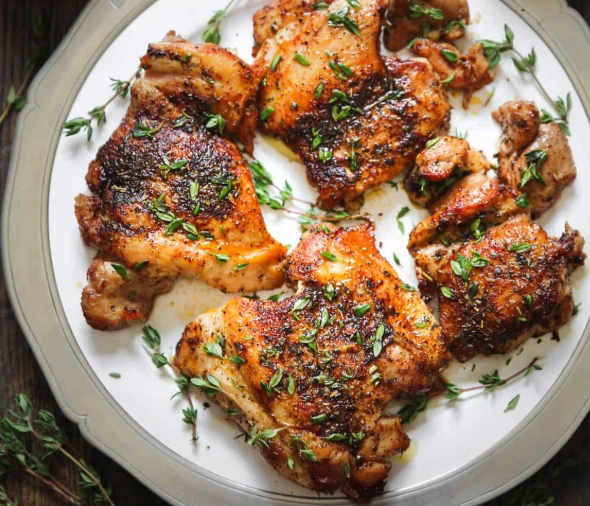
For a High-Protein, Calorie-Controlled Diet: Stick to a 4-6 ounce cooked portion. Pair it with a large volume of non-starchy vegetables (broccoli, peppers, zucchini) and a moderate portion of a complex carb like quinoa or sweet potato. The veggies fill you up, the protein satisfies, and the carbs give you energy.
For a Low-Carb or Keto Diet: Boneless skinless chicken thighs are a staple here. Their higher fat content fits the macros perfectly. Cook them in butter or avocado oil, and serve with avocado and a side salad dressed in olive oil.
For Meal Prep: Thighs are champions. Their higher fat content means they reheat much better than breasts, staying moist and tender. Bake a large batch with simple seasonings, divide into containers with roasted veggies and rice, and you have lunches for days that you'll actually enjoy.
Here's a simple, reliable meal prep idea: Toss thighs in smoked paprika, garlic powder, salt, and pepper. Bake at 400°F (200°C) for 20-25 minutes. Portion into 5 containers with 1 cup of steamed green beans and 1/2 cup of cooked brown rice. Each container will be roughly 350-400 calories, balanced, and tasty.
Common Calorie Counting Mistakes (And How to Avoid Them)
I've made these myself, and I've seen countless clients do the same.
Mistake 1: Logging "4oz chicken thigh" without specifying "raw" or "cooked." Apps and databases have entries for both, and they differ by about 25%. Always note which state you weighed it in. I now only log raw weight for consistency.
Mistake 2: Forgetting cooking oil. That tablespoon of olive oil you used to sauté the thighs and veggies? That's an extra 120 calories for the pan, which divides across your servings. It adds up fast.
Mistake 3: Assuming "skinless" means all fat is gone. There's still marbling within the thigh meat. The calorie range exists for a reason. Don't stress if your log says 180 calories and the package says 190 per serving—it's in the ballpark.
The fix for all of these is simple: use a kitchen scale and be meticulous for a week or two. It builds awareness. After that, you can eyeball portions more accurately because you've trained your eye.
Your Chicken Thigh Calorie Questions, Answered
Does cooking boneless skinless chicken thigh in an air fryer reduce its calories?
An air fryer doesn't magically remove calories from the food itself. The calorie count of the raw chicken thigh remains the same. However, air frying can significantly reduce the calories you *add* during cooking. Traditional pan-frying often requires a tablespoon or more of oil, adding about 120 calories. An air fryer uses little to no added fat, so the final dish's total calorie count is lower. It's about managing added fats, not altering the meat's inherent nutrition.
How can I accurately measure a 4-ounce serving of boneless skinless chicken thigh for calorie counting?
Eyeballing it is a common mistake. For accuracy, use a digital kitchen scale. Weigh the raw chicken before cooking. A 4-ounce (113g) raw portion will cook down to roughly 3 ounces. If you're prepping cooked chicken, weigh it after cooking and use a reliable database for "cooked, roasted chicken thigh" calories. Remember, if you used oil or a marinade with sugar, you must account for those added calories separately. The scale is your best friend for precise tracking.
Is it necessary to remove the skin from chicken thighs for a healthy diet, or is the fat beneficial?
This depends entirely on your dietary goals. The skin adds substantial saturated fat and calories—a skin-on thigh can have nearly double the calories of a skinless one. For strict calorie deficit or low-fat diets, remove it. However, the fat under the skin is where much of the flavor and juiciness comes from. If you're following a low-carb or ketogenic diet that prioritizes fat intake, leaving the skin on can be perfectly acceptable. Cook it until crispy to render out some fat. The key is to make an informed choice and track accordingly.
Are boneless skinless chicken thighs a good choice for meal prep compared to chicken breast?
They're an excellent, often superior choice. While breast is leaner, thighs hold up much better through refrigeration and reheating. Chicken breast tends to dry out and become rubbery after a few days. Thighs, with their slightly higher fat content, stay moist and flavorful. This makes them more satisfying and reduces the likelihood of getting bored with your meals. For practical, tasty meal prep that you'll actually look forward to eating, thighs frequently win out over breasts.
Related Articles