Perfect Roast Chicken Temperature: A Chef's Guide to Juicy Results
Let's cut to the chase: the perfect roast chicken temperature isn't a single number. It's a range, a technique, and a bit of science. After years of trial and error—including a few dry disasters—I've learned that hitting 165°F (74°C) for safety is just the start. For juicy, flavorful chicken, you need to play with temps, from 150°F to 425°F, depending on what you're after. This guide dives deep into why temperature matters more than time, how to measure it right, and the mistakes most home cooks make.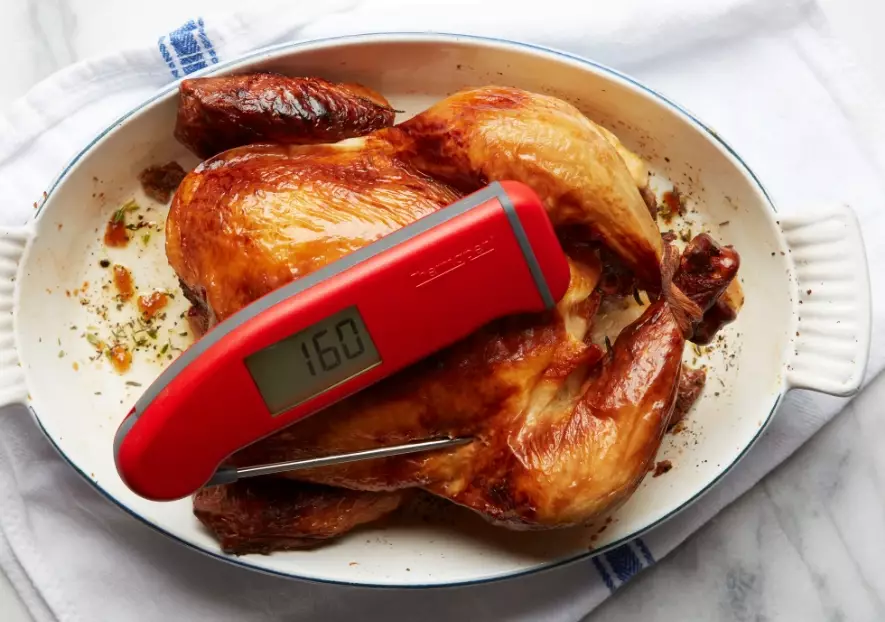
What You'll Learn in This Guide
Why Temperature Matters More Than Time
Recipes often say "roast for 1.5 hours," but that's a guess. Your oven, chicken size, and even altitude change everything. Temperature is the only reliable guide. Here's why.
Food Safety Basics
The USDA says chicken must reach 165°F internally to kill salmonella and other pathogens. That's non-negotiable for safety. But here's the kicker: chicken continues cooking after you take it out of the oven. So if you pull it at 165°F, it'll overshoot to 170°F or more, leading to dry meat. I learned this the hard way when my "perfectly cooked" chicken turned out stringy.
The Maillard Reaction and Crispy Skin
High heat—around 425°F (220°C)—triggers the Maillard reaction, browning the skin and creating complex flavors. Low heat, say 350°F (175°C), cooks the meat gently without burning. Most recipes blend both: start high for crispiness, then lower for even cooking. It's not just about doneness; it's about texture and taste.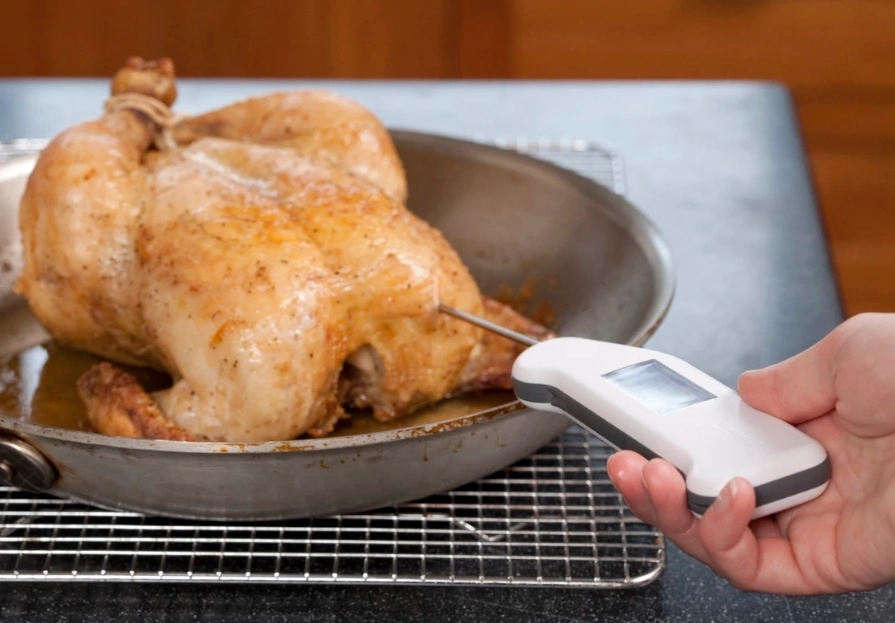
Pro Tip: Don't rely on time alone. I once followed a recipe that said "roast for 20 minutes per pound," and my chicken was raw in the middle. A thermometer saved dinner that night.
The Gold Standard: Recommended Temperatures for Every Cut
Different parts cook differently. Breast meat dries out fast, while thighs can handle more heat. Use this table as a cheat sheet.
| Chicken Cut | Oven Temperature | Target Internal Temp (Pull from Oven) | Notes |
|---|---|---|---|
| Whole Chicken (3-4 lbs) | 425°F then 350°F | 150-155°F in thigh | Start high for 20 mins, then reduce. Rest to reach 165°F. |
| Chicken Breasts (bone-in) | 375°F | 155°F | Brining helps retain moisture. Overcooks easily. |
| Chicken Thighs (bone-in) | 400°F | 165-170°F | More fat, so higher temp is okay for crispiness. |
| Chicken Legs | 375°F | 160°F | Cook until juices run clear, but verify with thermometer. |
| Spatchcocked Chicken | 450°F | 150°F in breast | Flattened bird cooks faster and evenly. My go-to method. |
Notice how whole chicken has a lower pull temp? That's because resting—letting it sit for 15-20 minutes—allows carryover cooking. The internal temperature rises by 5-10 degrees. If you wait until 165°F in the oven, it'll be overdone. This subtlety is often missed in beginner guides.
How to Use a Meat Thermometer Like a Pro
Buying a thermometer isn't enough; you need to use it right. I recommend an instant-read digital one, like the ThermoPop or Lavatools Javelin. Analog ones can be off by 10 degrees.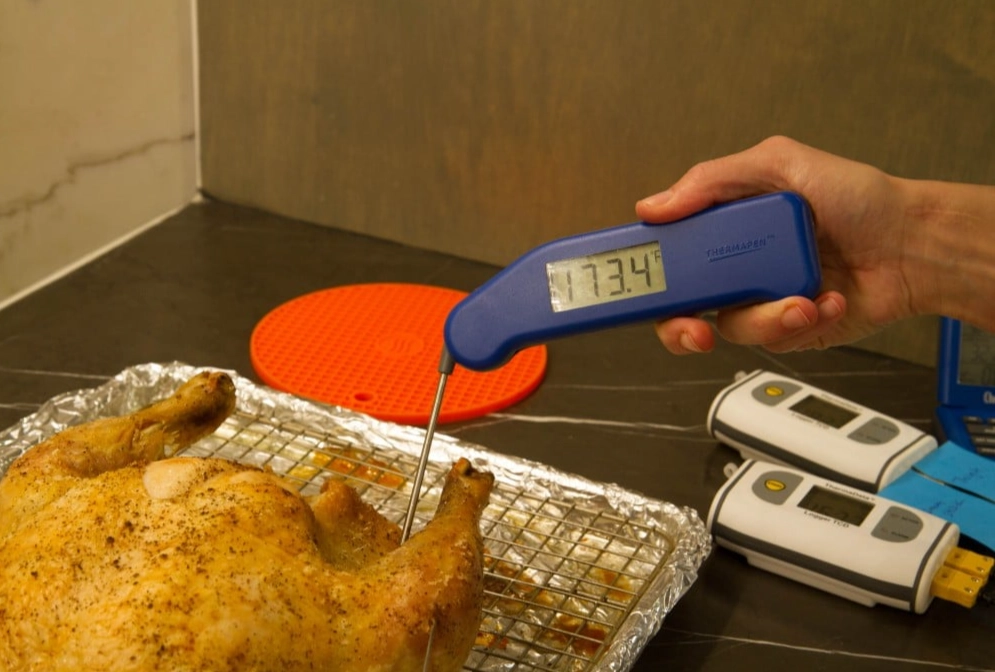
Here's my routine: Insert the probe into the thickest part of the meat, avoiding bone or fat. For a whole chicken, check both the breast and thigh. The thigh should be slightly higher—around 155°F—because it's darker meat. If you hit bone, you'll get a false reading. I've done that; it showed 170°F when the meat was still pink.
Calibrate your thermometer yearly by testing in ice water (32°F) or boiling water (212°F at sea level). Mine drifted once, and I ended up serving undercooked chicken. Not fun.
Common Roast Chicken Mistakes and How to Fix Them
Everyone makes errors, but learning from them turns you into a better cook. Here are the big ones I've seen.
- Mistake 1: Cooking to 165°F in the oven. As said, this leads to dry chicken. Pull it earlier and let rest. The carryover heat does the work.
- Mistake 2: Not brining or dry-brining. Brining—soaking in saltwater—adds moisture and flavor. Dry-brining (rubbing with salt and leaving uncovered in the fridge) crisps the skin. Skip it, and your chicken tastes bland. I tried skipping once; never again.
- Mistake 3: Roasting cold chicken. Take the chicken out of the fridge 30 minutes before cooking. Cold meat cooks unevenly. I forgot this step, and the center was raw while the outside was done.
- Mistake 4: Crowding the pan. Use a roasting rack or spread pieces out. Steam from crowded chicken makes skin soggy. Happened to me during a big family dinner—the skin was limp.
Fix these, and you're 80% there. The other 20% is practice and trusting your thermometer.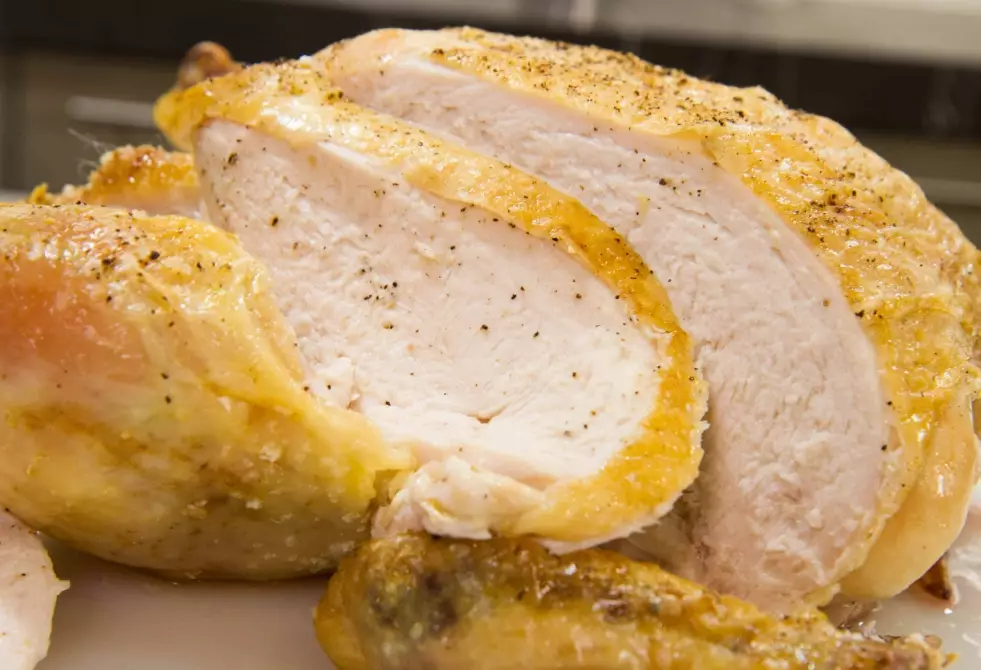
A Step-by-Step Guide to Perfect Roast Chicken
Let's walk through a scenario: you're hosting friends and want a show-stopping roast chicken. Here's how I'd do it.
Step 1: Prep the chicken. Get a 4-pound whole chicken. Pat it dry with paper towels—this is crucial for crispy skin. Dry-brine by rubbing 1 tablespoon of salt all over, including under the skin. Place it on a rack in the fridge, uncovered, for 4-24 hours. Overnight is best.
Step 2: Season and truss. Take it out 30 minutes before cooking. Stuff the cavity with herbs like rosemary and thyme. Truss the legs with kitchen twine; this helps cook evenly. I used to skip trussing, and the legs splayed out, cooking faster than the breast.
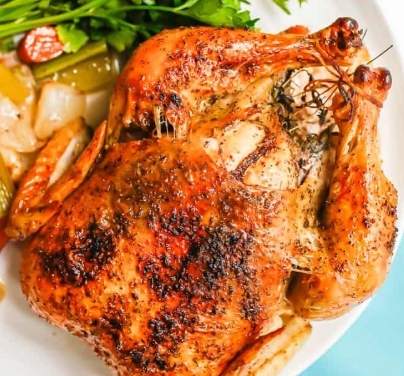
Step 3: Roast with temperature control. Preheat oven to 425°F. Place chicken on a rack in a roasting pan. Roast for 20 minutes to brown the skin. Then, reduce heat to 350°F. Roast until the internal temperature in the thigh hits 155°F. For a 4-pound chicken, this takes about 45-60 minutes more. Use your thermometer!
Step 4: Rest and carve. Transfer chicken to a cutting board, tent loosely with foil, and rest for 15-20 minutes. The temp will rise to 165°F. Carve and serve. Resting redistributes juices; cutting too early lets them run out. I've made that mistake—juice all over the board, dry meat on the plate.
This method yields juicy meat and crispy skin every time. Adjust temps slightly for your oven; some run hot or cold.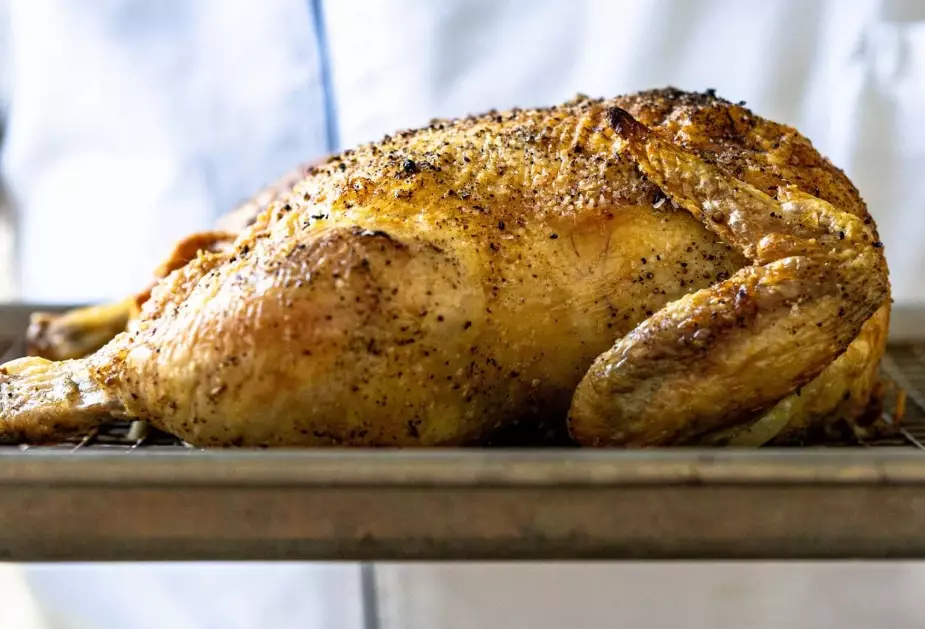
Your Roast Chicken Questions Answered
Roast chicken temperature isn't rocket science, but it demands attention. Start with these tips, trust your thermometer, and don't fear a little experimentation. Your next chicken will be the best yet.
Related Articles