Perfect Whole Chicken Baking Time & Juicy Results Guide
Let's be honest, the question "how long do you bake a whole chicken?" is usually followed by a wave of anxiety. You picture a dry, stringy bird, a disappointed family, and a whole lot of wasted effort. I've been there. My first attempt years ago was a certified disaster – overcooked breast, undercooked thigh, skin like rubber. Not good.
Quick Navigation
- Before You Even Turn On the Oven: The Foundation
- The Main Event: Baking Time and Temperature
- How to Know When It's Actually Done (Stop Guessing!)
- The Non-Negotiable Final Step: Resting
- Common Problems and How to Fix Them
- Your Whole Chicken Baking FAQs Answered
- Putting It All Together: A Sample Game Plan
But here's the thing: baking (or roasting, we'll use them interchangeably here) a whole chicken is actually one of the most forgiving and rewarding things you can do in the kitchen. It's a fantastic skill that leads to a gorgeous centerpiece meal, incredible leftovers for soups and salads, and a sense of accomplishment that's hard to beat. The key isn't just memorizing a single magic number. It's understanding the why behind the process.
So, forget the one-size-fits-all answer. We're going to dive deep into everything that affects your cook time, from the weight of your bird to the quirks of your own oven. By the end of this, you'll know exactly how long do you bake a whole chicken for your specific situation, and more importantly, why that time works.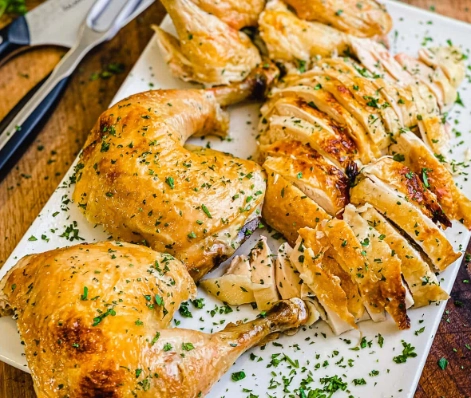
Before You Even Turn On the Oven: The Foundation
Jumping straight to cooking time is like building a house without a foundation. These pre-bake steps are non-negotiable for a great result. They directly influence moisture, flavor, and yes, even how long the chicken needs in the heat.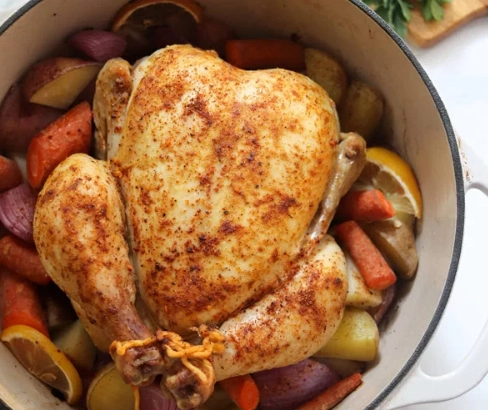
Choosing and Prepping Your Bird
Not all chickens are created equal. A 3-pound fryer and a 7-pound roaster are different beasts.
First, pat that chicken bone-dry with paper towels. I mean, really get in there. Moist skin steams; dry skin roasts and crisps. This is the single best tip for crispy skin, hands down. Next, check the cavity. Sometimes there's a bag of giblets in there. You don't want to bake that. For flavor, I'm a big fan of stuffing the cavity with aromatics – a halved lemon, a whole head of garlic cut in half, a handful of herbs like thyme and rosemary. They don't really cook through, but they perfume the meat from the inside out beautifully.
Trussing (tying the legs together) is optional but helpful. It makes for a prettier, more compact bird that cooks more evenly. If you don't have kitchen twine, tucking the wingtips underneath the body helps a lot too.
The Great Debate: To Brine or Not to Brine?
This is a game-changer. Brining is simply soaking the chicken in a saltwater solution (often with sugar and herbs). The salt changes the protein structure, allowing the meat to retain more moisture during cooking. The result? Incredibly juicy meat, even if you accidentally overcook it a bit.
If you don't have time for a wet brine, a dry brine works wonders too. Just generously salt the chicken (inside and out) and let it sit uncovered in the fridge for a few hours or overnight. The salt draws out moisture, which then dissolves the salt and gets reabsorbed, seasoning the meat deeply and helping the skin dry out for better crisping.
Seasoning is your friend. Don't be shy with salt and pepper. Get under the skin on the breasts if you can – just gently slide your fingers between the skin and meat to create a pocket. Rubbing herb butter or olive oil in there makes the breast meat supremely flavorful.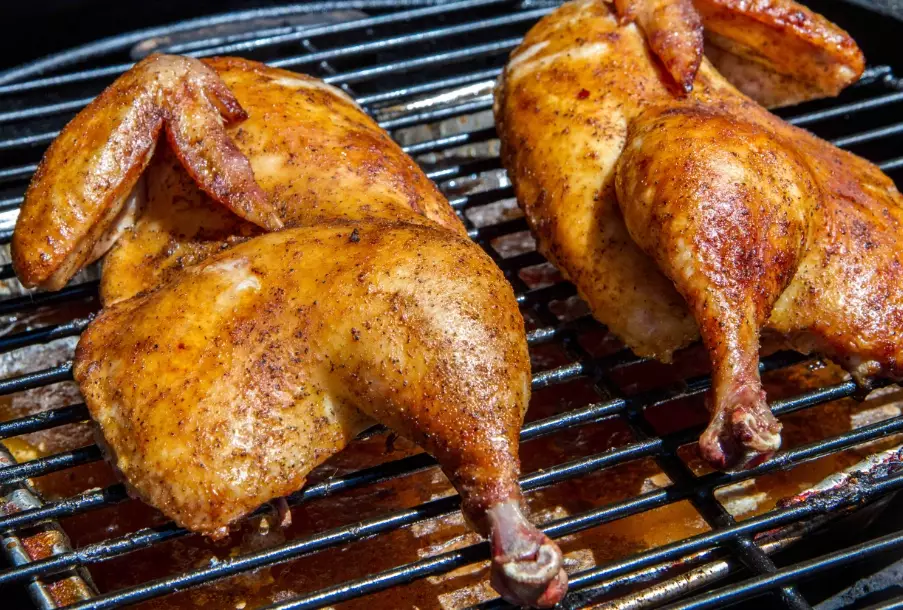
The Main Event: Baking Time and Temperature
Okay, here's what you came for. The answer to "how long do you bake a whole chicken" depends almost entirely on two things: the oven temperature and the weight of the bird.
The classic, most reliable method is a moderate oven, around 375°F to 400°F (190°C to 205°C). This range is high enough to crisp the skin but gentle enough to cook the meat through without drying out the breast before the thighs are done. It's the sweet spot.
The Standard Baking Time Chart
This table is your starting point. Remember, all ovens vary, and a stuffed or brined chicken might take slightly longer. Always use a meat thermometer for the final verdict (more on that next).
| Chicken Weight (lbs) | Approximate Baking Time at 375°F (190°C) | Approximate Baking Time at 400°F (205°C) |
|---|---|---|
| 3 lbs | 1 hour – 1 hour 15 minutes | 50 minutes – 1 hour 5 minutes |
| 4 lbs | 1 hour 15 minutes – 1 hour 30 minutes | 1 hour 5 minutes – 1 hour 20 minutes |
| 5 lbs | 1 hour 30 minutes – 1 hour 45 minutes | 1 hour 20 minutes – 1 hour 35 minutes |
| 6 lbs | 1 hour 45 minutes – 2 hours | 1 hour 35 minutes – 1 hour 50 minutes |
| 7 lbs | 2 hours – 2 hours 15 minutes | 1 hour 50 minutes – 2 hours 5 minutes |
See how the weight makes a huge difference? A 7-pounder needs almost twice as long as a 3-pounder. This is why asking "how long do you bake a whole chicken" without knowing the weight is pointless.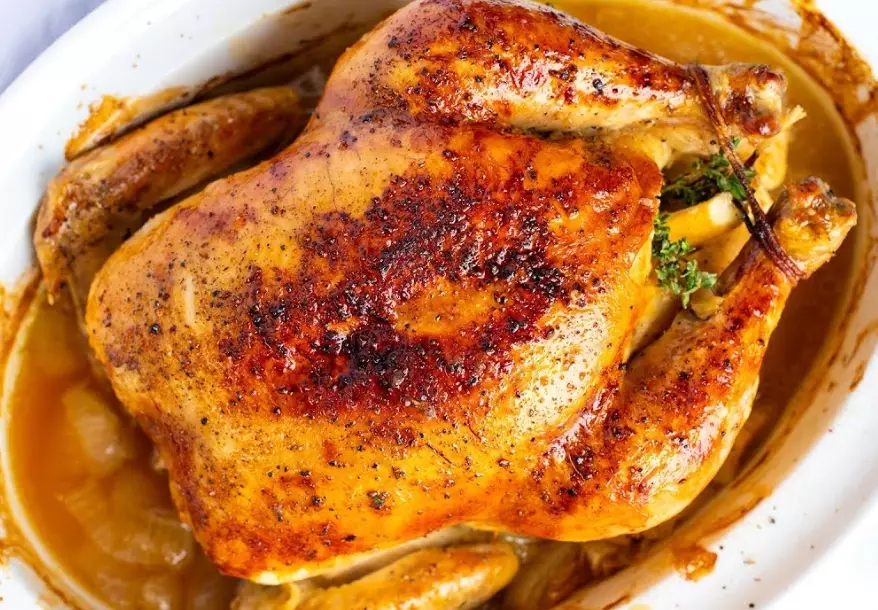
The High Heat Blitz Method
Some swear by blasting the chicken at 450°F (230°C) or even 500°F (260°C) for a shorter time to get super crispy skin. It works, but you have to watch it like a hawk to prevent burning. For a 4 lb chicken, this might be 45-55 minutes. Personally, I find it a bit stressful and the margin for error is smaller. The skin can blacken before the inside is fully cooked. If you try it, maybe do a lower temp like 425°F (220°C) as a compromise for better control.
The Low & Slow Alternative
On the other end, you can cook a chicken low and slow, say at 300°F (150°C) for several hours. The meat becomes absurdly tender and almost falls off the bone. The downside? The skin will be pale, flabby, and utterly unappealing. To fix that, you'd need to blast it under a broiler or crank the oven to high for the last 10-15 minutes. It's a more involved process, great for pulled chicken, but not the simple weeknight roast most people are after.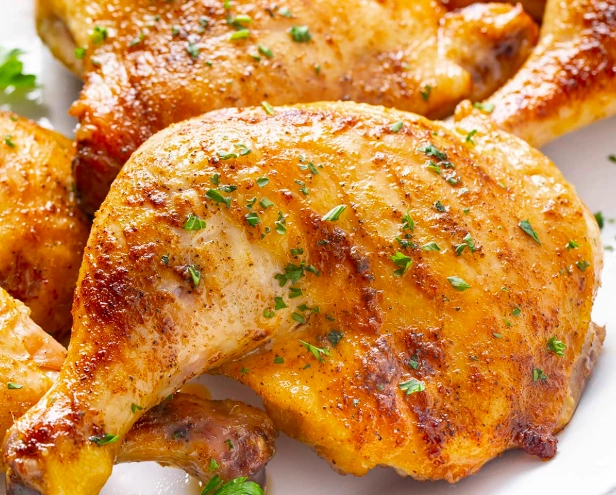
How to Know When It's Actually Done (Stop Guessing!)
This is the most important section in this entire guide. Do not rely on time alone. Do not rely on the color of the juices. Do not rely on wiggling the leg (though a loose leg is a good sign).
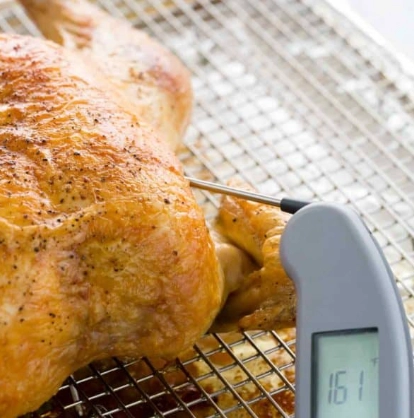
Use an instant-read meat thermometer. It is the only way to know for sure. They are inexpensive and will save you from foodborne illness and dried-out chicken forever. It's the best kitchen investment you can make.
According to the U.S. Department of Agriculture (USDA), all poultry should be cooked to a minimum safe internal temperature of 165°F (74°C). Insert the thermometer into the thickest part of the thigh, making sure not to touch the bone, as that can give a false high reading. Also check the thickest part of the breast.
The Non-Negotiable Final Step: Resting
I know, you want to carve into that beautiful bird immediately. Resist the urge!
When you take the chicken out of the oven, the juices are racing around wildly from the heat. If you cut it open, all those precious juices will flood out onto your cutting board, leaving the meat dry. Letting it rest for 15-20 minutes under a loose tent of foil allows those juices to redistribute and be reabsorbed throughout the meat. It makes a massive difference in juiciness. The chicken will also be easier to carve.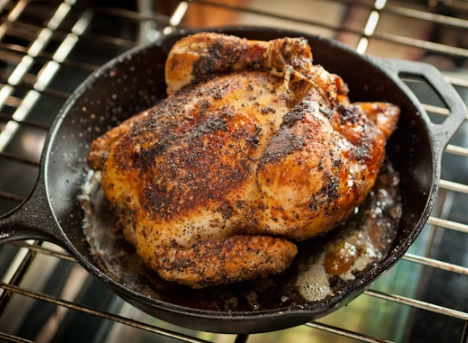
Common Problems and How to Fix Them
Even with a guide, things can go sideways. Here's a quick troubleshooting list based on my own (many) mistakes.
- Dry Breast Meat: This is the classic issue. Causes: Overcooking (didn't use a thermometer), cooking breast-side up the whole time at too high a heat, or not brining. Fix for next time: Try roasting breast-side down for the first half of cooking to protect it, then flip. Or, use the lower end of the temperature range (375°F). A brine is your best insurance policy.
- Soggy, Pale Skin: The chicken wasn't dry enough before going in the oven. Or, you basted it too much with watery juices. Basting with butter or fat is fine, but don't overdo it. Fix: Pat dry thoroughly. For extra crisp, you can even leave the uncovered, salted chicken in the fridge overnight to air-dry the skin further (dry brine effect).
- Undercooked Near the Bone: The time was up, the skin was golden, but the meat close to the bone is still pink. This happens, especially with larger birds. Fix: This is why the thermometer is key. If you discover this after carving, you can microwave the specific undercooked pieces for 60-90 seconds until they reach temp. Not ideal, but it saves the meal.
- Burnt Skin/Herbs: Oven too hot, or the chicken was too close to the top element. Fix: Roast in the middle of the oven. If using fresh herbs on the outside, they will burn at high heat. Put them under the skin or in the cavity instead.
Your Whole Chicken Baking FAQs Answered
Putting It All Together: A Sample Game Plan
Let's walk through a real-world example for a 4.5 lb chicken.
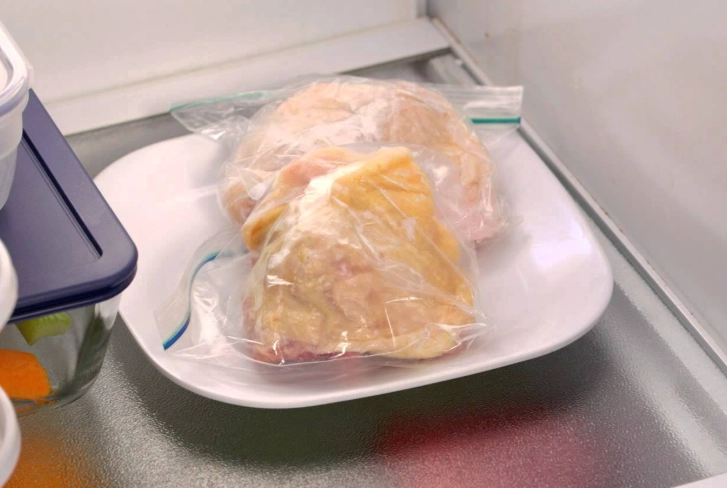
- The Night Before (or Morning Of): Unwrap chicken, remove giblets, pat very dry. Season generously inside and out with salt and pepper. Optionally, slide some herb butter under the breast skin. Place on a plate in the fridge, uncovered.
- 2 Hours Before Baking: Take chicken out of fridge. Let it sit on the counter to take the chill off (this promotes more even cooking). Preheat oven to 375°F (190°C). Stuff cavity with lemon and herbs if desired. Truss legs with twine or tuck wingtips.
- Bake: Place chicken breast-side up on a rack in a roasting pan. Roast in the center of the oven. Set timer for 1 hour.
- Check and Rotate: After an hour, check color. If browning unevenly, rotate the pan. Start checking temperature with your thermometer at the 1 hour 10 minute mark.
- Determine Doneness: When the thigh reads 165°F+ and the breast is at least 155°F, it's done. For our 4.5 lb bird, this will likely be around 1 hour 20 to 1 hour 30 minutes total. That's your specific answer to how long do you bake a whole chicken of that size.
- Rest: Transfer chicken to a cutting board, tent loosely with foil, and let it rest for a full 20 minutes.
- Carve and Serve: Use a sharp knife. Remove the legs and wings first, then slice the breast meat against the grain.
So, the next time you or someone else asks, "how long do you bake a whole chicken?", you'll know the real answer is: it depends, but here's exactly how to figure it out. It's not about a single number. It's about the weight, the temperature, and most crucially, trusting the thermometer. Get those right, and you'll have a perfectly juicy, flavorful, and impressive roast chicken every single time. Now go preheat that oven.
Related Articles