Chicken Wingettes Calories: The Complete Guide to Calories in Wings
In This Deep Dive
Let's cut straight to the chase, because that's probably why you're here. You're staring at a plate of crispy, saucy chicken wingettes, or maybe you're about to order some, and that little voice in your head pops up: "Wait, how bad is this, really?" I've been there. You want the straight facts on chicken wingettes calories without the fluff.
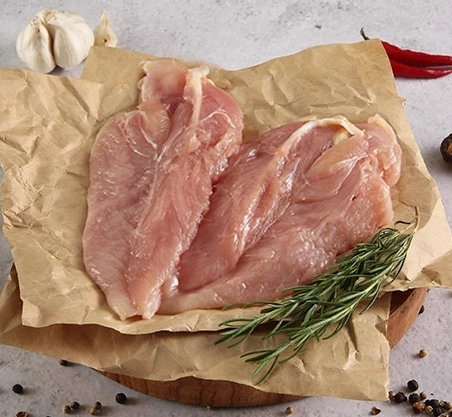
The short, frustrating answer is: it depends. A lot. A plain, raw chicken wingette (that's the middle segment, the one that looks like a mini-drumstick) has about 43-55 calories. But who eats plain, raw chicken wings? Nobody. That number is almost useless once you start cooking and saucing. The real story—the one that matters for your diet or just your curiosity—unfolds in the kitchen. The cooking method and, especially, the sauce can double, triple, or even quadruple that starting point. Fried wings drenched in a buttery sauce are a completely different nutritional beast compared to some baked wings with a light dry rub.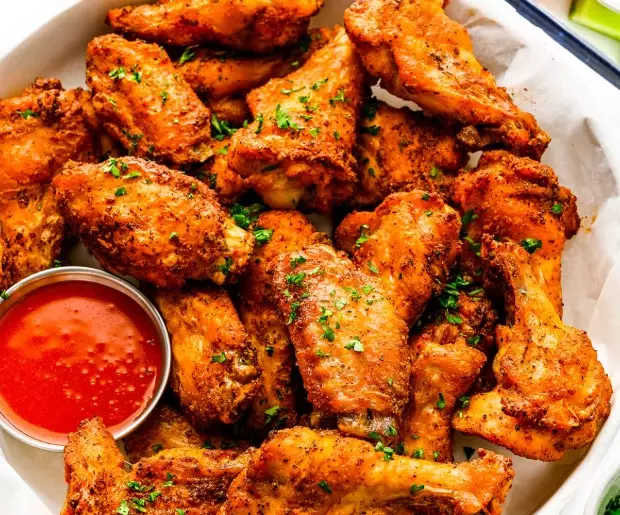
Quick Reality Check: If you're tracking your intake, you cannot just google "chicken wingette calories" and use the first number you see. You have to account for the oil it's cooked in and every last drop of sauce. A single tablespoon of a standard buffalo sauce can add 50-70 calories. That adds up fast when you're eating a dozen.
I remember trying to log "6 baked chicken wings" into an app once and being shocked at the wildly different calorie entries. One source said 300, another said 500. That confusion is what we're going to clear up right now. We'll break it down method by method, sauce by sauce, and even compare it to other chicken parts so you can make an informed choice.
What Exactly Are We Talking About? Defining the Wingette
First, let's make sure we're all picturing the same thing. A whole chicken wing has three parts: the drumette (looks like a small drumstick), the wingette or flat (the middle, two-bone section), and the tip (often discarded). When people talk about "chicken wingettes calories," they're almost always referring to that middle flat piece.
Why focus on it? Well, in a platter of wings, you usually get a mix of drumettes and flats. The flats are a bit trickier to eat but many enthusiasts (myself included) argue they have a better meat-to-skin ratio and hold sauce beautifully. Nutritionally, per piece, they're very similar to the drumette, though sometimes the flat is slightly lighter. For the purpose of nailing down calories, we can treat them as interchangeable units, with the wingette being our standard.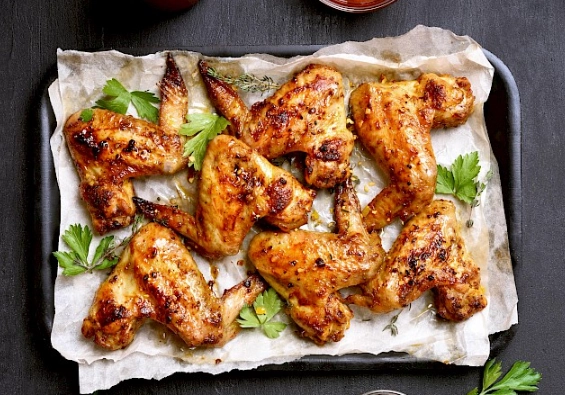
The skin is the X-factor. It's where most of the fat and, consequently, a huge chunk of the calories live. A skinless chicken wingette is a sad, lean thing with barely any calories. But the skin is also what gets crispy and delicious. So our entire discussion hinges on wings with the skin on, because that's how 99% of the world enjoys them.
The Calorie Breakdown: From Raw to Your Plate
Okay, let's build the calorie picture from the ground up. We'll use data from the USDA's FoodData Central, which is the gold standard for this stuff. It's a government database, so you can trust the numbers aren't made up by some random blog.
The Raw, Naked Wingette
According to the USDA, one raw chicken wingette with skin (about 30-35 grams) provides roughly:
- Calories: 43-55
- Protein: 4-5 grams
- Fat: 3-4 grams
- Carbs: 0 grams
See? Not scary at all. It's a decent little packet of protein and fat. The problem, as we know, is everything that happens next.
The Cooking Method Multiplier
This is where the magic—and the calories—happen. How you cook a wingette dramatically changes its final calorie count. Let's lay it all out in a table because it's the easiest way to compare.
| Cooking Method | Estimated Calories Per Wingette | Key Reason for Calorie Change | My Honest Take |
|---|---|---|---|
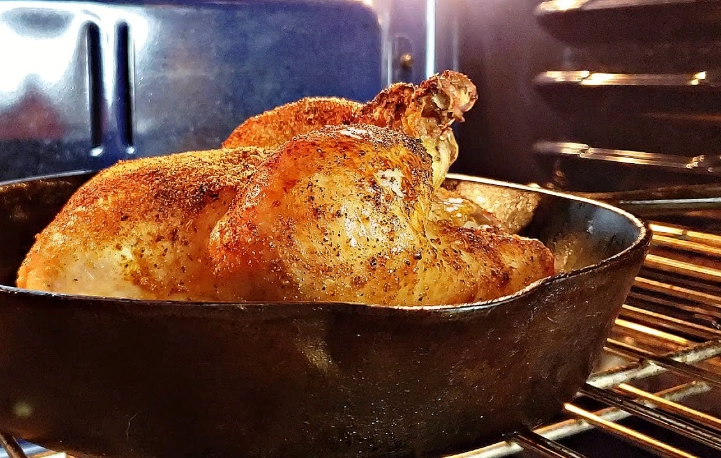
| Baked / Roasted | 50-65 | Some fat renders out. Minimal added oil. | The go-to for a reason. Reliable, crispy if done right (high heat!), and the easiest to control calorie-wise. |
| Grilled | 50-70 | Fat drips off into the fire. Char adds flavor, not calories. | Fantastic smoky flavor. Can dry out if you're not careful, but a great healthy-ish option. |
| Air-Fried | 55-75 | Uses a tiny amount of oil (like a spray) to mimic frying. | Honestly, lives up to the hype for crispiness. The calorie savings vs. deep-frying are real and significant. |
| Deep-Fried (the classic) | 80-110+ | The wing absorbs cooking oil. This is the big one. | The king of texture, no doubt. But the calorie jump is massive. A 6-wing serving can easily absorb a tablespoon or more of oil. |
See the range? A fried wingette can have more than twice the calories of a baked one. That's not a small difference.
The oil absorption during frying is no joke. The breading or batter (if used) acts like a sponge, and even naked wings soak it up. That's why the calories in chicken wingettes from a takeout place or sports bar are almost always in the highest end of that range—they're often fried in batches in well-used oil.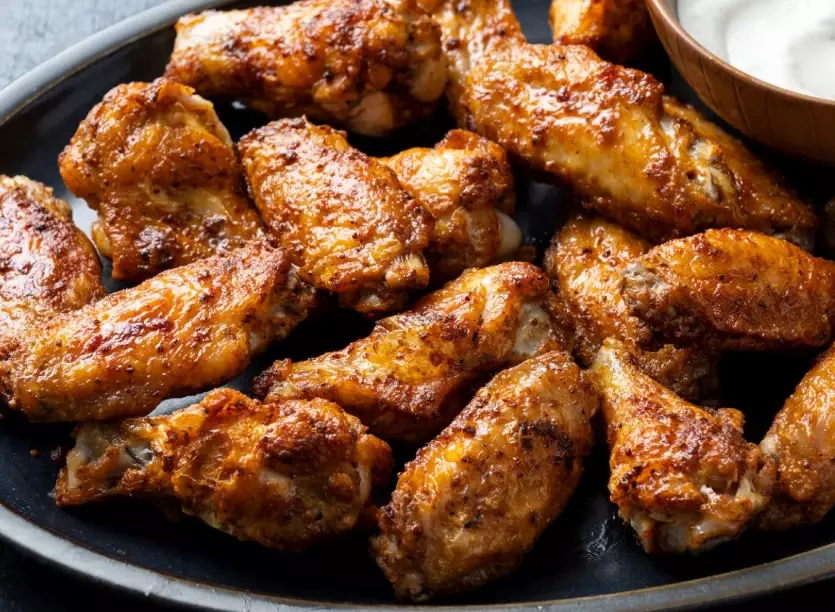
Pro Tip: If you're baking at home, use a wire rack on your baking sheet. It lets hot air circulate all around the wing, so the skin gets crispy all over and more fat drips away. It makes a noticeable difference in texture and shaves off a few extra calories.
The Sauce & Coating Calorie Bomb
Here's the real kicker. The cooking method sets the base, but the sauce defines the final count. This is where most people, and even some calorie-tracking apps, fall short. You have to account for the sauce separately.
Let's rank some common coatings from a calorie perspective. I'm talking about the amount that would typically cling to one wingette.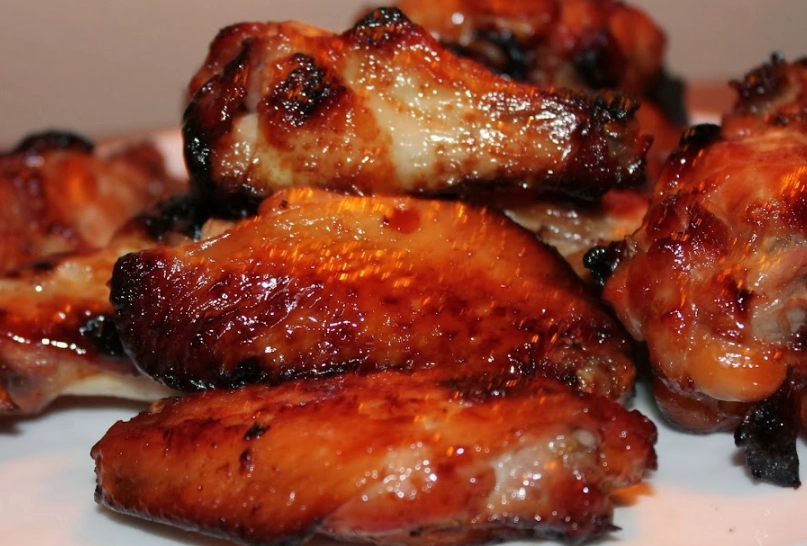
| Sauce / Coating Type | Estimated Added Calories Per Wing | What's In It |
|---|---|---|
| Dry Rub (e.g., paprika, garlic powder) | 0-5 | Just herbs and spices. Negligible calories. |
| Light Toss in Hot Sauce (e.g., Frank's RedHot) | 5-15 | Mostly vinegar and pepper. Very low in calories. |
| Standard Buffalo Sauce (butter + hot sauce) | 25-50 | The butter is the calorie carrier. Adds up fast. |
| Teriyaki or Sweet Asian Glaze | 30-60 | Packed with sugar (often honey or brown sugar). Sticky and high-calorie. |
| BBQ Sauce | 25-55 | Similar to teriyaki—sugar is the main ingredient after tomatoes. |
| Creamy Sauce (e.g., Ranch coating, Blue Cheese) | 40-80+ | Mayonnaise, sour cream, cheese. This is the heaviest hitter. |
Watch Out: A "naked" wing at a restaurant often just means no sauce. It's almost certainly still deep-fried. So a "naked" fried wingette is still 80-110 calories before you even dip it into that 200-calorie side of ranch dressing.
So, let's do the full math on a worst-case vs. best-case scenario for chicken wingettes calories:
- "Diet" Wing: Baked wingette (55 cal) + light hot sauce toss (10 cal) = ~65 calories.
- Restaurant Special: Deep-fried wingette (100 cal) + heavy creamy garlic parmesan sauce (70 cal) = ~170 calories.
That's a difference of over 100 calories per wing. Eat six of each, and you're looking at a 390-calorie meal versus a 1,020-calorie meal. That's a massive gap, and it explains why wings can feel like either a sensible protein choice or a full-on cheat meal.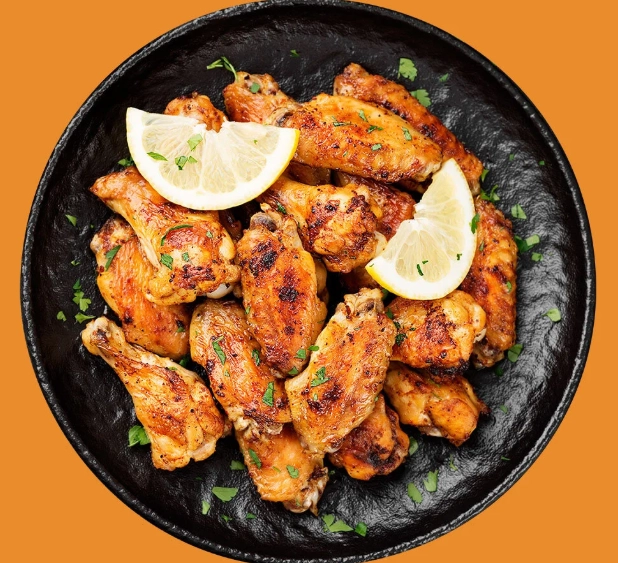
How Do Wingettes Stack Up Against Other Chicken Cuts?
This is a question I get a lot. People assume wings are the worst. But are they? Let's compare 3.5 ounces (about 100 grams) of cooked, skin-on meat—a standard serving size. This is roughly 3-4 wingettes.
| Chicken Cut (Cooked, with Skin) | Approximate Calories (per 3.5 oz / 100g) | Protein (g) | Fat (g) | The Verdict |
|---|---|---|---|---|
| Chicken Wingettes/Flats | ~290 - 330* | ~27 | ~20 | Higher in fat due to skin-to-meat ratio. Flavor kings. |
| Chicken Thigh | ~230 | ~23 | ~16 | More meat, slightly less skin per ounce. Often a better protein value. |
| Chicken Drumstick | ~215 | ~26 | ~12 | Leaner than you think! A good middle ground. |
| Chicken Breast | ~165 | ~31 | ~3.5 | The lean protein champion. Low fat, high protein. |
*Can be much higher if fried and sauced, as we've discussed.
So, yes, wingettes are among the higher-calorie, higher-fat cuts when you look at skin-on, cooked meat by weight. But the gap isn't as apocalyptic as some make it out to be, especially compared to a thigh. The breast is in a totally different league for leanness.
The real issue with wings is the unit economics. We don't eat 3.5 ounces of wings and stop. We eat them by the piece. And because they're small, bony, and social food, it's easy to lose count and eat eight, ten, or twelve. That's when the total calories in chicken wingettes soar past a single, satisfying chicken breast or a couple of thighs.
Practical Tips for Enjoying Wings Without the Guilt
Knowing the numbers is one thing. Applying them is another. Here's my no-nonsense advice for keeping your wing game enjoyable and relatively sane, calorie-wise.
1. Master the Home-Cooked Bake or Air Fry
Taking control at home is the single biggest lever you can pull. Baking or air-frying lets you control the oil input. Pat the raw wingettes very dry with paper towels—this is crucial for crispiness. Use a light spray of oil (avocado or olive oil spray is great) and a high temperature (400°F+). Season aggressively with a dry rub. The result is a wing that's 80% as good as fried for half the calories. Seriously, it works.
2. Be a Sauce Strategist
Think of sauce as a luxury, not a default. Here's my hierarchy:
- Dry Rubs are Your Best Friend: Zero calorie worry, maximum flavor variety. Cajun, lemon pepper, smoked paprika, garlic herb.
- Use Wet Sauce as a Finisher, Not a Drowning: Toss hot wings in a bowl with your sauce just before serving. Don't let them sit in it. You'll use less.
- Choose Vinegar-Based over Creamy or Sweet: A classic hot sauce (like Texas Pete or Crystal) is virtually calorie-free. Buffalo sauce is a middle ground. Avoid the creamy alfredo/ranch coatings and sticky-sweet glazes for everyday eating.
- Dip, Don't Drench: Serve sauce on the side for dipping. You'll consume far less than if each wing is coated.
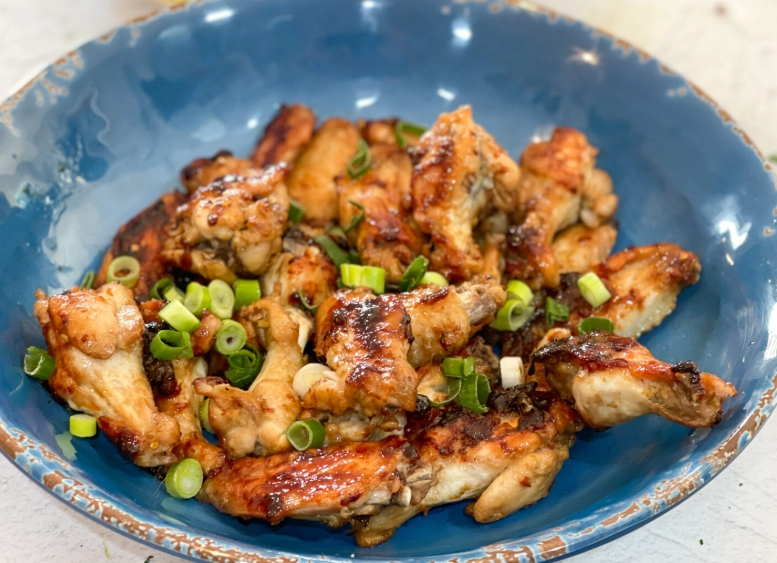
3. Pair and Plate Wisely
What you eat with your wings matters. Skip the fries, onion rings, and mac & cheese (I know, it hurts). Instead, pair them with a huge pile of raw veggie sticks (celery, carrots, bell peppers) and maybe a light, vinegar-based coleslaw. The fiber and volume from the veggies will fill you up, so you might naturally stop at 6 wings instead of 10.
Mindful Eating Trick: Put your target number of wings on your plate (say, 6 or 8) and put the rest away before you start eating. Out of sight, out of mind. It sounds simple, but it prevents that "well, just one more" spiral.
Your Chicken Wingettes Calories Questions, Answered (FAQ)
- 10 Baked + Dry Rub: ~500-650 calories.
- 10 Air-Fried + Light Buffalo: ~600-850 calories.
- 10 Deep-Fried + Heavy BBQ: ~1,050 - 1,650 calories.
The Final Word on Wing Calories
Look, chicken wingettes aren't a "health food" in the way kale or salmon is. But they're also not poison. They're a delicious, social, protein-packed food that can fit into almost any diet with a bit of awareness and strategy.
The core message is this: the number of calories in chicken wingettes is not a fixed number. It's a variable that you have a surprising amount of control over. A plate of wings can be a 600-calorie, high-protein meal or a 1,500-calorie indulgence. The difference is in your choices in the kitchen and at the restaurant.
So next time you're craving wings, don't just panic about the calories. Think about the method and the sauce. Maybe you air-fry them at home with a killer dry rub. Maybe you order them grilled with hot sauce on the side when you're out. Knowledge is power, and now you have the power to enjoy your chicken wingettes without any nagging, unanswered questions about what you're really eating.
Now, if you'll excuse me, all this talk has made me hungry. I think I'll go make some baked lemon pepper wings.
Related Articles