How Much Protein in 1 Pound of Chicken Tenderloins? (Plus Recipes & Nutrition)
Guide Overview
- Breaking Down the Numbers: Raw vs. Cooked Protein in Chicken Tenderloins
- Beyond Protein: The Full Nutritional Picture of Chicken Tenderloins
- Buying, Storing, and Prepping: Getting the Most from Your Pound
- Cooking Methods: How to Keep All That Protein Juicy and Tender
- How to Use 1 Pound of Chicken Tenderloins in Your Diet Plan
- Answering Your Questions: The Chicken Tenderloin Protein FAQ
Let's cut right to the chase. You're here because you grabbed a pack of chicken tenderloins at the store, or you're planning to, and that little voice in your head asked the question. Maybe you're meal prepping, hitting the gym hard, or just trying to eat better. Whatever the reason, you need to know: what am I really getting in terms of protein from this package?
I've been there. Standing in the grocery aisle, comparing prices per pound, wondering if tenders are a better deal than breasts. The answer, like most things in nutrition, isn't just a single number. It depends on a few things—raw vs. cooked, seasoned vs. plain, even how the chicken was raised. But we can get really, really close.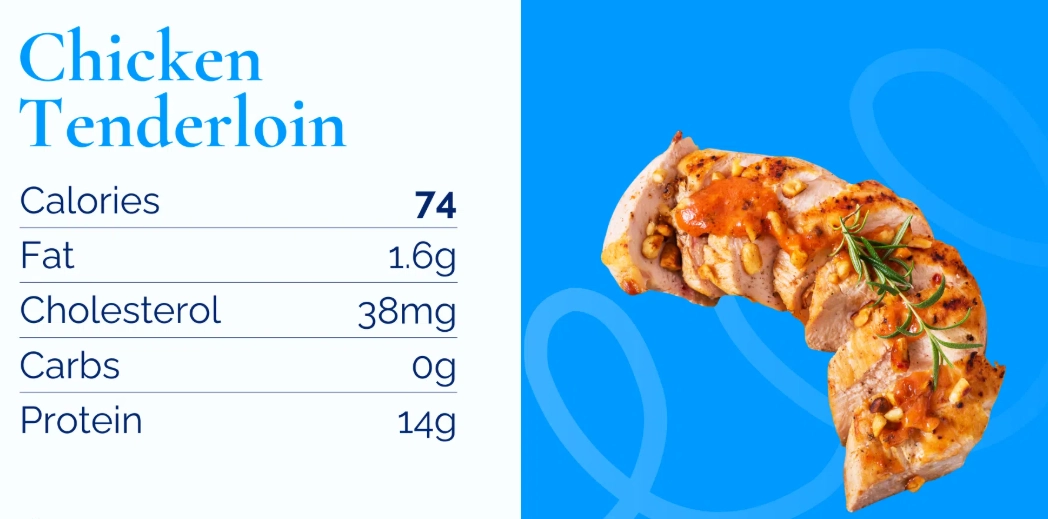
Here's the core answer you're looking for: One pound of raw, boneless, skinless chicken tenderloins contains roughly 100 to 110 grams of protein.
Let that sink in. Over 100 grams. For most people, that's more than a full day's recommended intake. It's a massive amount of high-quality, complete protein packed into a relatively small amount of food. But why the range? And what happens when you cook it? That's where it gets interesting, and where most quick Google searches leave you hanging.
Breaking Down the Numbers: Raw vs. Cooked Protein in Chicken Tenderloins
This is the part most people get wrong, and it leads to a lot of confusion. You can't compare the protein in a raw pound to the protein in a cooked pound directly. It's like comparing the weight of a wet sponge to a dry one.
The most reliable source for this kind of data in the US is the USDA's FoodData Central. It's the gold standard. According to their data for raw, skinless, boneless chicken breast (which tenderloins are a part of), there are about 22-23 grams of protein per 100-gram serving (about 3.5 ounces).
Doing the math: One pound is 454 grams. So, 454 grams / 100 grams = 4.54 servings. Multiply that by 23 grams of protein per serving, and you get... about 104 grams. See? It checks out.
Now, cooking. When you cook chicken, you lose about 25% of its weight, almost all water. So, that 1 pound (16 oz) raw becomes about 12 oz cooked. But the protein content for that cooked weight is now higher per ounce. The USDA lists cooked, skinless, boneless chicken breast at about 31g of protein per 100g (3.5 oz).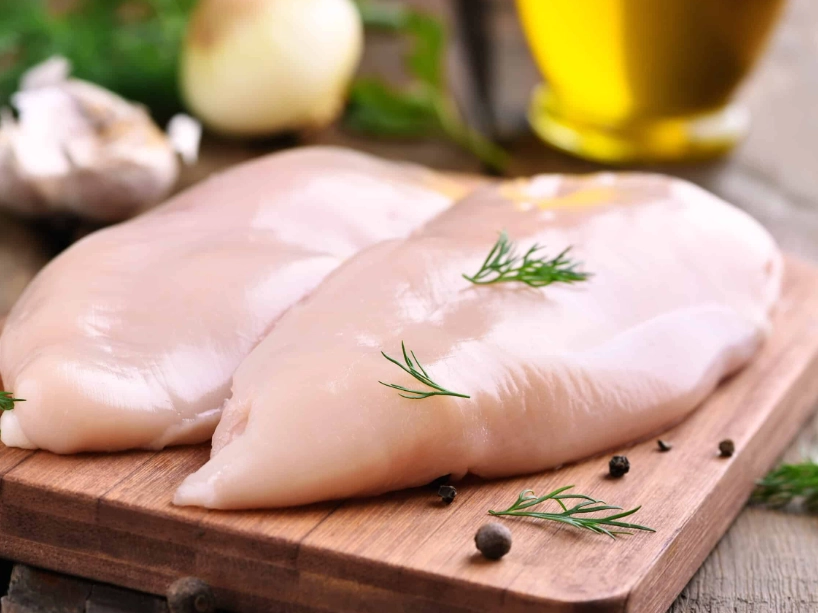
So, your 12 oz of cooked tenderloins from that original pound? That's about 340 grams. At 31g protein per 100g, that's still roughly 105 grams of protein total. The total didn't change much, just the density.
I made the mistake once of logging "8 oz raw chicken" in my fitness app but then weighing it cooked and thinking I was short. Took me a week to figure out why my macros were always off. Don't be like me. Decide on one method—always track raw weight or always track cooked weight—and stick to it.
How Does 1 Pound of Chicken Tenderloins Protein Stack Up Against Other Meats?
Okay, so we know it's a lot. But is it the best? Let's put it in a simple table. We'll compare the total protein you'd get from one pound of each, raw. This is eye-opening.
| Protein Source (1 lb, raw) | Approx. Total Protein | Notes & Considerations |
|---|---|---|
| Chicken Tenderloins | 100-110g | Very lean, quick-cooking, mild flavor. Our main focus. |
| Chicken Breast | 100-110g | Nearly identical to tenders, as tenders are part of the breast. Sometimes slightly less tender. |
| Ground Beef (93% lean) | 90-100g | More fat (and thus calories) for similar protein. Richer flavor. |
| Salmon Fillet | 80-90g | Packed with healthy fats (Omega-3s), but lower in pure protein density. |
| Extra Firm Tofu | 70-80g | Great plant-based option. Contains all essential amino acids but in different ratios than meat. |
| Top Sirloin Steak | 95-105g | Can be as lean as chicken if trimmed well. More expensive typically. |
What does this tell us? For pure, lean protein punch, chicken tenderloins are right at the top of the list. They compete directly with chicken breast and beat out many other common sources on a protein-per-gram basis. The real advantage isn't just the number, though. It's the versatility and ease. You can throw tenders in a pan and they're done in minutes. Try that with a tough cut of beef.
Beyond Protein: The Full Nutritional Picture of Chicken Tenderloins
Focusing only on the protein in 1 pound of chicken tenderloins is like buying a car for only its cup holders. You need to see the whole dashboard. What else are you getting (or not getting)?
First, the good stuff. Chicken tenderloins are incredibly lean. We're talking about 1-2 grams of fat per 100-gram serving, and most of that is unsaturated. The calorie count is shockingly low for the protein payoff. That pound of raw tenders with its 100g+ of protein clocks in at only around 500-550 calories, almost all from the protein itself.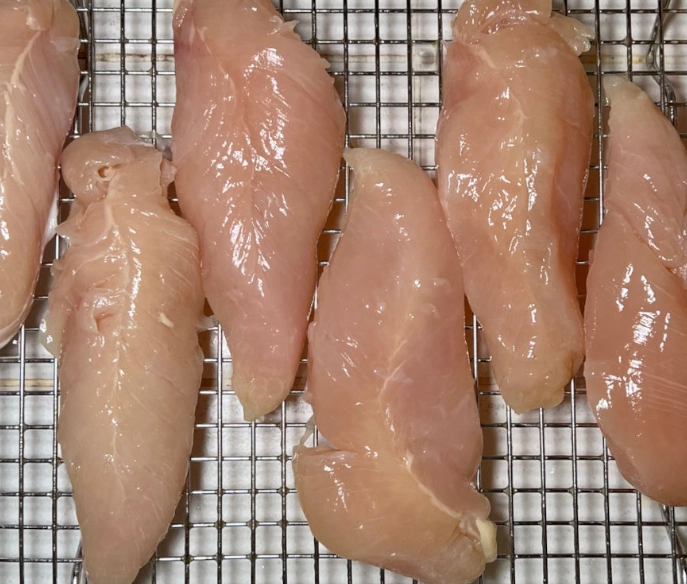
They're also a solid source of important micronutrients:
- Niacin (Vitamin B3): Crucial for energy metabolism and nervous system function. A pound covers a huge chunk of your daily needs.
- Vitamin B6: Important for protein metabolism and immune health. Again, chicken is a top source.
- Selenium: A powerful antioxidant that supports thyroid function. One serving gives you a significant amount.
- Phosphorus: Works with calcium for bone health.
Now, what's not in there? Fiber and carbohydrates are basically zero. That's fine—it's meat. But it means a meal of just chicken tenderloins protein won't be balanced. You need veggies and maybe a complex carb on the side for energy and fiber. Also, while it has some iron (heme iron, which your body absorbs well), it's not as high as red meat. If you're vegetarian or eat very little red meat, you might need to be mindful of iron from other sources, as suggested by resources like the Harvard T.H. Chan School of Public Health's guide on iron.
The sodium content is naturally very low. But here's the catch—this is where packaged foods and preparation methods can sabotage you. Pre-marinated tenders, restaurant versions, or even your own heavy-handed salting can turn this lean protein into a sodium bomb. Always check labels on pre-packaged stuff.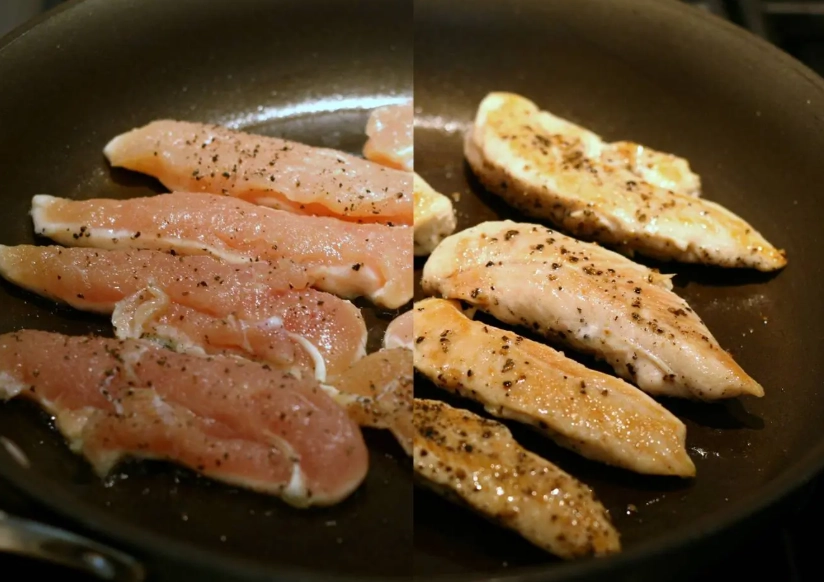
Buying, Storing, and Prepping: Getting the Most from Your Pound
You want all that 1 pound of chicken tenderloins protein to be safe and delicious, right? A few simple steps make all the difference.
Buying Smart at the Store
Look for packages that are cold with no tears. The meat should be pinkish, not gray or yellow. Avoid packages with lots of liquid pooling in the bottom—it often means the meat has been frozen and thawed, or is just old. Sometimes, buying a whole breast and cutting the tender off yourself is cheaper. It's a 30-second job with a sharp knife. I do it when the price difference is big enough to justify the extra minute of work.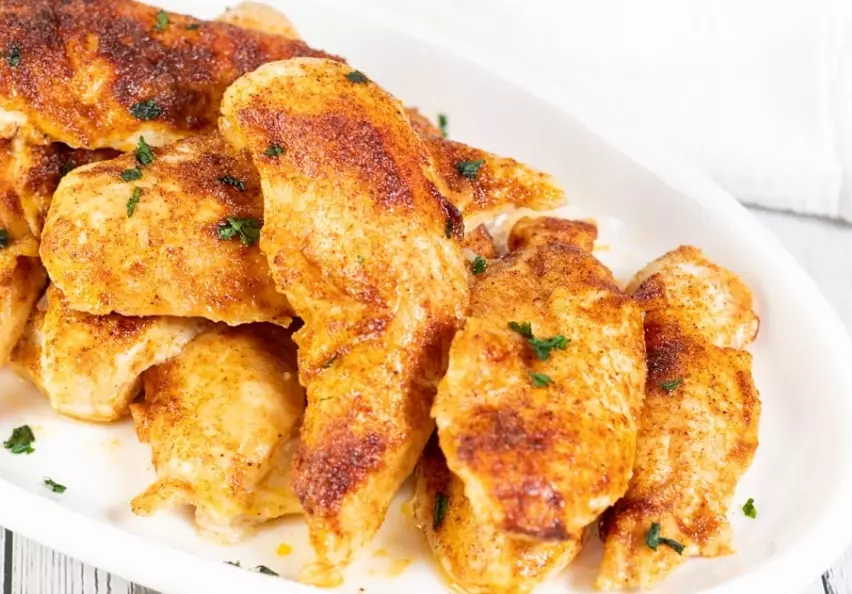
The Safe Storage Rule You Shouldn't Ignore
Raw chicken is a top culprit for foodborne illness. The CDC is very clear about the risks of improper handling. Keep it cold. Refrigerate at 40°F or below and use it within 1-2 days of purchase. If you won't use it that fast, freeze it immediately. Thaw in the fridge, never on the counter. This isn't just being fussy. I got sick once from sloppy thawing practices—it's a miserable experience that ruins your week and your relationship with chicken for a while.
Prep Work for Easy Cooking
Tenderloins sometimes have a tough, white tendon running down the middle. You can see it. For the most tender bite, take a minute to remove it. Slide a knife under one end, grip it with a paper towel (it's slippery!), and pull. It comes right out. Patting the tenders dry with paper towels before cooking is a game-changer. It ensures a good sear instead of a steam. Trust me on this one.
Cooking Methods: How to Keep All That Protein Juicy and Tender
This is where the magic happens, or where it all goes wrong. Overcooked chicken tenderloins are dry, stringy, and sad. The goal is to preserve moisture and flavor while hitting a safe internal temperature of 165°F (74°C).
Pan-Searing (My Weeknight Go-To): High heat, a little oil (avocado or olive), 2-3 minutes per side. Don't crowd the pan, or they'll steam. You get a beautiful golden crust. Perfect for adding to salads or eating with a side.
Baking/Roasting: Great for hands-off cooking. 400°F (200°C) for 15-20 minutes. Brushing with a little olive oil or marinade prevents drying out. You can cook the whole pound at once for meal prep.
Grilling: Fantastic flavor. High direct heat, 2-3 minutes per side. They cook so fast they're hard to mess up on the grill. Just watch for flare-ups from dripping fat.
Poaching or Boiling: Sounds boring, but it's the ultimate method for retaining every single gram of protein with zero added fat. Gently simmer in broth or seasoned water for about 10 minutes. The result is incredibly moist chicken perfect for shredding into soups, salads, or tacos. The downside? Less flavor on its own, so seasoning the liquid well is key.
Does cooking method affect the protein? Not the amount, really. But dry-heat methods (grilling, baking, searing) can cause some Maillard reaction on the surface, which might slightly reduce the bioavailability of a tiny fraction of the protein. It's negligible. The bigger issue is that overcooking any method makes the protein tougher and less pleasant to eat, which might mean you eat less of it. So, focus on not overcooking.
How to Use 1 Pound of Chicken Tenderloins in Your Diet Plan
Alright, you've got this cooked, perfect pound of chicken tenderloins protein. Now what? You're not going to sit down and eat it all in one go (please don't). Here’s how to strategically use it.
For Meal Preppers: This is your goldmine. Cook the entire pound. Weigh and divide it into 4 equal portions of about 3 oz cooked each. Each portion will have a solid 25-30 grams of protein. Package them with different sides—rice and broccoli, quinoa salad, sweet potato and greens. You've got lunch sorted for most of the week.
For Fitness & Muscle Building: That 100+ grams of protein is a serious tool. Consume a portion (25-30g) within an hour or two after your workout to support muscle repair. Spread the rest throughout the day with your other meals. Your muscles need a steady supply, not one massive dump.
For Weight Loss: The high protein content is your best friend. It keeps you feeling full for hours (satiety is huge). A 3-4 oz serving with a giant plate of non-starchy vegetables is a low-calorie, highly satisfying meal. It helps preserve lean muscle mass while you're in a calorie deficit, which keeps your metabolism humming.
Let's be real, though. Eating plain chicken every day gets old fast. The key is seasoning and sauces. But beware of bottled sauces—they can be sugar and sodium landmines. Make your own quick marinades with lemon juice, herbs, garlic, and a touch of honey. Or whip up a Greek yogurt-based sauce with dill. A little goes a long way.
Answering Your Questions: The Chicken Tenderloin Protein FAQ
Is the protein in chicken tenderloins a "complete" protein?
Yes, absolutely. It contains all nine essential amino acids that your body cannot make on its own. This makes it an excellent source for supporting muscle growth, repair, and overall bodily function. It's one of the reasons chicken is a staple in diets worldwide.
Are chicken tenderloins healthier than chicken breasts?
Nutritionally, they are virtually identical. They're both parts of the pectoral muscle. The tenderloin is just a smaller, more tender strip. The main difference is texture and cooking time. Some argue the tenderloin has a slightly higher fat content, but we're talking a gram or two over an entire pound—nothing to worry about.
Can I eat 1 pound of chicken tenderloins every day?
Technically, you could. But should you? Probably not. Variety is a core principle of good nutrition. While chicken is fantastic, relying on it exclusively means you might miss out on other nutrients found in fish (like Omega-3s), red meat (like certain forms of iron), or plant proteins (fiber and phytonutrients). It's also a good practice to vary your protein sources to avoid developing any potential food sensitivities. Everything in moderation, even good things.
Does organic or free-range chicken have more protein?
Not really. The protein content is remarkably consistent across farming methods. The differences are more about fat composition (potentially better Omega-3 profiles in pastured birds), animal welfare, and antibiotic use. You're buying organic for reasons other than an extra protein gram.
I'm on a budget. Are tenderloins worth it?
They are often more expensive per pound than whole chicken breasts. If budget is tight, buy breasts and cut them. You'll get the tenderloin plus the rest of the breast. More meat for your money. The convenience of pre-cut tenders comes at a premium.
The Final Word on Maximizing Your Protein
So, there you have it. The full story on 1 pound of chicken tenderloins protein. It's a powerhouse—delivering over 100 grams of top-tier protein that's lean, versatile, and packed with supporting nutrients.
The number is impressive, but it's just the start. How you buy it, store it, cook it, and incorporate it into your overall diet is what truly unlocks its value. Don't get obsessed with just the grams. Think about the quality of your meals, the enjoyment of eating, and how this fantastic food fits into your lifestyle.
Remember, track it raw or track it cooked, but pick one. Don't overcook it. Pair it with colorful vegetables and smart carbs. And maybe don't try to eat the whole pound in one sitting.
Now you know exactly what you're getting. No more guesswork in the grocery aisle. Go put that knowledge to good use.
Related Articles