Roast Whole Chicken in Oven: Crispy Skin, Juicy Meat, Easy Steps
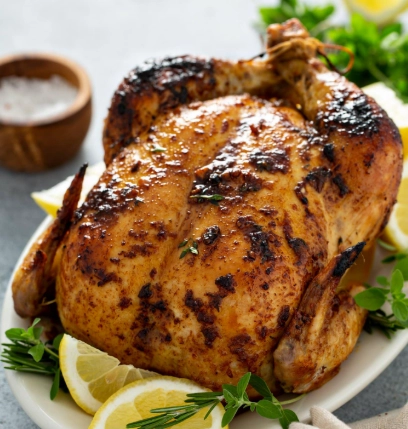
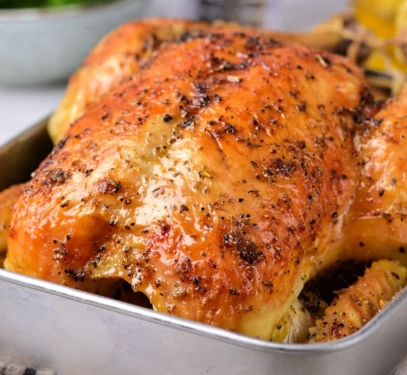
Let's be honest. A whole roast chicken should be a simple, glorious thing. Crispy, salty skin giving way to tender, juicy meat. But how many times have you ended up with pale, flabby skin and dry, stringy breast meat? I've been there. I used to think blasting it at high heat for the entire time was the answer. The skin would look great, but the breast was always a disappointment. It took me years of trial and error—and a few too many dry dinners—to figure out the balance. Roasting a whole chicken in the oven isn't just about throwing a bird in and waiting. It's a process with a few non-negotiable steps that make all the difference. This guide is that process, stripped of fluff and packed with the details that actually matter.
What's Inside This Guide
How to Prepare Your Chicken for Roasting
This is where 80% of the battle is won or lost. Skipping prep is the biggest mistake home cooks make.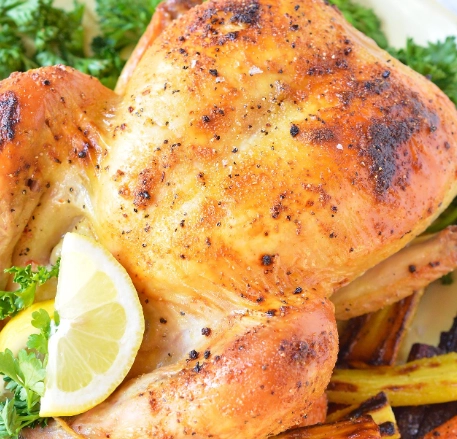
Thawing and Drying: The Secret to Crispy Skin
If your chicken is frozen, plan ahead. Thaw it in the refrigerator for 24-48 hours. Never, ever roast from frozen. The exterior will overcook while the interior stays dangerously undercooked, and the skin will be a rubbery disaster.
Once thawed, remove the chicken from its packaging. Take out the giblets (they're usually in a bag in the cavity). Now, here's the first pro tip: dry it obsessively. Use paper towels to pat the entire bird dry, inside and out. Any surface moisture will steam the skin instead of letting it roast and crisp. I mean it—get in there. A bone-dry chicken is a crispy-skinned chicken.
Seasoning: More Than Just Salt and Pepper
Seasoning isn't just for the outside. For deeply flavorful meat, you need to season under the skin and inside the cavity.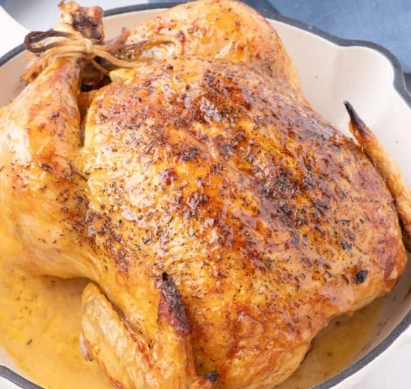
Loosen the skin: Gently slide your fingers between the skin and the breast meat, working your way down to the thighs. Be careful not to tear it. This creates a pocket for your seasonings.
Season aggressively: Rub a mixture of salt, pepper, and any dried herbs (like thyme, rosemary, or sage) directly onto the breast meat under the skin. Don't be shy. The salt will also help draw out moisture from the skin, aiding crisping. Lightly season the cavity with salt and herbs, and maybe throw in a halved lemon, some garlic cloves, or a quartered onion. This steams aromatics from the inside, adding subtle flavor.
Finally, rub a little oil (avocado, grapeseed, or olive oil) over the entire exterior. This promotes even browning and helps the skin become shatteringly crisp.
The Ultimate Roasting Process Explained
You've prepped. Now for the fire. The method I swear by uses two temperatures to solve the breast-vs-thigh dilemma.
What Temperature and How Long to Roast a Whole Chicken?
The classic "20 minutes per pound at 375°F" is a starting point, but it's incomplete. It often leads to undercooked thighs or overdone breasts.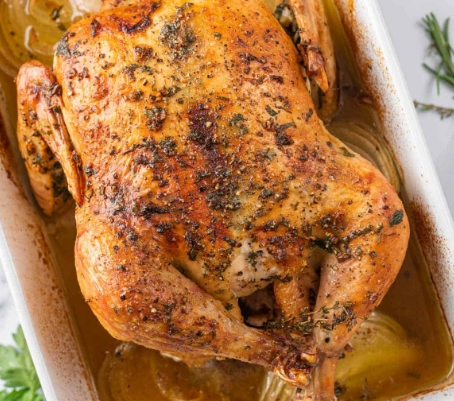
My method: Start hot, finish gentle.
- Preheat your oven to 425°F (220°C). Place the rack in the middle position. Use a roasting pan or a heavy skillet. A wire rack inside the pan is ideal for air circulation.
- Roast at 425°F for 20-30 minutes. This initial blast sets the skin and starts the browning process quickly. You should hear it sizzling.
- Reduce the heat to 375°F (190°C). Continue roasting for the remainder of the estimated time. This lower temperature allows the heat to penetrate to the bone gently and evenly, cooking the thighs through without brutalizing the breast.
| Chicken Weight | Estimated Total Time | High-Temp Phase (425°F) | Low-Temp Phase (375°F) |
|---|---|---|---|
| 3 lbs (1.4 kg) | ~1 hr 15 min | 20-25 min | ~50 min |
| 4 lbs (1.8 kg) | ~1 hr 40 min | 25-30 min | ~1 hr 10 min |
| 5 lbs (2.3 kg) | ~2 hrs | 30 min | ~1 hr 30 min |
To truss or not to truss? Trussing (tying the legs together) makes a neater package and can promote even cooking. But leaving the legs splayed allows hot air to circulate in the cavity, cooking the dark meat a bit faster. I often truss for aesthetics, but it's not strictly necessary for taste.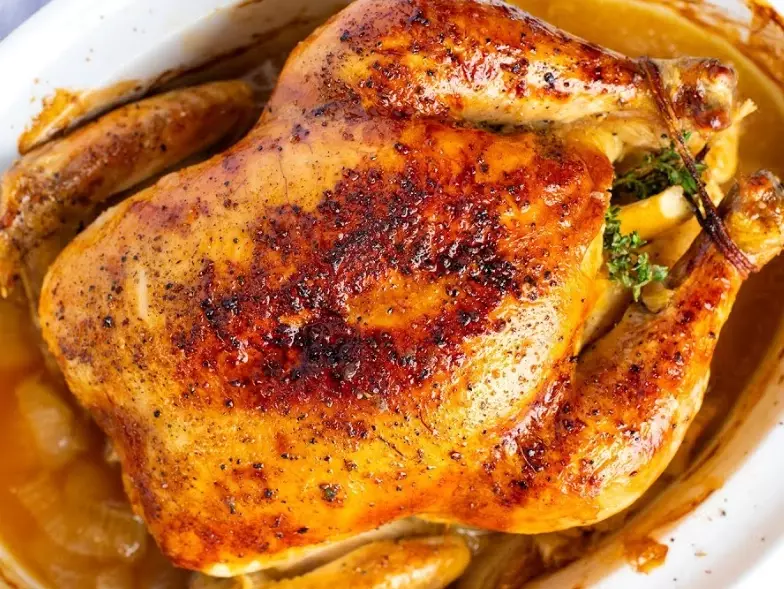
Positioning and Basting: Do They Matter?
Most recipes say roast breast-side up. I challenge that. Try roasting breast-side down for the first 45-60 minutes. The fat and juices from the back and thighs pool and baste the breast meat, keeping it incredibly moist. Then, carefully flip it breast-side up for the final 20-30 minutes to crisp the top skin. It's a game-changer for juicy white meat.
As for basting? I find it mostly interrupts the oven's heat and can make the skin soggy. The fat will render and do its job. If you want to baste, do it once or twice max during the lower-temperature phase.
How to Know When Your Chicken Is Perfectly Cooked
Forget wiggling legs or clear juices as your primary guide. They're unreliable. You need a meat thermometer. It's the single most important tool for roasting.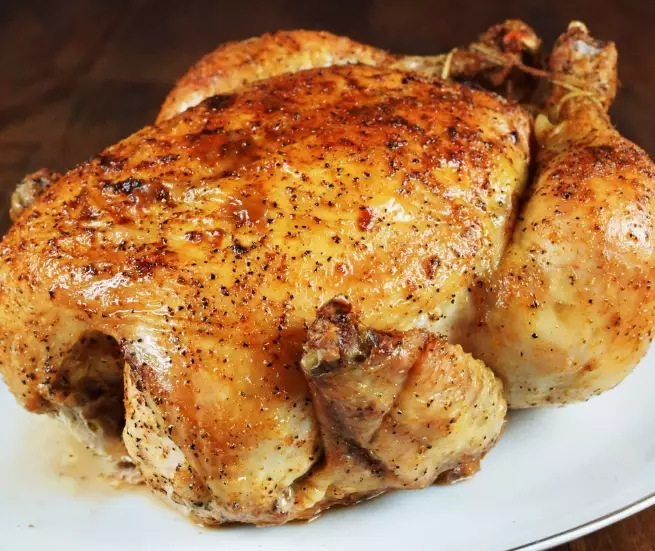
According to the USDA Food Safety and Inspection Service, poultry must reach a safe minimum internal temperature to destroy harmful bacteria.
Where to check:
- Breast: Insert the thermometer into the thickest part, avoiding the bone. Target: 165°F (74°C).
- Thigh: Insert into the deepest part of the thigh, again avoiding the bone. Target: 175-180°F (79-82°C). Dark meat has more connective tissue and is better at these slightly higher temperatures.
The chicken is done when both spots hit their targets. If the breast is ready but the thighs aren't, you can tent the breast with foil to prevent overcooking while the thighs finish.
Clear juices are a good secondary sign, but only if they're coming from the thigh joint when pierced, not just from a surface cut.
The Crucial Rest & How to Carve Like a Pro
You pulled the chicken out at the perfect temperature. If you cut into it now, all those precious juices will flood the cutting board, leaving you with dry meat.
Rest it. Transfer the chicken to a cutting board or platter and tent it loosely with foil. Let it rest for 15-20 minutes. This allows the muscle fibers, which tightened during cooking, to relax and reabsorb the juices.
Carving is simpler than it looks. You need a sharp knife and a sturdy fork or carving tools.
- Remove the legs: Pull a leg away from the body and cut through the joint connecting it to the thigh. Separate the thigh and drumstick at the joint if desired.
- Remove the wings: Pull a wing out and cut through the joint where it meets the breast.
- Carve the breast: Make a long, horizontal cut just above the wing joint along the breastbone. Then, slice downward, following the contour of the rib cage, to remove each entire breast half. Slice each breast crosswise into portions.
Save the carcass! It's gold for making chicken stock.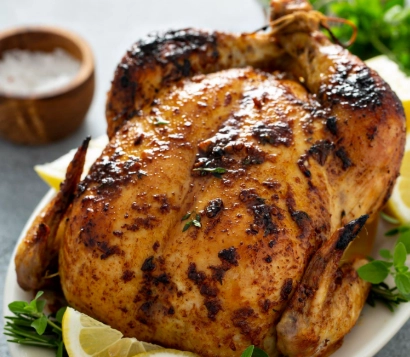
Your Roast Chicken Questions, Answered
Roasting a whole chicken is a foundational skill that rewards patience and attention to detail. It's not about fancy techniques, but about mastering a few simple, critical steps: drying, seasoning properly, managing oven temperature, and using a thermometer. Get those right, and you'll have a reliable, impressive, and deeply satisfying meal that never gets old. Now, go preheat that oven.
Related Articles