Perdue Ground Chicken Breast: The Ultimate Guide to Buying, Cooking & Recipes
Your Quick Guide to Perdue Ground Chicken
- Why Perdue Ground Chicken Breast? The Quick Pitch
- What Exactly Are You Buying? Breaking Down the Product
- The Supermarket Hunt: Finding and Buying Perdue Ground Chicken
- The Art of Cooking: How Not to Ruin Your Ground Chicken Breast
- Recipe Ideas That Actually Work
- Storing and Freezing: Making It Last
- How Does Perdue Stack Up? A Quick Brand Comparison
- Answering Your Burning Questions (FAQ)
- The Final Verdict: Is It Worth It?
Let's talk about ground chicken. It's one of those things that sits in the refrigerated section, maybe you've glanced at it next to the ground turkey and beef, and wondered. Is it any good? Is it dry? What do you even do with it? And specifically, what's the deal with Perdue ground chicken breast? I get it. I was in the same boat a few years ago, trying to mix up our weekly meals without breaking the bank or spending hours in the kitchen.
I picked up a package of Perdue's version on a whim during a big grocery haul. To be honest, my first attempt was a bit of a disaster—I treated it exactly like ground beef in a chili recipe, and let's just say the texture was... educational. But that pushed me to figure it out. Now, it's a regular in my rotation, and I want to save you the trial-and-error phase.
This isn't just a quick review. This is the deep dive I wish I had when I first started. We're going to look at everything: what it actually is, how the nutrition stacks up, where to find it, and crucially, how to cook it so it's delicious and not a dry, bland puck. We'll also pit it against other brands and even other meats. By the end, you'll know exactly if a package of Perdue ground chicken deserves a spot in your cart.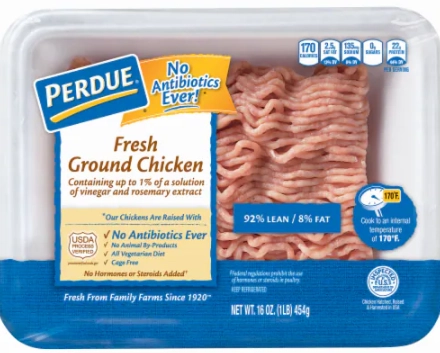
Why Perdue Ground Chicken Breast? The Quick Pitch
Before we get into the weeds, here's the core idea. Perdue ground chicken breast is a lean, versatile protein source made from 100% breast meat. It's a straightforward product from a major brand you likely recognize. The main draws are its leanness (less fat than ground beef or even regular ground chicken), its mild flavor that acts as a blank canvas for spices, and Perdue's commitment to no antibiotics ever and no added hormones (as stated on their packaging and their official animal care page). It's for anyone looking for a lighter alternative to red meat, trying to meal-prep healthier lunches, or just wanting to try something new on Taco Tuesday.
What Exactly Are You Buying? Breaking Down the Product
It seems simple, right? Ground chicken. But the devil's in the details. "Ground chicken" as a category can include meat from various parts of the bird, which affects fat content and flavor dramatically.
Perdue ground chicken breast is specific. It's made from white meat only. This is a key distinction. Many store-brand or generic "ground chicken" products are a blend of dark and light meat, or sometimes even include skin to boost fat and moisture. Perdue's version is leaner by design because it's all breast.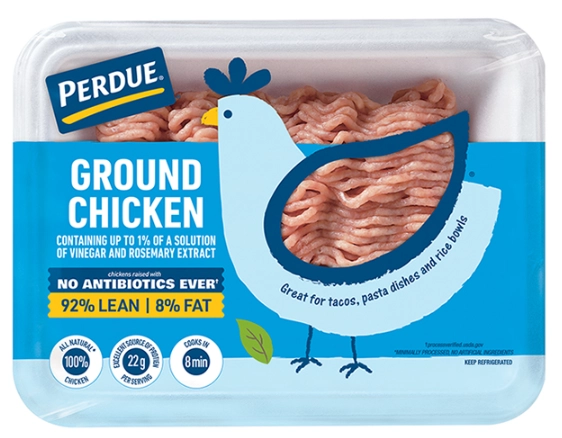
The Nutrition Facts: What's Really In It?
Okay, let's look at the numbers. This is why a lot of people are here. Based on the standard packaging and information from Perdue's product page, for a 4-ounce (112g) raw serving, you're looking at something like this:
- Calories: Around 110-130. It's relatively low-calorie for a protein serving.
- Fat: 2-3 grams. This is the superstar stat. Compare that to 85/15 ground beef which can have 15+ grams of fat per serving.
- Protein: A solid 20-23 grams. This is what keeps you full.
- Carbohydrates: 0 grams.
The leanness is the biggest selling point. But—and this is a big but—that leanness is also its biggest cooking challenge. Fat equals flavor and moisture. With so little fat, you have to be a bit more strategic in the kitchen. We'll get to that.
"The trade-off for that low fat number is that you, the cook, are in charge of putting the moisture and flavor back in. It's not a set-it-and-forget-it meat."
How It's Sourced and Raised: The Label Claims
Perdue makes several claims on their packaging that matter to a lot of shoppers today.
- No Antibiotics Ever: This means the chickens were raised without the use of antibiotics from hatch to harvest. It's a significant claim in the poultry industry.
- No Added Hormones or Steroids: It's important to note that by federal law, no chickens in the U.S. can be given hormones. So while this is a true statement, it's true for all chicken. It's still good to see it confirmed.
- Vegetarian Fed Diet: The chickens were fed a plant-based diet.
For those wanting more transparency on farm practices, Perdue provides resources on their corporate responsibility site. It's worth a look if you're curious about their standards.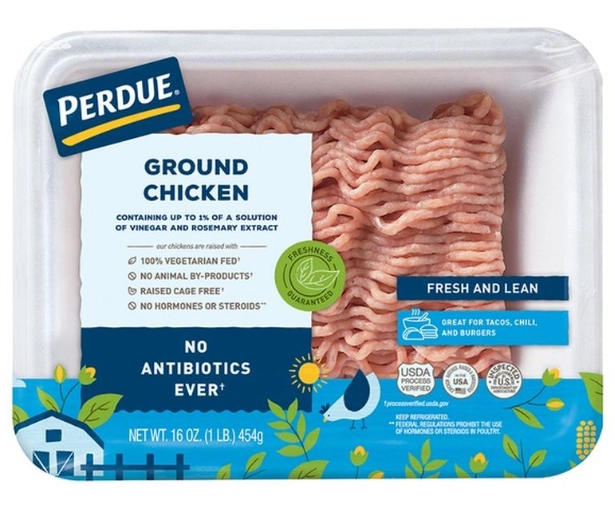
The Supermarket Hunt: Finding and Buying Perdue Ground Chicken
You won't find this in every corner store. It's a branded product, so your best bets are larger supermarkets. I've consistently found it at places like Walmart, Kroger, and Stop & Shop. It's usually in the fresh meat section, packaged on a styrofoam tray with plastic overwrap, looking very similar to ground beef packages.
Here’s a quick comparison of how it might stack up against other options on the shelf, price-wise and content-wise.
| Product Type | Approx. Price per lb | Key Characteristics | Best For |
|---|---|---|---|
| Perdue Ground Chicken Breast | $5 - $7 | 100% white meat, very lean, no antibiotics ever. | Ultra-lean diets, clean-label seekers. |
| Store-Brand Ground Chicken | $3 - $5 | Often a blend of dark/light meat, higher fat content. | Budget-conscious cooks, recipes needing more fat. |
| Ground Turkey (93/7) | $4 - $6 | Similar leanness, slightly stronger flavor. | Those wanting a break from chicken flavor. |
| Ground Beef (90/10) | $5 - $8 | Higher saturated fat, classic flavor. | Traditional recipes like meatloaf or burgers. |
A personal gripe? The price. It's definitely a premium over generic ground chicken. You're paying for the brand, the specific cut (breast meat is more expensive), and the "no antibiotics" claim. Whether it's worth it depends entirely on your budget and priorities.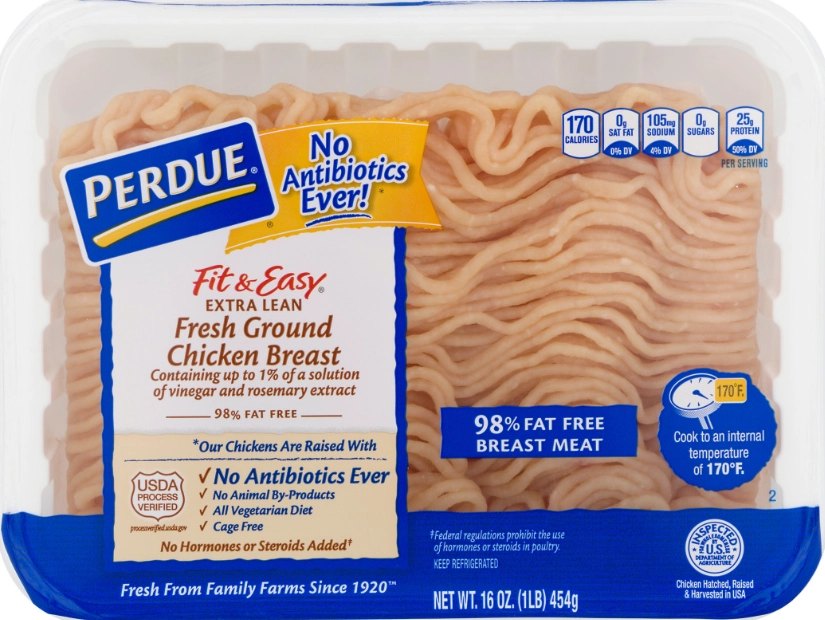
The Art of Cooking: How Not to Ruin Your Ground Chicken Breast
This is the most important section. Cooking Perdue ground chicken poorly is easy. Cooking it well is simple, once you know the rules.
The Golden Rule: Don't Overcook It
Chicken breast, ground or whole, gets dry and rubbery when overcooked. The target safe internal temperature is 165°F (74°C), as recommended by the U.S. Food Safety guidelines. Use a digital meat thermometer. Please. Just do it. Pull it off the heat at around 160°F—it will carry over to 165°F as it rests.
Moisture is Your Best Friend
Since the meat lacks fat, you must add moisture. Here are the best ways:
- Add a Panade: This is a paste of bread and milk. For 1 lb of Perdue ground chicken breast, mix 1/4 cup breadcrumbs (or torn fresh bread) with 2-3 tablespoons of milk, broth, or even a creamy ingredient like Greek yogurt. Mash it into the raw meat before forming patties or meatballs. It's a game-changer.
- Grate in Vegetables: Finely grated onion, zucchini, or mushrooms release water as they cook, basting the meat from the inside. It also adds nutrients and stretches the meat.
- Use a Wet Cooking Method: Braising, simmering in sauce (like in chili or a pasta sauce), or using it in a casserole where it's surrounded by liquid is almost foolproof.
What to Avoid:
Don't just crumble it into a hot, dry pan and stir it around like you might with ground beef. It will steam in its own juices and become dry and crumbly (my first chili mistake). Always have some fat in the pan (oil, butter) and consider adding a splash of broth or water to the pan while cooking if it looks dry.
Recipe Ideas That Actually Work
Let's move from theory to practice. Here are three categories of recipes where Perdue ground chicken breast truly shines.
Category 1: The Global Favorites (Tacos, Lettuce Wraps, Bowls)
This is its sweet spot. The mild flavor absorbs spices beautifully. For chicken tacos, brown the meat with taco seasoning and add a 1/4 cup of salsa or chicken broth to the pan while it simmers. The same principle works for Asian lettuce wraps—cook it with ginger, garlic, soy, and a bit of hoisin, and finish with water chestnuts for crunch. The meat becomes a flavorful, saucy filling that's perfect for stuffing into vessels.
Category 2: The Comfort Food Makeover (Meatballs, Burgers, Meatloaf)
Yes, you can make a burger! But you must use the moisture tricks. For burgers, the panade is non-negotiable. I also like to add a tablespoon of Worcestershire sauce and some finely minced garlic. Cook them on a well-oiled grill pan or skillet over medium heat, and don't press down on them! Let them develop a crust. For meatballs, simmering them directly in a jar of marinara sauce is the easiest, most forgiving method.
Category 3: The Meal-Prep Star (Chili, Stuffed Peppers, Pasta Sauce)
Because it holds up well to long, slow cooking in liquid, it's fantastic for big-batch meals. A white chicken chili with cannellini beans, green chiles, and plenty of cumin is a weekly staple in my house. Stuffed bell peppers with a mixture of cooked Perdue ground chicken, rice, tomato sauce, and cheese bake up perfectly, staying moist from the steam inside the pepper.
Storing and Freezing: Making It Last
If you don't use it the day you buy it, freeze it. It freezes very well. I repackage it. I take it out of the store tray, divide a 1-lb package into two halves, press each half flat in a quart-sized freezer bag, squeeze out all the air, and seal. Flat packets freeze and thaw quickly. In the freezer, it's good for 3-4 months. Thaw in the fridge overnight, never on the counter.
Once cooked, it will keep in an airtight container in the fridge for 3-4 days. This makes it ideal for Sunday meal prep—cook a big batch of taco meat or chili, and you've got lunches sorted.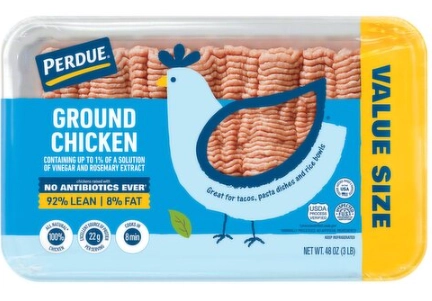
How Does Perdue Stack Up? A Quick Brand Comparison
Perdue isn't the only player. Brands like Tyson and Bell & Evans also offer similar products. In my experience, Perdue ground chicken breast is the most widely available. The texture and leanness are comparable across these premium brands. The main differences come down to price point and specific animal welfare certifications (like "Certified Humane") that some brands may carry. Bell & Evans, for instance, is often praised for quality but comes with a significantly higher price tag. For most people, Perdue hits a reliable middle ground.
Answering Your Burning Questions (FAQ)
Is Perdue ground chicken breast healthy?
It's a very lean source of protein, low in saturated fat. That fits well into many healthy eating patterns, like Mediterranean or low-fat diets. "Healthy" is personal, but from a macronutrient standpoint, it's a solid choice.
Can I substitute it 1:1 for ground beef?
In recipes? Often, yes. In technique? No. This is critical. You can swap one pound of Perdue ground chicken for one pound of beef in a recipe, but you must adjust your cooking method to add moisture (like the panade for burgers) or use a wet cooking method (like in a sauce). If you just do a straight swap in a dry application like a burger patty, you'll likely be disappointed.
Why is my ground chicken breast so dry?
Two reasons: 1) Overcooking. Get that thermometer. 2) Not adding any supplemental moisture or fat during the cooking process. Remember, it starts with almost none.
Is it gluten-free?
The plain Perdue ground chicken breast is just chicken, so yes, it's naturally gluten-free. Always check the label for any added seasonings or flavors in other varieties.
Where can I find Perdue ground chicken breast near me?
Use the store locator on the Perdue website. It's the most reliable way. Call ahead to your local store's meat department to confirm they have it in stock before making a special trip.
The Final Verdict: Is It Worth It?
Here's my take, after using it for years.
The Good: It's a consistent, lean product from a recognizable brand. The "no antibiotics ever" claim matters to me. When cooked correctly, it's delicious and a fantastic way to lighten up favorite meals. It's a reliable weeknight protein.
The Not-So-Good: It's pricier than generic ground chicken. And it demands more from you as a cook. It's not as forgiving as 80/20 ground beef. You can't be lazy with it.
So, who is it for?
It's perfect for the home cook who doesn't mind a few simple extra steps (like making a panade) in exchange for a healthier meal. It's great for parents wanting to sneak veggies into meatballs or burgers. It's ideal for meal-preppers looking for a low-fat protein to batch-cook.
And who should skip it?
If you're on a very tight grocery budget, the store-brand blend might be a better value. If you want a meat you can throw on the grill with just salt and pepper and have it be juicy, stick with chicken thighs or a fattier beef blend.
For me, the versatility wins. Having a package of Perdue ground chicken breast in my freezer feels like having a blank canvas for dinner. With the right techniques, it can become a dozen different, tasty things. And in the endless quest for easy, healthy-ish weeknight dinners, that's a pretty powerful tool to have.
Related Articles