The Ultimate Guide to Baking a Perfect Whole Chicken (Juicy & Crispy!)
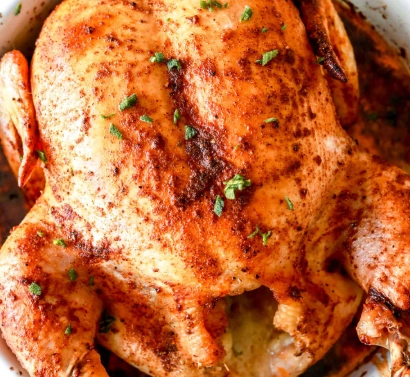
Baking a whole chicken sounds simple, right? You toss it in the oven and wait. But if you’ve ever ended up with dry breast meat, rubbery skin, or undercooked thighs, you know there’s more to it. Getting it right—crispy, golden skin with juicy, flavorful meat throughout—is a foundational kitchen skill. It’s a budget-friendly dinner, impressive for guests, and the leftovers are gold for meals all week. Let’s break down the exact process, from fridge to carving board, so you never have a disappointing roast chicken again.
What You'll Learn in This Guide
How to Prepare Your Chicken for Baking
Preparation is 80% of the battle. Rushing this stage is the main reason home cooks get mediocre results.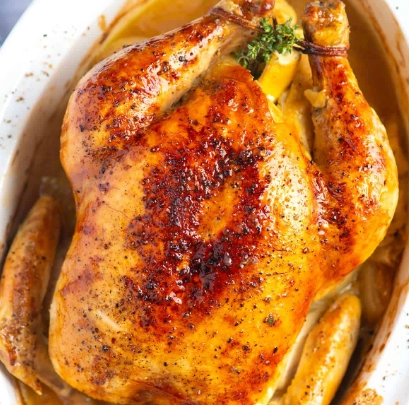
The 4-Point Prep Checklist:
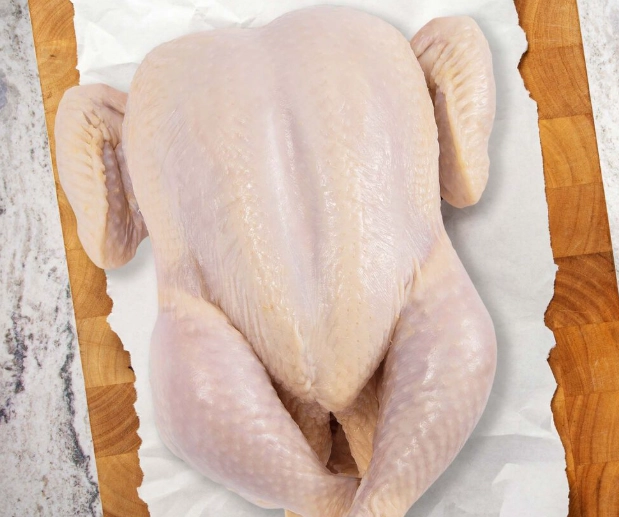
1. Choose the Right Bird: Aim for a 4 to 5-pound chicken. Larger birds (over 6 lbs) are harder to cook evenly. Look for “air-chilled” if possible—it often results in crispier skin because the chicken isn’t waterlogged from processing. A standard supermarket roaster is perfectly fine.
2. Thaw Completely (If Frozen): This is non-negotiable. A frozen or partially frozen center will cook unevenly. Thaw in the fridge for 24-48 hours. In a pinch, use the cold water bath method, changing the water every 30 minutes.
3. Dry It Thoroughly: This is the single most overlooked step for crispy skin. Pat the chicken extremely dry inside and out with paper towels. A wet chicken steams instead of roasts. I sometimes even leave it uncovered on a rack in the fridge for a few hours to air-dry the skin further.
4. Season Liberally and Early: Don’t just sprinkle salt on the outside. Season the cavity generously. For the deepest flavor, season under the skin: gently loosen the skin over the breast and thighs with your fingers and rub seasoning directly onto the meat. Doing this at least an hour before cooking (or even overnight) makes a world of difference.
The Step-by-Step Baking Process
Follow these steps in order. It’s a simple rhythm: prep, truss, roast, rest.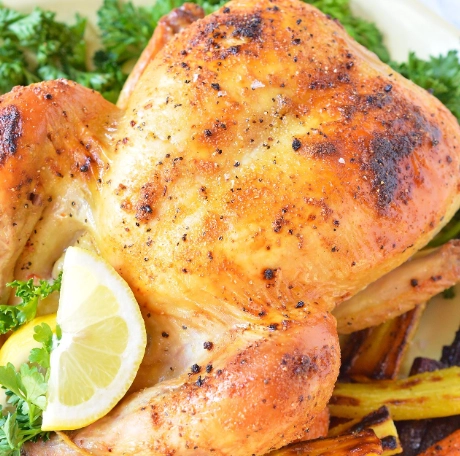
1. Trussing (Optional, But Recommended)
Trussing—tying the legs and wings close to the body—isn’t just for looks. It helps the bird cook evenly, preventing the skinny wing tips from burning and the legs from splaying out. You don’t need fancy butcher’s twine; kitchen string works. Simply tuck the wing tips behind the shoulders and tie the legs together with a loop of string. If you skip this, just tuck the wings.
2. Choosing Your Roasting Vessel
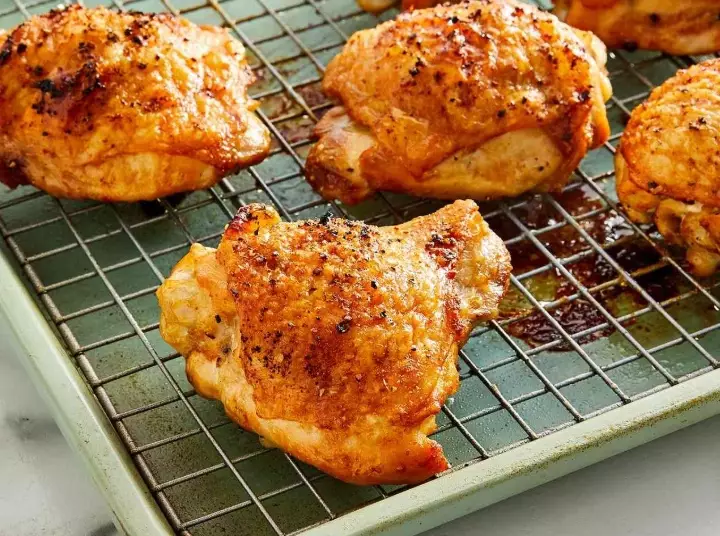
A rimmed baking sheet with a wire rack is ideal. The rack elevates the chicken, allowing hot air to circulate for even browning. A cast-iron skillet or a roasting pan also works. Avoid deep casserole dishes—they trap steam.
3. The Baking Method: High Heat for Crisp, Then Moderate for Cook-Through
My go-to method is a two-temperature approach:
- Start Hot: Preheat your oven to 425°F (220°C). Place the chicken on the rack, breast-side up. Roast at this high heat for 20-25 minutes. This initial blast renders fat, sets the skin, and starts the browning process beautifully.
- Finish Gentle: Without opening the door, reduce the oven temperature to 375°F (190°C). Continue roasting until the chicken is fully cooked. The total time will depend on size.
| Chicken Weight | Approx. Total Roast Time (incl. initial high heat) | Key Checkpoint |
|---|---|---|
| 4 lbs (1.8 kg) | 60-70 minutes | Check at 55 min |
| 5 lbs (2.3 kg) | 75-85 minutes | Check at 70 min |
| 6 lbs (2.7 kg) | 90-100 minutes | Check at 85 min |
Times are estimates. Always use a meat thermometer for accuracy.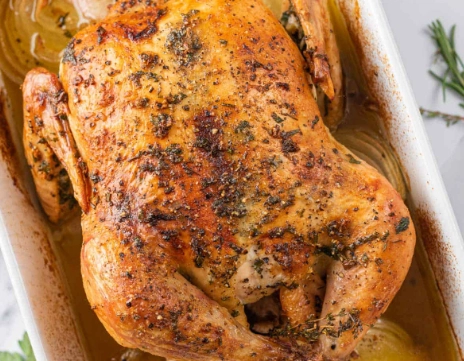
4. Basting? Probably Skip It.
Contrary to old cookbooks, frequent basting isn’t helpful. Every time you open the oven, you let heat escape, which slows cooking and can make the skin soggy. The chicken bastes itself in its own juices. If you want more color, a light brush of butter or oil before it goes in the oven is enough.
What Temperature Should a Baked Chicken Be?
This is where most online advice stops being useful. They all say “cook to 165°F (74°C) in the breast.” That’s the USDA-recommended safe temperature, but it’s not the ideal temperature for the best texture.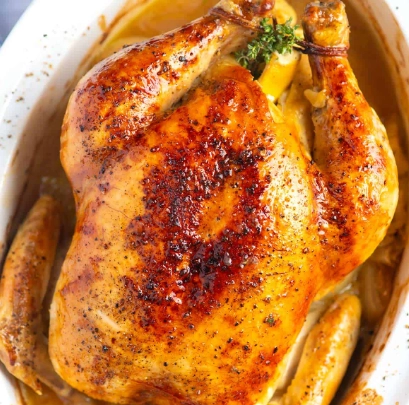
Here’s the expert nuance: carryover cooking. The chicken’s internal temperature will rise 5-10°F after you take it out of the oven. If you pull it at 165°F, the breast will be overcooked and dry by the time it rests.
The Better Rule: Insert an instant-read thermometer into the thickest part of the breast, avoiding the bone. Remove the chicken from the oven when the breast reads 155-160°F (68-71°C). Then, crucially, check the temperature at the innermost part of the thigh, near the joint. It should read at least 175°F (79°C). Dark meat has more connective tissue and needs a higher temperature to become tender and juicy. If the thighs are only at 165°F, they’ll be rubbery.
Let the chicken rest, tented loosely with foil, for 15-20 minutes. This allows the juices to redistribute, resulting in moist meat everywhere when you carve.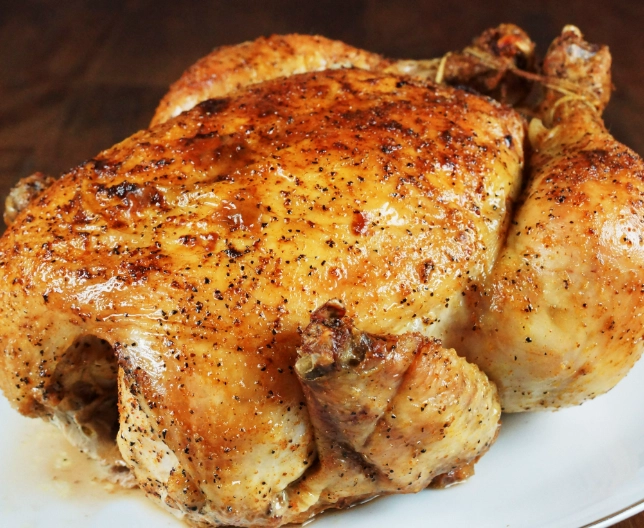
3 Common Mistakes That Ruin Baked Chicken
I’ve made these myself, especially when I was starting out.
Mistake 1: Not Drying the Skin. I already mentioned it, but it’s worth repeating. Wet skin = pale, limp skin. It’s physics.
Mistake 2: Relying Only on Time, Not Temperature. Ovens vary. Chicken sizes vary. A thermometer is a $15 tool that guarantees perfection. Guesswork doesn’t.
Mistake 3: Carving Immediately. Cutting into a hot chicken lets all the flavorful juices pour out onto the cutting board instead of staying in the meat. Be patient during the rest. Use the time to make a quick pan gravy with the drippings.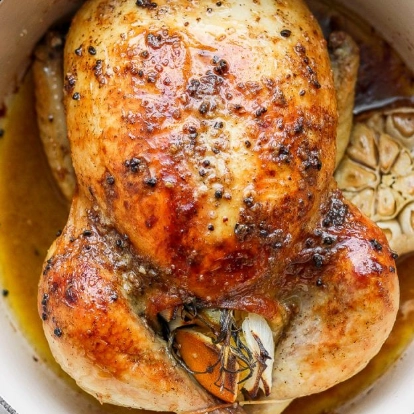
Pro Tips for Next-Level Flavor and Crisp
Once you’ve mastered the basics, try these upgrades.
- Butter & Herb Paste: Mix softened butter with minced garlic, rosemary, thyme, salt, and pepper. Slide this under the skin and over the outside. It bastes the meat from within and flavors the skin.
- Dry-Brine Overnight: Instead of wet seasoning, rub the chicken all over with kosher salt (about 1 tsp per pound) and leave it uncovered on a rack in the fridge for 12-24 hours. The salt seasons deeply and helps the skin dry out for ultimate crackle.
- Roast on Vegetables: Chop onions, carrots, and celery into large chunks and scatter them in the pan under the rack. They catch drippings, flavor the jus, and become a delicious side dish.
- Broil for Finish: If the skin isn’t as dark as you’d like after resting, pop the chicken back under a preheated broiler for 60-90 seconds. Watch it like a hawk.
Your Roast Chicken Questions, Answered
You’re likely cooking the whole bird to one target temperature. The breast and thigh cook at different rates. The solution is the two-temperature check I described. Pull the chicken when the breast is 155-160°F, ensuring the thigh is over 175°F. Also, placing the chicken breast-side down for the first half of cooking can help, but I find the temperature method more reliable.
It’s a combination of dryness, fat, and heat. Ensure the skin is bone-dry before cooking. Rubbing a little baking powder (just 1 tsp mixed into your salt rub) on the skin can help by changing the skin’s pH for better browning and blistering. The initial high-heat blast (425°F+) is non-negotiable to render fat quickly. Finally, don’t cover it during cooking or resting until after you carve.
You can, but root vegetables (potatoes, carrots) placed in the drippings from the start will often be overdone or burnt by the time the chicken is ready. For better results, add heartier veg about 45 minutes before the chicken is done. For quicker-cooking veggies like broccoli or green beans, toss them in the hot fat during the last 15-20 minutes of roasting.
This is a common concern. Pink juices, especially near the bones of younger birds, can be caused by hemoglobin leaching from the bone marrow during cooking. It’s not necessarily a sign of undercooking. Safety is determined by temperature, not color. If your thermometer reads 155°F+ in the breast and 175°F+ in the thigh, the chicken is safe to eat, even if the juices have a pink tinge.
A whole chicken is the ultimate meal prep. Shred or chop the leftover meat for chicken salad, quesadillas, fried rice, or soup. The carcass is gold—simmer it with water, onion, celery, and carrot scraps for a few hours to make the most flavorful homemade chicken stock you’ve ever had. It freezes beautifully.
Related Articles