How Long to Defrost Chicken? A Complete Time & Safety Guide
You open the freezer, pull out a rock-solid pack of chicken breasts, and dinner plans flash before your eyes. How long will this take? Can you speed it up without getting sick? The answer isn't one-size-fits-all. A single boneless breast thaws in hours, while a whole bird needs a day or more. Getting it wrong means a ruined meal or, worse, a food safety hazard. Let's cut through the confusion. Defrosting chicken properly hinges on three things: the cut, the method, and a strict adherence to safety rules set by experts like the USDA.
What’s Inside This Guide
Why Defrosting Time Varies So Much
Think of thawing as a relay race where heat travels from the outside in. Several factors act as hurdles, slowing the process down.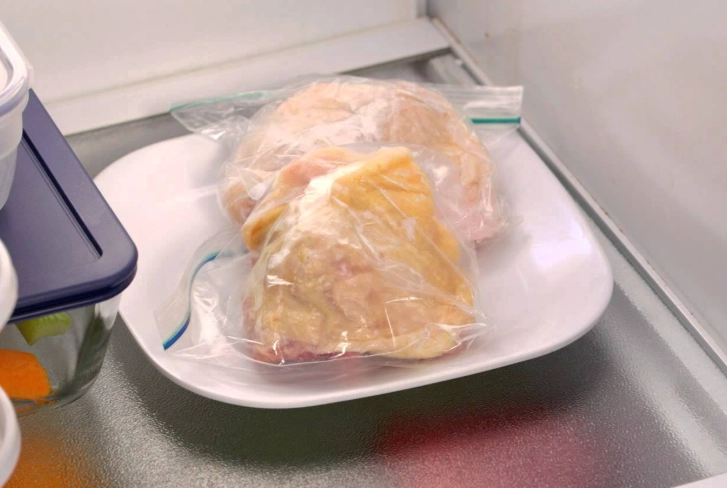
The Cut and Size: This is the biggest factor. Thin, boneless chicken breasts are sprinters. A dense, bone-in thigh or a whole chicken is a marathon runner. Bones and joints are insulators—they actually slow down heat transfer. A whole chicken isn't just bigger; its compact shape and cavity make thawing uneven if you're not careful.
Packaging Matters: That thick, vacuum-sealed plastic is great for preventing freezer burn, but it creates a barrier. Chicken packed loosely in a store tray or a resealable bag thaws faster because water can circulate around more surface area.
Your Appliance's True Temperature: Not all fridges are a steady 37°F (3°C). An overstuffed fridge, or one opened frequently, runs warmer. A colder fridge (closer to 34°F) will add hours to your thaw time. It's worth checking with a simple appliance thermometer.
Here’s a rough baseline for thawing in the refrigerator, the gold standard method:
- Small cuts (boneless breasts/thighs, tenders): 12-24 hours.
- Larger cuts (bone-in pieces, thick breasts): 1 full day.
- Whole chicken (3-4 lbs): 24 hours, plus an extra 5 hours per pound. A 4-pound bird needs about 2 full days. A turkey? Forget it—plan for days.
These times are estimates. Always give yourself a buffer.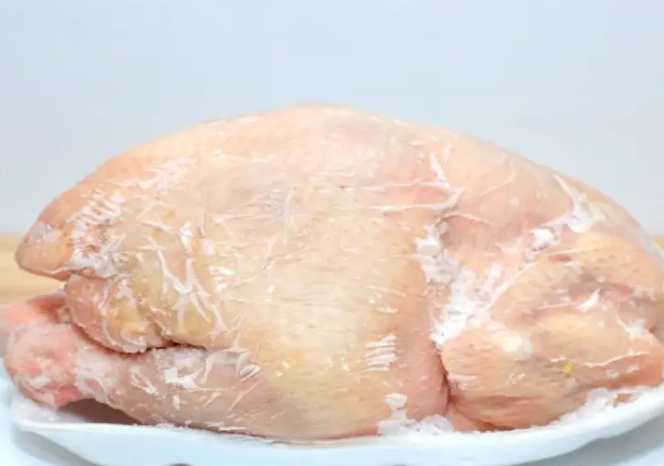
The Three Safe Methods for Defrosting Chicken
The USDA recognizes only three safe ways to thaw frozen chicken. Each has its own rhythm and rules.
| Method | Estimated Time | Best For | Critical Rule |
|---|---|---|---|
| Refrigerator Thawing | 12-48+ hours | Planning ahead, best quality & safety | Place on a plate/bowl to catch drips. |
| Cold Water Thawing | 1-3 hours | Medium-speed, same-day cooking | Change water every 30 mins. Use a leak-proof bag. |
| Microwave Defrosting | Minutes per pound | Emergency, immediate cooking | Cook immediately after thawing. No delay. |
1. In the Refrigerator (The Planned Chef's Method)
This is my default, go-to method. It requires foresight but guarantees the best texture and safety. The chicken thaws slowly at a constant, safe temperature (below 40°F). Once thawed, chicken can safely sit in the fridge for an additional 1-2 days before cooking. That's a huge planning bonus.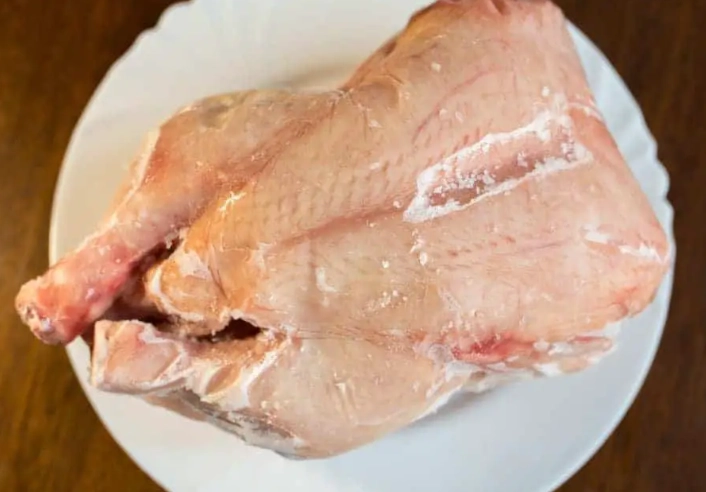
Step-by-step: Move the chicken from the freezer to a refrigerator shelf, preferably on the bottom shelf. Put it on a plate, rimmed baking sheet, or in a shallow container. Those juices will leak, and you don't want them dripping onto your lettuce. Label it with the date you started thawing. If you forget, a general rule: if it's fully thawed and feels cold, smells fine, and isn't slimy, it's likely okay if it's been less than 4 days total in the fridge.
2. In Cold Water (The "Oops, I Forgot" Method)
This is for the 5 PM "what's for dinner?" panic. It's faster but hands-on.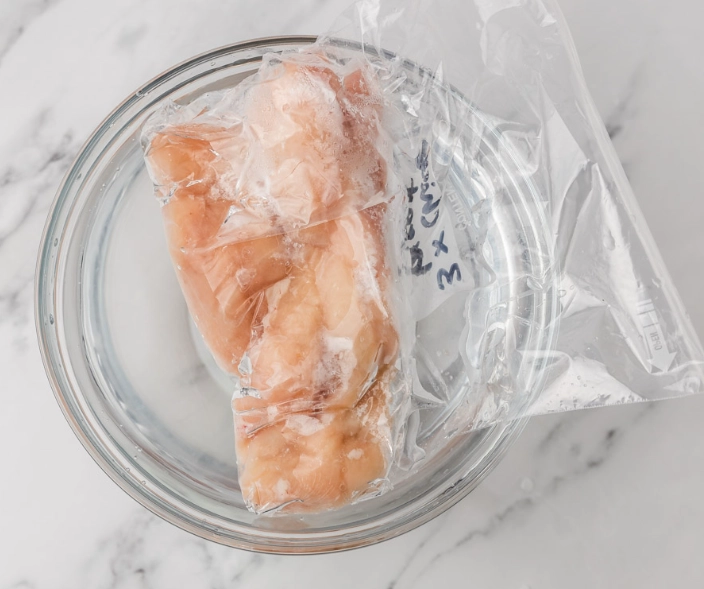
Non-negotiable steps:
- Keep it sealed. The chicken must be in a leak-proof plastic bag. Submerging the original store tray is asking for bacterial contamination.
- Use cold water only. Warm water heats the outer layer into the danger zone. Cold tap water is fine.
- Change the water every 30 minutes. This is the most commonly skipped step. Stagnant water warms up, becoming an ineffective insulator. Fresh cold water maintains a temperature that keeps the surface safely cold.
- Cook immediately after thawing. Do not refreeze or store it. Bacteria have become active.
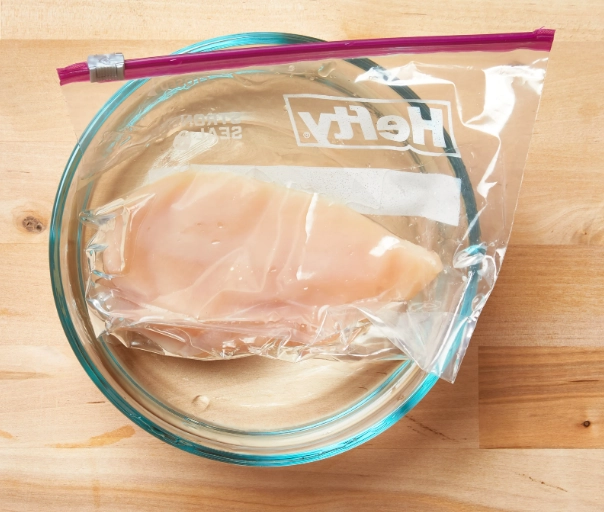
Time: A standard pack of breasts (about 1 lb) takes about 1 hour. A whole chicken can take 2-3 hours.
3. In the Microwave (The Last-Resort Method)
I have a love-hate relationship with this method. It's fast but brutal on quality. The microwave's defrost setting uses low-power waves that heat the food unevenly, often starting to cook the thin edges and outer layers while the interior remains icy. This can create hot spots where bacteria survive.
If you must use this method, cook the chicken immediately after thawing. Transfer it from the microwave straight to the oven, grill, or pan. No stopping. I once tried to microwave-thaw chicken for a stir-fry later. The edges were rubbery and partially cooked by the time I started, ruining the texture.
Common Thawing Mistakes You're Probably Making
Beyond the big no-no of counter thawing, there are subtle errors that compromise safety or quality.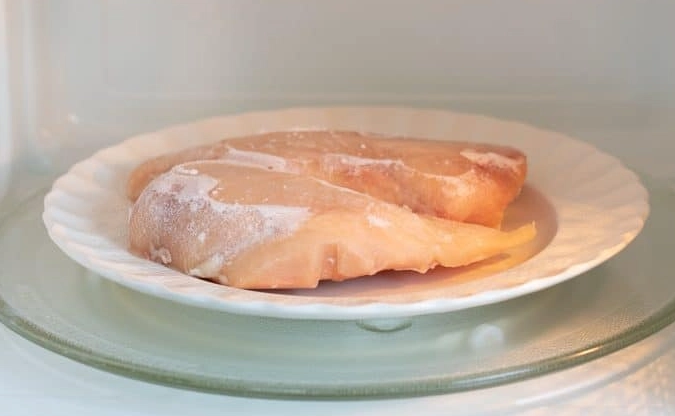
- The "Fridge Thaw, Then Wait Too Long" Mistake. You have a 2-day window after full thawing in the fridge. I see people forget a thawed pack for 5 days. The smell test becomes your only safety net—don't rely on it.
- The "Looks Thawed" Assumption. Just because the center is still a bit icy doesn't mean the surface is safe. That outer layer could be in the danger zone for hours. Use the cold water test for doneness, not texture.
- Not Separating Pieces. Thawing a solid block of four breasts is slower and promotes uneven cooking. Take 10 minutes to separate them under cold water first.
- Refreezing Without a Plan. This is a major texture killer. Refreeze only if the chicken was thawed in the fridge and will be cooked after. Never refreeze chicken thawed in cold water or the microwave unless it's been cooked.
FAQ: Your Top Thawing Questions Answered
Can I defrost chicken on the counter overnight?
No, you should never defrost chicken on the counter. The outer layer enters the "danger zone" (40°F to 140°F) where bacteria multiply rapidly, while the inside remains frozen. This creates a significant food safety risk. The USDA strongly advises against this method. Always use the refrigerator, cold water, or the microwave's defrost setting.
I forgot to defrost chicken for dinner. What's the fastest safe method?
The cold water method is your best bet for a 1-3 hour thaw. Place the sealed chicken in a leak-proof bag, submerge it in cold tap water, and change the water every 30 minutes. For immediate cooking, you can cook chicken from frozen. Just increase the cooking time by about 50% and use a meat thermometer to ensure it reaches 165°F internally. The microwave is fast but can start cooking the edges, so it requires immediate cooking afterward.
How can I tell if my thawed chicken has gone bad?
Trust your senses. First, smell it. Fresh chicken has a mild, neutral odor. Spoiled chicken will have a strong, sour, or ammonia-like smell that is unmistakable. Look for a slimy or tacky texture on the surface, even after rinsing. Notice any color changes, especially a greyish or greenish cast. If you see any of these signs, it's not worth the risk. When in doubt, throw it out.
Can I refreeze chicken that I've thawed in the fridge?
Yes, but with a crucial caveat. You can safely refreeze chicken that was thawed in the refrigerator, as it never entered the temperature danger zone. However, the quality (texture and juiciness) will degrade due to moisture loss from the freeze-thaw cycle. It's best to cook it first, then freeze the cooked chicken, which preserves quality much better. Never refreeze chicken thawed using the cold water or microwave method unless it has been cooked to 165°F first.
Related Articles