Lean Chicken: Your Complete Guide to Nutrition, Cooking, and Buying the Best
Inside This Guide
- So, What Exactly Makes Chicken "Lean" Anyway?
- Why Bother? The Real Nutritional Punch of Lean Chicken
- Navigating the Meat Aisle: How to Buy the Best Lean Chicken
- The Art (Not Science) of Cooking Lean Chicken So It's Actually Good
- Answering Your Burning Questions About Lean Chicken
- Putting It All Together: Making Lean Chicken a Star, Not a Sidekick
Let's be honest, when someone says "lean chicken," what pops into your head? For most of us, it's that image of a plain, slightly dry chicken breast sitting sadly on a plate next to some broccoli. Am I right? I used to think the exact same thing. I'd force it down because I knew it was "good for me," but I never really enjoyed it. That was until I figured out what I was doing wrong—and let me tell you, it changed everything.
Lean chicken isn't a punishment. It's one of the most versatile, affordable, and genuinely satisfying sources of protein you can have in your kitchen. But here's the kicker: most people get it wrong. They overcook it, they buy the wrong kind, they season it poorly. I've made all those mistakes, and my goal here is to make sure you don't have to.
So, What Exactly Makes Chicken "Lean" Anyway?
This seems like a simple question, but it's where a lot of confusion starts. You see "lean" slapped on packaging all the time. According to the official definitions from the USDA's Food Safety and Inspection Service, for a meat to be labeled "lean," it has to have less than 10 grams of total fat, 4.5 grams or less of saturated fat, and less than 95 milligrams of cholesterol per 100-gram serving (that's about 3.5 ounces).
Now, here's the practical part. Not all chicken parts are created equal. The breast is the undisputed champion of leanness. But what about the others?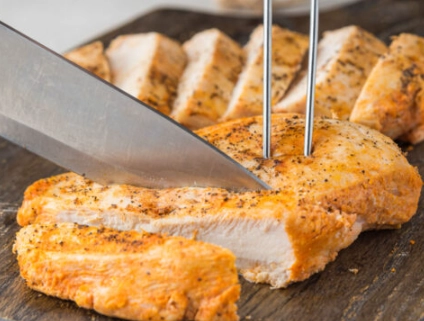
I made a table to break it down, based on data from the USDA's FoodData Central, which is an incredible resource for checking this stuff yourself. We're looking at a 100-gram (3.5 oz) cooked, skinless portion.
| Cut of Chicken (Skinless, Cooked) | Calories | Protein (g) | Total Fat (g) | Is it "Lean"? |
|---|---|---|---|---|
| Breast | 165 | 31 | 3.6 | Yes, easily. The gold standard. |
| Thigh | 209 | 26 | 10.9 | Barely, but often not. Right on the fat limit. |
| Drumstick | 172 | 28 | 5.7 | Yes. A great, flavorful lean option often overlooked. |
| Wing (without skin) | 203 | 30 | 8.1 | Yes. Surprised? Without the skin, it's solid. |
| Tenderloin | ~160 | ~30 | ~3.5 | Yes. Essentially a small, tender part of the breast. |
See? That's the first myth busted. You have options beyond the breast. A skinless drumstick is a fantastic, juicy choice that still fits the bill for lean chicken. Thighs are trickier—they're right on the edge, and if you're strictly counting, they might push you over. But for flavor and moisture, they're hard to beat, and a little bit of extra fat isn't the enemy if it helps you enjoy your food and stick to your goals.
Why Bother? The Real Nutritional Punch of Lean Chicken
Okay, so it's low in fat. Big deal. Why is everyone from your doctor to your gym buddy obsessed with this stuff?
It's the protein. And not just any protein. It's what's called a "complete" protein, meaning it has all nine of the essential amino acids your body can't make on its own. You need these for everything—building and repairing muscle (obviously), but also for making hormones and enzymes, and just keeping your immune system humming along. A 3.5-ounce serving of cooked lean chicken breast gives you about 31 grams of this top-tier protein. To put that in perspective, you'd need to eat about 4 large eggs or 1.5 cups of black beans to get the same amount.
But it's not just a protein brick. Lean chicken is also a surprisingly good source of other nutrients we often don't get enough of:
- Niacin (Vitamin B3): Crucial for turning the food you eat into usable energy. A serving provides over 100% of your daily needs.
- Selenium: A powerful antioxidant that supports thyroid function and DNA synthesis. One serving covers about half your daily requirement.
- Vitamin B6: Important for brain development, immune function, and breaking down proteins. Lean chicken is one of the best food sources.
- Phosphorus: Works with calcium to build strong bones and teeth.
I remember when I was just counting calories and protein grams. I felt okay, but not great. When I started paying attention to these micronutrients—making sure I was getting enough B vitamins and selenium from foods like lean chicken—my energy levels throughout the day became so much more stable. It was a game-changer.
Navigating the Meat Aisle: How to Buy the Best Lean Chicken
This is where things get real. Walk into any supermarket, and you're bombarded with choices: organic, free-range, air-chilled, no antibiotics, hormone-free (which is a bit of a trick, since hormones are banned in all poultry production in the US anyway). What actually matters for taste and quality?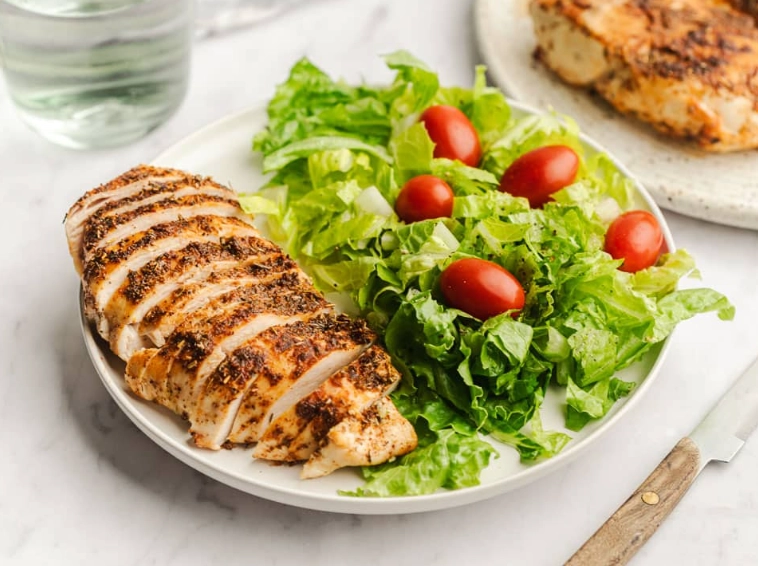
Let me share a personal blunder. I once bought the cheapest pack of chicken breasts I could find. They were pumped with a saline solution ("up to 15% retained water" in tiny print on the back). When I cooked them, they shrunk to almost nothing and oozed this weird white liquid in the pan. The texture was spongy and the flavor was basically nothing. Never again.
Here’s what I look for now, after a lot of trial and error:
Decoding the Labels
- Air-Chilled: This is my number one priority now. Most chicken is cooled in huge cold water baths after processing. It absorbs some of that water (that's the "retained water" you see). Air-chilled birds are cooled with cold air. They don't absorb extra water, so you're paying for chicken, not water. The flavor is more concentrated, and they sear better because the surface is drier. It's more expensive, but you get what you pay for.
- Organic: This means the chickens were fed 100% organic feed and had access to the outdoors. It doesn't automatically mean better taste, but many people prefer it for animal welfare and avoiding certain pesticides in the feed. The USDA Organic standards are strict and verified.
- Free-Range/Free-Roaming: The USDA requires that birds have "access" to the outdoors. The duration and quality of that outdoor space aren't tightly defined. It's a step up from conventional, but not as comprehensive as "Organic."
- No Antibiotics Ever (NAE): This means antibiotics were never used in raising the bird. This is a big one for people concerned about antibiotic resistance.
The Visual Check
Look at the chicken in the package. It should be a consistent, pinkish color (not gray or yellow). There should be very little liquid in the bottom of the tray. If it's swimming in juice, that's added water you'll pay for and that will steam your chicken instead of letting it brown. The flesh should look firm, not slimy or gaping.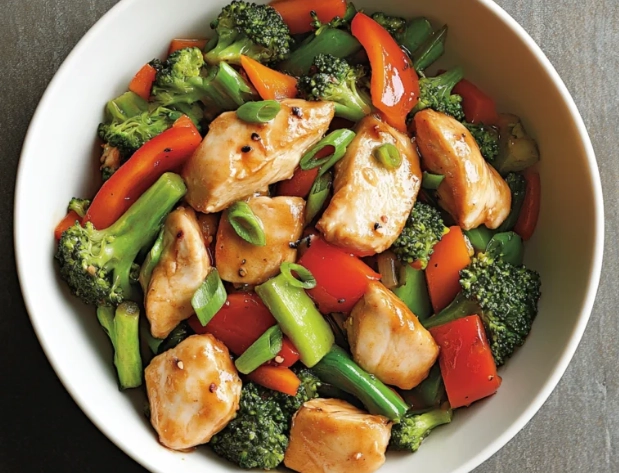
The Art (Not Science) of Cooking Lean Chicken So It's Actually Good
This is the heart of the matter. You can buy the best quality lean chicken in the world and ruin it in 10 minutes if you cook it wrong. The universal fear? Dryness. The enemy? Overcooking.
Chicken breast, in particular, has very little fat to baste itself from the inside. It goes from juicy to sawdust in a matter of minutes. The key is to cook it to the right temperature and stop. The USDA recommends cooking all poultry to a safe minimum internal temperature of 165°F (74°C). Here's the thing: carryover cooking will raise the temperature another 5-10 degrees after you take it off the heat. So if you pull it at 160°F and let it rest for 5-10 minutes, it will safely reach 165°F and be infinitely more juicy.
Invest in a good instant-read digital thermometer. It's the best $15 you'll spend in your kitchen. Guesswork is the enemy of juicy chicken.
Top Cooking Methods Ranked (for Juiciness and Flavor)
- Brine, Then Grill or Pan-Sear: Soaking lean chicken in a simple brine (1/4 cup salt dissolved in 4 cups water, for 30 mins to 2 hours) works wonders. The saltwater seasons the meat deep inside and helps it retain moisture. Pat it super dry, then sear it in a hot pan or on a grill. This is my absolute favorite method for chicken breasts.
- Poaching: Sounds boring, but it's incredibly gentle and reliable. Submerge chicken in barely simmering water or broth (170-180°F) until it hits temperature. The result is tender, evenly cooked meat perfect for shredding into salads, tacos, or chicken salad. It's foolproof.
- Baking (with a twist): Don't just toss a naked breast on a sheet pan. Pound it to an even thickness so it cooks uniformly. Sear it in a pan first to get a gorgeous brown crust, THEN finish it in the oven. Or, bake it covered with a sauce (like a marinara or a mustard glaze) to keep it moist.
- Slow Cooking/Shredding: A whole different approach. Cook lean chicken (especially breasts) on low in a slow cooker with some broth. It will become very tender and easy to shred. The texture is perfect for soups, sandwiches, and casseroles. You can't dry it out this way.
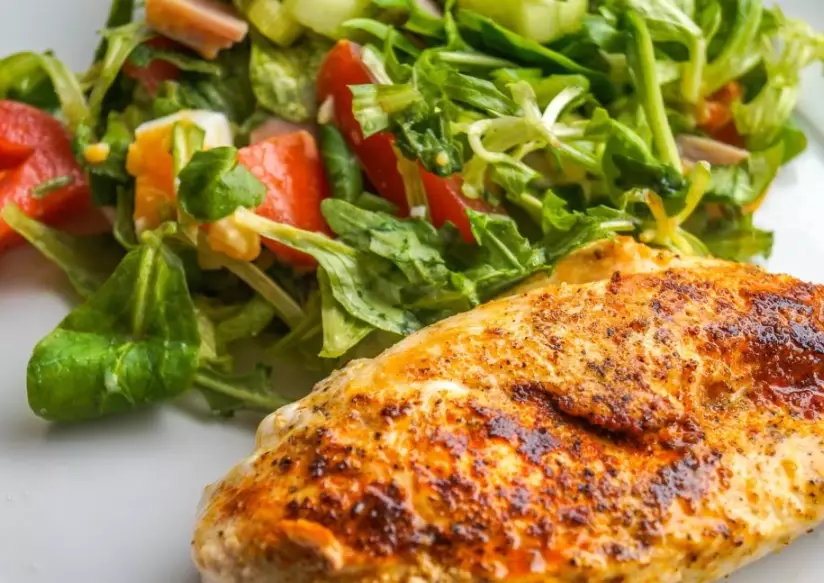
Answering Your Burning Questions About Lean Chicken
Let's tackle some of the specific things people type into Google when they're unsure about this stuff.
Putting It All Together: Making Lean Chicken a Star, Not a Sidekick
The biggest mistake is treating lean chicken as a bland obligation. It's a canvas. The flavor comes from what you do to it and with it.
Think beyond salt and pepper. A dry rub of smoked paprika, garlic powder, and a touch of brown sugar can transform it. A marinade with lemon juice, olive oil, and fresh herbs (like rosemary or thyme) adds brightness. A simple pan sauce made with the browned bits in your pan, some chicken broth, and a spoonful of Dijon mustard can elevate the whole dish in minutes.
Pair it with textures and colors. Put sliced, grilled lean chicken on a vibrant grain bowl with quinoa, roasted sweet potatoes, avocado, and a lime vinaigrette. Toss shredded poached chicken with a crunchy cabbage slaw and a peanut sauce for a quick lettuce wrap. Cube it and add it to a curry full of spices and creamy coconut milk.
The point is, lean chicken doesn't have to be the star shining alone on a white plate. It's a brilliant supporting actor that makes the whole meal work, providing the satisfying protein backbone that keeps you full and fueled. When you choose good quality, cook it with care, and pair it with exciting flavors, it stops being a diet food and just becomes... good food.
And that's the real secret. When you enjoy what you're eating, you're more likely to stick with it. So go grab some air-chilled chicken, brine it, sear it to golden perfection, and make something you actually look forward to eating. Your body and your taste buds will thank you.
Related Articles