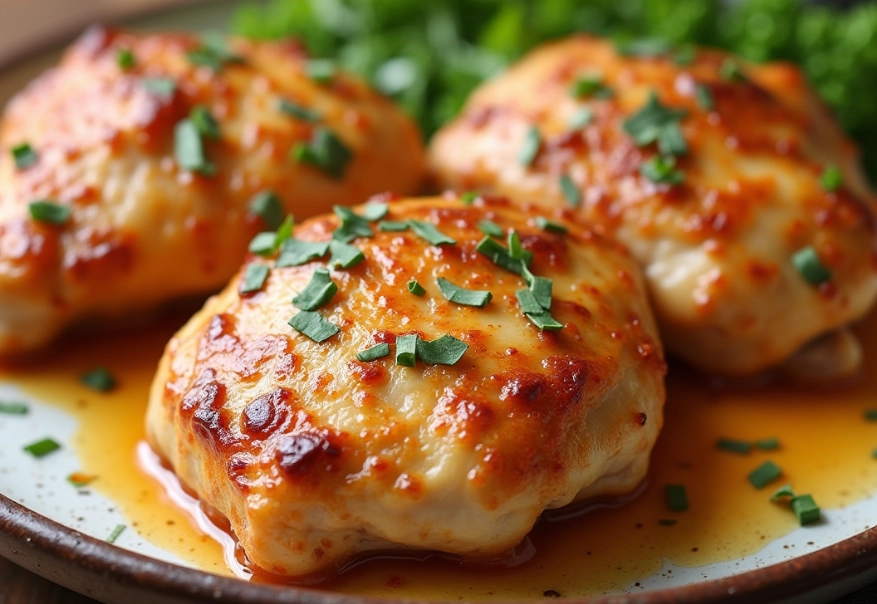
Perdue Perfect Portions Chicken: The Ultimate Guide to Buying & Cooking
Quick Guide
- What Exactly Is Perdue Perfect Portions Chicken?
- The Different Product Lines: Which One Should You Buy?
- Buying and Storing: Getting the Most for Your Money
- How to Cook Perdue Perfect Portions Chicken (Without Drying It Out)
- Nutrition and Health: What Are You Really Eating?
- Common Questions (The Stuff You Actually Google)
- The Final Verdict: Are Perdue Perfect Portions Worth It?
Let's talk about chicken. It's a staple, right? You buy it, you cook it, you hope it turns out okay. But how many times have you wrestled with a giant pack of chicken breasts, trying to portion them out before freezing, only to end up with a sticky mess and uneven pieces? Yeah, me too. That's why when I first saw Perdue Perfect Portions Chicken at my local grocery store, I was skeptical but intrigued. Pre-portioned? Individually wrapped? Sounded too good to be true.
I've been using them for over a year now, and honestly, it's changed my weeknight dinner game. But it's not all perfect. There are things I love and a few things that... well, could be better. This guide is everything I wish I knew before I bought my first pack. We'll dive deep into what Perdue Perfect Portions actually are, the different types you can buy, how to cook them properly (avoiding the dreaded dry chicken), and whether they're worth the slightly higher price tag compared to a bulk tray.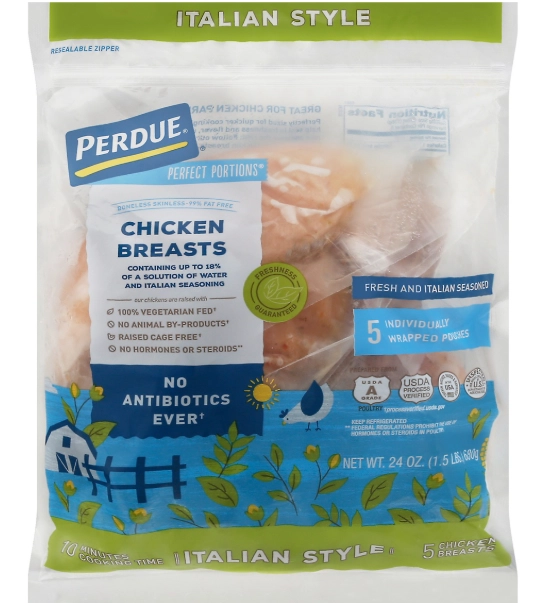
What Exactly Is Perdue Perfect Portions Chicken?
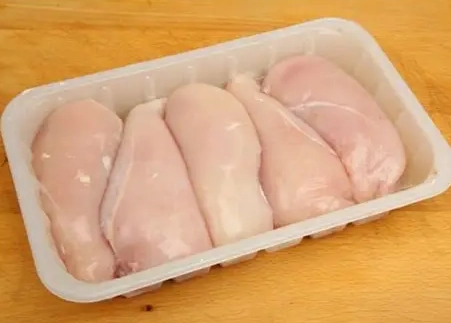
At its core, Perdue Perfect Portions Chicken is a line of fresh (never frozen, they say) chicken that comes pre-cut and individually vacuum-sealed. Each piece is separated, so you don't have to deal with that annoying layer of plastic between chicken breasts that are all stuck together. You know what I'm talking about. The main idea is convenience and consistency. Each portion is roughly the same size and weight, which is a huge win for consistent cooking times.
Perdue Farms, the company behind it, is a major player in poultry. They've been around for over a century. While they've had their share of controversies (like any big agribusiness), they've made pushes towards animal welfare and antibiotic-free products, which is reflected in some of their Perfect Portions lines. You can find more about their company history and commitments on their official corporate website.
The packaging is key here. Each thin, plastic pouch contains one chicken breast or cutlet. You can take out exactly how many you need—one for a solo dinner, four for the family—and leave the rest in the fridge. It theoretically reduces waste and cross-contamination. I say theoretically because sometimes the seal isn't great, but we'll get to that.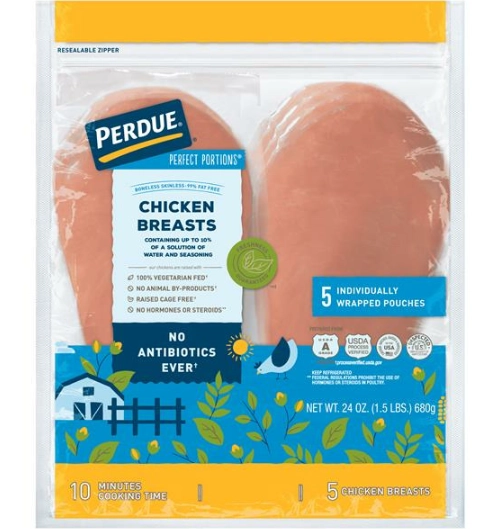
The Different Product Lines: Which One Should You Buy?
This is where it gets interesting. Perdue Perfect Portions isn't just one product. They've expanded into several categories, and choosing the right one depends on your diet, budget, and cooking goals. Here's a breakdown from my experience at the meat counter.
1. The Classic: Perfect Portions Boneless Skinless Chicken Breasts
This is the flagship. These are your standard, no-frills boneless, skinless chicken breasts. They're trimmed pretty cleanly, which is nice—less wasted fat to cut off. The consistency in size is the biggest sell. If you're meal prepping and need each container to have the same amount of protein, this makes it brain-dead simple. They cook evenly, which is half the battle with chicken.
2. The Thin-Cut Game Changer: Perfect Portions Thin-Sliced Chicken Breasts
My personal favorite. These are pounded (or sliced) thin, so they cook in minutes. Seriously, like 3-4 minutes per side in a hot pan. They're perfect for quick stir-fries, salads, sandwiches (hello, homemade chicken Parm), or wrapping around asparagus. Because they're so thin, they take marinades really well in a short amount of time. This is the variety that saves me the most time on busy nights.
3. The Health-Conscious Choice: Perfect Portions No Antibiotics Ever & Organic
Perdue offers lines raised without antibiotics and USDA Organic certified options. The Perdue Perfect Portions Chicken from these lines will cost more, sometimes significantly. Is it worth it? That's a personal choice. The meat texture and taste, in my side-by-side tests, were very similar to the classic. You're paying for the farming practices. If avoiding antibiotics is important to you, this is a convenient way to do it without portioning yourself. The USDA has resources on what the organic label means if you want to dig deeper.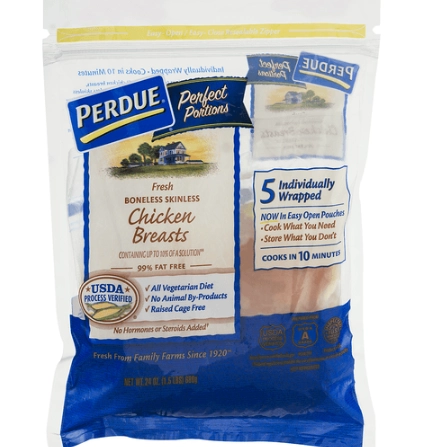
4. The Flavor-Infused Options: Perfect Portions with Marinades
These come pre-marinated in flavors like Italian Style, Roasted Garlic & Herb, or Lemon Garlic. Here's my honest, slightly negative take: I'm not a huge fan. The convenience is there, but I find the marinade can be a bit salty and sometimes leaves a texture on the chicken that's more "wet" than "juicy." I prefer to marinate my own. But if you're in a dire rush and want flavor with zero prep, they'll get the job done. Just check the sodium content if that's a concern for you.
| Product Line | Best For | My Personal Rating | Price Point (Relative) |
|---|---|---|---|
| Classic Breasts | General cooking, meal prep, grilling | 8/10 (Reliable workhorse) | $$ |
| Thin-Sliced Breasts | Quick weeknight dinners, stir-fries, salads | 9/10 (Weeknight hero) | $$ |
| No Antibiotics Ever | Health-focused shoppers, families | 7/10 (Good, but pricey) | $$$ |
| Pre-Marinated | Absolute maximum convenience | 6/10 (It's okay in a pinch) | $$$ |
Buying and Storing: Getting the Most for Your Money
You'll usually find Perdue Perfect Portions Chicken in the fresh meat section, not the frozen aisle. Look for the distinctive clear packaging with the blue and green branding. Always, and I mean always, check the "sell-by" or "use-by" date. Because the chicken is packaged in a modified atmosphere to extend shelf life, it can sometimes sit longer than traditional tray packs. Get the furthest date out you can.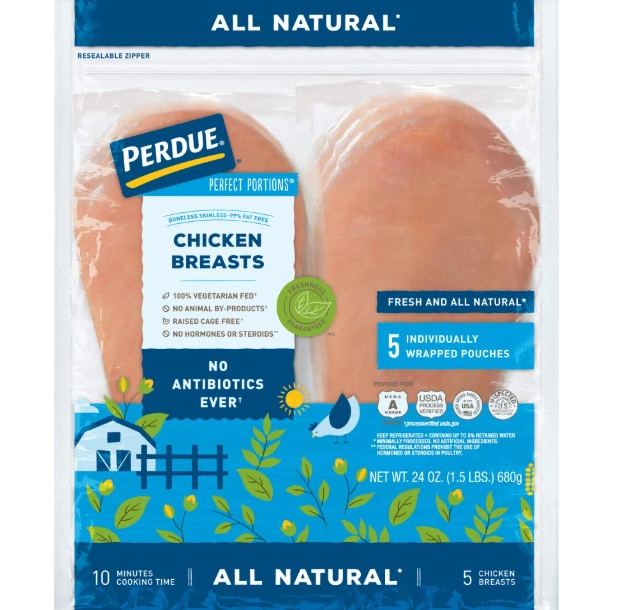
Price-wise, you are paying a premium for the convenience. Pound for pound, it's more expensive than buying a family-sized tray of breasts. The question is: is the time and hassle you save worth the extra dollar or two per pound? For me, on most weeks, yes. It prevents me from overbuying and wasting chicken.
Speaking of freezing, this is a great feature. Since each piece is sealed separately, you can freeze them individually. Take out one frozen pouch in the morning, thaw it in cold water or the fridge by dinnertime, and cook it. No need to thaw a giant block.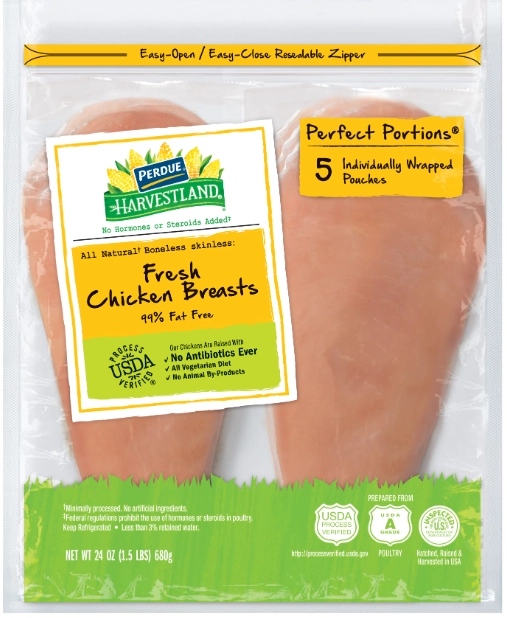
How to Cook Perdue Perfect Portions Chicken (Without Drying It Out)
Okay, this is the most important part. Buying them is one thing; cooking them well is another. The consistency in thickness is a massive advantage here, as it leads to even cooking. Here are the methods I use most, ranked by how often I use them.
Top Cooking Methods for Perfect Portions
- Pan-Searing (The Gold Standard): Heat a skillet (cast iron or stainless steel is best) over medium-high heat with a bit of oil. Pat the chicken dry—this is crucial for a good sear. Season generously. Cook for 5-7 minutes per side for a standard breast, or just 3-4 minutes per side for the thin-cut, until it reaches 165°F internally. Let it rest for 5 minutes. Juicy every time.
- Baking/Roasting (For Hands-Off Cooking): Preheat your oven to 400°F (200°C). Place the portions on a baking sheet. Drizzle with oil and season. Bake for 18-22 minutes. A meat thermometer is your best friend here. Don't guess.
- Grilling (For Summer Vibes): Perfect for the classic breasts. Medium-high heat on a clean, oiled grill. 6-8 minutes per side. The thin-cut ones can fall through grates, so be careful or use a grill pan.
- Air Frying (The Quick Fix): Amazing for the thin-sliced Perfect Portions Chicken. 375°F for 10-12 minutes, flipping halfway. Gets them crispy with minimal oil.
My biggest failure early on was overcooking the thin ones. They go from perfect to rubbery in what feels like seconds. Trust the thermometer. The USDA provides safe cooking temperature guidelines, confirming that 165°F is the safe internal temperature for poultry.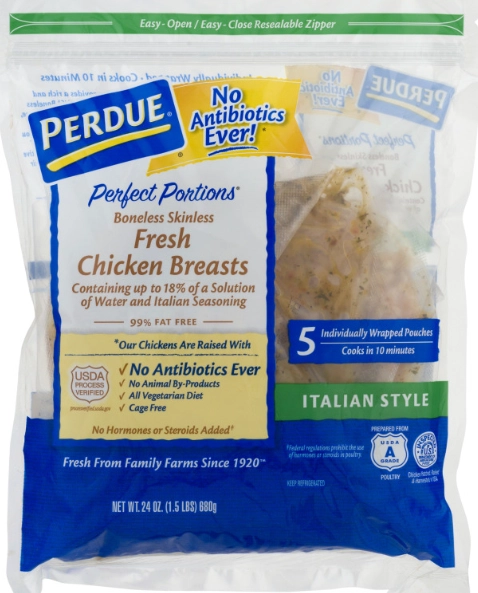
| Cooking Method | Best For This Cut | Approx. Time (for 6oz breast) | Key to Success |
|---|---|---|---|
| Pan Searing | All, especially Thin-Sliced | 10-14 mins total | Hot pan, don't move it, let it rest |
| Baking | Classic Breasts | 18-22 mins | Use a thermometer, not time alone |
| Grilling | Classic Breasts | 12-16 mins total | Direct medium-high heat, clean grates |
| Air Frying | Thin-Sliced, Classic | 10-15 mins | Don't overcrowd the basket |
Nutrition and Health: What Are You Really Eating?
Let's cut through the marketing. A plain, cooked 4-ounce serving of Perdue Perfect Portions Chicken Breast (which is roughly one portion) has about 110-130 calories, 1-2 grams of fat, and a whopping 23-26 grams of protein. It's a lean protein powerhouse. The sodium in the plain versions is naturally occurring and low (around 70mg).
Where you have to pay attention is the pre-marinated or "solution added" varieties. Some have added salt, broth, or stabilizers to enhance juiciness. Always flip the package and read the ingredient list and nutrition label. If you're on a low-sodium diet, stick to the plain Perfect Portions Chicken and add your own salt-free herbs and spices.
Compared to other protein sources, chicken breast is one of the leanest. It's a staple in many health and fitness plans for a reason. Organizations like the American Heart Association list skinless poultry as a healthier protein choice when prepared without saturated and trans fats.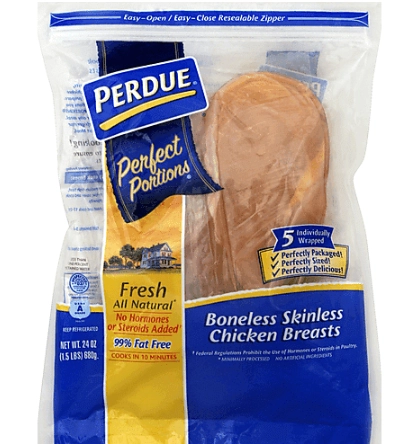
Common Questions (The Stuff You Actually Google)
The Final Verdict: Are Perdue Perfect Portions Worth It?
After cooking probably fifty packs of these things, here's my honest take.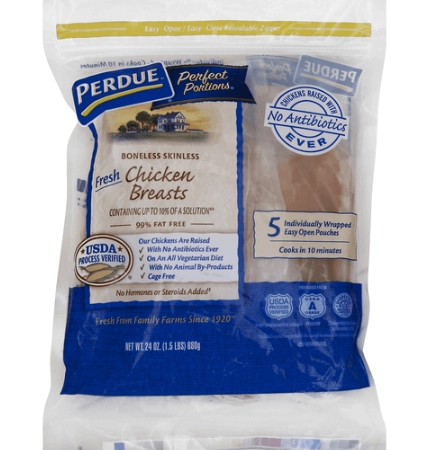
The Good: The convenience is real. No mess, no fuss, perfect for grabbing one or two for a quick dinner. The portion control is fantastic, both for managing servings and for meal prep. The thin-sliced option is a genuine game-changer for busy nights. The quality of the chicken itself is consistent and good.
The Not-So-Good: You pay for that convenience. It's more expensive. The plastic waste is significant—each piece is individually wrapped. I wish they had a more eco-friendly solution. Very occasionally, I've gotten a pack where one of the vacuum seals was weak or leaking, which is a food safety red flag. Always check the seals in the store.
For most home cooks, especially busy professionals, parents, or anyone who hates dealing with raw chicken, yes, absolutely. Start with a pack of the thin-sliced Perdue Perfect Portions Chicken. They are the most transformative. If you cook chicken multiple times a week and are on a very tight budget, the cost add-up might give you pause. In that case, maybe buy a bulk pack for most meals and keep one pack of Perfect Portions in the freezer for those "I have zero time or energy" nights.
At the end of the day, it's a tool. A very effective, slightly pricey kitchen tool that removes a common cooking pain point. For me, that's worth it. It might be for you, too.
Give them a shot on a night you'd normally order takeout. You might be surprised at how quickly you can get a healthy, home-cooked chicken dinner on the table.
Related Articles