How Long to Roast a Whole Chicken: The Complete Time & Temp Guide
Your Roasting Roadmap
- What You Really Need Before We Talk Time
- The Master Time & Temperature Guide
- The Step-by-Step Process (What Actually Happens)
- How to Know It's Done (Beyond the Thermometer)
- Common Roasting Methods & Their Times
- Frequently Asked Questions (The Stuff You're Actually Searching For)
- A Few Final Thoughts (From My Kitchen to Yours)
Let's be honest. You've got this beautiful whole chicken sitting on your counter, maybe you've even patted it dry and seasoned it already. The oven is preheated. But that nagging question pops into your head: exactly how long to roast a whole chicken? Is it 90 minutes? Two hours? What if it's dry? What if it's raw in the middle? I've been there. The first time I tried it, I followed a recipe that said "90 minutes" without any other context. I ended up with a bird that was somehow both charred on the outside and disturbingly pink near the bone. A culinary tragedy.
So, I'm not going to give you just one number. That's the biggest mistake most guides make. The answer to "how long does it take to roast a whole chicken" depends on a few critical things, mainly its weight and your oven temperature. We're going to break it all down, step by step, so you can walk away with confidence, not guesswork.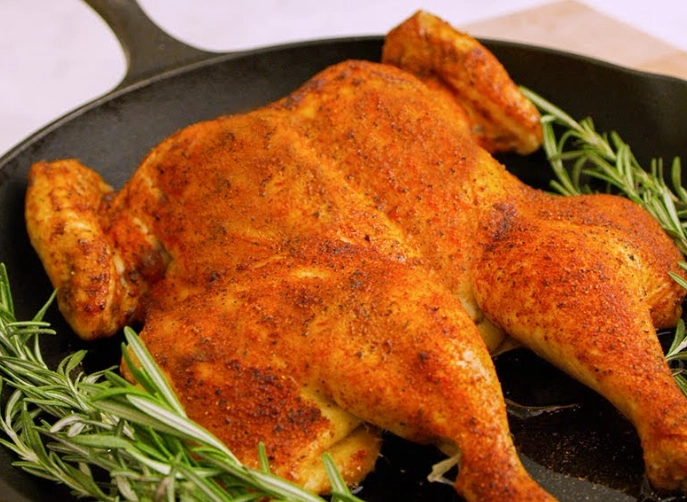
The Quick Answer (But Keep Reading!): For a standard 4 to 5-pound chicken roasted at 375°F (190°C), you're looking at about 1 hour 20 minutes to 1 hour 40 minutes. But please, don't just set a timer and walk away. The internal temperature is your only true guide to doneness.
What You Really Need Before We Talk Time
Before we dive into the times, let's get the basics right. Skipping this is like trying to bake a cake without greasing the pan.
The Chicken Itself: Is it fresh or frozen and thawed? Hopefully thawed. A frozen chicken in a hot oven is a path to disaster—burnt outside, ice inside. Thaw it in the fridge, which takes about 24 hours for a 5-pounder. Pat it very dry with paper towels. I mean, really dry. This is the single best tip for crispy skin. Moisture is the enemy of crispiness.
Trussing (or Not): Trussing—tying the legs together—makes for a prettier, more compact bird. Some say it cooks more evenly. I often skip it. I find leaving the legs loose lets the dark meat (which needs more heat) get closer to the oven's heat source, helping everything finish together. It's a personal preference. Try both ways.
Seasoning & Brining: This isn't just about flavor; it's about moisture. A simple dry brine (rubbing with salt and letting it sit in the fridge uncovered for a few hours or overnight) works wonders. It seasons the meat deeply and helps the skin dry out for maximum crisp. If you're short on time, at least get some salt, pepper, and maybe some herbs under the skin and in the cavity.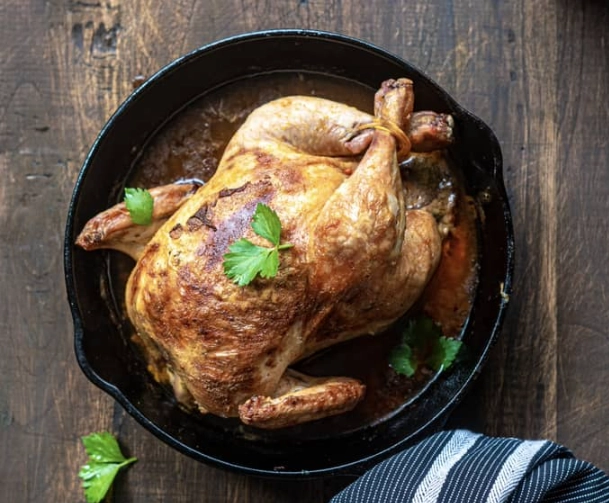
The Master Time & Temperature Guide
Here it is. The core of the matter. How long to roast a whole chicken depends on a dance between temperature and weight. I've found that a moderate oven temperature, around 375°F to 425°F, gives the best balance of crispy skin and juicy meat. Too low, and the skin won't crisp. Too high, and you risk burning the skin before the inside is done.
This table is your new best friend. It's based on roasting at 375°F (190°C), which is a great, reliable starting point.
| Chicken Weight (lbs) | Approximate Roasting Time at 375°F | Key Things to Watch For |
|---|---|---|
| 3 lbs (1.4 kg) | 1 hour to 1 hour 15 minutes | Cookes faster! Check early. Prone to drying out. |
| 4 lbs (1.8 kg) | 1 hour 20 minutes to 1 hour 40 minutes | The sweet spot. Most common size, very forgiving. |
| 5 lbs (2.3 kg) | 1 hour 40 minutes to 2 hours | Needs more patience. Great for leftovers. |
| 6 lbs (2.7 kg) or more | 2 hours to 2 hours 30 minutes+ | Consider spatchcocking (butterflying) for even cooking. |
A note from my own kitchen disasters: I once tried to roast a nearly 7-pound chicken at 400°F thinking it would save time. The skin was perfect at the 90-minute mark, but a thermometer in the thigh read 140°F. I had to tent it with foil to stop the skin from burning and let it cook for another 40 minutes at a lower temp. It was a hassle. Lesson learned: bigger birds often do better with slightly lower, slower heat.
Why Temperature Matters More Than the Clock
Those times above are estimates. Your oven is different from mine. Is it running hot? Is it old and uneven? A frozen chicken that wasn't fully thawed? These all change the game.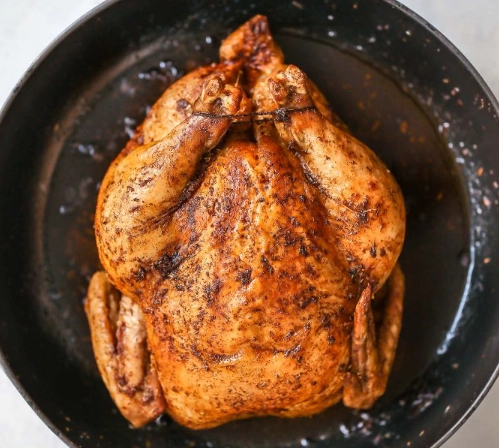
That's why the most important tool for roasting a whole chicken isn't a fancy pan—it's a good instant-read meat thermometer. It takes the guesswork out of the question "how long to roast a whole chicken." You're not guessing; you're measuring.
Food Safety is Non-Negotiable: According to the U.S. Department of Agriculture (USDA), all poultry should be cooked to a minimum safe internal temperature of 165°F (74°C) to kill any harmful bacteria. This is not a suggestion; it's a safety rule. You can verify this on the USDA Safe Temperature Chart.
But here's a chef's secret: 165°F in the breast can sometimes taste a bit dry. If you're comfortable and your chicken is from a trusted source, you can pull it out of the oven when the thickest part of the thigh (not touching the bone) hits 160-165°F. The carryover cooking—the heat that continues to spread after you take it out—will usually bring it up those last few degrees while it rests.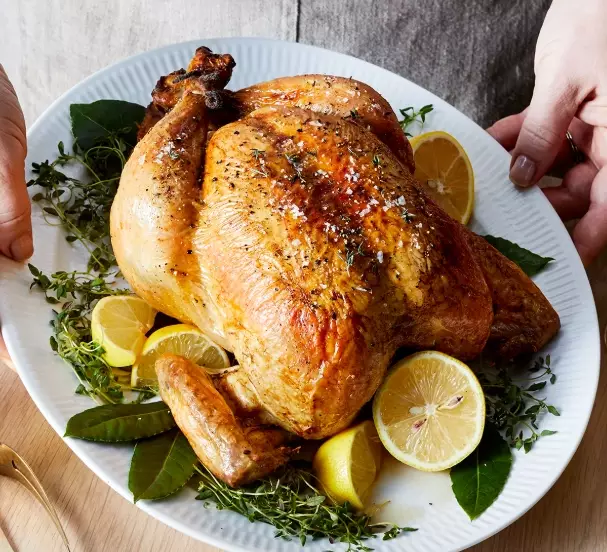
The Step-by-Step Process (What Actually Happens)
Let's walk through it like we're in the kitchen together.
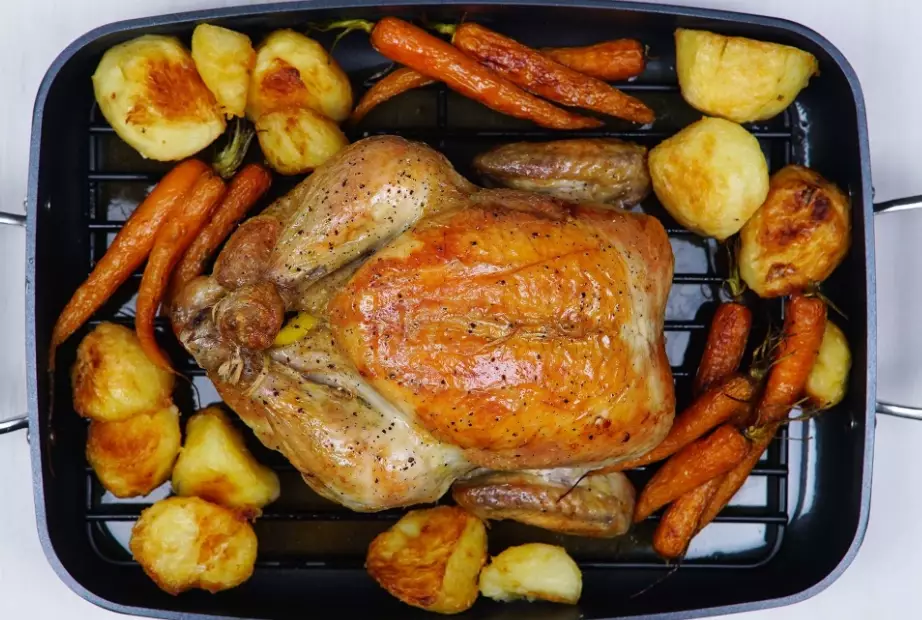
- Prep & Preheat: Take your dry-brined or seasoned chicken out of the fridge about 30 minutes before cooking. Let it come closer to room temp for more even cooking. Preheat your oven to 375°F (190°C). Place a rack in a roasting pan or a rimmed baking sheet. The rack is key—it lets hot air circulate all around the bird.
- Into the Oven: Place the chicken breast-side up on the rack. Some people start breast-side down to protect the white meat, then flip it. I find that messy and unnecessary if your temperature is right. I go breast-up the whole time.
- The Waiting Game: Now, you leave it alone. Don't open the oven door for at least the first 45 minutes. Every time you open it, you let out heat and steam, which kills your crispy skin dreams. Set a timer for about 20 minutes less than the lower end of your estimated time from the table.
- The First Check: When that timer goes off, take a peek. Is the skin turning a lovely golden brown? Good. If parts are browning too fast, you can loosely tent just those areas with a small piece of foil.
- The Critical Temperature Check: About 10-15 minutes before your estimated finish time, grab your thermometer. Insert it into the thickest part of the thigh, avoiding the bone. Also check the thickest part of the breast.
If the thigh is at 155°F, you're close. Give it another 10 minutes and check again. If the breast is done (say, 160°F) but the thigh is still at 150°F, this is common. You can try tilting the chicken so the juices pool in the thigh area, or just be patient—the dark meat takes longer.
- Resting is NOT Optional: When the thigh hits 165°F (or your desired safe temp), take it out. Immediately transfer it to a cutting board or plate. Do not cut into it. Tent it loosely with foil and let it rest for at least 15-20 minutes, longer for bigger birds. This allows the juices to redistribute, and the internal temperature will continue to rise a few degrees (carryover cooking). Cutting too soon sends all those precious juices onto the board, leaving you with dry meat.
How to Know It's Done (Beyond the Thermometer)
The thermometer is king, but there are other signs. The legs should wiggle freely in their joints. The juices running from the thigh when you pierce it should run clear, not pink. Honestly, though, I barely look at these anymore. I trust the digital readout. It's foolproof.
Pro Tip for Crispy Skin: For the last 5-10 minutes of cooking, if the skin isn't as crackly as you'd like, bump the oven up to 425°F or even use the broiler for a minute or two. Watch it like a hawk! It can go from golden to black in seconds.
Common Roasting Methods & Their Times
Not everyone roasts the same way. Here’s how time shifts with different techniques.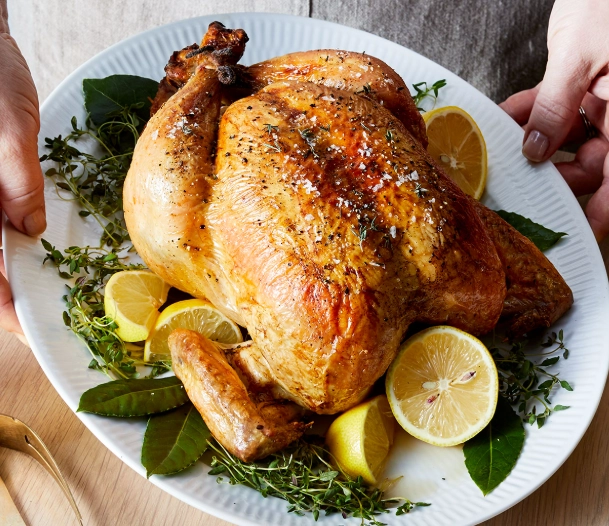
- High-Heat Roast (425-450°F): Cuts down time by 15-25%. A 4-pound chicken might be done in 50-70 minutes. Risk: Skin can burn before interior is done. Requires more vigilance.
- Low & Slow (325°F): Increases time by 50% or more. A 4-pounder could take 2.5+ hours. Result: Incredibly tender, falling-off-the-bone meat, but the skin will be pale and rubbery unless you finish it with a high-heat blast.
- Spatchcocked (Butterflied): This is my go-to for a guaranteed even cook. You cut out the backbone and flatten the chicken. It reduces the time to roast a whole chicken significantly—a 5-pounder at 425°F can be done in 45-60 minutes. The skin gets crisp all over because it's all exposed. Highly recommended, especially for larger birds.
Frequently Asked Questions (The Stuff You're Actually Searching For)
A Few Final Thoughts (From My Kitchen to Yours)
Figuring out how long to roast a whole chicken feels like a rite of passage for home cooks. It seems simple, but the devil is in the details. The biggest shift for me was moving from time-based cooking to temperature-based cooking. It removed all the anxiety.
My personal favorite method now? Spatchcocking. It solves so many problems—uneven cooking, long roasting times, soggy skin. It answers the question of how long to roast a whole chicken with "a lot less time than you think."
Don't be afraid to experiment. Try a dry brine next time. Try a compound butter under the skin. Try a different oven temperature and see how the texture changes. The more you do it, the more you'll develop a feel for it, and the less you'll worry about the clock.
Just remember the golden rules: dry the skin, use a thermometer, and let it rest. Do those three things, and you're 90% of the way to a perfect roast chicken, no matter how long it actually takes.
Want to go deeper on food safety? The U.S. Food and Drug Administration (FDA) has excellent resources on safe poultry handling from store to table, which is just as important as the cooking itself. It's worth a quick read to build your confidence: FDA Safe Food Handling.
Related Articles