Chicken Focaccia Recipe: Easy Homemade Guide & Restaurant Tips
I still remember the first time I bit into a chicken focaccia at a tiny bakery in Rome. The bread was crisp yet chewy, the chicken juicy with herbs, and it felt like a hug from an Italian nonna. But when I tried to recreate it at home, it turned into a soggy mess. That's when I realized most recipes miss the mark on a few key details. After years of tweaking and talking to chefs, I've nailed down a method that works every time. This guide isn't just another recipe list—it's your shortcut to making chicken focaccia that'll impress even the pickiest eaters, plus where to find the best ones if you're not in the mood to cook.
Jump to What Matters
What Exactly Is Chicken Focaccia?
Chicken focaccia is essentially a savory Italian bread topped with cooked chicken, herbs, and often vegetables or cheese. Think of it as a cross between a pizza and a sandwich—focaccia dough is thicker and oilier than pizza crust, baked until golden, then layered with flavorful chicken. It's popular as a quick lunch or picnic food because it's portable and filling. In Italy, you'll see variations from region to region; some spots in Liguria add potatoes, while in Tuscany, they might throw in sun-dried tomatoes. The beauty lies in its simplicity, but that's also where many home cooks go wrong. They treat it like regular bread, forgetting that the chicken needs to be seasoned just right to avoid dryness.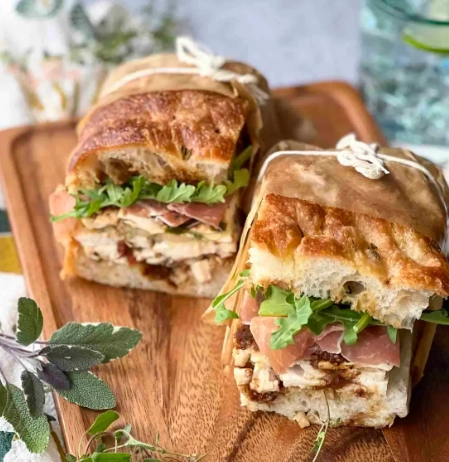
How to Make Chicken Focaccia Step-by-Step
Let's break this down into manageable parts. I've tested this recipe over a dozen times, and it's foolproof if you follow along. You'll need about 2 hours total, but most of that is hands-off waiting for the dough to rise.
Gathering Your Ingredients
For the focaccia dough: 500g all-purpose flour, 350ml warm water, 7g instant yeast, 10g salt, 50ml extra-virgin olive oil (don't skimp here—it makes the crust crisp). For the chicken topping: 2 boneless chicken breasts, 2 tbsp olive oil, 1 tsp dried oregano, 1 tsp garlic powder, salt and pepper to taste, and optional additions like rosemary, cherry tomatoes, or mozzarella. I prefer using chicken breasts because they're lean, but thighs work if you want more fat.
Preparing the Dough
Mix the flour, yeast, and salt in a large bowl. Slowly add the warm water and olive oil, stirring until a shaggy dough forms. Knead for 8-10 minutes until smooth—if it's too sticky, add a bit more flour, but not too much; focaccia should be soft. Place it in an oiled bowl, cover with a damp cloth, and let it rise for 1 hour in a warm spot. Here's a trick: preheat your oven to the lowest setting, turn it off, and let the dough rise inside. It speeds things up on cold days.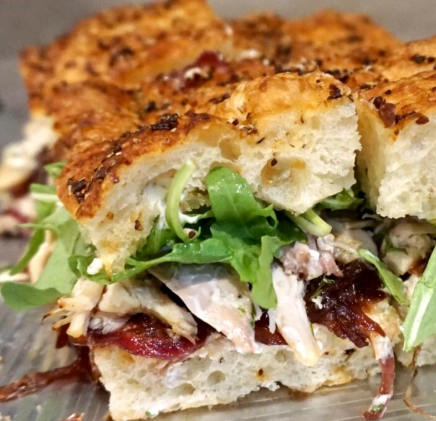
Cooking the Chicken
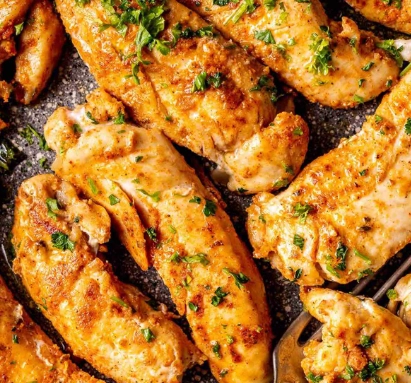
While the dough rises, season the chicken breasts with oregano, garlic powder, salt, and pepper. Heat olive oil in a pan over medium heat. Cook the chicken for 6-7 minutes per side until cooked through. Let it rest for 5 minutes, then shred or slice it thinly. Many recipes tell you to cook the chicken with the bread, but that leads to uneven cooking. Doing it separately ensures juicy meat.
Assembling and Baking
Once the dough has doubled in size, punch it down and spread it into a greased baking sheet (about 9x13 inches). Use your fingers to dimple the surface—this creates pockets for the oil. Drizzle more olive oil over the top, then scatter the chicken evenly. Add any extras like rosemary or tomatoes. Bake in a preheated oven at 220°C (425°F) for 20-25 minutes, until the edges are golden brown. Let it cool for 10 minutes before slicing. Trust me, cutting it too soon makes it fall apart.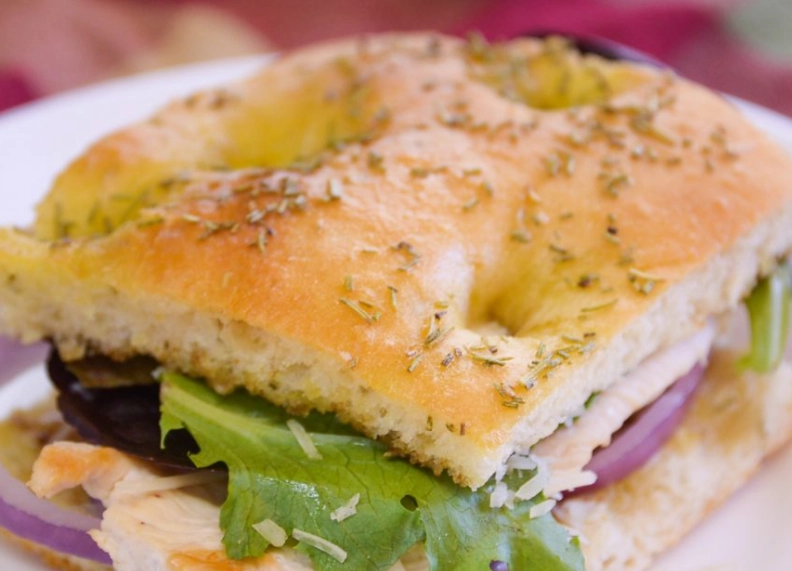
Pro tip from a Roman baker: Brush the baked focaccia with a mix of olive oil and minced garlic right after it comes out of the oven. It adds a glossy finish and extra flavor without making it greasy.
Common Mistakes and Expert Tips
I've seen so many chicken focaccia fails, and they usually boil down to a few things. First, people over-knead the dough. Focaccia isn't bread—it should be slightly sticky and relaxed. Over-kneading makes it tough. Second, using cold chicken straight from the fridge. Let it come to room temperature before topping; otherwise, it cools the dough and affects baking. Third, skipping the dimpling step. Those little holes aren't just for looks; they help the oil distribute and create a crisp texture.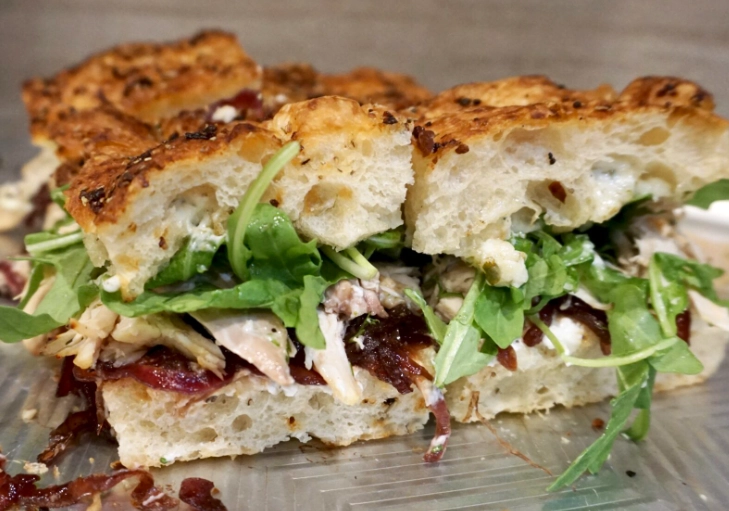
Here's a non-consensus view: most recipes call for adding raw chicken to the dough before baking. That's a disaster waiting to happen. Chicken releases moisture as it cooks, which can make the bread soggy. Always pre-cook your chicken. Also, consider using a pizza stone if you have one. It mimics the brick ovens used in Italy and gives a better crust. If not, a heavy baking sheet works fine.
For storage, wrap leftover focaccia in foil and keep it at room temperature for up to 2 days. Reheat in a toaster oven for 5 minutes to revive the crispness. Microwaving turns it into a rubbery mess—avoid that at all costs.
Where to Find the Best Chicken Focaccia
If you're not up for cooking, here are some spots where chicken focaccia shines. I've visited these places personally, and they each bring something unique to the table.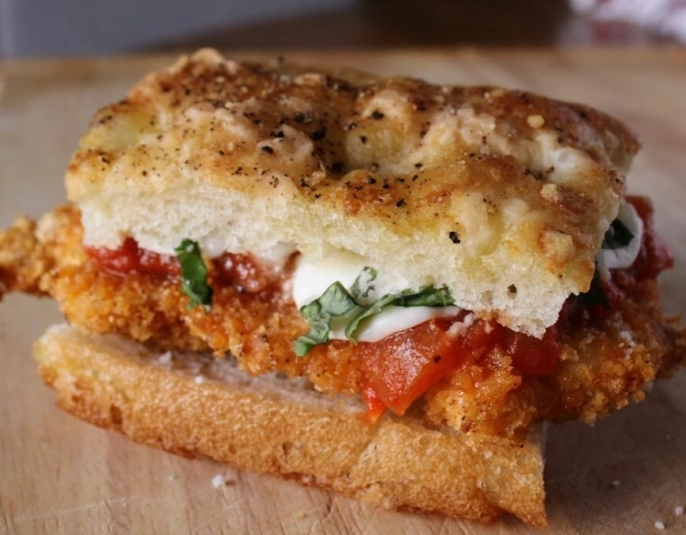
| Restaurant Name | Location | Specialty | Price Range | Hours |
|---|---|---|---|---|
| Pane e Vino | 123 Via Roma, Rome, Italy | Chicken focaccia with sun-dried tomatoes and pesto | €8-12 | 8 AM - 10 PM daily |
| Bread & Olive | 456 Broadway, New York, USA | Spicy chicken focaccia with jalapeños | $10-15 | 7 AM - 8 PM (closed Sundays) |
| La Dolce Forno | 789 King St, London, UK | Traditional chicken focaccia with rosemary | £7-10 | 9 AM - 7 PM daily |
Pane e Vino in Rome is my top pick—their focaccia has a perfect balance of chew and crunch, and the chicken is marinated overnight. Bread & Olive in New York adds a twist with American flavors, but some find it too oily. La Dolce Forno keeps it classic, though their portions are smaller. For a deeper dive into Italian baking techniques, check out resources from the Italian Culinary Institute, which offers insights on focaccia traditions.
When visiting these places, go early. Focaccia sells out fast, especially during lunch hours. If you're in a pinch, many local bakeries have decent versions, but always ask if the chicken is freshly cooked that day.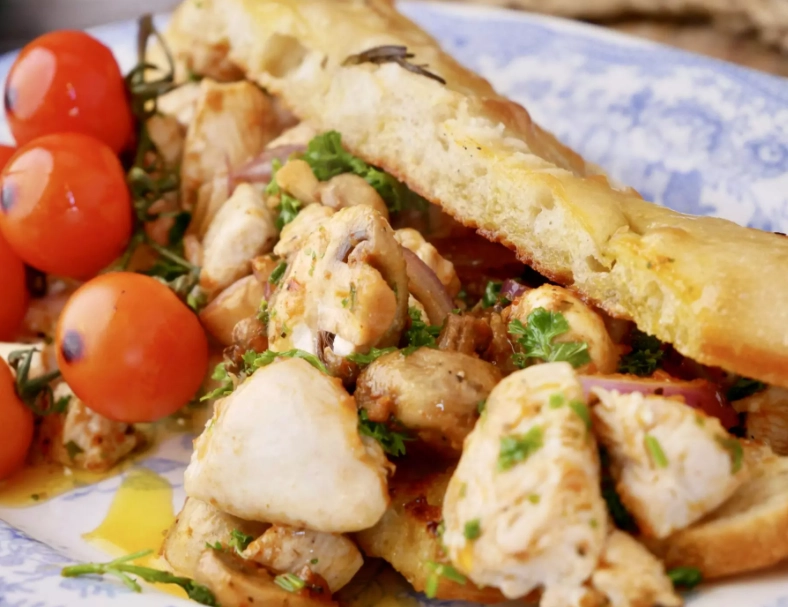
Your Chicken Focaccia Questions Answered
Chicken focaccia might seem straightforward, but the devil's in the details. Whether you're making it at home or hunting down the best version in your city, focus on quality ingredients and patience. Start with the recipe here, tweak it to your taste, and don't be afraid to experiment. After all, the best meals often come from a little trial and error. If you have more questions, drop a comment—I've been through all the mistakes so you don't have to.
Related Articles